




menu

Whole Home Repiping in Los Angeles – Complete Plumbing System Replacement for Residential and Commercial Properties

From single-family homes to multi-unit apartment buildings, we replace aging galvanized steel, polybutylene, and corroded copper piping with modern PEX or copper systems throughout Los Angeles County.

Slider Image 1
Slider Image 2
Slider Image 3
Slider Image 4
Slider Image 5
Slider Image 7
Slider Image 8
Slider Image 9
Slider Image 10
Slider Image 11

Why Los Angeles Homes Need Full Plumbing System Replacement More Often Than You Think

Los Angeles has a hidden infrastructure problem. Thousands of homes built between 1940 and 1980 still run on original galvanized steel or polybutylene piping. The region's hard water, high in calcium and magnesium, accelerates corrosion inside these pipes. Add in the seismic activity from nearby fault lines, and you get stress fractures that lead to pinhole leaks, low water pressure, and discolored water.

Whole house repiping becomes necessary when you notice rust-colored water at multiple fixtures, chronic low pressure even after replacing faucet aerators, or recurring leaks in different rooms within months of each other. These are not isolated fixture problems. They signal systemic pipe degradation.

Many homes in neighborhoods like Echo Park, Highland Park, and Mid-Wilshire still have the original plumbing from the 1950s and 1960s. Galvanized steel pipes have a lifespan of 40 to 50 years. If your home predates 1980, you are likely overdue for full home repiping. Polybutylene pipes, installed widely in the 1980s and early 1990s, are known to fail suddenly due to chlorine exposure from municipal water treatment.

Replumbing a house is not about fixing one leak. It is about replacing the entire delivery system before catastrophic failure floods your home, ruins your drywall, and triggers mold growth in Los Angeles's warm climate. House repiping eliminates the root cause of recurring plumbing failures.

Why Los Angeles Homes Need Full Plumbing System Replacement More Often Than You Think
How We Execute a Whole House Pipe Replacement Without Destroying Your Home

How We Execute a Whole House Pipe Replacement Without Destroying Your Home

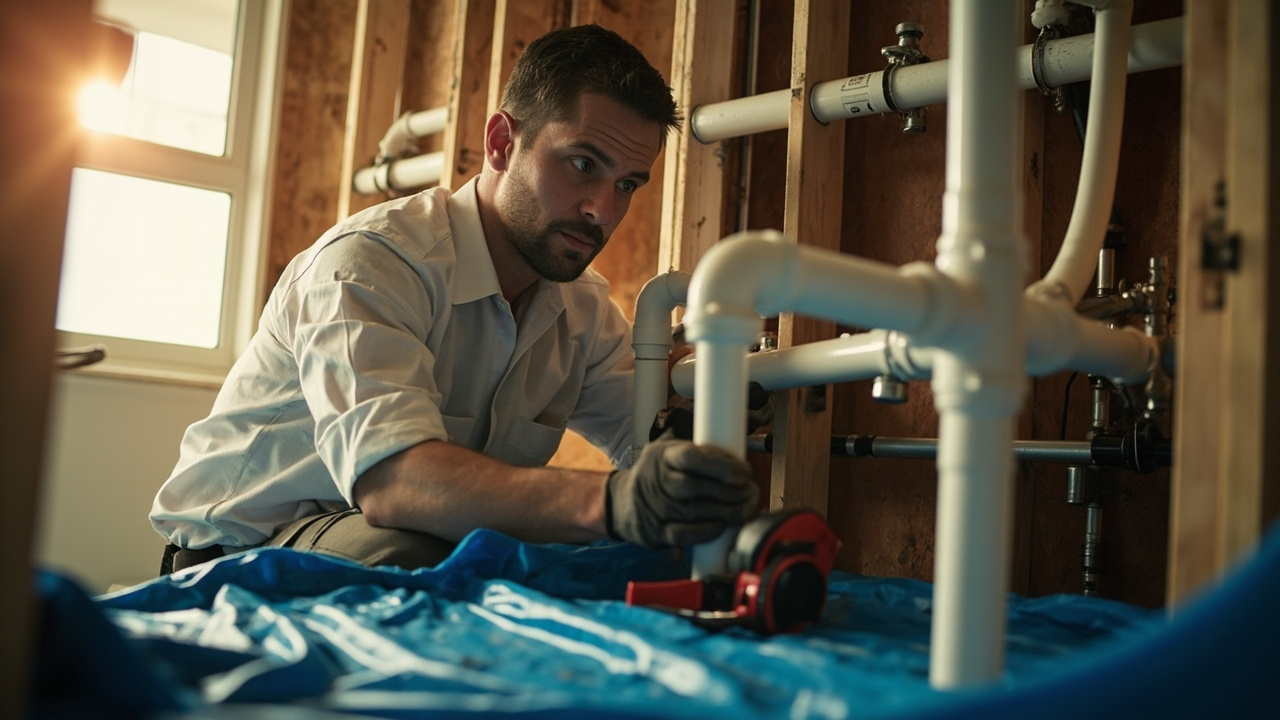
Most homeowners assume repiping means tearing out every wall and ceiling in the house. That is not how modern replumbing works. We use strategic access points to route new piping through attics, crawl spaces, and wall cavities with minimal drywall removal. Our team maps your existing plumbing layout, identifies the most efficient routing paths, and creates access points only where necessary.

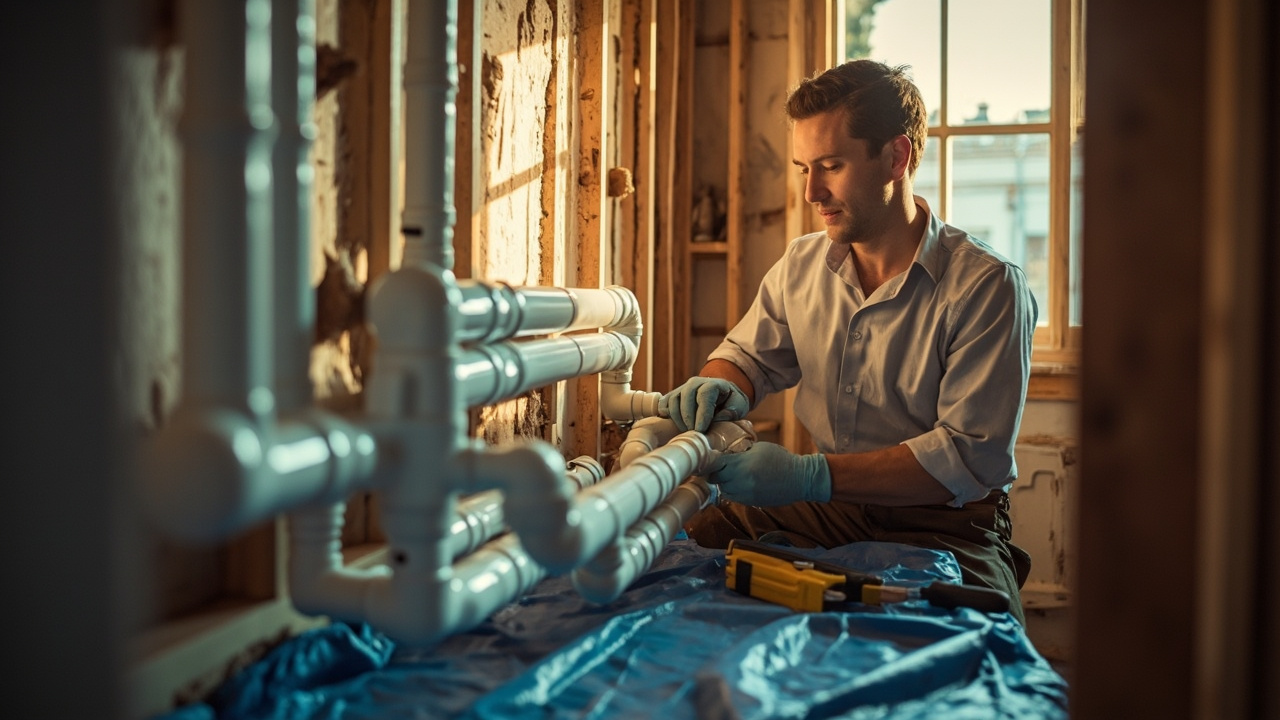
We primarily install cross-linked polyethylene (PEX) piping for residential repiping projects. PEX is flexible, corrosion-resistant, and expands slightly under pressure, which makes it ideal for earthquake-prone Los Angeles. It also installs faster than rigid copper, which reduces labor time and keeps your home functional during the project. For properties requiring fire-rated piping or where code mandates copper, we use Type L copper with lead-free solder.

Before we cut into anything, we perform a pressure test on your existing system to document current flow rates and identify hidden leaks. We then install the new trunk lines (main supply lines) first, followed by branch lines to individual fixtures. Every connection is pressure-tested to 150 PSI for 24 hours before we close walls. This is double the normal operating pressure in Los Angeles, which typically runs between 60 and 80 PSI.

We coordinate with the Los Angeles Department of Building and Safety for permit acquisition and schedule inspections at rough-in and final stages. If your home is in a Historic Preservation Overlay Zone (HPOZ), like Angelino Heights or West Adams, we follow additional guidelines to maintain the home's historical integrity while upgrading the plumbing infrastructure.

What Happens During Your Home Repiping Project

Whole Home Repiping in Los Angeles – Complete Plumbing System Replacement for Residential and Commercial Properties
01

System Inspection and Design

Our licensed plumber walks your property to map existing pipe routes, measure water pressure at multiple fixtures, and inspect your water heater, shut-off valves, and main supply line. We take photos of wall cavities during exploratory access to confirm pipe material and condition. You receive a detailed scope of work that shows exactly which walls need access points, what pipe material we will install, and how we route supply lines to minimize structural impact.
02

Installation and Testing

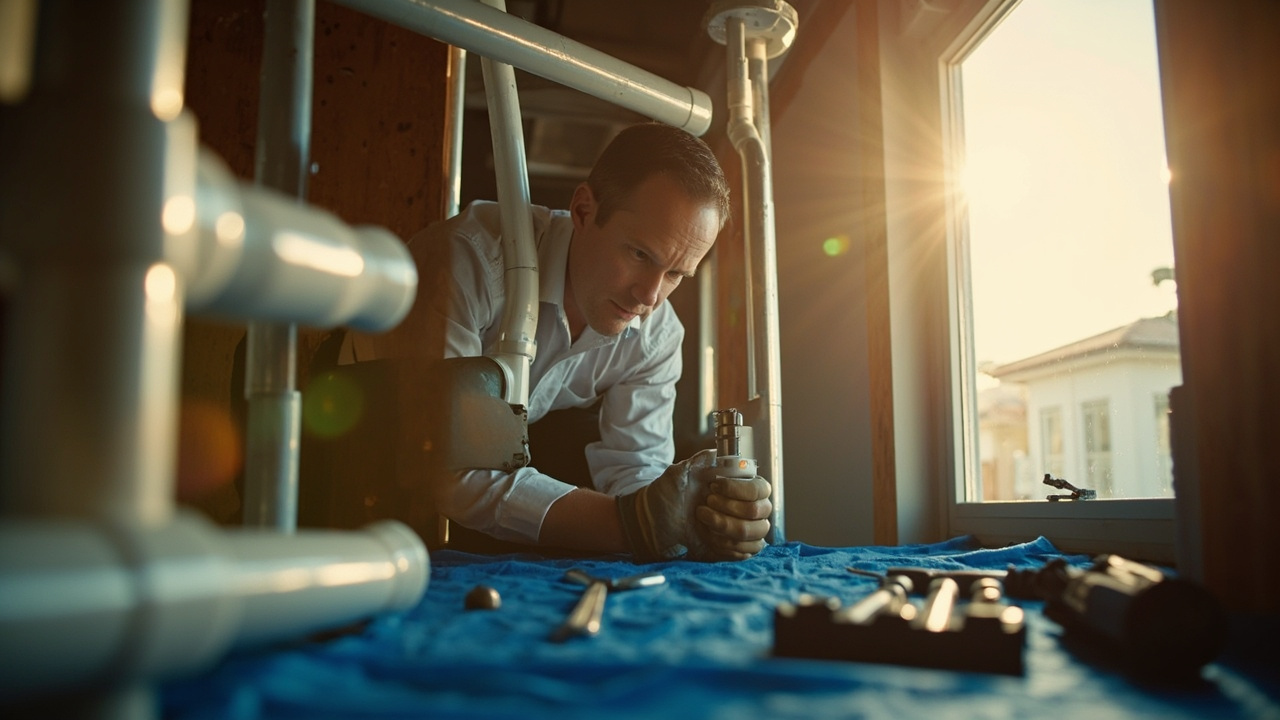
We shut off your main water supply and drain the system. Our crew installs new trunk lines from the water meter to your water heater and main distribution manifold, then runs branch lines to each fixture. We use expansion-fit PEX connections or soldered copper joints depending on your system design. Every section is pressure-tested before concealment. We install new shut-off valves at every fixture for future maintenance access. Most residential repiping projects take three to five days depending on square footage and the number of fixtures.
03

Final Inspection and Restoration

After the city inspector approves the rough plumbing, we restore water service and test flow rates at every fixture. Our team patches drywall access points with matching texture and prepares surfaces for paint. You receive documentation of all permit sign-offs, pressure test results, and a diagram of your new plumbing layout. We walk you through the location of every new shut-off valve so you can isolate sections of your home if needed. Your water pressure stabilizes, discoloration disappears, and you gain peace of mind.

Why Los Angeles Property Owners Choose A Plus Plumbing Los Angeles for Full Home Repiping

Repiping is one of the largest plumbing investments you will make. You need a contractor who understands Los Angeles building codes, knows how to work with the Department of Building and Safety, and has experience with the diverse housing stock across the county, from Craftsman bungalows in Pasadena to Spanish Colonial Revival homes in Silver Lake.

We have repiped hundreds of homes across Los Angeles County. We know the quirks of homes built in different eras. Post-war tract homes in the San Fernando Valley often have slab foundations with embedded copper that corrodes from soil contact. Hillside homes in Echo Park and Mount Washington require specialized routing to account for steep grade changes and limited crawl space access. Older apartments in Koreatown and Downtown often have galvanized steel risers that need replacement without disrupting tenant occupancy.

Our crews carry active C-36 plumbing contractor licenses and pull permits for every repiping project. We coordinate inspections, provide code-compliant installation, and ensure your property maintains its insurability and resale value. Many homeowners discover during escrow that their insurance will not renew coverage on homes with polybutylene or failing galvanized piping. Whole house pipe replacement resolves these insurability issues and adds documented value to your property.

We also work directly with property managers and commercial building owners who need to repipe multi-unit buildings while tenants remain in place. We schedule work in phases, maintain water service to occupied units, and minimize disruption to daily operations. For commercial properties, we provide after-hours and weekend installation to avoid impacting business hours.

You are not hiring a handyman with a pipe cutter. You are hiring a licensed plumbing contractor with the experience, bonding, and technical knowledge to replace your entire plumbing system correctly.

What to Expect When You Schedule a Whole Home Repiping Project

Project Timeline and Scheduling

Most single-family home repiping projects take three to five days from start to finish. Multi-story homes or properties with complex layouts may require up to seven days. We schedule work in continuous blocks to minimize the time your water is shut off. You will have water service restored at the end of each workday unless we are in the middle of a critical pressure test. For multi-unit buildings, we phase the work by unit or floor to keep water service active in unaffected areas. We provide a detailed project schedule during the estimate so you can plan accordingly.

Initial Assessment and Planning

Your project starts with a comprehensive plumbing inspection. We test water pressure at multiple fixtures, inspect your existing pipe material and routing, and identify any secondary issues like outdated water heaters or corroded shut-off valves. We take measurements and photos to design the most efficient routing plan. You receive a written estimate that breaks down materials, labor, permit fees, and drywall restoration. We explain which walls need access points and show you how we will route new supply lines. There are no surprise costs once the project begins.

Quality of Materials and Installation

We install Uponor PEX-A or Viega PEX piping for flexibility and durability, or Type L copper for projects requiring metal piping. All fittings are lead-free and meet California plumbing code standards. We pressure-test every section to 150 PSI before concealment, which is double the operating pressure in Los Angeles. Every connection is made by a licensed journeyman plumber, and all work is inspected by the city before walls are closed. You receive a system that will last 50 years or more without the corrosion, leaks, and pressure loss that plagued your old piping.

Post-Installation Support and Documentation

After final inspection approval, we provide you with copies of all permits, inspection sign-offs, and pressure test documentation. We also give you a diagram showing the location of your new shut-off valves and main supply lines. This documentation is critical for future maintenance, remodeling projects, and property sales. If you experience any issues with water pressure or fixture performance after installation, we return to diagnose and resolve the issue at no additional cost. Our work is backed by manufacturer warranties on materials and our labor warranty on installation.

Frequently Asked Questions

You Have Questions,
We Have Answers

How much does it cost to repipe a whole house? +

Whole home repiping costs vary based on house size, pipe material, and access complexity. For a typical Los Angeles home, expect several thousand dollars minimum, with larger homes or challenging layouts costing more. Older homes in neighborhoods like Silver Lake or Echo Park often require additional wall repair work. Copper piping costs more upfront than PEX, but both meet LA building codes. Factors include number of bathrooms, stories, concrete slab versus crawl space access, and permit fees. Get multiple written estimates from licensed plumbers familiar with Los Angeles County requirements. Most projects take three to five days.

How much for a full replumb? +

A full replumb is the same as whole home repiping. The cost depends on your home's square footage, number of fixtures, pipe material choice, and structural access. Los Angeles homes built before 1970 often have galvanized steel or outdated copper that needs complete replacement. Two-story homes cost more than single-story due to wall access. Slab foundations common in LA require different techniques than raised foundations. Material choice matters: PEX offers flexibility and cost savings, while copper provides longevity. Always verify your plumber holds proper California licensing and pulls required permits through the LA Department of Building and Safety.

How much does it cost to plumb a 2000 sq ft house? +

Repiping a 2000 square foot house depends on layout, number of bathrooms, and existing plumbing access. A typical 2000 square foot Los Angeles home with two to three bathrooms will take three to five days. Homes in areas like West Adams or Highland Park with plaster walls require more careful access and restoration. Single-story homes with crawl space access cost less than two-story homes or slab foundations. Material choice affects price, with PEX being budget-friendly and copper lasting decades. Expect drywall patching, potential stucco repair, and full pressure testing. Request detailed quotes including wall restoration and permit fees.

How do I prepare my whole house for a repipe? +

Prepare for repiping by clearing access to all plumbing fixtures and walls. Remove items from cabinets under sinks and around water heaters. Cover furniture near work areas with plastic sheeting. Expect limited water access during installation, so fill containers for drinking and basic needs. In Los Angeles, you will need permits through the Department of Building and Safety, which your licensed plumber should handle. Plan for noise and dust, especially when accessing walls. If you have older tile or plaster common in historic LA neighborhoods, discuss wall restoration upfront. Schedule pet care and inform neighbors about temporary water shutoffs.

Is repiping your house worth it? +

Repiping is worth it when you face frequent leaks, low water pressure, discolored water, or outdated materials like galvanized steel or polybutylene. Los Angeles homes built before 1970 often need repiping to prevent catastrophic failures that cause water damage and mold. New plumbing increases home value, improves water quality, and prevents emergency repairs that cost more long-term. It also addresses hard water issues common in LA by allowing whole-house filtration installation. If you plan to stay in your home five-plus years or are preparing to sell, repiping protects your investment and meets buyer expectations.

Does repiping lower insurance? +

Repiping can lower homeowners insurance in Los Angeles, but it depends on your carrier and policy. Insurance companies view updated plumbing as reduced risk for water damage claims, which are expensive. Homes with outdated galvanized steel or polybutylene pipes often face higher premiums or coverage limitations. After repiping, request a reassessment and provide documentation showing new materials, permits, and final inspection approval from LA County. Some insurers offer discounts immediately, others during renewal. Newer plumbing also prevents claims that could spike your rates. Contact your insurance agent with inspection certificates to explore potential savings.

How often should you replumb a house? +

Replumb a house when pipes fail, not on a fixed schedule. Galvanized steel pipes common in pre-1960s Los Angeles homes last 40 to 70 years before corroding internally. Copper lasts 50-plus years but can fail earlier with aggressive water chemistry. PEX is newer but rated for 50 years minimum. Signs you need replumbing include frequent leaks, rust-colored water, low pressure, or visible corrosion. Los Angeles hard water accelerates pipe degradation. If your home is 50-plus years old and still has original plumbing, schedule an inspection. Proactive repiping prevents emergency failures that cause flooding and structural damage.

How much to replumb a 3 bathroom house? +

Replumbing a three-bathroom house costs more than smaller homes due to additional fixtures and supply lines. In Los Angeles, expect the project to take four to six days depending on home layout and foundation type. Homes with slab foundations require careful planning to access pipes beneath concrete. Material choice affects cost, with PEX being economical and copper more expensive but durable. Three bathrooms mean more shut-off valves, drain lines, and fixture connections. Older LA homes in areas like Koreatown or Mid-City may need additional wall and ceiling repair. Get itemized estimates including permits, materials, labor, and restoration work.

Which piping is the most expensive part of a plumbing system? +

The most expensive plumbing components are typically the main water line and sewer lateral connections. In Los Angeles, replacing the main line from the street to your home involves excavation, permits, and potential sidewalk or driveway restoration. Copper material costs more than PEX, but labor drives overall expense. Complex manifold systems with individual fixture shut-offs add cost but provide control. Two-story homes require more vertical piping and labor. Older LA homes may need seismic shut-off valve installation per code. Water heater relocation or upgrade adds expense. The bulk of repiping cost comes from skilled labor, wall access, and proper restoration.

How often should plumbing be replaced in a house? +

Replace plumbing based on material lifespan and condition, not arbitrary timelines. Galvanized steel pipes last 40 to 70 years, copper 50-plus years, and PEX 50-plus years. In Los Angeles, homes built before 1970 likely need inspection or replacement. Hard water common throughout LA County accelerates corrosion and mineral buildup. Watch for warning signs like leaks, low pressure, discolored water, or visible pipe corrosion. Schedule a professional inspection if your home is 40-plus years old with original plumbing. Proactive replacement prevents emergency failures, water damage, and mold growth in walls and ceilings.

How Los Angeles Hard Water and Seismic Activity Accelerate the Need for Whole House Repiping

Los Angeles receives its water from the Colorado River Aqueduct and the California State Water Project, both of which deliver hard water with high mineral content. This water leaves calcium and magnesium deposits inside pipes, which narrow the interior diameter and reduce flow rates over time. Galvanized steel pipes are especially vulnerable because the zinc coating deteriorates, exposing the underlying steel to corrosion. Combine this with seismic activity from the Puente Hills, Santa Monica, and Hollywood faults, and you get micro-fractures in rigid piping that lead to sudden failures. PEX piping flexes during ground movement, which makes it the preferred material for replumbing homes in earthquake zones.

The Los Angeles Department of Building and Safety requires permits for all whole house pipe replacement projects. Inspectors verify that new piping meets current code for material type, support spacing, and pressure ratings. Many homeowners attempt to repipe incrementally without permits, which creates liability issues and complicates future property sales. Working with a licensed contractor who pulls permits and schedules inspections protects your investment and ensures code compliance. For homes in HPOZ districts, additional review by the Office of Historic Resources may be required to preserve the architectural character of your property while upgrading the plumbing infrastructure.
Plumbing Services in The Los Angeles Area

Discover where we operate and easily locate our office or service areas on the map below. Whether you're planning routine maintenance or dealing with an urgent plumbing issue, you’ll see we’re right in your neighborhood. Use the interactive map to view service zones, our central office location, and nearby landmarks. You can zoom in for detailed directions or get contact info directly—with just a click, get directions to meet our skilled plumbing team in person.

Address:
A Plus Plumbing Los Angeles, 6080 Center Dr, Los Angeles, CA, 90045

Additional Services We Offer

Our news updates

Latest Articles & News from The Blogs

Blue and Green Stains in Your Larchmont Village Sinks (What It Means for Your Pipes) Those blue-green streaks on your…

Blue and Green Stains in Your Larchmont Village Sinks (What It Means for Your Pipes)

Blue and Green Stains in Your Larchmont Village Sinks (What It Means for Your Pipes) Those blue-green streaks on your…

Why Toluca Lake Sellers Should Get a Sewer Scope Done Before Listing Their Property

Why Toluca Lake Sellers Should Get a Sewer Scope Done Before Listing Their Property Selling your home in Toluca Lake…

Water Softeners vs Salt-Free Conditioners for Dealing With Porter Ranch Hard Water

Water Softeners vs Salt-Free Conditioners for Dealing With Porter Ranch Hard Water Porter Ranch residents know the frustration of hard…

Contact Us

Stop dealing with recurring leaks, low water pressure, and discolored water. Call A Plus Plumbing Los Angeles at (213) 449-7577 to schedule a comprehensive plumbing inspection. We provide detailed estimates, pull all permits, and restore your plumbing system with minimal disruption to your home.