



menu

Hydro Jetting vs. Snaking in Los Angeles – Get the Right Fix for Your Drain Problem

Not all drain clearing methods work the same. Learn when water jetting eliminates buildup completely and when a plumbing snake gets the job done faster for your Los Angeles property.

Slider Image 1
Slider Image 2
Slider Image 3
Slider Image 4
Slider Image 5
Slider Image 7
Slider Image 8
Slider Image 9
Slider Image 10
Slider Image 11

Why Drain Clearing Method Matters in Los Angeles

You have a clogged drain. A plumber offers two options: hydro jetting or snaking. Most homeowners pick based on price alone, then watch the same clog return in three months.

The difference between hydro jetting and snaking is not about which tool costs less. It is about matching the right method to your specific blockage. Los Angeles properties face unique drainage challenges. Older homes in neighborhoods like Silver Lake and Echo Park have cast iron pipes installed in the 1920s and 1930s. Tree roots from mature sycamores and ficus trees infiltrate these aging lines. Grease buildup accumulates faster in commercial kitchens across Koreatown and Downtown. Hard water deposits from the Metropolitan Water District system create mineral scaling inside pipes.

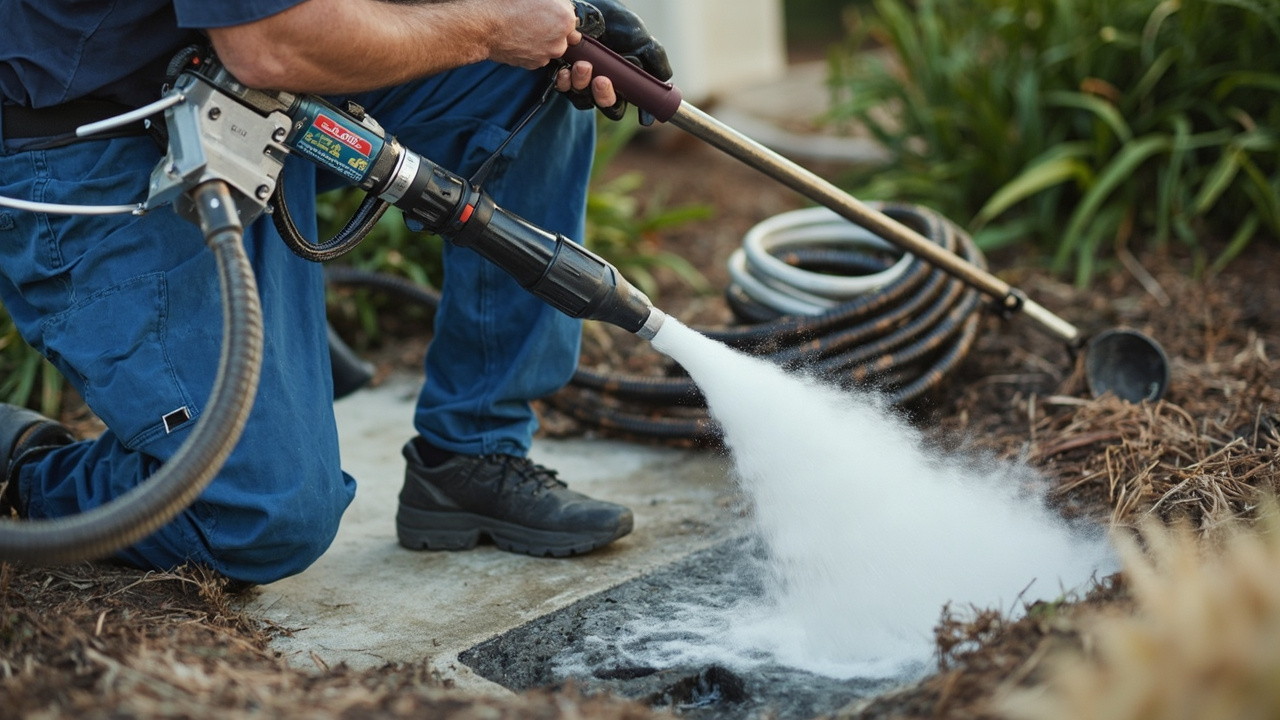
A drain snake is a flexible metal cable that punches through clogs. It creates a hole but leaves residue on pipe walls. Hydro jetting uses high-pressure water streams up to 4,000 PSI to scour pipes completely clean. The hydro jet vs drain snake decision hinges on what caused your blockage and the condition of your pipes.

Snaking works for simple stoppages like hair clogs in bathroom drains or isolated food debris. Water jetting removes years of accumulated grease, soap scum, mineral deposits, and invasive roots. If your drain backs up every few months, you likely need hydro jetting. If this is your first clog in a newer home, a snake may solve it.

The pros and cons of hydro jetting vs snaking are straightforward. Snaking is faster and cheaper for minor clogs but offers temporary relief. Jetting is more thorough but requires camera inspection first to ensure your pipes can handle the pressure. Fragile or severely corroded pipes can rupture under hydro jet force.

Understanding plumbing snake vs water jetting saves you from paying twice for the same problem.

Why Drain Clearing Method Matters in Los Angeles
How Each Method Actually Works

How Each Method Actually Works

A plumbing snake, also called a drain auger or rooter, feeds a coiled metal cable into your drain line. The technician rotates the cable manually or with a motor. The cutting head at the cable tip bores through the obstruction, breaking it apart or hooking it for removal. Snakes come in different sizes. Handheld drum augers handle sink and tub drains. Sectional machines with interchangeable cables clear main sewer lines up to 100 feet.

The snake creates a passage through the clog but does not remove the material coating your pipe walls. Picture pushing a pencil through peanut butter. You create a hole, but the peanut butter remains. Grease, scale, and root fragments stay attached to the pipe interior. Water flows again, but buildup continues accumulating.

Hydro jetting vs rooter technology represents a complete cleaning approach. The jetting machine pumps water through a specialized hose tipped with a multi-directional nozzle. Rear-facing jets propel the hose forward through the pipe. Forward and side jets blast debris loose and flush it toward the main sewer. The water pressure adjusts from 1,500 to 4,000 PSI depending on pipe material and blockage severity.

Before jetting, technicians perform a video camera inspection. The camera reveals pipe condition, identifies the blockage type, and locates any cracks or weak points. Jetting damaged pipes can cause them to fail. Cast iron pipes with significant corrosion, Orangeburg fiber pipes, or lines with existing cracks are poor jetting candidates.

The hydro jet vs drain snake choice depends on your specific situation. Snaking clears immediate blockages quickly. Jetting prevents future clogs by restoring pipes to near-original diameter. For restaurants with grease traps or homes with recurring root intrusion, jetting delivers long-term value. For occasional hair clogs or foreign objects, snaking provides a cost-effective solution.

Proper diagnosis determines the right tool.

What Happens During Your Drain Service

Hydro Jetting vs. Snaking in Los Angeles – Get the Right Fix for Your Drain Problem
01

Initial Diagnostic Assessment

The technician arrives and asks about your drain history. When did it start backing up? How often does it clog? What have you tried? These questions reveal patterns. A camera inspection follows for main line issues. The camera shows exactly what blocks your pipe and whether your lines can withstand jetting pressure. This diagnostic phase prevents guesswork and identifies the most effective clearing method for your specific situation.
02

Method Selection and Execution

Based on camera findings, the technician recommends snaking or jetting. For snaking, they feed the cable through a cleanout or drain opening, breaking through the obstruction and extracting debris. For jetting, they insert the high-pressure hose and systematically clean the entire pipe length. The nozzle design varies by blockage type. Root-cutting nozzles handle invasive vegetation. Grease nozzles use higher temperatures and specific spray patterns for kitchen lines.
03

Verification and Prevention Plan

After clearing, the technician runs water to confirm proper drainage. For jetting jobs, a follow-up camera inspection documents the clean pipe interior. You see the before and after footage. The technician explains what caused your blockage and recommends a maintenance schedule. Properties with mature trees may need annual jetting. Homes with newer PVC lines might only need snaking every few years. You leave with a clear prevention strategy.

Why Los Angeles Properties Need Local Drain Expertise

Los Angeles has some of the oldest residential plumbing infrastructure in California. Homes built before 1960 often have cast iron or clay sewer laterals. These materials corrode and crack over time. Tree roots seek moisture and nutrients, infiltrating through pipe joints and fractures. The city's 10,000 miles of public sewers connect to millions of private laterals, each with unique conditions.

A Plus Plumbing Los Angeles understands these local variables. We know that properties in the Hollywood Hills face different drainage challenges than beach communities in Playa del Rey. Hillside homes deal with shifting soil and increased water pressure from elevation changes. Coastal areas battle saltwater corrosion and higher humidity that accelerates pipe deterioration.

Local expertise matters when choosing between hydro jetting and snaking. A technician unfamiliar with Los Angeles plumbing might recommend jetting on a fragile Orangeburg pipe, causing a catastrophic failure. Orangeburg, a fiber-based pipe material, was common in Los Angeles construction from the 1940s through 1970s. It collapses under jetting pressure.

We factor in your building era, neighborhood, and known regional issues before recommending a clearing method. Properties near Griffith Park or Elysian Park have aggressive root systems from eucalyptus and oak trees. Commercial buildings downtown face grease accumulation from decades of restaurant use. Apartment complexes in the San Fernando Valley experience higher than average main line stoppages from tenant misuse.

Our technicians carry both snaking and jetting equipment on every truck. The decision happens on-site after inspection, not before we arrive. This flexibility ensures you get the right solution, not the solution we happened to bring that day.

You want your drain cleared correctly the first time. Local knowledge prevents expensive mistakes and repeat service calls.

What to Expect From Your Drain Clearing Service

Response Time and Scheduling

We arrive within two hours for emergency drain backups. Sewage backing into your home or business requires immediate attention. Non-emergency service schedules within 24 hours. Most drain clearing jobs take between one and three hours depending on blockage severity and pipe length. Main sewer line jetting requires more time than a simple bathroom sink snake. We provide time estimates after the initial camera inspection. You know exactly how long the service will take before work begins.

Camera Inspection Process

Video camera inspection happens before any main line clearing. The waterproof camera travels through your pipes, transmitting live footage to a monitor. You watch alongside the technician. The camera identifies blockage location, pipe material, interior condition, and any structural damage. This visual evidence guides the clearing method decision. The inspection also reveals problems snaking or jetting cannot fix, like collapsed pipe sections or severe corrosion requiring replacement. The camera footage saves to a USB drive for your records.

Clearing Results and Confirmation

After clearing, we test drainage by running water through all affected fixtures. Proper flow confirms blockage removal. For hydro jetting jobs, we perform a second camera pass. The follow-up footage shows your clean pipe interior. You see the difference between the clogged before state and scoured after condition. This documentation proves the work quality and establishes a baseline for future reference. If drainage issues persist after clearing, we investigate further at no additional diagnostic charge.

Maintenance Recommendations

Based on your camera inspection findings, we create a maintenance plan. Properties with root intrusion benefit from annual hydro jetting to prevent regrowth. Homes with older cast iron pipes may need biannual inspections to monitor corrosion progression. Commercial kitchens should schedule quarterly jetting to manage grease buildup before it causes backups. We explain what caused your blockage and how to minimize future occurrences. Maintenance plans prevent emergency service calls and extend your plumbing system lifespan.

Frequently Asked Questions

You Have Questions,
We Have Answers

Is hydro jetting worth the cost? +

Yes, hydro jetting is worth the cost for severe clogs or recurring blockages. While snaking costs less upfront, it only punches a hole through the clog. Hydro jetting scours the entire pipe wall, removing grease, scale, and tree roots completely. In Los Angeles, where older cast iron and clay sewer lines are common, hydro jetting extends the time between service calls and prevents backups. If you face chronic slow drains or frequent clogs, hydro jetting saves money long-term by addressing the root cause, not just the symptom.

What are the signs I need hydro jetting? +

You need hydro jetting if drains back up repeatedly after snaking, multiple fixtures drain slowly at once, or you notice sewage odors. Gurgling sounds from toilets or drains signal a partial blockage deeper in the line. In Los Angeles, mature trees like ficus and sycamore send roots into sewer laterals, causing stubborn clogs that snaking cannot fully remove. If your home was built before 1980 and still has original cast iron or clay pipes, hydro jetting clears decades of grease buildup and corrosion that trap debris.

Is hydro jetting safe for old pipes? +

Hydro jetting is generally safe for old pipes if a plumber performs a video inspection first. In Los Angeles, many homes have aging Orangeburg, clay, or deteriorated cast iron sewer lines. A camera inspection reveals cracks, collapses, or severe corrosion before jetting begins. If the pipe is structurally sound, hydro jetting removes buildup without damage. However, if the line is compromised, high-pressure water can worsen existing cracks. A qualified plumber adjusts pressure based on pipe material and condition, ensuring safe and effective cleaning without risking further deterioration.

Does hydro jetting have any disadvantages? +

Hydro jetting has few disadvantages, but it costs more than snaking and requires specialized equipment. It is not suitable for pipes with existing damage, cracks, or collapses, as high-pressure water can worsen structural issues. In Los Angeles, older homes with fragile Orangeburg or severely corroded cast iron lines may need pipe replacement instead. Hydro jetting also requires access to a cleanout, which some properties lack. If your plumbing system is already compromised or you need a quick, budget fix for a simple clog, snaking may be the better short-term option.

How much do plumbers charge to hydrojet? +

Plumbers in Los Angeles typically charge between $350 and $600 for hydro jetting, depending on the severity of the clog, pipe length, and accessibility. If a video inspection is needed first, expect an additional fee. Residential mainline jetting costs less than commercial jobs. Emergency or after-hours service increases the price. Complex clogs caused by tree roots or decades of grease buildup take longer and cost more. Geographic factors matter too. Homes in older Los Angeles neighborhoods with long sewer laterals or difficult cleanout access may see higher pricing due to labor and equipment demands.

Why do plumbers say not to use drain cleaner? +

Plumbers advise against drain cleaner because it damages pipes and creates hazardous conditions. Chemical cleaners generate heat that can warp PVC, corrode cast iron, and weaken pipe joints over time. In Los Angeles, where many homes have mixed plumbing materials and older systems, repeated use accelerates deterioration. Drain cleaner also sits in the pipe if the clog does not clear, exposing plumbers to caustic fumes and burns during repairs. It rarely removes the underlying cause, like grease buildup or tree roots, so clogs return quickly. Mechanical cleaning is safer and more effective.

Can hydro jetting prevent future blockages? +

Yes, hydro jetting prevents future blockages by removing the buildup that traps debris. Unlike snaking, which leaves residue on pipe walls, hydro jetting scours away grease, soap scum, mineral scale, and small root intrusions. In Los Angeles, where hard water and mature landscaping contribute to sewer line problems, hydro jetting resets your pipes to near-original flow capacity. For homes with recurring clogs, scheduling hydro jetting every one to three years keeps lines clear and reduces emergency calls. It is preventive maintenance that extends the life of your plumbing system and avoids costly backups.

What is the strongest thing to unclog a drain? +

The strongest drain clearing method is hydro jetting, which uses pressurized water up to 4,000 PSI to obliterate clogs and scour pipe walls clean. Chemical drain cleaners are caustic but weak against grease, roots, and scale. Snaking physically breaks through clogs but leaves residue behind. In Los Angeles, where tree roots and decades-old grease plague older sewer laterals, hydro jetting is the only solution that fully restores flow. For severe blockages or recurring problems, hydro jetting is the most effective long-term fix. Always pair it with a video inspection to ensure the pipe can handle the pressure.

Is sewer line damage covered by homeowners insurance? +

Sewer line damage is rarely covered by standard homeowners insurance unless caused by a covered peril like a tree falling on the line. Gradual wear, root intrusion, and aging pipes are considered maintenance issues, not sudden accidents. In Los Angeles, where many homes have older clay or cast iron sewer laterals, damage from normal deterioration is your responsibility. Some insurers offer optional sewer line endorsements or service line coverage for an additional premium. Review your policy or contact your agent to understand your coverage. Regular maintenance, like hydro jetting, reduces the risk of costly failures.

How much do plumbers charge to snake a sewer line? +

Plumbers in Los Angeles typically charge between $100 and $250 to snake a sewer line, depending on clog severity, access, and time required. Simple clogs near the cleanout cost less, while blockages deep in the mainline or requiring roof vent access cost more. Emergency or after-hours service increases pricing. Snaking is cheaper than hydro jetting but only creates a hole through the blockage. If you face recurring clogs, snaking becomes a temporary fix that requires repeated service calls. For chronic problems or heavy buildup, hydro jetting is more cost-effective long-term despite the higher upfront price.

How Los Angeles Tree Roots and Aging Infrastructure Affect Your Drain Clearing Choice

Los Angeles has over 10 million trees across 469 square miles. Species like ficus, sycamore, and pepper trees have invasive root systems that seek water sources. These roots penetrate sewer laterals through joints and cracks, creating dense blockages that regenerate quickly after snaking. Properties built before 1980 often have clay or cast iron sewer lines with mechanical joint connections. These joints allow root entry points every 10 feet. The city's Mediterranean climate means minimal freezing, so roots remain active year-round. A drain snake cuts through roots temporarily, but they regrow within months. Hydro jetting removes root intrusions more completely and delays regrowth for 18 to 24 months. The pressure also clears the mineral scaling common in Los Angeles water supply.

A Plus Plumbing Los Angeles has cleared drains across every neighborhood from Pacific Palisades to Boyle Heights for over two decades. We understand the plumbing characteristics of different construction eras. Homes in Windsor Square have different pipe materials than apartments in North Hollywood. This knowledge prevents service errors. We know which pipes can handle jetting pressure and which require gentler snaking. Our technicians train specifically on Los Angeles plumbing code requirements and building department standards. When your drain backs up, you want someone who recognizes your property type instantly and knows the most likely cause. Local expertise eliminates guesswork and delivers faster, more effective solutions.
Plumbing Services in The Los Angeles Area

Discover where we operate and easily locate our office or service areas on the map below. Whether you're planning routine maintenance or dealing with an urgent plumbing issue, you’ll see we’re right in your neighborhood. Use the interactive map to view service zones, our central office location, and nearby landmarks. You can zoom in for detailed directions or get contact info directly—with just a click, get directions to meet our skilled plumbing team in person.

Address:
A Plus Plumbing Los Angeles, 6080 Center Dr, Los Angeles, CA, 90045

Additional Services We Offer

Our news updates

Latest Articles & News from The Blogs

Everything You Need to Know About Sewer Connections for a Valley Village ADU Adding an accessory dwelling unit to your…

Everything You Need to Know About Sewer Connections for a Valley Village ADU

Everything You Need to Know About Sewer Connections for a Valley Village ADU Adding an accessory dwelling unit to your…

How to Get Rid of That Sulfur Smell in Your Van Nuys Water Heater

How to Get Rid of That Sulfur Smell in Your Van Nuys Water Heater \p>If your hot water smells like…

Why Replacing Plastic Supply Lines With Braided Stainless Steel Can Save Your Toluca Lake Home From Water Damage

Why Replacing Plastic Supply Lines With Braided Stainless Steel Can Save Your Toluca Lake Home From Water Damage Water damage…

Contact Us

Stop paying for temporary fixes that fail in three months. Call A Plus Plumbing Los Angeles at (213) 449-7577 for expert drain clearing. We diagnose your specific blockage and use the right method to solve it permanently.