
How Palm Tree Roots Specifically Damage Miracle Mile Sewer Lines
Miracle Mile homeowners face a unique plumbing threat that many don’t recognize until it’s too late. Palm tree roots invade sewer lines through microscopic cracks, expanding rapidly in Los Angeles’ dry climate where they hunt for moisture. These fibrous root systems can completely block pipes within months, causing sewage backups and expensive emergency repairs. Los Angeles Department of Building and Safety.
The combination of aging clay sewer pipes common in Miracle Mile’s mid-century homes and the aggressive water-seeking behavior of Mexican Fan Palms creates a perfect storm for plumbing disasters. Understanding this specific threat helps you protect your property before costly damage occurs. Sewer Line Repair Experts for Older Homes in Pasadena.
Why Miracle Mile Palms Target Your Sewer Lines
Mexican Fan Palms and Queen Palms dominate Miracle Mile’s landscape, but their root structures differ dramatically from typical shade trees. These palms develop extensive fibrous root systems that spread horizontally rather than growing deep. In Los Angeles’ arid climate, these roots detect even the smallest moisture sources and aggressively pursue them.
Miracle Mile’s sewer infrastructure presents an irresistible target. Many homes built between 1940-1970 contain clay pipes with joints that separate over time. Even hairline cracks release moisture that palm roots detect from several feet away. Once inside, the roots multiply rapidly, creating dense mats that trap debris and completely obstruct flow.
The problem intensifies during drought years when palms become desperate for water. A single mature palm can send thousands of feeder roots searching for moisture, and your sewer line becomes prime real estate. The combination of porous clay material, separated joints, and aggressive root growth creates blockages that standard drain cleaning cannot resolve.
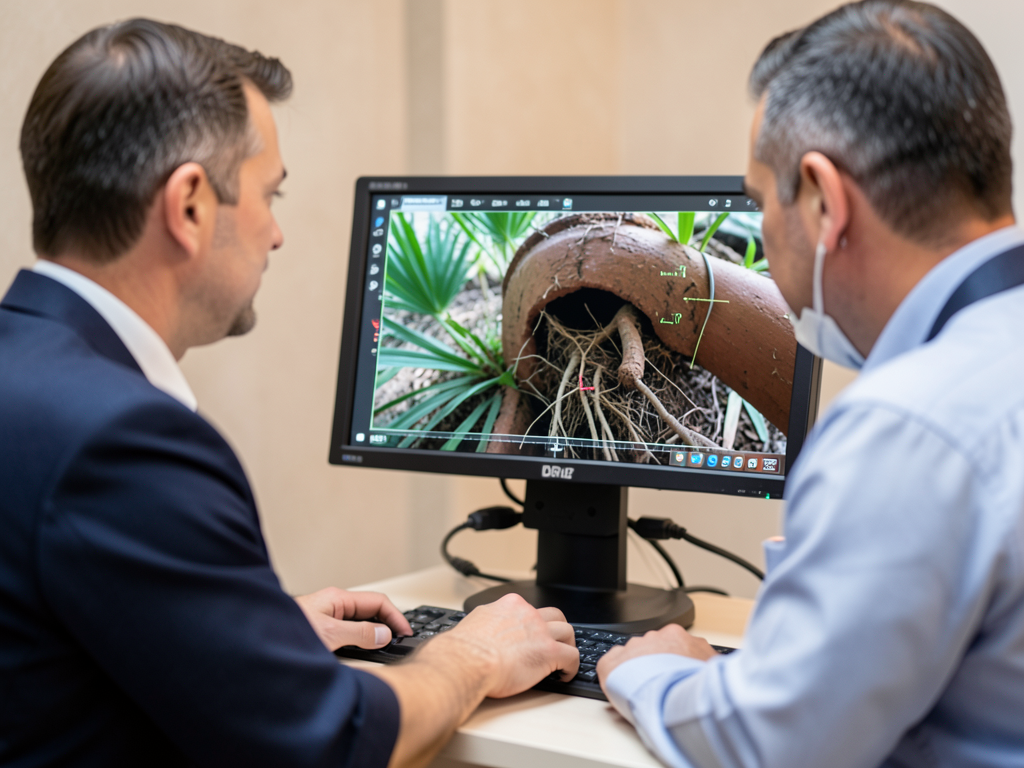
Image Description: Cross-sectional diagram showing palm root intrusion through clay pipe joints, illustrating how fibrous roots enter through separation points and create dense blockages inside sewer lines.
Warning Signs of Palm Root Intrusion
Early detection prevents catastrophic damage. Watch for these specific symptoms that indicate palm roots have invaded your Miracle Mile sewer line. Multiple slow drains throughout your home suggest a main line blockage rather than isolated fixture problems. Gurgling sounds from toilets when other fixtures run indicate air trapped by root masses. Expert Leak Detection Services to Save Your Venice Beach Property.
Sewage odors near floor drains or in your yard signal roots have created cracks allowing gas escape. Unexplained lush patches in your lawn often indicate roots have breached pipes and wastewater nourishes vegetation. Frequent toilet clogs that worsen over time suggest roots trap toilet paper and waste, creating progressive blockages.
The most urgent warning appears as sewage backing up into lower fixtures like basement floor drains or first-floor toilets. This indicates complete blockage requiring immediate professional intervention. Miracle Mile homes with mature palms within 20 feet of sewer lines face the highest risk and should monitor these symptoms closely.
Professional Diagnostic Methods
Accurate diagnosis requires specialized equipment that reveals the exact location and extent of root intrusion. CCTV sewer camera inspections provide the most reliable method for identifying palm root blockages. A waterproof camera attached to a flexible cable travels through your sewer line, transmitting real-time video that shows root locations, pipe condition, and blockage severity. The Most Reliable Tankless Water Heater Installers in Holmby Hills.
Technicians measure root intrusion depth and identify pipe material to determine the best repair approach. The camera reveals whether roots have entered through joints, cracks, or service connections. This visual evidence helps homeowners understand the problem’s scope and make informed repair decisions.
Additional diagnostic tools include smoke testing to identify pipe cracks and leaks that attract roots. Moisture meters detect elevated humidity levels in soil near damaged pipes. These combined methods create a complete picture of root intrusion patterns specific to your property’s unique conditions.
Repair Options for Palm Root Damage
Several repair methods address palm root intrusion, each suited to different damage levels and budget considerations. Hydro-jetting uses high-pressure water streams to cut through root masses and flush debris from pipes. This method works well for recent intrusions but may not prevent rapid regrowth in palms’ aggressive root systems.
Trenchless sewer lining creates a new pipe within the existing damaged line. Technicians insert a resin-coated liner that hardens to form a seamless, root-resistant pipe. This method preserves landscaping and typically costs less than complete replacement while providing long-term protection against future root intrusion.. Read more about Why Cured-In-Place Pipe (CIPP) Lining Is the Smart Alternative to Digging Up Your Studio City Driveway.
Complete pipe replacement becomes necessary when damage extends beyond repairable limits. Modern PVC pipes resist root intrusion better than clay, and proper installation includes root barriers that prevent future problems. While more expensive initially, replacement often proves most cost-effective for severely damaged systems.
Cost Factors for Miracle Mile Repairs
Repair costs vary based on damage extent, pipe accessibility, and chosen repair method. Simple hydro-jetting typically ranges from $300-$600 but may require annual maintenance. Trenchless lining costs $80-$120 per linear foot, making a typical residential repair $3,000-$8,000 depending on pipe length and accessibility.
Complete replacement costs $100-$200 per linear foot, potentially reaching $10,000-$15,000 for extensive systems. Miracle Mile’s mature landscaping and limited yard access often increase costs due to the need for specialized equipment and careful restoration of established gardens and hardscaping.
Emergency services during nights or weekends add premium charges of 25-50%. Insurance coverage varies significantly; while sudden damage might qualify for claims, gradual root intrusion often falls under maintenance exclusions. Many Miracle Mile homeowners discover too late that standard policies don’t cover root-related damage. Emergency Sump Pump Services for Rainy Seasons in Hancock Park.
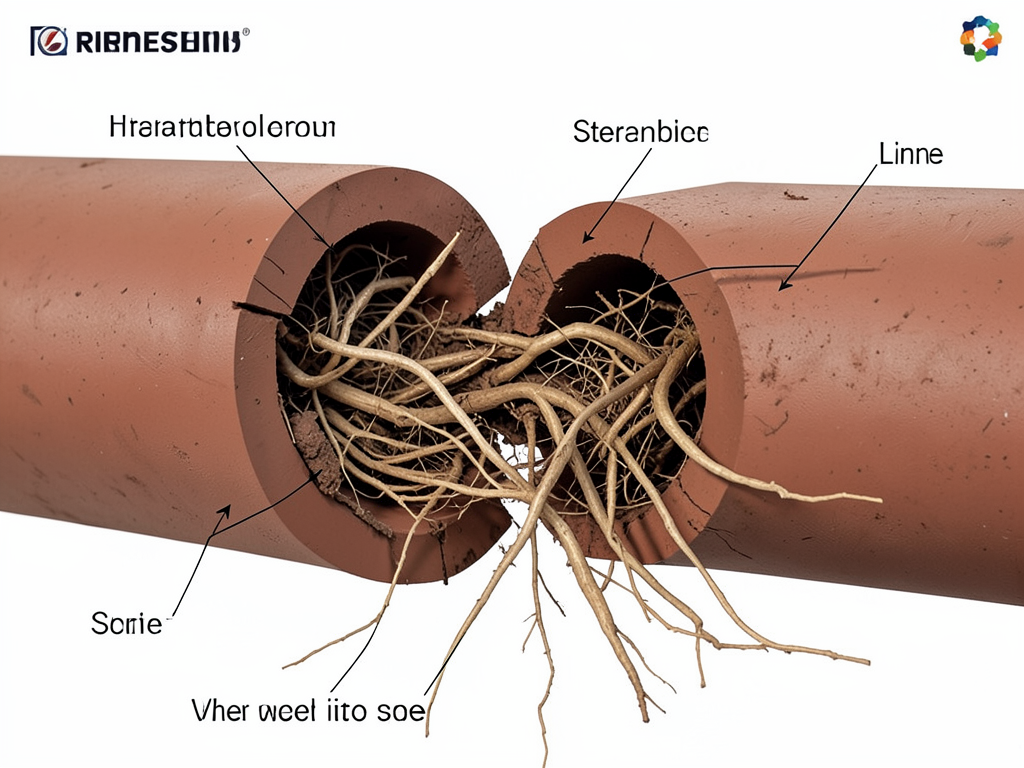
Image Description: Technician operating CCTV sewer camera equipment during inspection, showing the monitor displaying real-time footage of palm roots inside a clay sewer pipe with measurement overlays.
Prevention Strategies for Los Angeles Homes
Preventing palm root intrusion requires understanding local conditions and implementing appropriate barriers. Physical root barriers installed between palms and sewer lines create underground walls that redirect root growth. These barriers extend 18-24 inches deep and should be placed at least 10 feet from both the tree and sewer line.
Chemical treatments containing copper sulfate or metam sodium create zones that discourage root growth near pipes. These treatments require professional application and periodic reapplication, typically every 6-12 months. When used correctly, they reduce root intrusion without harming the tree or surrounding vegetation.
Landscape planning prevents future problems. When installing new palms, maintain minimum 20-foot setbacks from sewer lines. Choose palm species with less aggressive root systems when possible. Regular monitoring of existing trees helps identify potential problems before they cause damage.
Building Code Requirements and Compliance
Los Angeles Municipal Code Section 64.106 mandates specific requirements for sewer line installations and repairs. All work must comply with California Plumbing Code, which requires root-resistant materials for new installations and proper joint sealing techniques that minimize intrusion points. Permits from the Department of Building and Safety are required for most sewer repairs. California Contractors State License Board.
The code specifies minimum pipe depths and materials suitable for Los Angeles’ soil conditions. Modern installations must use SDR 35 PVC or equivalent materials that resist root penetration. Older clay pipes don’t meet current standards and often require replacement during major repairs or property transfers.
Homeowners must also comply with sewer lateral ordinances that make property owners responsible for maintaining pipes from their buildings to the main sewer line. This includes addressing root intrusion and ensuring proper function to prevent environmental contamination and public health issues.
Miracle Mile’s Unique Vulnerability Factors
Miracle Mile’s specific conditions create heightened risk for palm root damage. The neighborhood’s age means most homes have original clay sewer lines approaching 70-80 years old. These pipes were installed before modern root-resistant materials existed and have deteriorated through decades of soil movement and seismic activity.
The area’s mature palm population creates concentrated root pressure on nearby sewer lines. Many palms planted in the 1950s and 1960s have reached sizes that produce extensive root systems. The neighborhood’s relatively dense lot sizes mean roots often extend directly toward sewer lines from adjacent properties.
Miracle Mile’s soil composition affects root behavior. The area’s clay-heavy soil retains moisture longer than sandy soils, creating conditions where roots establish near pipes and expand slowly over years. This gradual growth often goes unnoticed until complete blockage occurs, making prevention and early detection critical.
Insurance and Liability Considerations
Homeowner’s insurance policies typically exclude gradual root damage, considering it a maintenance issue rather than sudden accidental damage. However, some policies cover damage from specific events like earthquakes or if roots cause sudden pipe failure. Understanding your coverage requires reviewing policy details and discussing specific scenarios with your insurance provider.
Commercial properties in Miracle Mile face additional liability concerns. Businesses must maintain sewer lines to prevent backups that could affect neighboring properties or create environmental hazards. Some commercial insurance policies include specific coverage for root damage, but deductibles often exceed $5,000.
Property sellers must disclose known root damage issues during transactions. California law requires disclosure of material defects, and unresolved root problems can derail sales or reduce property values. Proactive repair and documentation of maintenance protect both sellers and buyers.
When to Call a Professional
Certain situations demand immediate professional intervention. Multiple slow drains affecting different fixtures indicate main line problems requiring camera inspection. Sewage backups into any fixture represent emergencies that can cause extensive property damage within hours. Unusual lawn conditions near sewer lines suggest underground leaks requiring immediate attention.
Professional help becomes essential when DIY methods fail. Chemical treatments and mechanical augers often provide temporary relief but cannot address established root masses or structural pipe damage. Professionals have equipment and expertise to diagnose problems accurately and recommend appropriate long-term solutions.
Regular maintenance inspections prevent emergencies. Annual camera inspections for homes with mature palms near sewer lines cost $200-$400 but can identify problems while they remain manageable. This proactive approach typically saves thousands compared to emergency repairs after complete failure.
Choosing the Right Service Provider
Selecting qualified professionals requires verifying specific credentials and experience. California Contractors State License Board (CSLB) licensing ensures contractors meet state requirements for sewer work. Look for contractors with specific experience in trenchless technology and root intrusion repair rather than general plumbing services. Plumbing Glendale.
Request detailed camera inspection reports that include footage, measurements, and specific recommendations. Reputable companies provide written estimates and explain repair options without pressuring immediate decisions. Check references from similar Miracle Mile properties to verify experience with local conditions and building types.
Compare warranty offerings on repairs. Quality trenchless lining typically includes 10-25 year warranties against root intrusion, while hydro-jetting may offer only 90-day guarantees. The warranty length often reflects the repair method’s durability and the contractor’s confidence in their work.
Image Description: Before and after comparison showing severe palm root blockage in clay pipe (before) versus clean, restored pipe after hydro-jetting treatment, with root fragments visible in the removed debris.
Long-term Solutions for Property Protection
Comprehensive protection requires addressing both immediate problems and underlying vulnerabilities. Complete pipe replacement with modern materials eliminates existing damage and prevents future intrusion. This approach costs more initially but provides decades of reliable service without recurring maintenance expenses.
Landscape modification reduces future risks. Removing problem palms near sewer lines or replacing them with less aggressive species prevents recurring issues. Installing proper root barriers during any excavation work creates long-term protection for existing and future plantings.
Regular maintenance programs catch problems early. Scheduled camera inspections, preventive treatments, and prompt attention to warning signs prevent minor issues from becoming major emergencies. Many homeowners find that annual maintenance costs less than a single emergency repair.
Environmental Impact and Responsibility
Sewer line failures affect more than individual properties. Leaking pipes can contaminate groundwater and create public health hazards. Root intrusion that causes pipe separation allows untreated sewage to escape into soil and potentially reach storm drains, violating environmental regulations and creating liability for property owners.
Modern repair methods minimize environmental disruption. Trenchless technology reduces excavation needs, preserving mature landscaping and preventing soil erosion. Proper disposal of removed roots and debris prevents the spread of invasive species and maintains neighborhood aesthetics.
Water conservation efforts in Los Angeles make sewer line integrity even more critical. Efficient plumbing systems reduce water waste, and preventing leaks through proper maintenance supports city-wide conservation goals. Responsible property owners contribute to community environmental health through proper sewer line maintenance.
Frequently Asked Questions
How quickly do palm roots damage sewer lines?
Palm roots can begin causing noticeable damage within 6-18 months of detecting moisture sources. Once inside pipes, roots multiply rapidly, creating complete blockages within 2-3 years if left untreated. Early detection and intervention significantly reduce repair costs and property damage.
Can I prevent palm roots from invading my sewer line?
Yes, prevention methods include installing physical root barriers, using chemical treatments, and maintaining proper landscape distances. Annual camera inspections help detect early intrusion. However, once roots establish inside pipes, professional removal becomes necessary as DIY methods rarely address the full extent of damage.
Who pays for sewer line repairs in Los Angeles?
Property owners are responsible for maintaining sewer laterals from their buildings to the main sewer line. This includes all pipes under private property and often extends into public right-of-way. Some cities offer assistance programs, but most repairs fall to the property owner’s expense.
How do I know if my sewer line is made of clay?
Homes built before 1980 in Miracle Mile likely have clay pipes. You can verify by checking building permits, looking for cleanout caps that indicate pipe material, or scheduling a camera inspection. Clay pipes typically appear orange-brown and have visible joints every 3-4 feet.
Is trenchless repair really better than traditional methods?
Trenchless repair preserves landscaping, completes faster, and typically costs less than traditional excavation. It creates seamless pipes resistant to future root intrusion. However, severely collapsed pipes may still require excavation. A professional camera inspection determines the best approach for your specific situation.
What should I do if I suspect palm root damage?
Stop using affected fixtures immediately to prevent backups. Schedule a professional camera inspection to assess damage extent. Avoid chemical drain cleaners as they can complicate repairs. Document symptoms and any warning signs to help technicians diagnose the problem efficiently.
How much does it cost to remove palm roots from sewer lines?
Costs range from $300 for simple hydro-jetting to $15,000+ for complete replacement. Average repairs cost $3,000-$8,000 depending on damage extent and repair method. Emergency services and difficult access increase costs. Multiple estimates help ensure competitive pricing for your specific situation.
Can I trim palm tree roots myself to prevent damage?
Root trimming without proper knowledge can kill trees or create unstable conditions. Palms rely on their entire root system for stability and health. Professional arborists can assess whether root pruning is appropriate and perform it safely without compromising the tree or your sewer lines.
How often should I inspect my sewer lines if I have palm trees?
Annual camera inspections are recommended for properties within 20 feet of mature palms. More frequent inspections every 6 months may be warranted if you notice warning signs or have known vulnerabilities. Regular monitoring prevents minor issues from becoming major emergencies.
Will removing the palm tree solve my sewer line problems?
Removing the tree addresses the source but doesn’t fix existing damage. Roots already inside pipes continue growing until physically removed. Additionally, stump removal can damage nearby pipes if not performed carefully. Professional assessment determines whether tree removal, pipe repair, or both are necessary.
Take Action Before Disaster Strikes
Palm root damage to sewer lines creates expensive emergencies that disrupt your life and damage your property. Miracle Mile’s unique combination of aging infrastructure and mature palms makes your home particularly vulnerable to this hidden threat. Early detection through professional inspection costs far less than emergency repairs after complete failure.
Don’t wait for sewage backups or multiple slow drains to force your hand. A simple camera inspection reveals your true risk level and helps you plan appropriate prevention or repairs. The peace of mind from knowing your sewer system is protected from palm root intrusion proves invaluable.
Call (213) 449-7577 today to schedule your comprehensive sewer line inspection. Our experienced technicians use advanced camera technology to identify root intrusion, assess pipe condition, and recommend the most cost-effective solutions for your specific situation. Protect your Miracle Mile home from palm root damage before it becomes an emergency.
Early intervention saves thousands in repair costs and prevents the stress of unexpected plumbing emergencies. Pick up the phone and call (213) 449-7577 before the next storm hits or roots expand further into your sewer system. Your home deserves professional protection from this specific Los Angeles threat.
You may also find this helpful. What to Do When Your Historic Carthay Square Bathtub Drains Too Slowly.
You may also find this helpful. Fixing the Sulfur Smell Coming From the Drains in Your Picfair Village Rental.
{
“@context”: “https://schema.org”,
“@type”: “BlogPosting”,
“headline”: “How Palm Tree Roots Specifically Damage Miracle Mile Sewer Lines”,
“description”: “Learn how palm tree roots invade Miracle Mile sewer lines, causing costly damage. Discover diagnostic methods, repair options, and prevention strategies specific to Los Angeles homes.”,
“wordCount”: 2762,
“datePublished”: “2026-05-19T14:07:00.000Z”,
“dateModified”: “2026-05-19T14:07:00.000Z”,
“inLanguage”: “en-US”,
“mainEntityOfPage”: {
“@type”: “WebPage”,
“@id”: “https://aplusplumbinglosangeles.com”
},
“publisher”: {
“@type”: “LocalBusiness”,
“name”: “A Plus Plumbing Los Angeles”,
“url”: “https://aplusplumbinglosangeles.com”
},
“author”: {
“@type”: “Organization”,
“name”: “A Plus Plumbing Los Angeles”,
“url”: “https://aplusplumbinglosangeles.com”
},
“image”: {
“@type”: “ImageObject”,
“url”: “https://aplusplumbinglosangeles.com/wp-content/uploads/2026/03/how-palm-tree-roots-specifically-damage-miracle-mi-1.png”
}
}
{
“@context”: “https://schema.org”,
“@type”: “Plumber”,
“name”: “A Plus Plumbing Los Angeles”,
“url”: “https://aplusplumbinglosangeles.com”,
“address”: {
“@type”: “PostalAddress”,
“addressLocality”: “Los Angeles”
},
“areaServed”: {
“@type”: “City”,
“name”: “Los Angeles”
}
}
{
“@context”: “https://schema.org”,
“@type”: “FAQPage”,
“mainEntity”: [
{
“@type”: “Question”,
“name”: “How quickly do palm roots damage sewer lines?”,
“acceptedAnswer”: {
“@type”: “Answer”,
“text”: “Palm roots can begin causing noticeable damage within 6-18 months of detecting moisture sources. Once inside pipes, roots multiply rapidly, creating complete blockages within 2-3 years if left untreated. Early detection and intervention significantly reduce repair costs and property damage.”
}
},
{
“@type”: “Question”,
“name”: “Can I prevent palm roots from invading my sewer line?”,
“acceptedAnswer”: {
“@type”: “Answer”,
“text”: “Yes, prevention methods include installing physical root barriers, using chemical treatments, and maintaining proper landscape distances. Annual camera inspections help detect early intrusion. However, once roots establish inside pipes, professional removal becomes necessary as DIY methods rarely address the full extent of damage.”
}
},
{
“@type”: “Question”,
“name”: “Who pays for sewer line repairs in Los Angeles?”,
“acceptedAnswer”: {
“@type”: “Answer”,
“text”: “Property owners are responsible for maintaining sewer laterals from their buildings to the main sewer line. This includes all pipes under private property and often extends into public right-of-way. Some cities offer assistance programs, but most repairs fall to the property owner’s expense.”
}
},
{
“@type”: “Question”,
“name”: “How do I know if my sewer line is made of clay?”,
“acceptedAnswer”: {
“@type”: “Answer”,
“text”: “Homes built before 1980 in Miracle Mile likely have clay pipes. You can verify by checking building permits, looking for cleanout caps that indicate pipe material, or scheduling a camera inspection. Clay pipes typically appear orange-brown and have visible joints every 3-4 feet.”
}
},
{
“@type”: “Question”,
“name”: “Is trenchless repair really better than traditional methods?”,
“acceptedAnswer”: {
“@type”: “Answer”,
“text”: “Trenchless repair preserves landscaping, completes faster, and typically costs less than traditional excavation. It creates seamless pipes resistant to future root intrusion. However, severely collapsed pipes may still require excavation. A professional camera inspection determines the best approach for your specific situation.”
}
},
{
“@type”: “Question”,
“name”: “What should I do if I suspect palm root damage?”,
“acceptedAnswer”: {
“@type”: “Answer”,
“text”: “Stop using affected fixtures immediately to prevent backups. Schedule a professional camera inspection to assess damage extent. Avoid chemical drain cleaners as they can complicate repairs. Document symptoms and any warning signs to help technicians diagnose the problem efficiently.”
}
},
{
“@type”: “Question”,
“name”: “How much does it cost to remove palm roots from sewer lines?”,
“acceptedAnswer”: {
“@type”: “Answer”,
“text”: “Costs range from $300 for simple hydro-jetting to $15,000+ for complete replacement. Average repairs cost $3,000-$8,000 depending on damage extent and repair method. Emergency services and difficult access increase costs. Multiple estimates help ensure competitive pricing for your specific situation.”
}
},
{
“@type”: “Question”,
“name”: “Can I trim palm tree roots myself to prevent damage?”,
“acceptedAnswer”: {
“@type”: “Answer”,
“text”: “Root trimming without proper knowledge can kill trees or create unstable conditions. Palms rely on their entire root system for stability and health. Professional arborists can assess whether root pruning is appropriate and perform it safely without compromising the tree or your sewer lines.”
}
},
{
“@type”: “Question”,
“name”: “How often should I inspect my sewer lines if I have palm trees?”,
“acceptedAnswer”: {
“@type”: “Answer”,
“text”: “Annual camera inspections are recommended for properties within 20 feet of mature palms. More frequent inspections every 6 months may be warranted if you notice warning signs or have known vulnerabilities. Regular monitoring prevents minor issues from becoming major emergencies.”
}
},
{
“@type”: “Question”,
“name”: “Will removing the palm tree solve my sewer line problems?”,
“acceptedAnswer”: {
“@type”: “Answer”,
“text”: “Removing the tree addresses the source but doesn’t fix existing damage. Roots already inside pipes continue growing until physically removed. Additionally, stump removal can damage nearby pipes if not performed carefully. Professional assessment determines whether tree removal, pipe repair, or both are necessary.”
}
}
]
}
{
“@context”: “https://schema.org”,
“@type”: “BreadcrumbList”,
“itemListElement”: [
{
“@type”: “ListItem”,
“position”: 1,
“name”: “Home”,
“item”: “https://aplusplumbinglosangeles.com”
},
{
“@type”: “ListItem”,
“position”: 2,
“name”: “Blog”,
“item”: “https://aplusplumbinglosangeles.com/blog”
},
{
“@type”: “ListItem”,
“position”: 3,
“name”: “How Palm Tree Roots Specifically Damage Miracle Mile Sewer Lines”
}
]
}
{
“@context”: “https://schema.org”,
“@type”: “Service”,
“serviceType”: “Plumbing”,
“provider”: {
“@type”: “LocalBusiness”,
“name”: “A Plus Plumbing Los Angeles”,
“url”: “https://aplusplumbinglosangeles.com”
},
“areaServed”: {
“@type”: “City”,
“name”: “Los Angeles”
},
“description”: “Learn how palm tree roots invade Miracle Mile sewer lines, causing costly damage. Discover diagnostic methods, repair options, and prevention strategies specific to Los Angeles homes.”
}