



menu

Complete Plumbing Inspection Checklist for Los Angeles Homeowners – Protect Your Investment Before Small Problems Become Expensive Disasters

A detailed home plumbing inspection list designed specifically for Los Angeles properties, helping you spot warning signs early, prevent water damage, and maintain optimal plumbing performance year-round.

Slider Image 1
Slider Image 2
Slider Image 3
Slider Image 4
Slider Image 5
Slider Image 7
Slider Image 8
Slider Image 9
Slider Image 10
Slider Image 11

Why Los Angeles Homes Need Regular Plumbing Inspections

Los Angeles properties face unique plumbing challenges that homeowners often overlook until the damage becomes visible. The city's hard water supply accelerates mineral buildup in pipes and fixtures, reducing water pressure and shortening equipment lifespan. Older neighborhoods like Silver Lake and Highland Park still have galvanized steel pipes installed before 1960, and these corrode from the inside out. The San Fernando Valley experiences extreme temperature swings that stress water lines, while coastal properties in Santa Monica and Venice deal with salt air corrosion on exposed plumbing components.

A preventative plumbing maintenance checklist helps you catch these issues before they escalate. Most insurance claims for water damage stem from slow leaks that went undetected for months. A pinhole leak in a slab foundation can waste thousands of gallons and compromise structural integrity before you notice dampness. Regular residential plumbing checkup routines identify worn washers, corroded connections, and failing pressure regulators before they fail completely.

Your plumbing system operates under constant pressure, and every component has a finite service life. Water heaters last 8 to 12 years in Los Angeles due to hard water sediment accumulation. Supply line valves seize after years of inactivity. Drain traps dry out during hot summer months, allowing sewer gases into living spaces. A systematic home plumbing inspection list addresses these vulnerabilities methodically, protecting both your property value and your family's health. The difference between a small repair and a catastrophic failure often comes down to routine inspection timing.

Why Los Angeles Homes Need Regular Plumbing Inspections
What a Comprehensive Plumbing System Inspection Covers

What a Comprehensive Plumbing System Inspection Covers

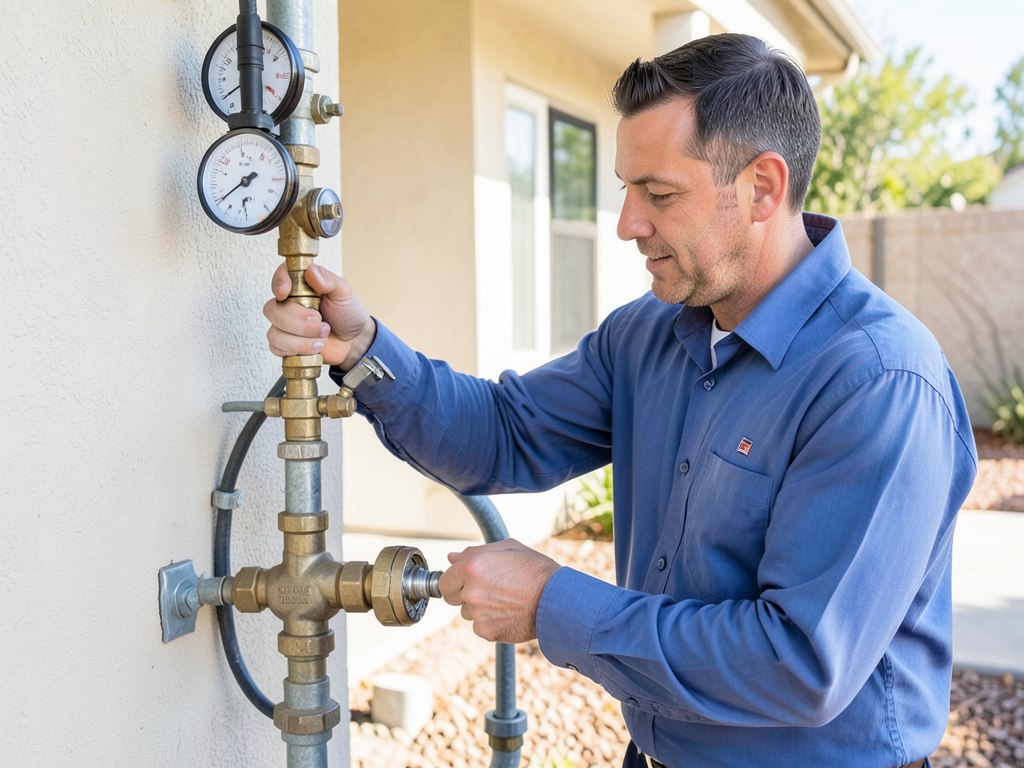
A proper residential plumbing checkup list examines every component of your water supply, drainage, and venting systems. Start at the water meter and main shutoff valve. Check for corrosion, leaks, and accessibility. Many Los Angeles homes have main valves that haven't been turned in decades, and they fail when you need them most during an emergency. Test the pressure regulator output because city water pressure often exceeds safe levels for residential plumbing.

Move to exposed supply lines in the basement, crawl space, or utility areas. Look for water stains, active dripping, and corrosion on copper joints. Polybutylene pipes, common in homes built between 1978 and 1995, become brittle and should be replaced proactively. Check angle stops under sinks and toilets for mineral buildup that prevents complete shutoff. These small valves fail frequently but get ignored until a fixture replacement forces the issue.

Inspect drain lines for slow drainage, which signals partial blockages from grease, hair, or root intrusion. Test each fixture's drainage speed. Pop-up assemblies in bathroom sinks accumulate debris and create standing water that breeds bacteria. P-traps should hold water to block sewer gases, but they can crack or lose their seal. Check the main sewer cleanout access and note any previous backups or slow drainage patterns.

Water heaters require specific attention. Check the temperature setting, test the pressure relief valve operation, and look for corrosion on the tank bottom or connections. Sediment buildup reduces efficiency and capacity. Expansion tanks protect against thermal expansion pressure spikes required by code in closed plumbing systems. Gas water heaters need proper venting and combustion air supply verification to prevent carbon monoxide hazards.

How to Conduct Your Seasonal Plumbing Maintenance Review

Complete Plumbing Inspection Checklist for Los Angeles Homeowners – Protect Your Investment Before Small Problems Become Expensive Disasters
01

Visual Inspection Phase

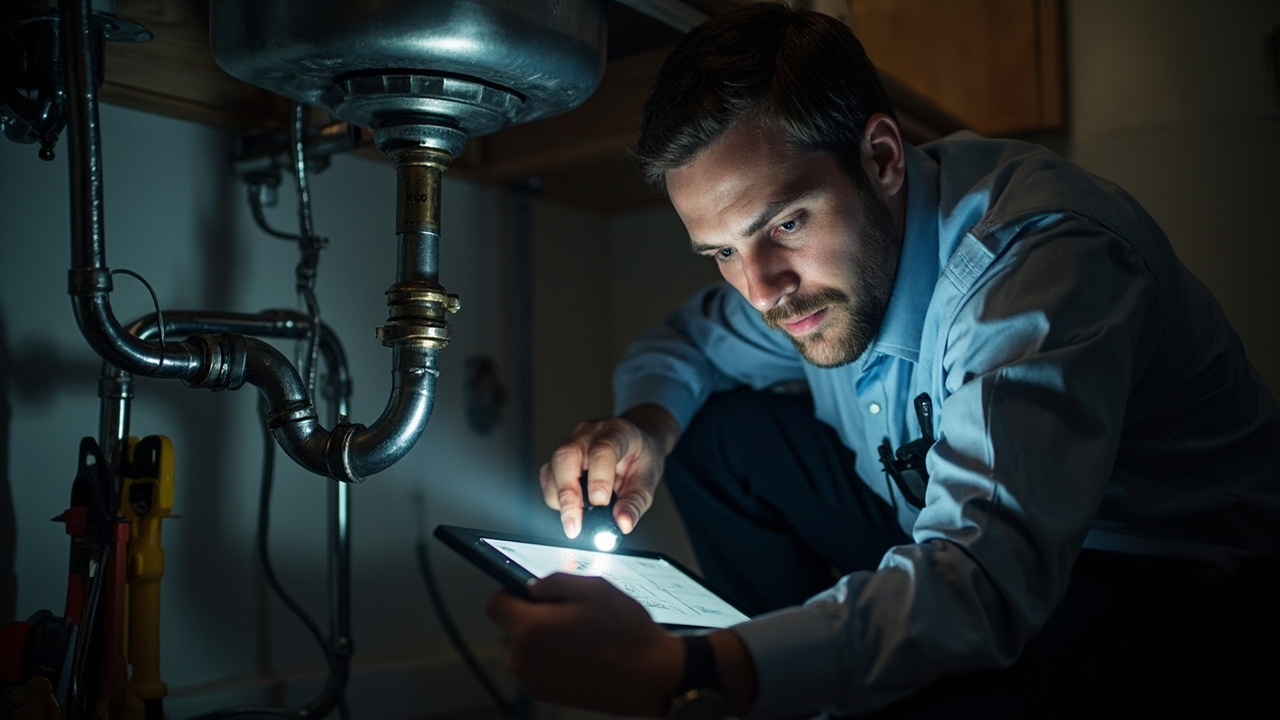
Begin with a systematic walkthrough of all accessible plumbing components. Check under every sink, behind toilets, and around water-using appliances. Look for water stains on ceilings below bathrooms, which indicate hidden leaks. Examine exposed pipes in the garage, attic, and crawl spaces for corrosion, green oxidation on copper, or white calcium deposits. Document any moisture, unusual sounds, or changes since your last inspection. Take photos of questionable areas for comparison during future inspections.
02

Functional Testing

Test every fixture and valve systematically. Turn water on and off at each location and check for proper shutoff without leaks. Flush toilets and verify they refill properly without running continuously. Run water in sinks and showers to test drainage speed. Listen for unusual sounds like hammering, whistling, or gurgling that indicate pressure issues or venting problems. Check water pressure at multiple locations using a pressure gauge. Operate the main water shutoff valve partially to confirm functionality, then return it to the full open position.
03

Documentation and Action Planning

Record your findings in a maintenance log with dates, locations, and specific observations. Prioritize issues by urgency and potential damage risk. Active leaks and complete fixture failures require immediate professional attention. Slow drains, minor corrosion, and aging components go on a monitoring list for future action. Schedule needed repairs before they become emergencies. Keep receipts and documentation of all plumbing work for warranty purposes and property value records. Update your plumbing maintenance checklist based on seasonal issues specific to your property.

Why Los Angeles Homeowners Trust Local Plumbing Expertise

Los Angeles plumbing systems operate under conditions that generic advice cannot address. City water chemistry varies significantly between different supply zones. The Metropolitan Water District sources from the Colorado River and Northern California, each with different mineral content that affects pipe corrosion rates and fixture lifespan. A plumber familiar with your specific neighborhood understands whether you face hard water scaling or corrosive soft water issues.

Local building codes evolved to address earthquake safety and water conservation. Older homes lack the seismic bracing and flexible connections required by current standards. Drought-responsive regulations mandated low-flow fixtures and efficient water heaters that changed system dynamics. A professional who works daily in Los Angeles knows which code requirements apply to your home's age and which upgrades provide the best protection. They understand permit requirements for water heater replacement and main line work that vary between city and county jurisdictions.

Soil conditions throughout the LA basin affect foundation plumbing differently. Clay soils in the San Fernando Valley expand and contract with moisture changes, stressing rigid pipes. Sandy soils near the coast allow easier root intrusion into sewer lines. Hillside properties deal with hydrostatic pressure and shifting that causes connection failures. A Plus Plumbing Los Angeles technicians know which problems occur in specific areas and can diagnose issues faster based on location patterns.

Response time matters when plumbing problems escalate. A local service provider reaches your property quickly and stocks parts appropriate for the plumbing systems common in Los Angeles homes. They maintain relationships with local supply houses and can source specialty components for older fixtures still common in historic neighborhoods. You get faster resolution because they understand your home's plumbing infrastructure from experience with similar properties.

What to Expect During Professional Plumbing Inspections

Inspection Timeframe and Scheduling

A thorough residential plumbing inspection takes between 90 minutes and three hours depending on property size and system complexity. Schedule inspections during moderate weather when both heating and cooling systems are off, making it easier to hear subtle plumbing sounds. Spring and fall provide ideal conditions for comprehensive evaluation. You should plan to be present during the inspection to ask questions and understand findings directly. Technicians need access to all water-using areas including laundry rooms, bathrooms, kitchen, and exterior hose connections. Clear access to the water heater, main shutoff valve, and any crawl spaces before the appointment. Schedule follow-up inspections annually or biannually depending on your home's age and plumbing system condition.

Comprehensive System Assessment

Professional inspections use specialized tools that go beyond visual observation. Technicians measure static water pressure and test for pressure fluctuations that indicate regulator problems or supply line restrictions. They use moisture meters to detect hidden leaks behind walls and under floors before damage becomes visible. Camera inspection of drain lines reveals root intrusion, bellied sections, and deteriorating pipes that cannot be seen from cleanout access points. Gas leak detection equipment checks water heater connections and gas lines for safety. Thermal imaging identifies temperature anomalies that suggest hidden leaks or circulation problems. Water quality testing determines hardness levels and corrosive characteristics that affect maintenance needs. You receive documentation of findings with photos and recommendations prioritized by urgency and cost benefit.

Detailed Reporting and Recommendations

You receive a written report documenting all findings with clear explanations of any problems discovered. The report includes photos of problem areas, component age estimates, and expected remaining service life for major plumbing elements. Recommendations come prioritized into immediate safety concerns, needed repairs, preventive maintenance items, and optional upgrades. Cost estimates help you budget for necessary work. The report becomes a valuable property record documenting system condition for insurance purposes or future home sales. You also get practical maintenance tips specific to your plumbing system and water quality. Clear explanations help you understand which issues you can monitor versus which require prompt professional attention. This documentation supports informed decisions about repair timing and scope.

Ongoing Maintenance Planning

Professional inspections establish a baseline for tracking your plumbing system's condition over time. Technicians note component ages and predict replacement timelines for water heaters, pressure regulators, and major fixtures. You receive a customized plumbing maintenance checklist based on your specific system and water quality. Follow-up inspection schedules align with your home's needs rather than arbitrary timeframes. Newer homes may only need inspection every two to three years while older properties benefit from annual professional evaluation. The service relationship helps you plan major expenses before emergency failures force rushed decisions. Many homeowners coordinate inspection timing with water heater maintenance, whole-house repiping projects, or seasonal preventive service. Consistent professional oversight catches small problems before they escalate and extends your plumbing system's overall service life.

Frequently Asked Questions

You Have Questions,
We Have Answers

What does a plumbing inspection consist of? +

A plumbing inspection evaluates your water supply lines, drain pipes, water heater, fixtures, and gas lines. The inspector checks for leaks, corrosion, water pressure issues, and code violations. In Los Angeles, inspectors pay close attention to seismic shut-off valves and older galvanized pipes common in pre-1960s homes. They test toilets, faucets, and showers for proper function and drainage. Sewer line scope inspections are often recommended to check for tree root intrusion, which is common with the mature landscaping found throughout neighborhoods like Silver Lake and West Adams. The inspector documents every finding with photos and a detailed report.

What is the first thing an inspector wants to see? +

The inspector typically starts with water pressure testing at exterior hose bibs and the main water shutoff valve location. They want to see if you can quickly shut off water in an emergency. In Los Angeles, they immediately check for required earthquake shut-off valves on gas and water lines, which became code requirements after the 1994 Northridge earthquake. The inspector also looks for visible leaks under sinks and around the water heater. They verify that the main sewer cleanout is accessible. This initial assessment helps them identify urgent safety issues before moving to detailed fixture testing.

How much does it cost to have a plumbing inspection? +

A basic plumbing inspection in Los Angeles typically costs between $150 and $400, depending on property size and scope. A simple visual inspection of fixtures and accessible pipes runs lower. Adding a sewer scope inspection increases the cost by $200 to $300 but is worthwhile given the age of sewer laterals in older LA neighborhoods. Multi-unit properties or buildings over 3,000 square feet cost more due to complexity. Commercial inspections run higher. The investment is minimal compared to discovering a $15,000 sewer line replacement after closing. Most inspectors bundle plumbing with full home inspections.

What would fail a home inspection? +

Major plumbing failures include active leaks, inadequate water pressure below 40 PSI, cross-connections between potable and non-potable water, missing earthquake shut-off valves, improperly vented drains, and non-permitted modifications. In Los Angeles, galvanized pipes showing severe corrosion often fail inspection due to health risks from deteriorating interior surfaces. A cracked water heater, reverse-sloped drain lines, missing P-traps, and polybutylene piping all trigger red flags. Sewer line issues like root intrusion, bellied pipes, or Orangeburg pipe deterioration commonly found in older LA homes will fail inspection and require remediation before closing.

What is the biggest red flag in a home inspection? +

The biggest red flag is a compromised sewer lateral, especially in Los Angeles homes built before 1980. Clay tile and Orangeburg sewer lines deteriorate over time, and mature tree roots from jacarandas and ficus trees aggressively invade pipes. A failing sewer line means sewage backups, foundation damage, and replacement costs exceeding $10,000. Other major red flags include active slab leaks in post-tension concrete foundations common in LA construction, water heaters beyond their lifespan, and mainline stoppages indicating systemic drainage problems. Any evidence of previous flooding or water damage suggests recurring issues that need immediate investigation.

What are the 4 types of inspection? +

The four main plumbing inspection types are visual inspections, functional flow testing, camera scope inspections, and pressure testing. Visual inspections identify obvious leaks, corrosion, and code violations. Functional testing runs all fixtures simultaneously to check drainage and water pressure under load. Camera scope inspections use video equipment to examine sewer lines and hidden pipes for damage. Pressure testing checks for hidden leaks in supply lines. In Los Angeles, seismic safety inspections also verify earthquake shut-off valves and flexible gas connectors meet current code. Each inspection type reveals different potential problems and provides comprehensive property assessment.

What are the 4 points of inspection? +

The four inspection points in plumbing assessment are water supply, drainage and waste systems, fixtures and appliances, and safety and code compliance. Water supply inspection checks pressure, pipe condition, and the main shutoff valve. Drainage assessment examines waste lines, venting, and sewer connections. Fixture inspection tests toilets, sinks, showers, and the water heater. Safety compliance verifies earthquake valves, proper venting, cross-connection prevention, and permit documentation. Los Angeles inspectors emphasize seismic safety and verify that modifications meet LA Department of Building and Safety requirements. Each point connects to identify systemic issues versus isolated problems.

What can make you fail an inspection? +

You fail inspection when critical safety issues exist, code violations create liability, or major system failures threaten property integrity. Active leaks, gas line problems, missing seismic shut-off valves, and sewage backups automatically fail. Non-permitted work raises red flags because it may not meet code. In Los Angeles, unpermitted bathroom additions or relocated gas lines require retroactive permits and inspections. Inadequate water pressure, corroded galvanized pipes, and improperly vented drains fail inspection. A water heater without a drain pan, temperature-pressure relief valve, or proper strapping in seismic zones like LA will not pass. Failed inspections require corrections before closing.

What is the 7 point inspection process? +

A seven-point plumbing inspection covers water supply lines, drain and waste systems, water heater condition, fixture operation, gas line integrity, sewer lateral condition, and code compliance. The inspector examines supply pipes for leaks and pressure, tests all drains for proper flow, evaluates the water heater age and venting, operates every fixture, checks gas connections for leaks, scopes the sewer line for damage, and verifies permits and seismic safety devices. This thorough approach identifies both immediate repairs and future maintenance needs. In Los Angeles, the emphasis on earthquake preparedness and older infrastructure makes this comprehensive process necessary.

How long does a plumbing inspection take? +

A standard residential plumbing inspection takes 45 minutes to 90 minutes, depending on property size and system complexity. A small single-family home with accessible plumbing takes less time than a multi-level property with finished basements. Adding a sewer scope inspection adds 30 to 60 minutes. Older Los Angeles homes with galvanized pipes, multiple additions, and mature landscaping affecting sewer lines take longer to inspect thoroughly. Commercial properties require several hours. The inspector must test every fixture, examine accessible pipes, and document findings with photos. Rushed inspections miss critical issues, so allow adequate time for thorough assessment.

How Los Angeles Water Quality Affects Your Plumbing Inspection Priorities

Los Angeles receives some of the hardest water in California, with dissolved mineral content ranging from 200 to 400 parts per million depending on your supply zone. This mineral load causes aggressive scaling inside water heaters, on fixture aerators, and within supply pipes. A preventative plumbing maintenance checklist for Los Angeles homes must prioritize sediment buildup issues that properties in soft water regions never face. Tankless water heaters require annual descaling service to prevent heat exchanger failure. Shower heads and faucet aerators clog within months without periodic cleaning. The hard water also reduces soap effectiveness, leading homeowners to use more cleaning products that contribute to drain line buildup. Inspections must specifically check for flow restriction symptoms and calcium accumulation at connection points where mineral deposits concentrate first.

Local expertise matters because Los Angeles building codes and water department regulations continue evolving in response to drought conditions and infrastructure aging. Properties built before 1995 likely contain plumbing components that no longer meet current efficiency standards. The city offers rebate programs for water-saving fixture upgrades that require specific documentation and approved contractors. A Plus Plumbing Los Angeles stays current on these incentive programs and knows which upgrades provide the best return on investment for local homeowners. We understand the permit requirements for water heater replacement in different jurisdictions throughout the county. Our technicians recognize the plumbing materials common to different construction eras in Los Angeles and can predict failure points based on decades of local service experience. This knowledge accelerates diagnosis and ensures repairs meet current code requirements.
Plumbing Services in The Los Angeles Area

Discover where we operate and easily locate our office or service areas on the map below. Whether you're planning routine maintenance or dealing with an urgent plumbing issue, you’ll see we’re right in your neighborhood. Use the interactive map to view service zones, our central office location, and nearby landmarks. You can zoom in for detailed directions or get contact info directly—with just a click, get directions to meet our skilled plumbing team in person.

Address:
A Plus Plumbing Los Angeles, 6080 Center Dr, Los Angeles, CA, 90045

Additional Services We Offer

Our news updates

Latest Articles & News from The Blogs

Everything You Need to Know About Sewer Connections for a Valley Village ADU Adding an accessory dwelling unit to your…

Everything You Need to Know About Sewer Connections for a Valley Village ADU

Everything You Need to Know About Sewer Connections for a Valley Village ADU Adding an accessory dwelling unit to your…

How to Get Rid of That Sulfur Smell in Your Van Nuys Water Heater

How to Get Rid of That Sulfur Smell in Your Van Nuys Water Heater \p>If your hot water smells like…

Why Replacing Plastic Supply Lines With Braided Stainless Steel Can Save Your Toluca Lake Home From Water Damage

Why Replacing Plastic Supply Lines With Braided Stainless Steel Can Save Your Toluca Lake Home From Water Damage Water damage…

Contact Us

Protect your Los Angeles home with a professional plumbing inspection that identifies problems before they cause damage. Call A Plus Plumbing Los Angeles at (213) 449-7577 to schedule your comprehensive system evaluation. Our technicians provide detailed reporting and prioritized recommendations to keep your plumbing operating reliably.