




menu

Discolored or Rusty Water in Los Angeles – Fast Diagnosis and Permanent Fixes for Your Plumbing System

When brown tap water or rusty colored water flows from your faucets, you need expert diagnostic plumbing to identify the source and restore clean, safe water throughout your home.

Slider Image 1
Slider Image 2
Slider Image 3
Slider Image 4
Slider Image 5
Slider Image 7
Slider Image 8
Slider Image 9
Slider Image 10
Slider Image 11

Why Los Angeles Water Suddenly Turns Brown or Yellow

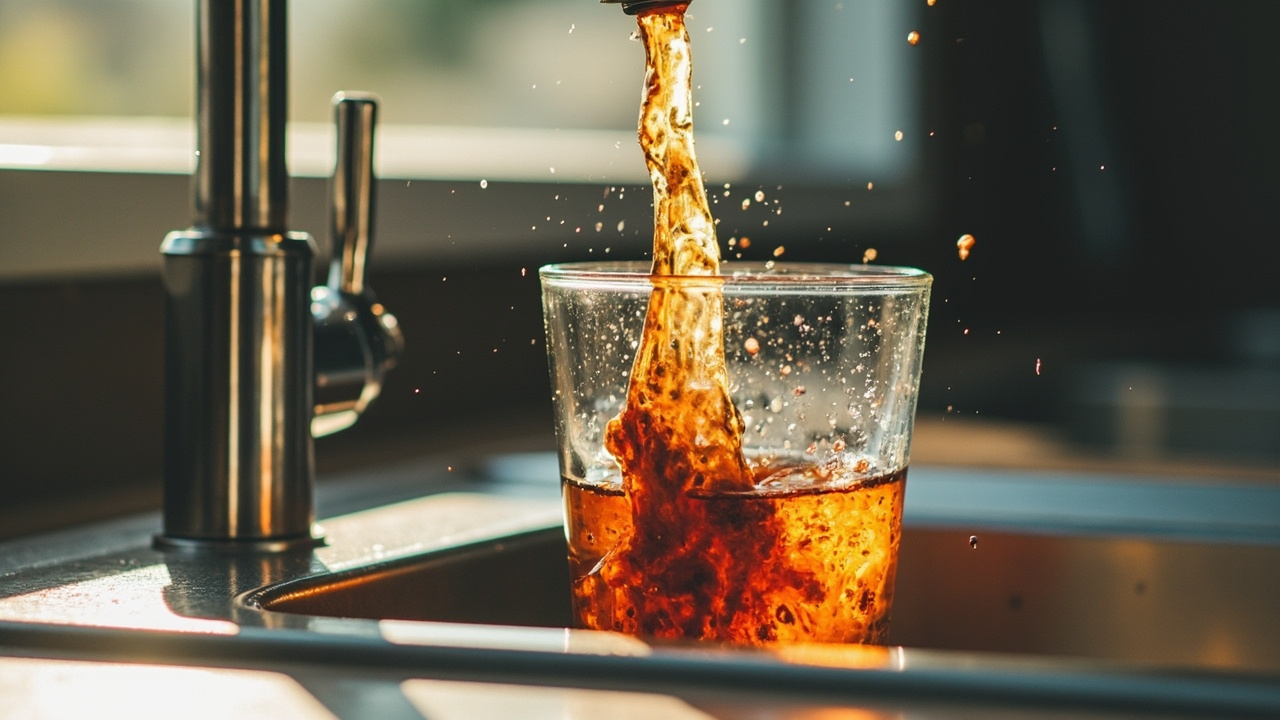
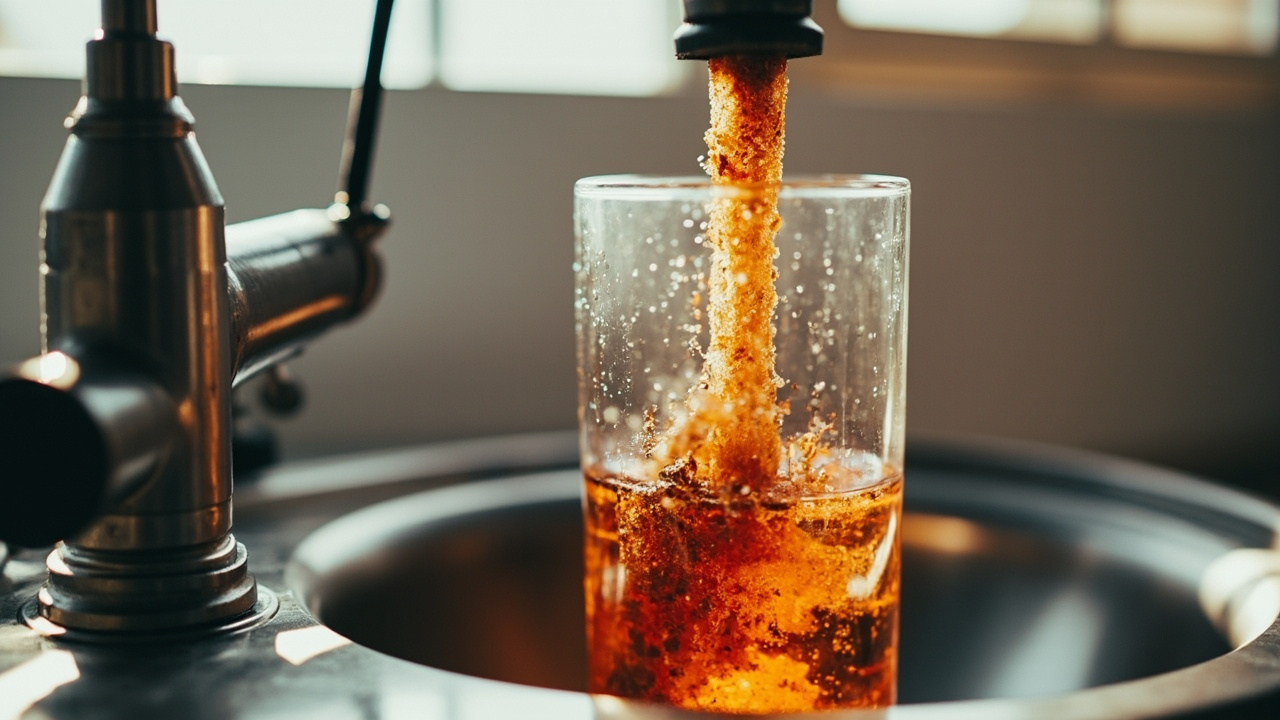
You turn on your faucet expecting clear water, but instead you get brown tap water or reddish water from pipes. The shock is immediate. Is it safe? Can you shower? What about cooking?

In Los Angeles, discolored hot water often traces back to aging galvanized steel pipes common in homes built before the 1960s, especially in neighborhoods like Echo Park, Highland Park, and parts of Mid-City. As these pipes corrode internally, iron oxide flakes off and travels through your water supply. The result is rusty colored water that looks like weak tea or diluted orange juice.

Yellow water from faucet typically indicates early-stage corrosion or sediment disturbance in your water heater. Los Angeles receives moderately hard water from the Colorado River and local groundwater sources. This mineral content accelerates sediment buildup in tank-style water heaters. When that sediment breaks loose, you get discolored hot water even though your cold water runs clear.

Sometimes the problem starts at the municipal level. Water main repairs or pressure fluctuations in the distribution system can stir up sediment in city lines. This creates temporary brown tap water that affects entire blocks in areas like Koreatown or Downtown Los Angeles.

But when rusty colored water persists beyond a few hours, the problem lives inside your home. Corroded galvanized pipes, deteriorating water heaters, or failing pressure regulators all produce reddish water from pipes that signals serious plumbing degradation. This is not a cosmetic issue. Iron-laden water stains fixtures, damages appliances, and indicates pipe failure that will only worsen.

Why Los Angeles Water Suddenly Turns Brown or Yellow
How We Identify the Source of Discolored Water

How We Identify the Source of Discolored Water

Generic advice tells you to flush your pipes or call the city. We start with differential diagnosis because brown tap water has multiple possible origins, and treating the wrong one wastes your money.

First, we isolate whether the issue stems from municipal supply or your internal plumbing. We test water at your main shutoff valve before it enters your home system. If the water runs clear there but discolored at your fixtures, we know the problem is internal.

Next, we determine if the discoloration affects hot water only or both hot and cold. Discolored hot water with clear cold water points directly to your water heater. We drain a sample from the tank drain valve and inspect for sediment volume and composition. Heavy rust sediment means the anode rod has failed and tank corrosion has begun.

When both hot and cold water show rusty colored water, we trace the distribution lines. Galvanized steel pipes corrode from the inside out. We check exposed pipes in your crawlspace or basement for external rust, which indicates advanced internal corrosion. We also test water pressure. Low pressure combined with reddish water from pipes suggests significant internal scaling that restricts flow.

For homes with copper piping, yellow water from faucet might indicate flux residue from recent soldering work or a failed brass component. We inspect recent plumbing modifications and test pH levels to rule out acidic water attacking copper lines.

A Plus Plumbing Los Angeles uses systematic elimination to pinpoint your exact problem. We do not guess, and we do not sell you a repiping job if a water heater flush solves the issue. Accurate diagnosis saves you thousands.

What Happens During Your Water Quality Assessment

Discolored or Rusty Water in Los Angeles – Fast Diagnosis and Permanent Fixes for Your Plumbing System
01

Visual Water Testing

We collect water samples from multiple fixtures throughout your home, comparing hot and cold supply at kitchen sinks, bathroom faucets, and outdoor hose bibs. This shows us the distribution pattern of your rusty colored water. We photograph samples for documentation and run basic field tests for iron content and pH levels to establish baseline water chemistry.
02

System Component Inspection

We inspect your water heater for sediment buildup, anode rod condition, and tank integrity. We examine visible supply lines for corrosion, check pressure regulators for proper function, and assess shutoff valves for internal deterioration. In older Los Angeles homes, we look specifically for original galvanized piping in walls and under slabs, which often corrodes invisibly until yellow water from faucet becomes a daily occurrence.
03

Solution Recommendation Report

We explain what we found in plain terms, show you the evidence, and outline your repair options with transparent cost factors. If your brown tap water stems from a failing water heater, we discuss tank replacement versus tankless conversion. If corroded pipes are the culprit, we map out phased repiping options that let you address critical sections first without tearing apart your entire home at once.

Why Los Angeles Homeowners Choose A Plus Plumbing for Water Quality Issues

Discolored water problems in Los Angeles require someone who understands both the local water supply characteristics and the construction methods used across different decades of home building.

Los Angeles homes built between 1920 and 1960 almost universally used galvanized steel supply lines. These pipes have a lifespan of 40 to 70 years depending on water chemistry. If you own a home in neighborhoods like Silverlake, Eagle Rock, or South Los Angeles, and you see reddish water from pipes, you likely have original galvanized lines reaching end of service life. We have repiped hundreds of these homes and know exactly where these lines run and how to access them with minimal wall damage.

We also understand Los Angeles water sources. The Metropolitan Water District supplies most of the city with a blend of Colorado River water and State Water Project supplies from Northern California. This water is moderately hard with total dissolved solids ranging from 300 to 600 ppm depending on your neighborhood. That mineral content accelerates sediment formation in water heaters, which is why discolored hot water becomes more common in homes over ten years old.

When you call us about yellow water from faucet or brown tap water, we do not send a junior technician with a camera to upsell you. We send experienced plumbers who diagnose first and sell second. We give you the truth about what is failing, what can wait, and what needs immediate attention.

We also handle the permit process for repiping jobs in Los Angeles. The city requires permits for whole-house repipes, and inspections must pass before walls close. We manage that entire process so you do not have to navigate the Department of Building and Safety yourself.

What to Expect When You Call About Discolored Water

Same-Day Diagnostic Appointments

We know rusty colored water is alarming. You should not have to wait three days wondering if your water is safe. We offer same-day appointments for water quality issues throughout Los Angeles County. During your initial call, we ask specific questions about your water discoloration pattern, which helps us arrive prepared with the right diagnostic equipment. Most assessments take 45 to 90 minutes depending on your home size and plumbing complexity.

Comprehensive Water System Evaluation

We do not just look at the obvious problem. We evaluate your entire water delivery system from the main shutoff to every fixture. We check water pressure at multiple points, inspect your pressure regulator if you have one, and assess your water heater condition regardless of what is causing the discoloration. This complete evaluation often reveals secondary issues that would have caused expensive failures within months. You get a full picture of your plumbing health, not just a bandaid fix.

Clear Water Restoration

After we identify the source of your brown tap water or reddish water from pipes, we implement the appropriate fix. Simple sediment problems might resolve with a water heater flush and anode rod replacement. Corroded supply lines require strategic repiping. We prioritize the sections causing your discoloration and work efficiently to restore clean water flow. You will see clear water again, and it will stay that way because we fix root causes, not symptoms.

Preventive Maintenance Planning

Once we resolve your immediate discolored hot water issue, we set you up with a maintenance schedule to prevent recurrence. For water heaters, this means annual flushing and anode rod inspection. For homes with aging galvanized pipes, we create a phased replacement plan that lets you budget for repiping over time rather than facing an emergency failure. We also recommend water quality testing if your municipal supply shows unusual characteristics that might accelerate corrosion.

Frequently Asked Questions

You Have Questions,
We Have Answers

How to tell if water is rusty? +

Rusty water appears brown, orange, or reddish in color when you turn on your tap. Fill a clear glass and hold it up to light. If the water is cloudy or tinted, you have rust present. Run cold water for 2-3 minutes. If the discoloration clears, the issue is in your home's pipes. If it persists, the problem may be in Los Angeles city water mains or corroded galvanized pipes inside your walls. Rusty water often leaves orange stains in sinks and toilets and carries a metallic taste or smell.

Is discolored water safe to drink? +

Discolored water is not always safe to drink. The cause determines the risk. Rust from corroded pipes adds iron, which is not toxic but affects taste and can stain fixtures. Sediment from Los Angeles water main breaks or construction may introduce bacteria or contaminants. Brown or cloudy water after utility work is common but should clear quickly. If discoloration persists beyond 24 hours, do not drink it. Contact your water provider and request a water quality test. Boiling does not remove rust or sediment.

What does discolored water mean? +

Discolored water signals corrosion, sediment disturbance, or contamination in your plumbing system or municipal water lines. Brown or yellow water means rust from aging iron or galvanized pipes. Cloudy white water indicates trapped air bubbles, which are harmless. Green or blue tints suggest copper pipe corrosion, often from acidic water chemistry. In Los Angeles, sudden discoloration frequently follows water main repairs or hydrant flushing by the Department of Water and Power. The color tells you what corroded or loosened inside the pipes.

Is it safe to drink rusty tap water? +

Drinking rusty tap water is not recommended. While iron from rust is not toxic in small amounts, corroded pipes can harbor bacteria, lead, or other harmful metals. Los Angeles homes built before 1986 may have lead solder or galvanized pipes that leach contaminants when corroded. Rusty water also tastes metallic and can upset your stomach. If your tap water is consistently rusty, stop drinking it and have a licensed plumber inspect your pipes. Test your water for lead and other metals before resuming use.

Does brown water mean pipes need replacing? +

Brown water does not always mean you need full pipe replacement. If discoloration clears after running water for a few minutes, sediment or minor corrosion is the cause. If brown water persists daily, your galvanized or iron pipes are corroding from the inside. In Los Angeles, homes built before 1960 often have galvanized plumbing that degrades after 40-50 years. A plumber can perform a camera inspection to assess corrosion levels. Severe rust buildup or pinhole leaks require repiping with copper or PEX.

What color is rust in water? +

Rust in water appears brown, orange, yellow, or reddish. Light rust causes a faint yellow or tan tint. Heavy rust contamination produces dark brown or reddish-brown water. The intensity depends on how much corroded iron is suspended in the water. In Los Angeles, older galvanized pipes and iron water mains are the primary rust sources. Rust particles also settle as orange or red sediment in your water heater tank or toilet bowl. If your water is consistently colored, schedule a plumbing inspection.

Can you shower in discoloured water? +

You can shower in discolored water, but it is not ideal. Rusty water will not harm your skin, but it may stain light-colored hair, towels, and grout. If the discoloration is from sediment or rust, showering is safe. If the water smells foul or appears oily, avoid contact until tested. Los Angeles residents often see temporary discoloration after water main work. Run cold water for several minutes before showering. If staining occurs or the issue persists, contact a plumber to inspect your pipes.

Why does my water look brownish? +

Brownish water indicates rust from corroded pipes or sediment disturbance in your plumbing or city water mains. Galvanized pipes, common in Los Angeles homes built before 1970, corrode over time and release iron particles. Sudden brown water after turning on a tap you rarely use means rust settled in that line. If all your taps run brown, the issue is in your water heater or main supply line. Los Angeles water main breaks or hydrant flushing also temporarily stir up sediment, causing citywide brown water.

What are the symptoms of contaminated water? +

Symptoms of contaminated water include nausea, stomach cramps, diarrhea, headaches, and vomiting. Bacterial contamination from sewage leaks or corroded pipes can cause gastrointestinal illness within hours. Chemical contaminants like lead or copper may cause long-term health issues without immediate symptoms. If your water smells like sulfur, tastes metallic, or appears discolored, stop drinking it. Los Angeles residents should report sudden taste or odor changes to the Department of Water and Power. Request a lab test if you suspect contamination or experience unexplained illness.

What to do if your water is discoloured? +

If your water is discolored, stop drinking it and run cold taps for 5-10 minutes. If the water clears, the issue is in your home's pipes. If it stays discolored, contact Los Angeles Department of Water and Power to check for main breaks or flushing activity. Avoid hot water use until the issue resolves, as sediment can clog your water heater. If discoloration persists beyond 24 hours, call a licensed plumber to inspect your pipes and water heater. Test your water for contaminants before resuming consumption.

How Los Angeles Water Chemistry Accelerates Pipe Corrosion

Los Angeles receives imported water with higher mineral content than many California cities. This moderately hard water contains calcium, magnesium, and dissolved solids that create scale inside pipes and water heaters. In galvanized steel pipes, this scale initially provides a protective barrier. But as the zinc coating on galvanized pipes depletes over decades, the scale traps moisture against bare steel, which accelerates rust formation. This process explains why homes in neighborhoods like West Adams or Jefferson Park suddenly develop brown tap water after 50 years of clear water. The protective layer finally failed, and now iron oxide saturates every gallon flowing through your home.

A Plus Plumbing Los Angeles has worked in every neighborhood from the Palisades to East Los Angeles. We know the construction patterns, the common pipe materials by decade, and the specific failure modes that plague Los Angeles homes. When you call us about yellow water from faucet or rusty colored water, we already know the likely culprit based on your home's age and location. That local knowledge means faster diagnosis, accurate solutions, and no wasted time chasing wrong theories. We are not a franchise following a corporate script. We are local plumbers who have seen your exact problem dozens of times before.
Plumbing Services in The Los Angeles Area

Discover where we operate and easily locate our office or service areas on the map below. Whether you're planning routine maintenance or dealing with an urgent plumbing issue, you’ll see we’re right in your neighborhood. Use the interactive map to view service zones, our central office location, and nearby landmarks. You can zoom in for detailed directions or get contact info directly—with just a click, get directions to meet our skilled plumbing team in person.

Address:
A Plus Plumbing Los Angeles, 6080 Center Dr, Los Angeles, CA, 90045

Additional Services We Offer

Our news updates

Latest Articles & News from The Blogs

Everything You Need to Know About Sewer Connections for a Valley Village ADU Adding an accessory dwelling unit to your…

Everything You Need to Know About Sewer Connections for a Valley Village ADU

Everything You Need to Know About Sewer Connections for a Valley Village ADU Adding an accessory dwelling unit to your…

How to Get Rid of That Sulfur Smell in Your Van Nuys Water Heater

How to Get Rid of That Sulfur Smell in Your Van Nuys Water Heater \p>If your hot water smells like…

Why Replacing Plastic Supply Lines With Braided Stainless Steel Can Save Your Toluca Lake Home From Water Damage

Why Replacing Plastic Supply Lines With Braided Stainless Steel Can Save Your Toluca Lake Home From Water Damage Water damage…

Contact Us

Do not let discolored water disrupt your home another day. Call A Plus Plumbing Los Angeles at (213) 449-7577 for same-day diagnosis. We will find the source, explain your options clearly, and restore clean water to every faucet in your home.