




menu

High Water Bills in Los Angeles – Expert Diagnosis That Stops the Bleed Fast

When your water bill skyrockets without explanation, you need precision leak detection and targeted repairs that address the root cause, not guesswork that costs you hundreds more each month.

Slider Image 1
Slider Image 2
Slider Image 3
Slider Image 4
Slider Image 5
Slider Image 7
Slider Image 8
Slider Image 9
Slider Image 10
Slider Image 11

Why Your Los Angeles Water Bill Just Doubled

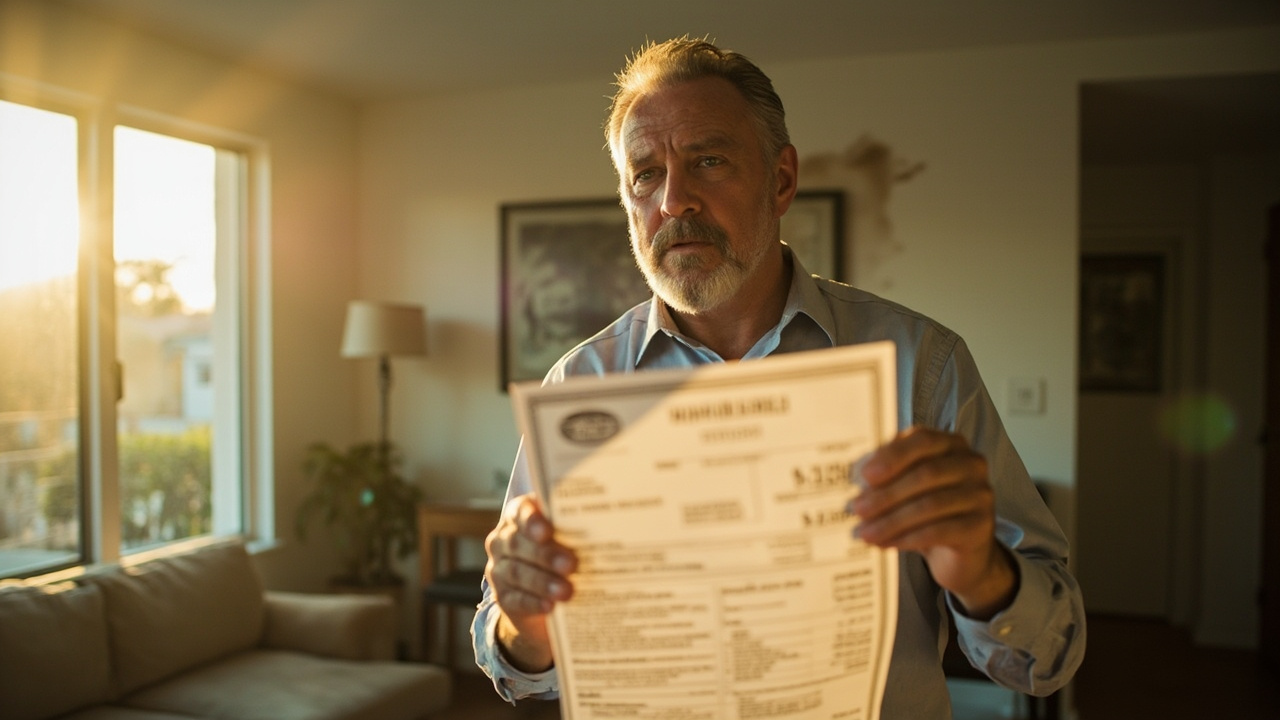
You open your water bill and freeze. The number is triple what you paid last month. You check every faucet. Nothing drips. The toilets seem fine. Yet somewhere in your home, water is vanishing.

This sudden spike in water bill hits Los Angeles homeowners harder than most cities. Our aging infrastructure, combined with the aggressive mineral content in our water supply, creates the perfect storm for silent leaks. The pipes running beneath Mid-Wilshire bungalows and Silver Lake hillside homes are often original to the structure, some dating back 60 or 70 years. These galvanized steel and clay pipes corrode from the inside out. You see nothing. Your meter spins like a slot machine.

The most expensive leaks are the ones you cannot see. A pinhole leak in a slab foundation can waste 30 gallons per hour. That excessive water usage translates to an extra $200 to $400 per billing cycle. If you ignore an unexplained high water bill for three months, you are looking at over $1,000 in waste, plus potential foundation damage from soil saturation.

Los Angeles Water and Power does not care why your consumption jumped. They bill what the meter records. If you call them about a skyrocketing water bill, they will send someone to verify the meter works correctly. That costs you $50 and solves nothing. The problem is not the meter. The problem is somewhere in your system, and it requires a plumber who knows how to find it without tearing apart your entire house.

Why Your Los Angeles Water Bill Just Doubled
How We Find and Fix Hidden Leaks

How We Find and Fix Hidden Leaks

Most plumbers walk through your house, check the obvious spots, and shrug. We use acoustic leak detection equipment that listens for the signature sound of pressurized water escaping through compromised pipe walls. This non-invasive technology pinpoints the leak location within inches, even through concrete slabs and interior walls.

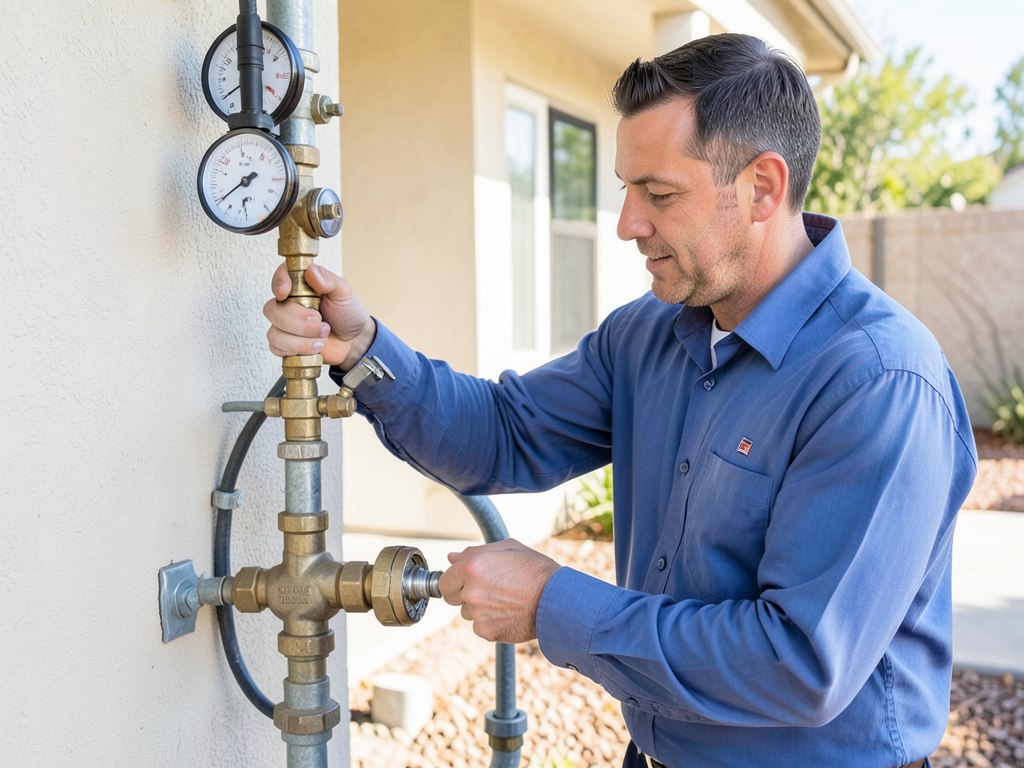
We start with a pressure test on your entire system. We isolate sections to determine whether the leak exists in your supply lines, drain lines, or irrigation system. Many unexpected water bill increases come from irrigation zone valves that stick open. A single valve failure can dump 10 gallons per minute into your yard while you sleep. That is 14,400 gallons per day. On a tiered rate structure, you pay a premium for every gallon over your baseline allowance.

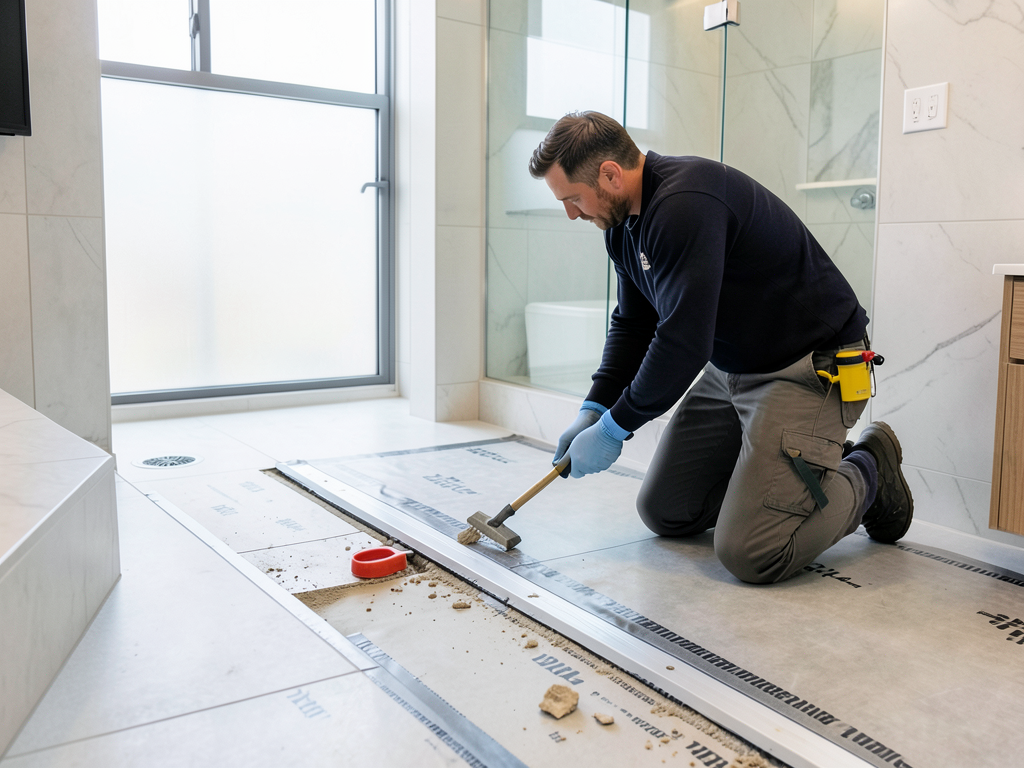
Once we locate the leak, we calculate the most cost-effective repair method. For slab leaks, we often recommend an epoxy pipe lining that seals the leak from the inside, eliminating the need to jackhammer your foundation. For supply line failures, we reroute the line through your attic or crawlspace, bypassing the compromised section entirely. We do not perform exploratory demolition. We target the problem with surgical precision.

After the repair, we verify the fix with a follow-up pressure test and provide documentation you can submit to LADWP if you qualify for a billing adjustment under their leak adjustment program. Many customers recover 50% or more of the inflated bill if they act within the first billing cycle.

Our Water Bill Investigation Process

High Water Bills in Los Angeles – Expert Diagnosis That Stops the Bleed Fast
01

Meter Verification and Flow Test

We confirm your meter is accurately recording consumption by shutting off all fixtures and appliances. If the meter continues to register flow, we know water is escaping somewhere in your system. This baseline test eliminates false positives and focuses our investigation on the actual leak source. We document the flow rate to calculate your daily water loss and project your financial exposure if the leak goes unrepaired.
02

Acoustic Detection and Isolation

Using electronic listening devices and pressure sensors, we trace the leak to a specific zone. We isolate sections of your plumbing system to narrow the search area. For slab leaks, we use ground microphones that detect the sound frequency of water escaping under pressure. For wall leaks, we use infrared cameras to identify temperature differentials caused by water saturation. This diagnostic phase typically takes 60 to 90 minutes and provides a precise repair plan.
03

Targeted Repair and Verification

We execute the least invasive repair method that permanently solves the problem. After the repair, we run a final pressure test to confirm system integrity and verify the meter no longer registers phantom flow. You receive a detailed service report that includes before-and-after pressure readings, photographic documentation, and a breakdown of water loss calculations. This report supports your LADWP billing dispute if applicable and provides a record for insurance claims or property disclosure requirements.

Why Los Angeles Homeowners Choose A Plus Plumbing Los Angeles

We know the plumbing anatomy of Los Angeles homes because we have worked in every neighborhood from Echo Park to Westchester. We understand which areas have clay sewer laterals prone to root intrusion, which tracts used polybutylene supply lines that fail catastrophically, and which hillside zones experience soil movement that shears underground connections.

Los Angeles building codes require backflow prevention devices on irrigation systems. Many older homes were grandfathered in without them. When these systems develop leaks, the water flows backward into your potable supply, contaminating your drinking water while your bill climbs. We inspect for cross-connection hazards during every leak investigation because a high water bill is sometimes the first sign of a serious health risk.

Our technicians carry digital manometers, infrared thermal cameras, and acoustic amplification equipment on every service call. We do not guess. We do not perform expensive exploratory work. We locate the problem, explain your options, and provide a fixed-price repair quote before we touch a wrench.

We also understand the LADWP billing adjustment process. If you qualify for relief under their leak adjustment program, we provide the documentation they require, including a detailed service invoice and a sworn statement that the leak was underground and not visible. Many customers recover hundreds of dollars by submitting the correct paperwork within the first adjusted billing cycle. We walk you through the process because we know one missed form costs you money.

What to Expect When You Call Us

Same-Day Response Available

A high water bill represents ongoing financial loss every single day. We prioritize leak detection calls and typically arrive within four hours for emergency requests. For non-urgent investigations, we schedule within 24 hours. Our diagnostic appointments last 90 minutes to two hours, depending on the complexity of your system. We bring all necessary detection equipment on the first visit, so we can locate and often repair the problem the same day. You are not waiting a week while your meter spins and your bill climbs.

Comprehensive System Diagnostic

We do not just find the leak. We evaluate your entire plumbing system to identify other vulnerabilities that could cause future problems. This includes checking water pressure at multiple fixtures, inspecting exposed pipes for corrosion, testing shut-off valves, and reviewing your irrigation controller programming. Many customers discover they have been overwatering their landscaping by 40% due to incorrect timer settings. We provide a written summary of our findings and prioritize repairs based on urgency and cost impact. You get a complete picture of your system health, not just a bandaid fix.

Permanent, Code-Compliant Repairs

Every repair meets or exceeds Los Angeles plumbing code requirements. We use UPC-approved materials and techniques designed to outlast the original installation. For copper pipe repairs, we use compression fittings or soldered joints, never push-fit connectors that fail under thermal expansion. For PEX repiping, we use manifold systems that eliminate joints inside walls. For slab leaks, we use epoxy lining systems rated for 50-year service life. You receive a detailed invoice that itemizes materials, labor, and code compliance, which protects your property value and satisfies future buyer inspection requirements.

LADWP Billing Adjustment Support

If your leak qualifies for a billing adjustment, we provide the required documentation at no additional charge. LADWP grants adjustments for underground leaks that were not reasonably detectable through normal observation. You must submit a completed application, a paid invoice from a licensed plumber, and a statement describing the leak location and repair method. We fill out the technical sections and provide photographic evidence of the repair. The adjustment typically reduces your inflated bill by 50% to 75%, depending on your consumption history. We submit this documentation within 48 hours of completing the repair to meet LADWP deadlines.

Frequently Asked Questions

You Have Questions,
We Have Answers

Why is my water bill getting so high? +

High water bills typically signal a leak somewhere in your system. Running toilets, dripping faucets, or hidden slab leaks waste thousands of gallons monthly. In Los Angeles, older homes with galvanized or polybutylene pipes corrode faster due to mineral-heavy water. Irrigation systems often develop cracks during dry spells, then leak heavily when watering resumes. Check your meter when no water is running. If the dial moves, you have a leak. Increased household usage, rate hikes from LADWP, or inefficient appliances also contribute. Review your billing history to spot sudden spikes that indicate a plumbing problem.

What runs your water bill up the most? +

Irrigation and outdoor water use drive up bills the most in Los Angeles. Sprinkler systems often run too long or have broken heads that dump water onto sidewalks. Indoor culprits include running toilets, which waste up to 200 gallons daily, and leaking water heaters. Older, inefficient appliances like washing machines and dishwashers consume excessive water per cycle. Slab leaks underneath your foundation silently pour water into the ground. Swimming pool leaks or auto-fill valves stuck open also drain your budget. Track usage by room to identify problem areas, then prioritize repairs based on volume wasted.

How to tell if you have a water leak on the meter? +

Turn off all faucets, appliances, and irrigation inside and outside your home. Locate your water meter, usually near the street or alley in Los Angeles. Lift the cover and find the flow indicator, a small red or blue triangle or dial. Watch it for 10 minutes. If it moves at all, water is flowing somewhere. Record the meter reading, wait two hours without using water, then check again. Any change confirms a leak. For digital meters, look for a flashing icon or leak indicator. This simple test catches hidden problems before they destroy your bill or damage your property.

How much should a normal water bill be per month? +

In Los Angeles, the average household water bill ranges from 50 to 100 dollars monthly for typical single-family homes. Usage varies by household size, landscaping needs, and conservation habits. LADWP charges tiered rates, so heavy users pay more per gallon. A family of four using 60 to 100 gallons per person daily falls within the normal range. Bills above 150 dollars monthly usually indicate leaks, excessive irrigation, or inefficient fixtures. Compare your usage in hundred cubic feet or gallons to past bills. Sudden increases signal problems. Check your meter regularly to track consumption patterns and catch issues early.

Why is my water bill almost $200? +

A 200-dollar water bill suggests a significant leak or excessive usage. Common causes include a running toilet that wastes 200 gallons daily, a leaking water heater, or a cracked mainline underground. Irrigation systems in Los Angeles often develop broken valves or damaged lines that leak constantly. Slab leaks beneath your foundation pour water into the soil without visible signs. Pool leaks or auto-fill problems drain thousands of gallons. Check your meter for movement when no water is running. Review your billing history for sudden spikes. Call a plumber immediately to locate the source before costs escalate or water damage occurs.

How can I detect hidden water leaks? +

Monitor your water meter for unexplained movement when all fixtures are off. Check ceilings, walls, and floors for discoloration, warping, or soft spots that signal hidden leaks. In Los Angeles, slab leaks often appear as warm spots on floors or carpet, mildew odors, or cracks in foundation. Listen for running water sounds inside walls or under floors at night when the house is quiet. Inspect your yard for soggy patches, greener grass, or erosion that indicate underground line breaks. High bills without visible causes demand professional leak detection using acoustic sensors or thermal imaging to pinpoint hidden problems.

Why is my water bill $900? +

A 900-dollar water bill points to a catastrophic leak or multiple failures. Mainline breaks, severe slab leaks, or broken irrigation valves flood your property with thousands of gallons. Homes in older Los Angeles neighborhoods often have corroded galvanized pipes that rupture suddenly. A stuck-open toilet flapper or water heater relief valve failure can waste extreme amounts. Pool equipment malfunctions or broken fill valves drain water continuously. Immediately shut off your main water valve to stop the flow. Call a plumber for emergency leak detection. Contact LADWP to dispute billing if a sudden break caused the spike. Document everything for potential adjustments.

How do you check if you have a water leak? +

Turn off all water inside and outside your home. Locate your meter and watch the flow indicator for movement. If the dial or triangle spins, water is leaking somewhere. Check toilets by adding food coloring to the tank. If color appears in the bowl without flushing, the flapper leaks. Inspect faucets, showerheads, and outdoor spigots for drips. Walk your yard looking for soggy areas, ponding, or unusually green grass. In Los Angeles, listen for hissing sounds near the meter or foundation. Feel floors for warm spots that signal slab leaks. Unexplained meter increases confirm leaks even without visible signs.

What can I do to lower my water bill? +

Fix all leaks immediately. A dripping faucet or running toilet wastes thousands of gallons monthly. Install low-flow showerheads and faucet aerators to cut usage by 30 percent. Replace old toilets with WaterSense models that use 1.28 gallons per flush. Adjust irrigation schedules for Los Angeles weather. Water early morning to reduce evaporation. Add mulch to retain soil moisture. Run dishwashers and washing machines only with full loads. Check for slab leaks if bills remain high after visible fixes. Upgrade to efficient appliances over time. Monitor your meter weekly to catch new problems before they spike your bill again.

How do plumbers detect a water leak? +

Plumbers use specialized equipment to locate leaks without demolition. Acoustic listening devices detect the sound of water escaping from pressurized pipes through walls, slabs, and underground. Thermal imaging cameras identify temperature differences where water cools or warms surfaces. Tracer gas injected into lines escapes at leak points for precise detection. Video pipe inspection cameras navigate drain and sewer lines to spot cracks or root intrusion. In Los Angeles, plumbers often use helium detection for slab leaks beneath foundations. Pressure testing isolates problem zones. These methods pinpoint exact leak locations, minimizing repair costs and property damage from exploratory digging or cutting.

How Los Angeles Water Pressure and Mineral Content Accelerate Pipe Failure

Los Angeles receives water from three primary sources: the Los Angeles Aqueduct, the Colorado River Aqueduct, and local groundwater. Each source has a different mineral profile. The Colorado River water contains high levels of calcium and magnesium, which create scale buildup inside pipes. This scale reduces flow capacity and increases internal pressure, stressing joints and weak points. Homes in the San Fernando Valley and West LA receive more Colorado River water and experience faster pipe degradation. The city maintains water pressure between 50 and 80 psi, but hillside zones often see pressure spikes above 100 psi during low-demand hours. This pressure cycling fatigues pipe walls and creates pinhole leaks that are invisible until your water bill arrives.

We have been serving Los Angeles for over 15 years and maintain relationships with property managers, HOAs, and insurance adjusters throughout the county. We understand how local soil conditions affect underground pipes. The expansive clay soil in areas like Baldwin Hills and Ladera Heights swells and contracts with moisture changes, shifting pipes and breaking connections. We know which neighborhoods have cast iron sewer lines prone to tuberculation and which tracts used galvanized steel supply lines that corrode from the inside. This local knowledge allows us to diagnose problems faster and recommend repairs that account for Los Angeles-specific challenges. When you hire a plumber who knows the city, you avoid costly misdiagnoses and get repairs that last.
Plumbing Services in The Los Angeles Area

Discover where we operate and easily locate our office or service areas on the map below. Whether you're planning routine maintenance or dealing with an urgent plumbing issue, you’ll see we’re right in your neighborhood. Use the interactive map to view service zones, our central office location, and nearby landmarks. You can zoom in for detailed directions or get contact info directly—with just a click, get directions to meet our skilled plumbing team in person.

Address:
A Plus Plumbing Los Angeles, 6080 Center Dr, Los Angeles, CA, 90045

Additional Services We Offer

Our news updates

Latest Articles & News from The Blogs

Everything You Need to Know About Sewer Connections for a Valley Village ADU Adding an accessory dwelling unit to your…

Everything You Need to Know About Sewer Connections for a Valley Village ADU

Everything You Need to Know About Sewer Connections for a Valley Village ADU Adding an accessory dwelling unit to your…

How to Get Rid of That Sulfur Smell in Your Van Nuys Water Heater

How to Get Rid of That Sulfur Smell in Your Van Nuys Water Heater \p>If your hot water smells like…

Why Replacing Plastic Supply Lines With Braided Stainless Steel Can Save Your Toluca Lake Home From Water Damage

Why Replacing Plastic Supply Lines With Braided Stainless Steel Can Save Your Toluca Lake Home From Water Damage Water damage…

Contact Us

Every day you wait costs you money. Call A Plus Plumbing Los Angeles now at (213) 449-7577 for same-day leak detection. We find the problem, fix it right, and help you recover your money from LADWP.