



menu

Backflow Prevention & Testing in Los Angeles – Keep Your Commercial Property Compliant and Operational

We deliver certified backflow testing and cross-connection control solutions that protect your water supply, satisfy city inspections, and prevent costly operational shutdowns across Los Angeles commercial facilities.

Slider Image 1
Slider Image 2
Slider Image 3
Slider Image 4
Slider Image 5
Slider Image 7
Slider Image 8
Slider Image 9
Slider Image 10
Slider Image 11

Why Los Angeles Commercial Properties Face Strict Backflow Testing Requirements

Los Angeles operates one of the most complex municipal water systems in the country, serving millions through an infrastructure that sources water from distant aqueducts and local reservoirs. This interconnected network makes cross-connection control critical. When backflow occurs, contaminated water reverses into the potable supply, threatening public health across entire service zones.

The Los Angeles Department of Water and Power mandates annual backflow compliance testing for every commercial property with irrigation systems, fire suppression lines, or industrial water use. Buildings in downtown high-rises, warehouses in the San Fernando Valley, and medical facilities throughout the basin all require certified backflow assembly testing to maintain operational permits.

Your business cannot afford violations. Failed inspections trigger mandatory shutdown orders, red-tagged water meters, and fines that escalate daily. Properties with food service permits, healthcare operations, or manufacturing processes face immediate closure until compliance is restored.

Backflow preventer inspection in Los Angeles demands precision. The city's fluctuating water pressure, particularly during peak summer demand when reservoirs run lower, creates conditions where backpressure and backsiphonage risks increase. A malfunctioning reduced pressure zone assembly or double check valve assembly puts your entire operation at risk.

Commercial backflow certification requires testers who understand local code requirements, documentation protocols, and expedited remediation when assemblies fail. Your facility needs testing that keeps you operational, not paperwork that creates delays.

Why Los Angeles Commercial Properties Face Strict Backflow Testing Requirements
How Proper Backflow Testing Protects Your Business Operations

How Proper Backflow Testing Protects Your Business Operations

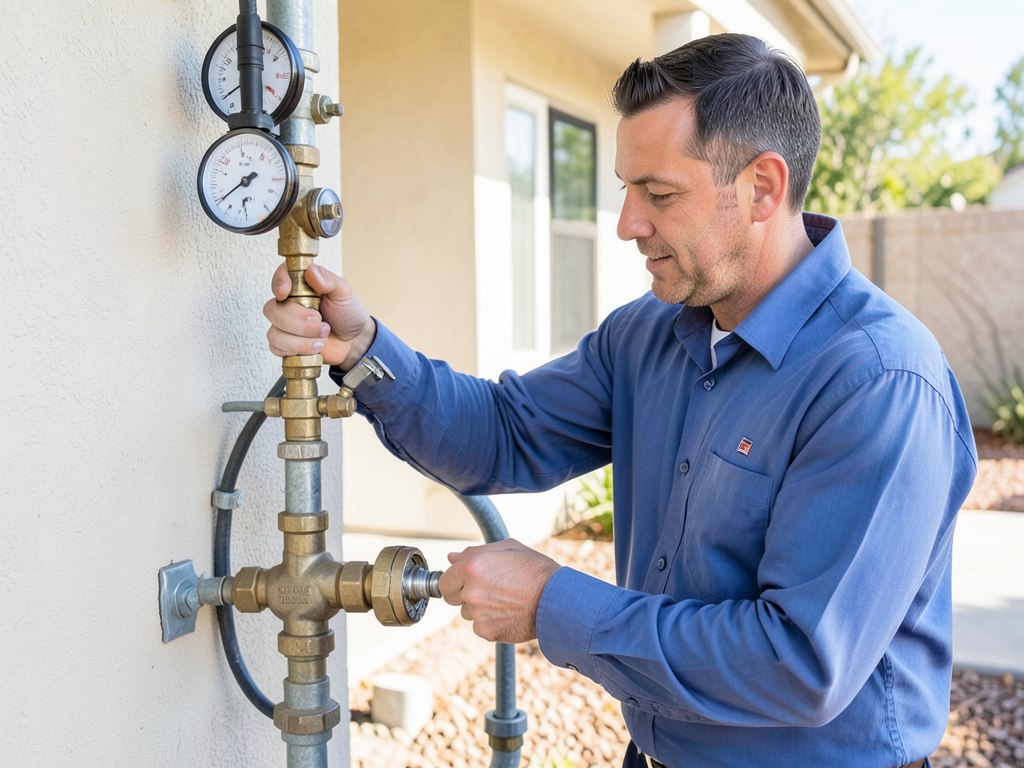
Effective backflow prevention starts with understanding your specific assembly type and risk classification. We assess reduced pressure principle backflow preventers, double check valve assemblies, and pressure vacuum breakers based on your facility's hazard level and water usage patterns.

Testing begins with isolation valve verification. We confirm shutoff valves function correctly before depressurizing the assembly. This prevents water hammer damage and ensures accurate differential pressure readings across check valves and relief ports.

Our technicians use calibrated differential pressure test kits to measure the opening point of check valves, tightness of shutoff valves, and relief valve discharge rates. These measurements determine whether your assembly maintains the minimum pressure differential required to prevent backflow under all operating conditions.

For reduced pressure zone devices, we verify the relief valve opens at least two pounds per square inch below the incoming pressure. This critical safety margin ensures contaminated water discharges through the relief port rather than reversing into the supply line.

Failed assemblies require immediate attention. We diagnose whether rubber seals have degraded, springs have weakened, or debris has lodged in check valve seats. Most failures stem from mineral buildup in Los Angeles's hard water, which scores valve surfaces and prevents proper seating.

We document every test with timestamped readings, photographic evidence of assembly conditions, and detailed failure analysis. This documentation satisfies Los Angeles Department of Water and Power reporting requirements and provides your facility with defensible compliance records during inspections or liability investigations.

Annual backflow compliance is not optional. We schedule testing during low-impact hours, complete all required paperwork, and submit certifications directly to city databases. Your business stays operational while we handle regulatory obligations.

Our Backflow Testing Procedure for Los Angeles Commercial Facilities

Backflow Prevention & Testing in Los Angeles – Keep Your Commercial Property Compliant and Operational
01

Assembly Identification and Documentation

We locate and catalog every backflow assembly on your property, recording make, model, serial numbers, and installation dates. This creates a compliance baseline that tracks each device through its service life. We photograph assemblies, verify isolation valve accessibility, and confirm current certification status against city records. Properties with multiple assemblies receive detailed site maps that streamline future testing and eliminate confusion during inspections.
02

Precision Pressure Testing

We connect calibrated test equipment to designated test cocks and systematically measure check valve tightness, relief valve opening points, and shutoff valve integrity. Each measurement follows the University of Southern California Foundation for Cross-Connection Control and Hydraulic Research protocols. We test assemblies under simulated backpressure and backsiphonage conditions, documenting performance margins that indicate remaining service life. Failed components are isolated and tagged for immediate replacement before water service resumes.
03

Certification and Compliance Filing

We complete official test report forms with all required technical data, attach them to digital compliance records, and file them directly with Los Angeles Department of Water and Power databases. You receive copies for your facility records along with a compliance certificate valid for the next testing cycle. If assemblies failed, we provide detailed repair specifications and can coordinate replacement installations that satisfy both plumbing code and cross-connection control regulations without disrupting your business operations.

Why Los Angeles Businesses Trust Our Backflow Testing Program

Cross-connection control in Los Angeles requires more than mechanical testing. It demands understanding of local water quality, pressure zone variations, and the specific compliance deadlines enforced across different municipal jurisdictions.

We work throughout Los Angeles County, from the Port of Los Angeles industrial corridor to Burbank's media production facilities. This geographic range gives us direct experience with how water pressure fluctuates between coastal zones and valley elevations, and how these variations affect backflow assembly performance.

Los Angeles Department of Water and Power maintains strict tester certification requirements. Our technicians hold current cross-connection control specialist certifications and complete annual recertification testing. We use only calibrated equipment traceable to National Institute of Standards and Technology standards, ensuring measurement accuracy that withstands regulatory scrutiny.

Commercial facilities appreciate our documentation precision. Property managers overseeing multiple buildings need consolidated compliance records that simplify portfolio management. We provide digital dashboards showing testing status across all your locations, with automatic alerts when annual testing windows approach.

Time matters in commercial operations. We schedule testing during off-hours or low-traffic periods. Restaurants receive service before opening hours. Medical facilities get priority scheduling that avoids patient care disruptions. Manufacturing plants coordinate testing during maintenance windows that align with production schedules.

Our response time for failed assemblies minimizes downtime. We stock common repair parts for major backflow preventer brands and can source specialized components through local supply networks within hours. When assemblies require replacement, we coordinate with licensed contractors who understand both plumbing code and fire protection requirements.

The city's enforcement approach has intensified. Properties with expired certifications face escalating penalties and potential water service disconnection. We proactively manage your testing schedule, ensuring compliance before deadlines trigger violations. This preventive approach protects your operational continuity and eliminates surprise shutdowns.

What Your Facility Gets with Our Backflow Testing Service

Scheduled Testing That Fits Your Operations

We coordinate testing around your business schedule, whether that means early morning appointments before staff arrival, weekend service during facility closures, or after-hours testing that avoids customer disruptions. Most assemblies require 30 to 45 minutes for complete testing, including setup, measurement sequences, and documentation. Properties with multiple assemblies receive batched scheduling that completes all required testing in a single visit. Emergency testing for suspected contamination incidents receives same-day response with provisional results available within hours.

Comprehensive Assembly Evaluation

Testing goes beyond pass or fail determinations. We assess the overall condition of each assembly, identifying components approaching end of service life before they cause compliance failures. Relief valves showing excessive discharge, check valves with reduced sealing pressure, and corroded test cocks all receive detailed condition notes. You get predictive maintenance intelligence that helps budget for replacements and avoid emergency failures. We explain what specific measurements mean for your system's protection level and recommend proactive upgrades when assemblies consistently test near minimum acceptable thresholds.

Certified Documentation and City Filing

Every test produces an official report bearing our certification seal and technician credentials. These reports include assembly identification, test measurements, pass or fail determination, and any required follow-up actions. We electronically file passing tests with the Los Angeles Department of Water and Power compliance database, updating your property's record immediately. You receive both paper certificates for posting at water meter locations and digital copies for property management files. Failed assemblies get separate documentation detailing specific deficiencies, required repairs, and retest scheduling to restore compliance.

Ongoing Compliance Tracking and Renewal Alerts

Annual testing deadlines arrive quickly in busy commercial operations. We maintain a compliance calendar for every property we service, sending renewal notices 60 days before certification expiration. This advance warning gives you time to schedule testing during convenient operational windows rather than scrambling to meet deadlines. Properties with multiple locations receive consolidated compliance reporting showing testing status across your entire portfolio. We track regulatory changes affecting backflow requirements and proactively notify you when new testing protocols or assembly standards impact your facilities.

Frequently Asked Questions

You Have Questions,
We Have Answers

What is backflow prevention testing? +

Backflow prevention testing verifies that your device prevents contaminated water from reversing into the municipal supply. A certified technician inspects check valves, relief valves, and shutoff components to ensure they meet Los Angeles County standards. The test measures pressure differentials and valve functionality under specific conditions. Commercial properties in Los Angeles must submit passing test reports to the Department of Water and Power annually. The process takes 20 to 40 minutes depending on device type. Testing confirms regulatory compliance and protects your water supply from cross-connections that could introduce pollutants, chemicals, or sewage into potable water systems.

Can I test my own backflow preventer? +

No. California law requires that only state-certified backflow prevention assembly testers perform these inspections. Los Angeles DWP mandates certification through an approved program and annual recertification. Testing requires specialized gauge equipment calibrated to measure precise pressure differentials. The tester must document results on official forms and submit reports directly to the water authority. Self-testing violates municipal codes and invalidates compliance records. Your commercial property remains subject to fines and potential water service disruption without proper certified documentation. Hiring a certified professional ensures accurate results and maintains your liability protection if contamination incidents occur within your water system.

Is backflow testing really necessary? +

Yes. Backflow testing is legally mandated for commercial properties in Los Angeles and protects public health infrastructure. Without annual testing, contaminated water from your facility could reverse into the municipal system during pressure drops caused by main breaks or fire suppression events. Failed devices create cross-connection risks that expose your business to liability claims and regulatory penalties. The Los Angeles Department of Water and Power enforces testing requirements through non-compliance fines and potential service shutoff. Testing also identifies failing components before they cause operational issues. For commercial operations with irrigation systems, chemical injection equipment, or food service facilities, testing is both a legal obligation and risk management necessity.

How much to charge to test a backflow? +

Testing fees in Los Angeles typically range based on device complexity and accessibility. Reduced pressure zone assemblies require more time than double check valves. Most certified testers charge per device, with volume discounts for properties with multiple assemblies. Commercial properties should budget for annual testing as an operational expense. Pricing includes the technician's time, calibrated gauge equipment, and official reporting to Los Angeles DWP. Emergency or after-hours testing costs more. Properties requiring repairs identified during testing face additional parts and labor charges. Request quotes from certified testers familiar with Los Angeles reporting requirements to ensure complete compliance documentation without follow-up complications.

Do all plumbers do backflow testing? +

No. Only plumbers who hold California state certification as backflow prevention assembly testers can legally perform testing. Standard plumbing licenses do not include testing authorization. Certification requires specialized training in test procedures, gauge calibration, and regulatory reporting. Many licensed plumbers complete this additional certification, but not all maintain it due to annual recertification requirements. When hiring for commercial backflow testing in Los Angeles, verify the technician holds current certification through the California-Nevada Section of the American Water Works Association or equivalent approved program. General plumbers can install and repair backflow devices, but testing and compliance reporting require the specific certification credential.

What happens if I don't do backflow testing? +

Los Angeles DWP issues non-compliance notices, fines, and ultimately can shut off water service to properties without current testing records. Your commercial property loses liability protection if contamination enters the municipal system through your connection. Failed inspections during health department reviews can halt business operations until compliance is restored. Insurance claims related to water contamination may be denied without documented testing history. Accumulated fines increase with each violation period. Los Angeles actively enforces backflow testing requirements for commercial properties, industrial facilities, and any connection classified as a health hazard. Non-compliance exposes your business to legal liability, operational disruptions, and financial penalties that far exceed annual testing costs.

Who pays for backflow testing? +

The property owner pays for backflow prevention testing. In commercial leases, responsibility may transfer to the tenant depending on lease terms, but the property owner remains ultimately liable to Los Angeles DWP for compliance. Testing is an operational cost similar to fire extinguisher inspections or elevator certifications. The municipal water authority does not subsidize testing expenses. For commercial properties, factor annual testing into maintenance budgets. Multi-tenant buildings should clarify responsibility in lease agreements to prevent compliance gaps. The cost is tax-deductible as a business expense. Property owners who fail to ensure testing face penalties regardless of tenant arrangements, making clear contractual assignment of testing responsibility essential.

How often do backflow preventers need to be tested? +

Los Angeles requires annual backflow testing for all assemblies on commercial properties, high-hazard connections, and irrigation systems. Testing must occur within the calendar year and reports submitted to the Department of Water and Power. Some high-risk facilities with chemical injection or industrial processes may require more frequent testing based on permit conditions. Testing schedules align with Los Angeles DWP's compliance tracking system, which sends renewal notices. Properties that test early in the year avoid the end-of-year rush when certified testers have limited availability. Consistent annual testing creates compliance documentation history and identifies wear patterns before device failure occurs, preventing emergency replacements during business-critical periods.

What is the average cost of installing a backflow preventer? +

Installation costs vary based on device type, location accessibility, and site-specific plumbing configurations. Reduced pressure principle devices cost more than double check valves due to complexity. Commercial installations in Los Angeles require permits, inspections, and compliance with local plumbing codes. Installations involving concrete cutting, vault construction, or significant piping modifications increase project costs. Los Angeles properties with limited space or challenging access points face higher labor expenses. Device selection depends on hazard classification determined by water usage. Factor in testing requirements and potential ongoing maintenance when budgeting. Request quotes from licensed plumbers familiar with Los Angeles DWP requirements to ensure proper device specification and code-compliant installation.

Do all houses have a backflow valve? +

No. Residential properties in Los Angeles typically do not require backflow preventers unless they have irrigation systems, pools with automatic fill valves, or auxiliary water sources. Commercial buildings, industrial facilities, and properties with fire suppression systems must install approved assemblies. Los Angeles DWP determines backflow prevention requirements based on connection hazard classification. Single-family homes built after certain code adoption dates may have atmospheric vacuum breakers on hose bibs or pressure vacuum breakers on irrigation lines. Commercial properties face strict installation and testing mandates. If your property received a backflow installation notice from Los Angeles DWP, your connection poses a cross-contamination risk requiring immediate compliance action.

How Los Angeles Water Infrastructure Affects Your Backflow Risk

Los Angeles sources water through the Colorado River Aqueduct, State Water Project, and local groundwater basins. This diversified supply creates pressure variations as the Department of Water and Power balances flows between sources. During peak summer demand, when reservoir levels drop and the city increases groundwater pumping, pressure differentials between service zones become more pronounced. These fluctuations increase backsiphonage risk, particularly in hillside properties where elevation changes affect static pressure. Commercial facilities in the San Fernando Valley experience different pressure profiles than coastal properties, making assembly selection and testing protocols location-dependent. Your backflow preventer must handle the specific pressure dynamics of your service zone to provide reliable protection.

Los Angeles enforces backflow prevention through Title 17 of the California Code of Regulations and Municipal Code Chapter 6, Article 4. These regulations establish testing frequency, tester qualifications, and assembly approval standards stricter than many jurisdictions. The Department of Water and Power maintains an approved tester registry and cross-references property testing records against business license renewals. Properties in Health Permit Program Levels 2 and 3, including restaurants and medical facilities, face enhanced scrutiny with potential unannounced inspections. Working with certified testers familiar with local enforcement procedures protects your facility from compliance gaps that trigger violations. Understanding these local requirements separates adequate service from programs that truly protect your operational continuity.
Plumbing Services in The Los Angeles Area

Discover where we operate and easily locate our office or service areas on the map below. Whether you're planning routine maintenance or dealing with an urgent plumbing issue, you’ll see we’re right in your neighborhood. Use the interactive map to view service zones, our central office location, and nearby landmarks. You can zoom in for detailed directions or get contact info directly—with just a click, get directions to meet our skilled plumbing team in person.

Address:
A Plus Plumbing Los Angeles, 6080 Center Dr, Los Angeles, CA, 90045

Additional Services We Offer

Our news updates

Latest Articles & News from The Blogs

Everything You Need to Know About Sewer Connections for a Valley Village ADU Adding an accessory dwelling unit to your…

Everything You Need to Know About Sewer Connections for a Valley Village ADU

Everything You Need to Know About Sewer Connections for a Valley Village ADU Adding an accessory dwelling unit to your…

How to Get Rid of That Sulfur Smell in Your Van Nuys Water Heater

How to Get Rid of That Sulfur Smell in Your Van Nuys Water Heater \p>If your hot water smells like…

Why Replacing Plastic Supply Lines With Braided Stainless Steel Can Save Your Toluca Lake Home From Water Damage

Why Replacing Plastic Supply Lines With Braided Stainless Steel Can Save Your Toluca Lake Home From Water Damage Water damage…

Contact Us

Protect your business from compliance violations and water contamination risks. Call (213) 449-7577 now to schedule certified backflow testing that keeps your Los Angeles facility operational and compliant with all municipal requirements.