




menu

PEX vs. Copper Piping Guide in Los Angeles – Make the Right Choice for Your Home's Water System

Understanding the PEX vs. copper piping debate helps Los Angeles homeowners make informed decisions about water line installations, repiping projects, and long-term plumbing durability in our unique climate and building conditions.

Slider Image 1
Slider Image 2
Slider Image 3
Slider Image 4
Slider Image 5
Slider Image 7
Slider Image 8
Slider Image 9
Slider Image 10
Slider Image 11

Why Los Angeles Homeowners Face Critical Choices Between PEX and Copper Piping

You are standing at a crossroads. Your home needs new water lines, and the copper vs PEX plumbing pros and cons seem overwhelming. Los Angeles presents specific challenges that make this decision more complex than in other regions.

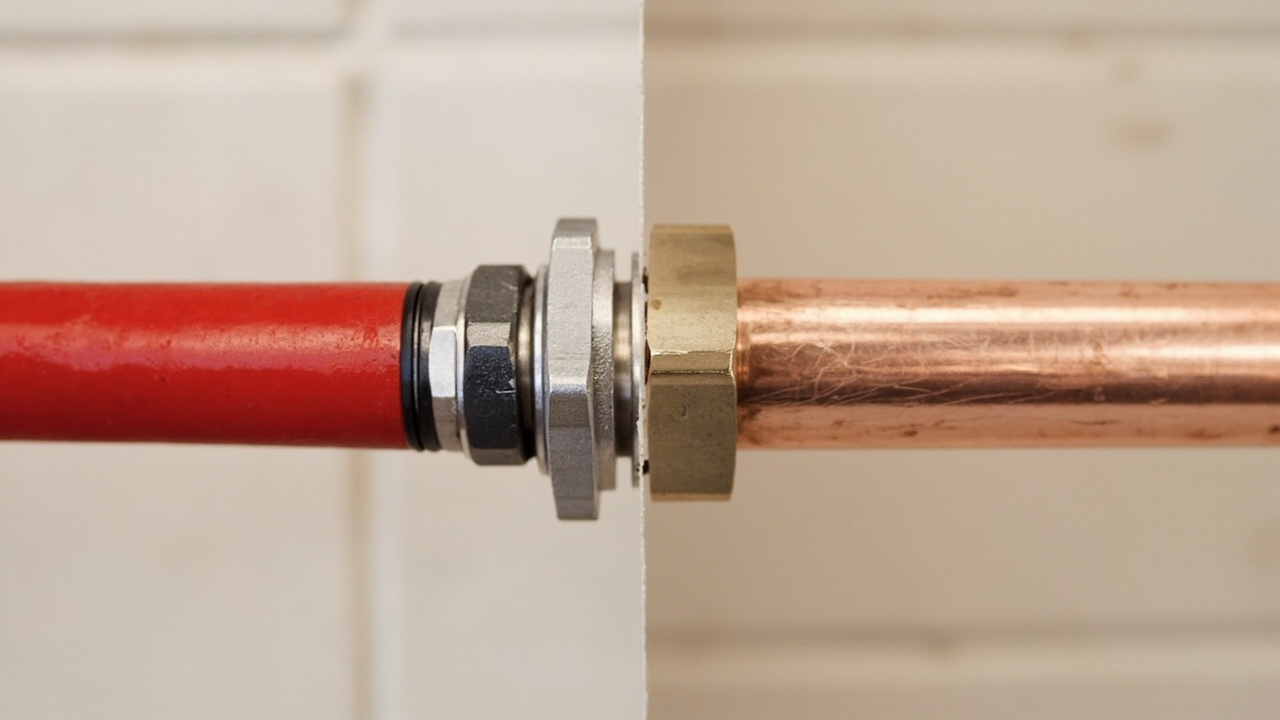
Our seismic activity demands flexible systems that can withstand ground movement. The difference between PEX and copper pipes becomes critical when you consider that rigid copper can crack during earthquakes, while cross-linked polyethylene flexes and absorbs movement. This is not theoretical. Los Angeles sits on active fault lines, and your piping system needs to account for that reality.

Water quality in different Los Angeles neighborhoods varies significantly. Areas with higher mineral content in the water supply can cause copper oxidation over time, leading to pinhole leaks. PEX resists corrosion completely. However, copper naturally inhibits bacterial growth, which matters in older buildings where water can sit stagnant in lines.

Temperature fluctuations in our foothill communities and coastal areas create expansion and contraction cycles. Copper piping vs PEX plumbing responds differently to these thermal changes. Copper expands uniformly but requires more joints, creating potential failure points. PEX expands without bursting and needs fewer connections.

Building codes in Los Angeles County permit both materials, but installation requirements differ. The PEX vs copper comparison must factor in your specific property type, whether you have a post-1978 home in Silver Lake, a mid-century ranch in Encino, or a Spanish Colonial in Hancock Park.

Your choice affects not just installation costs but long-term maintenance, water quality, and system longevity. Understanding these trade-offs helps you avoid expensive mistakes.

Why Los Angeles Homeowners Face Critical Choices Between PEX and Copper Piping
How Cross-Linked Polyethylene and Copper Tubing Actually Perform in Real-World Applications

How Cross-Linked Polyethylene and Copper Tubing Actually Perform in Real-World Applications

The PEX vs copper comparison requires examining actual performance characteristics, not marketing claims.

Copper offers proven longevity. Type L copper, the standard for residential applications, lasts 50 years or more in ideal conditions. It handles high temperatures without degrading, making it suitable for recirculation systems and solar water heating installations common in Los Angeles. Copper also adds trace minerals that some studies suggest benefit health.

However, copper requires skilled installation. Every joint needs soldering, which introduces labor costs and potential weak points. Acidic water, present in some Los Angeles municipal supplies, accelerates copper corrosion. Electrolysis occurs when copper contacts dissimilar metals, causing premature failure. Copper theft remains a concern during construction and renovation projects in certain neighborhoods.

PEX brings different advantages. Installation speed increases dramatically since cross-linked polyethylene uses mechanical connections instead of soldering. A manifold system allows individual fixture shutoff, making repairs simpler. PEX resists scale buildup and handles freeze events better than copper, relevant for properties in Wrightwood or Mountain High areas.

PEX limitations exist. It cannot tolerate direct sunlight, requiring protection in exposed installations. Some homeowners report a plastic taste in water during the first few weeks after installation, though this dissipates. PEX cannot be recycled like copper. Questions remain about long-term chemical leaching, though current research shows levels well below safety thresholds.

Material costs favor PEX, but skilled labor for copper installation costs more. A 1,500-square-foot home repipe in West Los Angeles shows this difference clearly. The cross-linked polyethylene vs copper tubing decision hinges on your specific situation, not generic comparisons.

A Plus Plumbing Los Angeles evaluates your water pressure, existing plumbing configuration, and long-term plans before recommending either material. We install both systems correctly.

What Actually Happens During a Piping Material Evaluation

PEX vs. Copper Piping Guide in Los Angeles – Make the Right Choice for Your Home's Water System
01

System Assessment

We inspect your current plumbing system, test water pressure at multiple fixtures, and check for corrosion patterns in existing pipes. Water quality testing reveals mineral content and pH levels that affect material selection. We document your property's age, construction type, and whether you plan future renovations that might require system modifications. This baseline determines which material suits your specific conditions.
02

Cost Analysis

We calculate material and labor costs for both copper and PEX installations based on your home's square footage and fixture count. This includes comparing installation timeframes, which affects how long you need alternative water arrangements. We factor in long-term maintenance costs, expected lifespan differences, and potential resale value impacts. You receive a transparent comparison showing total cost of ownership over 20 years.
03

Material Recommendation

We present our findings with specific reasons why copper or PEX better serves your property. This recommendation considers your budget, timeline, and long-term goals. You understand exactly why we suggest one material over another based on your water quality, building type, and local code requirements. No pressure, just facts that help you make the right choice for your investment.

Why Los Angeles Properties Require Local Plumbing Expertise for Material Selection

Generic plumbing advice fails in Los Angeles because our region presents unique variables that affect piping performance.

Seismic considerations matter here more than almost anywhere else in the country. California plumbing code Section 1210.1 requires seismic restraints for water piping systems. PEX naturally offers more flexibility during ground movement, but properly installed copper with earthquake-rated brackets also meets code. Understanding which system works better for your specific location along fault lines requires local knowledge.

Los Angeles Department of Water and Power supplies different neighborhoods with water from various sources. Homes in the San Fernando Valley receive different water chemistry than properties in South Los Angeles. These variations affect corrosion rates, scale buildup, and material longevity. A plumber who works exclusively in your area understands these distinctions.

Historic districts throughout Los Angeles impose additional requirements. Properties in the Windsor Square HPOZ or the Angelino Heights Historic Preservation Overlay Zone face restrictions that affect visible plumbing installations. Knowing when copper provides aesthetic benefits that justify higher costs requires familiarity with historic preservation guidelines.

Water pressure varies significantly across Los Angeles neighborhoods. Properties in hillside communities often deal with pressure exceeding 80 PSI, requiring pressure reduction valves regardless of piping material. Understanding how PEX and copper handle different pressure ranges prevents system failures.

A Plus Plumbing Los Angeles works daily in neighborhoods from Boyle Heights to Brentwood. We know which materials last longer in specific areas based on actual field experience, not theory. When we evaluate your property in Mar Vista, we bring knowledge from hundreds of similar installations in that exact neighborhood.

Local expertise means understanding that a 1920s home in Highland Park needs different considerations than a 2015 construction in Playa Vista. We match materials to your specific building and location.

What to Expect When Choosing Between Piping Materials

Timeline Differences

PEX installations typically complete 30 to 40 percent faster than copper installations for whole-house repiping projects. A 1,800-square-foot home takes approximately three days with PEX versus five days with copper. This difference matters if you need to arrange temporary housing or time off work. However, copper installations in smaller repair scenarios may take similar timeframes since the difference comes from connection methods. We provide accurate scheduling based on your specific project scope, not generic estimates. You know exactly when your water service returns to normal.

Initial Consultation Process

Your evaluation appointment takes 45 to 90 minutes depending on property size and system complexity. We test water at your main supply line and at fixtures furthest from the meter. You receive a written assessment explaining which material we recommend and why, including water test results showing pH, mineral content, and any contamination concerns. We walk you through code requirements specific to Los Angeles County and your property type. You leave understanding the trade-offs, not confused by technical jargon. The consultation helps you make an informed choice based on your priorities.

Installation Quality Standards

Proper copper installation requires clean, flux-free joints with complete solder penetration. We pressure test systems at 150 PSI for four hours before covering any pipes. PEX installations use expansion fittings that create stronger connections than crimp rings. We photograph every connection before drywall repair so you have documentation of your new system. All installations comply with UPC amendments specific to California. Your system receives a final inspection and you get copies of all permits and inspection records. Quality installation prevents callbacks and ensures your investment delivers decades of reliable service.

Long-Term Performance Expectations

Type L copper systems in Los Angeles typically last 50 years with proper water chemistry. PEX manufacturers rate their products for 50 years, though actual field history extends only about 30 years. We recommend water quality testing every five years to monitor pH changes that affect copper. PEX requires no ongoing maintenance beyond normal fixture care. Both systems need proper winterization if you have vacation properties in mountain areas. We provide maintenance guidelines specific to your chosen material and local water conditions. Understanding realistic lifespan expectations helps you plan for eventual replacement or upgrades.

Frequently Asked Questions

You Have Questions,
We Have Answers

How Los Angeles Water Quality and Seismic Activity Affect Your PEX vs. Copper Decision

Los Angeles sits above multiple fault lines, with the San Andreas Fault, the Santa Monica Fault, and the Newport-Inglewood Fault creating constant seismic risk. The difference between PEX and copper pipes becomes critical during ground movement. Rigid copper requires expansion loops and flexible connections at specific intervals to prevent stress fractures during earthquakes. PEX naturally flexes, absorbing lateral movement without joint failure. Properties in Sherman Oaks, Northridge, and Sylmar, which experienced severe damage during the 1994 earthquake, benefit particularly from PEX's flexibility. However, copper's rigidity provides better resistance to water hammer in high-rise buildings downtown and in Century City. Your property's seismic zone rating directly influences which material provides better long-term reliability.

Los Angeles County requires licensed plumbers to pull permits for whole-house repiping projects, and inspectors verify compliance with California Plumbing Code amendments specific to our region. A Plus Plumbing Los Angeles maintains relationships with inspectors across all Los Angeles County districts, ensuring smooth approval processes. We understand which materials inspectors prefer for specific applications in different neighborhoods. Our familiarity with local supply houses means we source materials quickly, avoiding delays that extend your project timeline. Choosing a plumbing company that works exclusively in Los Angeles ensures your installation meets not just code minimums but best practices developed through decades of local experience with both copper and PEX systems.
Plumbing Services in The Los Angeles Area

Discover where we operate and easily locate our office or service areas on the map below. Whether you're planning routine maintenance or dealing with an urgent plumbing issue, you’ll see we’re right in your neighborhood. Use the interactive map to view service zones, our central office location, and nearby landmarks. You can zoom in for detailed directions or get contact info directly—with just a click, get directions to meet our skilled plumbing team in person.

Address:
A Plus Plumbing Los Angeles, 6080 Center Dr, Los Angeles, CA, 90045

Additional Services We Offer

Our news updates

Latest Articles & News from The Blogs

Everything You Need to Know About Sewer Connections for a Valley Village ADU Adding an accessory dwelling unit to your…

Everything You Need to Know About Sewer Connections for a Valley Village ADU

Everything You Need to Know About Sewer Connections for a Valley Village ADU Adding an accessory dwelling unit to your…

How to Get Rid of That Sulfur Smell in Your Van Nuys Water Heater

How to Get Rid of That Sulfur Smell in Your Van Nuys Water Heater \p>If your hot water smells like…

Why Replacing Plastic Supply Lines With Braided Stainless Steel Can Save Your Toluca Lake Home From Water Damage

Why Replacing Plastic Supply Lines With Braided Stainless Steel Can Save Your Toluca Lake Home From Water Damage Water damage…

Contact Us

Stop researching and start solving your plumbing questions. Call A Plus Plumbing Los Angeles at (213) 449-7577 for a professional material evaluation. We assess your specific property and provide recommendations based on your water quality, building type, and long-term goals. No pressure, just honest expertise.