
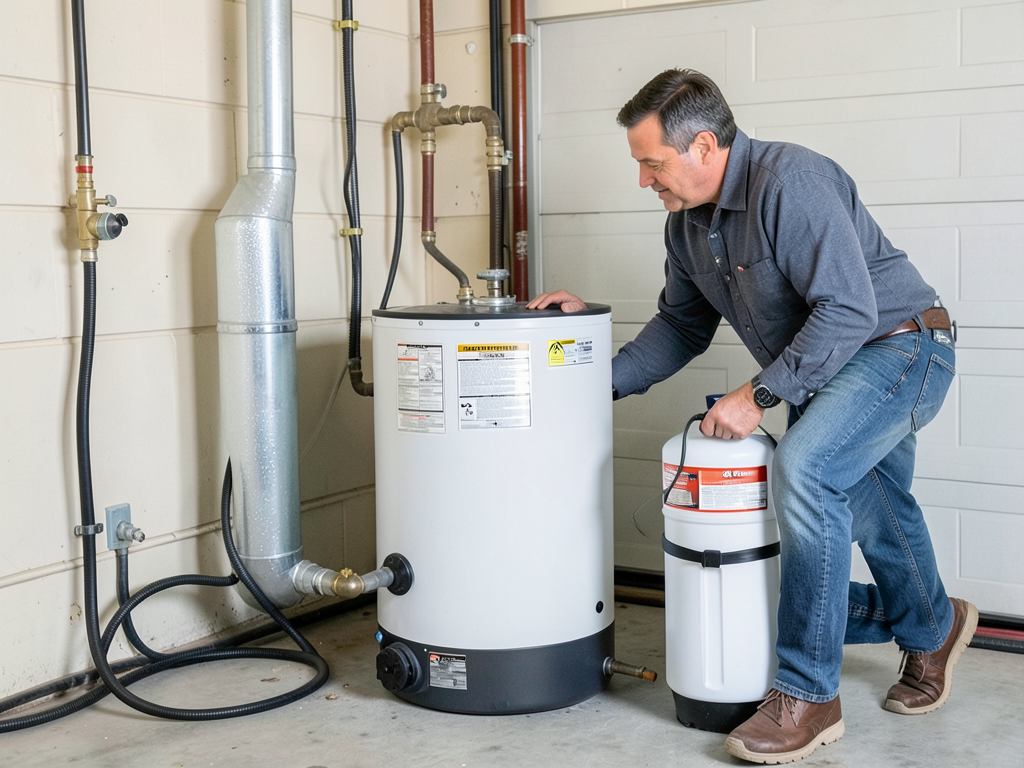
Water Softeners vs Salt-Free Conditioners for Dealing With Porter Ranch Hard Water
Porter Ranch residents know the frustration of hard water all too well. The water here contains high levels of dissolved minerals, primarily calcium and magnesium, which leave scale buildup on fixtures, reduce soap effectiveness, and shorten the lifespan of appliances. When choosing a water treatment system, you face two main options: traditional salt-based water softeners or salt-free water conditioners. Both address hard water, but they work differently and serve different needs. Water Quality Association.
Salt-based softeners use ion exchange to remove hardness minerals, replacing them with sodium ions. This process produces truly soft water that prevents scale formation and improves soap lathering. Salt-free conditioners, on the other hand, use template-assisted crystallization to alter the structure of hardness minerals so they cannot form scale, but they do not remove the minerals from the water. The choice between them depends on your household needs, environmental concerns, and local regulations.. Read more about Why Hard Water Is Ruining Your Hair and Skin in the Fairfax District.
Porter Ranch’s water hardness typically measures between 12-20 grains per gallon, placing it in the “very hard” category according to the Water Quality Association. This level of hardness causes significant problems: scale buildup in tankless water heaters reduces efficiency by up to 30%, hard water spots appear on glassware within hours of washing, and soap scum accumulates in showers faster than in areas with softer water. Understanding these impacts helps you make the right choice for your home. The Most Reliable Tankless Water Heater Installers in Holmby Hills.
How Salt-Based Water Softeners Work
Salt-based water softeners operate through a process called ion exchange. Inside the softener tank, resin beads carry a negative charge and are coated with sodium ions. As hard water flows through the tank, the positively charged calcium and magnesium ions are attracted to the resin beads and exchange places with the sodium ions. This removes the hardness minerals from the water supply.
Over time, the resin beads become saturated with calcium and magnesium ions and must be regenerated. During regeneration, the system flushes the resin bed with a brine solution (salt and water), which forces the calcium and magnesium off the beads and replaces them with sodium ions again. The flushed minerals and excess salt are then discharged through a drain line.
The regeneration cycle typically occurs every 3-7 days depending on water usage and hardness level. Modern systems use metered regeneration, which only regenerates when necessary based on actual water consumption, reducing salt and water waste. The process requires a drain connection and electrical power to operate the control valve and timer.
How Salt-Free Water Conditioners Work
Salt-free water conditioners use a different approach called template-assisted crystallization (TAC). Instead of removing hardness minerals, these systems change their physical structure. The conditioner contains a special media made of polymer beads that serve as nucleation sites for the minerals.
As water passes through the media, calcium and magnesium ions are attracted to the nucleation sites and form microscopic crystals. These crystals remain suspended in the water and cannot attach to surfaces to form scale. The minerals are not removed from the water, but their ability to cause scale is neutralized.
This process requires no electricity, no drain connection, and no regeneration cycle. The media lasts approximately 3-5 years before needing replacement, depending on water quality and usage. Because no minerals are removed, the water’s total dissolved solids (TDS) level remains unchanged, and the water retains its natural mineral content.
The key difference is that salt-free conditioners prevent new scale formation but cannot remove existing scale buildup in pipes or appliances. They also do not provide the “slippery” feel of softened water or improve soap lathering as effectively as salt-based systems.
Side-by-Side Comparison of Water Treatment Technologies
| Feature | Salt-Based Softener | Salt-Free Conditioner |
|---|---|---|
| Mineral Removal | Removes calcium and magnesium | Alters mineral structure, does not remove |
| Maintenance Frequency | Monthly salt refill, regeneration every 3-7 days | Media replacement every 3-5 years |
| Installation Cost | $1,200 – $2,500 | $800 – $1,800 |
| Operating Costs | $100 – $200 annually for salt and water | $50 – $100 annually for media replacement |
| Space Requirements | Requires space for tank and brine tank | Compact, single tank unit |
| Environmental Impact | Discharges salt brine, uses water for regeneration | No discharge, no water waste |
Impact on Porter Ranch Homes and Appliances
The hard water in Porter Ranch affects multiple aspects of home life. Tankless water heaters, which are popular in newer Porter Ranch developments, are particularly vulnerable to scale buildup. Scale acts as an insulator on heat exchanger surfaces, forcing the unit to work harder and reducing efficiency by up to 30%. This can lead to higher energy bills and premature failure of the heating elements.
Traditional tank-style water heaters also suffer from hard water effects. Scale accumulates on the bottom of the tank, reducing the available hot water volume and insulating the burner from the water it needs to heat. This results in longer heating cycles and increased energy consumption. The lifespan of a water heater in Porter Ranch can be reduced by 2-4 years compared to areas with softer water.
Dishwashers and washing machines experience reduced performance due to hard water. Scale buildup in heating elements causes them to work less efficiently, while mineral deposits on internal components can lead to mechanical failures. Clothes washed in hard water feel stiffer and may appear dingy due to soap scum that redeposits during the rinse cycle.
Plumbing fixtures throughout Porter Ranch homes show visible signs of hard water damage. Showerheads develop white, crusty deposits that restrict water flow, while faucet aerators become clogged with mineral buildup. Glass shower doors develop a cloudy film that standard cleaning products struggle to remove. These issues require more frequent cleaning and maintenance. Plumbing Glendale.
Environmental Considerations and Local Regulations
California has been at the forefront of regulating salt-based water softeners due to environmental concerns. The discharge of salt brine into municipal sewer systems can increase salinity in wastewater, making it more difficult and expensive to treat for reuse or discharge into natural waterways. Some California communities have implemented restrictions or bans on new salt-based softener installations. Sewer Line Repair Experts for Older Homes in Pasadena.
The Metropolitan Water District of Southern California, which supplies water to Porter Ranch through the Los Angeles Department of Water and Power, has actively promoted water conservation and quality initiatives. While Porter Ranch itself does not have specific bans on salt-based softeners, homeowners should be aware of potential future regulations as water agencies continue to focus on sustainable water management practices. EPA WaterSense program.
Salt-free conditioners offer an environmentally friendly alternative that aligns with California’s water conservation goals. These systems produce no wastewater, require no electricity, and do not discharge salt into the environment. For environmentally conscious homeowners in Porter Ranch, this can be a significant advantage when making the decision between treatment technologies.
The California Plumbing Code, under Title 24, includes provisions for water conservation that affect plumbing fixture choices and water treatment systems. While not specifically targeting water softeners, the code’s emphasis on reducing water waste influences the design and operation of all water-using appliances and systems in residential construction. Plumbing Santa Clarita.
Maintenance Requirements and Long-Term Costs
Salt-based water softeners require regular maintenance to operate effectively. The brine tank needs refilling with salt every 4-8 weeks, depending on water usage and hardness level. The type of salt matters: solar salt, evaporated salt pellets, or block salt are preferred over rock salt, which contains impurities that can damage the system. Annual professional maintenance is recommended to clean the brine tank, check the resin bed, and ensure all components function properly.
The resin bed in a salt-based softener typically lasts 10-15 years before needing replacement. The control valve, which manages the regeneration cycle, may need servicing or replacement after 10-12 years. These maintenance costs should be factored into the total cost of ownership over the system’s lifespan.
Salt-free conditioners have minimal maintenance requirements. The primary task is replacing the media every 3-5 years, which involves draining the system and installing new media. No electricity is required, and there are no moving parts to wear out. The lack of regeneration cycles means no water is wasted during operation, which can be beneficial in areas with water restrictions.. Read more about Essential Plumbing Requirements for New Coffee Shops in the Arts District.
Operating costs differ significantly between the two technologies. Salt-based systems consume electricity for the control valve and use approximately 50 gallons of water per regeneration cycle. Salt-free conditioners use no electricity and waste no water, making them more cost-effective to operate over time despite potentially higher initial media replacement costs.
Installation Considerations for Porter Ranch Homes
Installing a water treatment system in a Porter Ranch home requires consideration of several factors. Most homes in the area were built between the 1970s and 2000s, with a mix of copper and PEX plumbing. The existing plumbing configuration affects installation complexity and cost. Homes with accessible main water lines near the water heater location offer easier installation paths.. Read more about Plumbing Considerations for Installing a Professional Grade Misting System in Sun Valley.
Space availability is crucial for salt-based softeners, which require room for both the resin tank and the brine tank. A typical installation needs a 3-foot by 2-foot footprint with adequate clearance for maintenance access. Salt-free conditioners are more compact, often fitting into spaces as small as 18 inches by 8 inches, making them suitable for tighter installations.
Water pressure in Porter Ranch typically ranges from 40-65 psi, which is adequate for most water treatment systems. However, homes at higher elevations or those with long plumbing runs may experience lower pressure. Some systems include built-in pressure regulators or require additional components to ensure proper operation.
Local building codes require permits for water softener installations in Los Angeles County. The installation must comply with California Plumbing Code requirements for cross-connection prevention, typically involving the installation of a backflow prevention device. Licensed plumbers familiar with local regulations should handle the installation to ensure compliance and warranty protection.
Choosing the Right System for Your Household
The decision between a salt-based softener and a salt-free conditioner depends on your household’s specific needs and priorities. Families with high water usage, multiple bathrooms, and a focus on cleaning performance may prefer the complete mineral removal offered by salt-based systems. The improved soap lathering, spot-free dishes, and extended appliance life can justify the higher operating costs and maintenance requirements.
Households with environmental concerns, water conservation priorities, or those subject to local salt-based softener restrictions may find salt-free conditioners more suitable. These systems provide adequate scale prevention for most applications while aligning with sustainable water management practices. They are also ideal for homes with septic systems, as they produce no brine discharge that could affect the septic field.
The presence of specific water-using appliances can influence the decision. Homes with high-efficiency tankless water heaters, expensive coffee makers, or steam showers may benefit more from the complete mineral removal of salt-based softeners. The protection of these investments often outweighs the additional operating costs over time.
Budget considerations extend beyond initial purchase price. Salt-based systems typically cost more to install and operate but provide more complete water treatment. Salt-free conditioners have lower operating costs but may not address all hard water issues. Consider the total cost of ownership over a 10-year period when making your decision.
Professional Installation and System Sizing
Proper system sizing is critical for effective water treatment. An undersized system will regenerate too frequently, wasting salt and water, while an oversized system may not regenerate often enough, leading to hard water breakthrough. Sizing depends on household water usage, hardness level, and peak flow rate requirements.
A typical Porter Ranch household of four people uses approximately 320 gallons of water per day. With water hardness of 15 grains per gallon, this translates to 4,800 grains of hardness that must be removed daily. A properly sized salt-based softener for this household would need a resin capacity of at least 32,000 grains, allowing for regeneration every 6-7 days.
Peak flow rate is another important consideration. The system must handle the maximum water flow rate when multiple fixtures operate simultaneously. A typical household may require a flow rate of 10-12 gallons per minute during peak usage. Systems with flow rates below this level can cause pressure drops and reduced water availability.
Professional installation ensures proper system sizing, correct plumbing connections, and compliance with local codes. Licensed plumbers can also test your water quality to determine exact hardness levels and recommend the most appropriate treatment technology. They can identify potential installation challenges specific to your home’s plumbing configuration.
Water Quality Testing and Analysis
Before investing in any water treatment system, professional water testing provides essential information about your specific water quality. A comprehensive test should measure hardness (grains per gallon), pH level, iron content, manganese levels, and total dissolved solids. This data helps determine the most effective treatment approach.
Hardness testing reveals whether your water falls into the “very hard” category that requires treatment. Porter Ranch water typically tests between 12-20 GPG, but variations can occur based on seasonal changes in water sources and distribution system conditions. Testing ensures you select a system sized appropriately for your actual water conditions.
pH level affects the corrosivity of water and can influence the choice between treatment technologies. Water with low pH (acidic) can be corrosive to plumbing and may require additional treatment beyond hardness removal. High pH water can cause mineral precipitation even with treatment, necessitating more comprehensive solutions.
Iron and manganese content, while not directly related to hardness, can interfere with water softener operation. These minerals can foul resin beds and reduce system effectiveness. Testing for these contaminants helps determine if additional filtration stages are needed before the water enters the softener or conditioner.
Additional Water Treatment Options
Some Porter Ranch homeowners combine water treatment systems for comprehensive water quality improvement. A common approach pairs a whole-house water conditioner with a point-of-use reverse osmosis system for drinking water. This combination addresses scale prevention throughout the home while providing purified drinking water at specific taps.
Reverse osmosis systems remove dissolved solids, including hardness minerals, but operate at much lower flow rates than whole-house systems. They are typically installed under kitchen sinks to provide purified water for drinking and cooking. When combined with a whole-house conditioner, this approach provides both scale prevention and high-quality drinking water.
Carbon filtration systems can be added to address chlorine taste and odor in Porter Ranch water. While not directly related to hardness, many homeowners appreciate the improved taste and smell that carbon filtration provides. These systems are often installed in conjunction with water softeners or conditioners to provide comprehensive water treatment.
UV disinfection systems provide additional protection against bacteria and microorganisms in the water supply. While Porter Ranch water is treated at municipal facilities, some homeowners choose UV treatment for added peace of mind, particularly in homes with private wells or those concerned about water quality.
Cost-Benefit Analysis for Porter Ranch Residents
The financial decision between water treatment technologies involves comparing upfront costs against long-term benefits. A salt-based softener typically costs $1,200 – $2,500 installed, with annual operating costs of $100 – $200 for salt and water. Over a 10-year period, total costs including maintenance range from $2,400 – $4,500.
Salt-free conditioners cost $800 – $1,800 installed, with annual operating costs of $50 – $100 for media replacement. Over 10 years, total costs including media replacement range from $1,300 – $2,800. The lower operating costs and minimal maintenance requirements can offset the potentially shorter lifespan of some salt-free systems.
The benefits of water treatment extend beyond direct costs. Scale prevention can extend appliance life by 2-4 years, potentially saving $500 – $1,000 in replacement costs. Improved cleaning efficiency reduces soap and detergent usage by 50-75%, saving $100 – $200 annually. These benefits can offset a significant portion of treatment system costs.
Energy savings from improved water heater efficiency can also contribute to the cost-benefit calculation. Scale buildup reduces water heater efficiency by 20-30%, increasing energy costs. A water treatment system that prevents scale can reduce energy consumption, potentially saving $50 – $100 annually on utility bills.
Making Your Decision
The choice between water softeners and salt-free conditioners ultimately depends on your household priorities, environmental concerns, and local regulations. Salt-based softeners provide complete mineral removal and superior cleaning performance but require more maintenance and have environmental impacts. Salt-free conditioners offer scale prevention with minimal maintenance and environmental impact but do not provide all the benefits of softened water.
Consider your household’s specific needs: Do you have high-end appliances that would benefit from complete mineral removal? Are you concerned about environmental impact and water conservation? Do you have space constraints that limit installation options? Are you subject to any local regulations regarding water softeners?
Professional consultation can help you navigate these decisions. A licensed plumber can test your water quality, assess your home’s plumbing configuration, and recommend the most appropriate system for your needs. They can also provide accurate installation quotes and explain the maintenance requirements for each option.
Remember that water treatment is an investment in your home’s plumbing system and your family’s comfort. The right system can prevent costly repairs, extend appliance life, and improve your daily living experience. Take time to evaluate your options carefully before making this important decision.
Frequently Asked Questions
What is the main difference between a water softener and a water conditioner?
A water softener removes hardness minerals through ion exchange, replacing calcium and magnesium with sodium ions. A water conditioner changes the structure of hardness minerals so they cannot form scale but does not remove them from the water.
Is a permit required to install a water softener in Porter Ranch?
Yes, Los Angeles County requires permits for water softener installations. The system must comply with California Plumbing Code requirements, including cross-connection prevention measures. Licensed plumbers can handle the permitting process as part of the installation.
How often do I need to add salt to a water softener?
Salt typically needs to be added every 4-8 weeks, depending on water usage and hardness level. The brine tank should be checked monthly and refilled when the salt level drops below half full. Modern systems with metered regeneration use less salt than older timer-based models.
Can I install a water treatment system myself?
While DIY installation is possible, professional installation is recommended for water treatment systems. Licensed plumbers ensure proper sizing, correct plumbing connections, compliance with local codes, and maintain warranty coverage. They can also test your water quality and recommend the most appropriate system.
How long do water treatment systems typically last?
Salt-based water softeners typically last 10-15 years with proper maintenance. The resin bed may need replacement after 10-12 years, and the control valve may require servicing. Salt-free conditioners can last 15-20 years with only media replacement needed every 3-5 years.
Call (213) 449-7577 today to schedule your water quality test and consultation with our Porter Ranch plumbing experts. We’ll help you choose the right water treatment system for your home’s specific needs. Expert Leak Detection Services to Save Your Venice Beach Property.
Pick up the phone and call (213) 449-7577 before the next scale buildup damages your expensive appliances. Our licensed plumbers are ready to help Porter Ranch homeowners solve their hard water problems with the right solution for their needs.
You may also find this helpful. Adding a Dedicated Dog Wash Station to Your Westlake Home (Plumbing Basics).
You may also find this helpful. Blue and Green Stains in Your Larchmont Village Sinks (What It Means for Your Pipes).
{
“@context”: “https://schema.org”,
“@type”: “BlogPosting”,
“headline”: “Water Softeners vs Salt-Free Conditioners for Dealing With Porter Ranch Hard Water”,
“description”: “Compare salt-based softeners and salt-free conditioners for Porter Ranch hard water. Learn maintenance, costs, and local regulations from LA plumbing experts. Call (213) 449-7577.”,
“wordCount”: 3194,
“datePublished”: “2026-05-16T09:09:00.000Z”,
“dateModified”: “2026-05-16T09:09:00.000Z”,
“inLanguage”: “en-US”,
“mainEntityOfPage”: {
“@type”: “WebPage”,
“@id”: “https://aplusplumbinglosangeles.com”
},
“publisher”: {
“@type”: “LocalBusiness”,
“name”: “A Plus Plumbing Los Angeles”,
“url”: “https://aplusplumbinglosangeles.com”
},
“author”: {
“@type”: “Organization”,
“name”: “A Plus Plumbing Los Angeles”,
“url”: “https://aplusplumbinglosangeles.com”
},
“image”: {
“@type”: “ImageObject”,
“url”: “https://aplusplumbinglosangeles.com/wp-content/uploads/2026/03/water-softeners-vs-salt-free-conditioners-for-deal-1.png”
}
}
{
“@context”: “https://schema.org”,
“@type”: “Plumber”,
“name”: “A Plus Plumbing Los Angeles”,
“url”: “https://aplusplumbinglosangeles.com”,
“address”: {
“@type”: “PostalAddress”,
“addressLocality”: “Los Angeles”
},
“areaServed”: {
“@type”: “City”,
“name”: “Los Angeles”
}
}
{
“@context”: “https://schema.org”,
“@type”: “FAQPage”,
“mainEntity”: [
{
“@type”: “Question”,
“name”: “What is the main difference between a water softener and a water conditioner?”,
“acceptedAnswer”: {
“@type”: “Answer”,
“text”: “A water softener removes hardness minerals through ion exchange, replacing calcium and magnesium with sodium ions. A water conditioner changes the structure of hardness minerals so they cannot form scale but does not remove them from the water.”
}
},
{
“@type”: “Question”,
“name”: “Is a permit required to install a water softener in Porter Ranch?”,
“acceptedAnswer”: {
“@type”: “Answer”,
“text”: “Yes, Los Angeles County requires permits for water softener installations. The system must comply with California Plumbing Code requirements, including cross-connection prevention measures. Licensed plumbers can handle the permitting process as part of the installation.”
}
},
{
“@type”: “Question”,
“name”: “How often do I need to add salt to a water softener?”,
“acceptedAnswer”: {
“@type”: “Answer”,
“text”: “Salt typically needs to be added every 4-8 weeks, depending on water usage and hardness level. The brine tank should be checked monthly and refilled when the salt level drops below half full. Modern systems with metered regeneration use less salt than older timer-based models.”
}
},
{
“@type”: “Question”,
“name”: “Can I install a water treatment system myself?”,
“acceptedAnswer”: {
“@type”: “Answer”,
“text”: “While DIY installation is possible, professional installation is recommended for water treatment systems. Licensed plumbers ensure proper sizing, correct plumbing connections, compliance with local codes, and maintain warranty coverage. They can also test your water quality and recommend the most appropriate system.”
}
},
{
“@type”: “Question”,
“name”: “How long do water treatment systems typically last?”,
“acceptedAnswer”: {
“@type”: “Answer”,
“text”: “Salt-based water softeners typically last 10-15 years with proper maintenance. The resin bed may need replacement after 10-12 years, and the control valve may require servicing. Salt-free conditioners can last 15-20 years with only media replacement needed every 3-5 years.”
}
}
]
}
{
“@context”: “https://schema.org”,
“@type”: “BreadcrumbList”,
“itemListElement”: [
{
“@type”: “ListItem”,
“position”: 1,
“name”: “Home”,
“item”: “https://aplusplumbinglosangeles.com”
},
{
“@type”: “ListItem”,
“position”: 2,
“name”: “Blog”,
“item”: “https://aplusplumbinglosangeles.com/blog”
},
{
“@type”: “ListItem”,
“position”: 3,
“name”: “Water Softeners vs Salt-Free Conditioners for Dealing With Porter Ranch Hard Water”
}
]
}
{
“@context”: “https://schema.org”,
“@type”: “Service”,
“serviceType”: “Plumbing”,
“provider”: {
“@type”: “LocalBusiness”,
“name”: “A Plus Plumbing Los Angeles”,
“url”: “https://aplusplumbinglosangeles.com”
},
“areaServed”: {
“@type”: “City”,
“name”: “Los Angeles”
},
“description”: “Compare salt-based softeners and salt-free conditioners for Porter Ranch hard water. Learn maintenance, costs, and local regulations from LA plumbing experts. Call (213) 449-7577.”
}