




menu

Water Stains on Ceiling or Walls in Los Angeles | Expert Diagnosis Stops Hidden Leaks Before Structural Damage

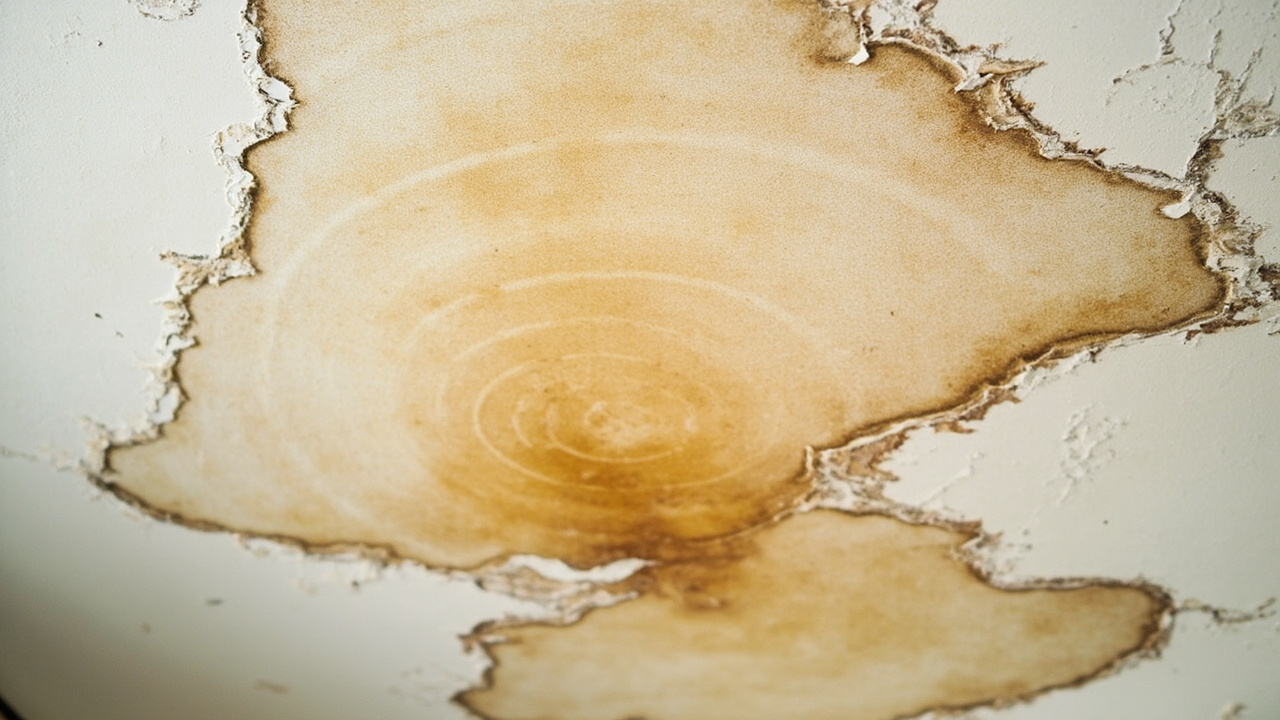
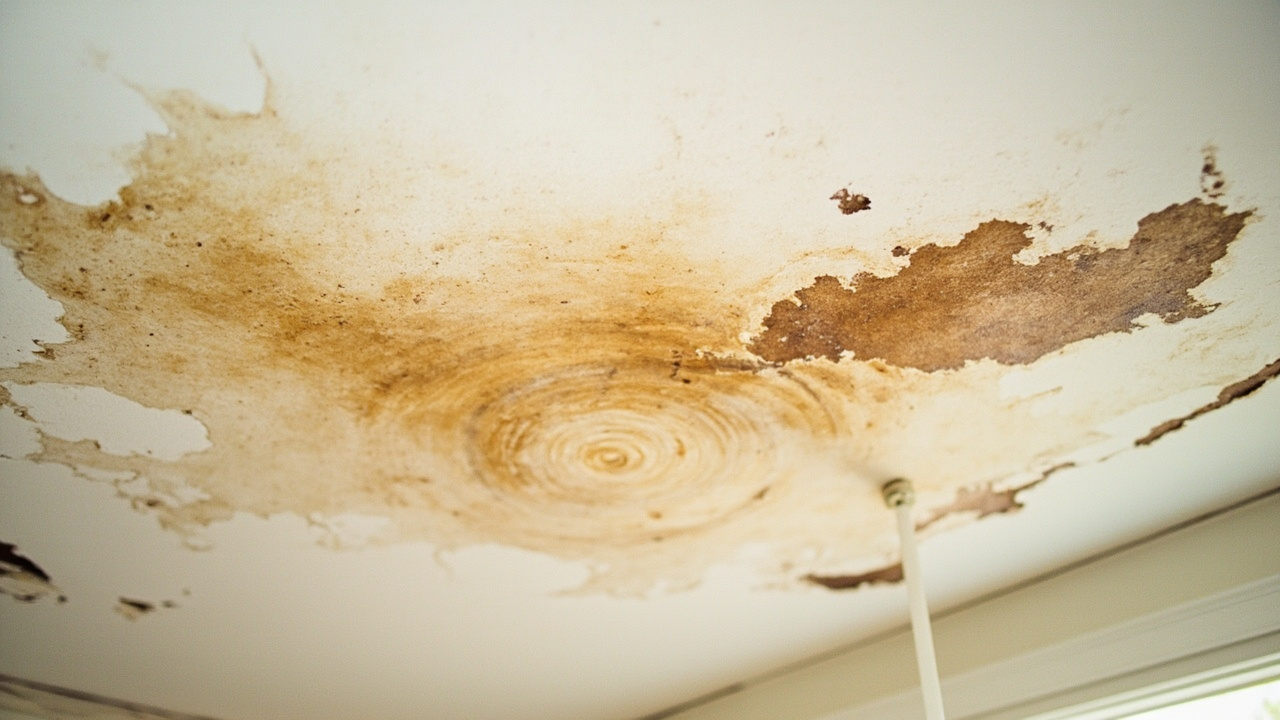
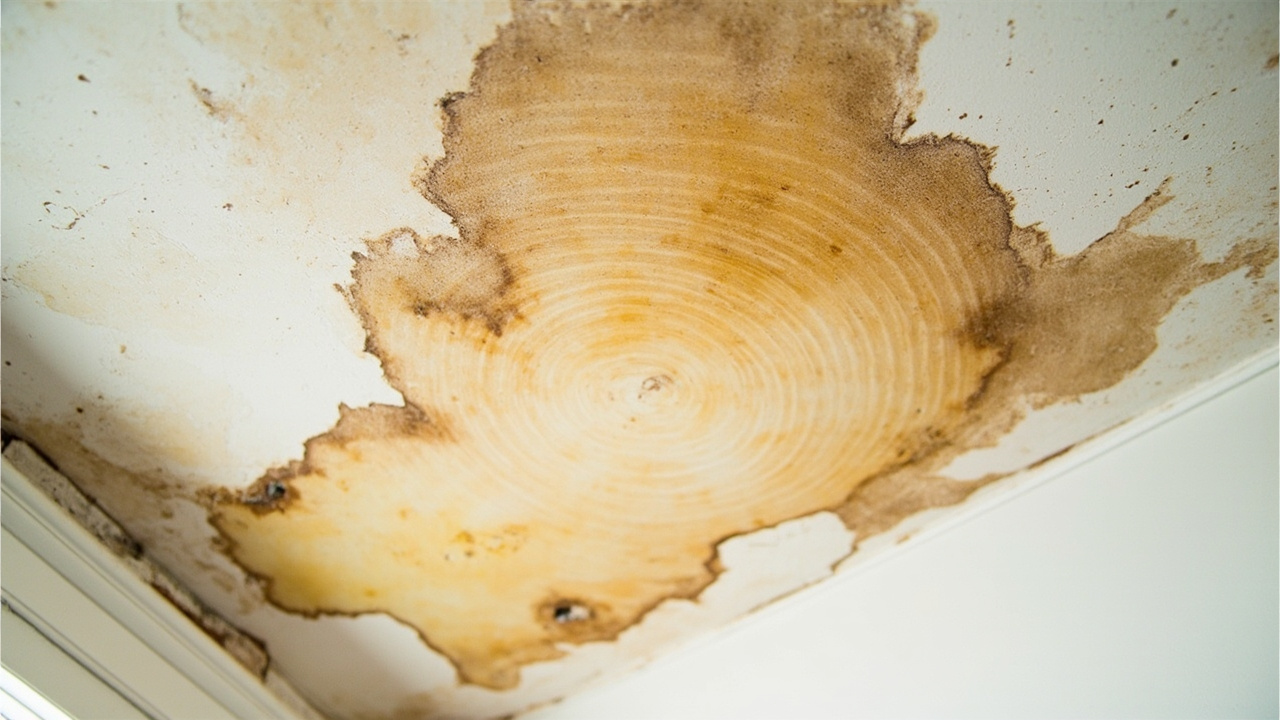
Those brown spots and yellow water marks signal active leaks that worsen daily. Our plumbing specialists use thermal imaging and moisture meters to pinpoint the exact source of ceiling discoloration, damp patches, and moisture stains before rot spreads through your drywall.

Slider Image 1
Slider Image 2
Slider Image 3
Slider Image 4
Slider Image 5
Slider Image 7
Slider Image 8
Slider Image 9
Slider Image 10
Slider Image 11

Why Water Stains Appear Fast in Los Angeles Homes

You walk into your living room and see it. A brown spot on the ceiling that was not there last week. Maybe it is a damp patch on the wall near your bathroom, or yellow water marks spreading across the drywall in your bedroom. That ceiling discoloration from a leak is not just ugly. It is a warning sign screaming at you.

Los Angeles homes face unique plumbing stress. The combination of aging infrastructure in neighborhoods like Silver Lake and Echo Park, combined with hard water that corrodes copper pipes faster, creates the perfect conditions for hidden leaks. When older homes in Historic Filipinotown or Koreatown were built, builders used galvanized pipes that rust from the inside out. You do not see the problem until moisture stains break through your ceiling.

The clay soil under most of Los Angeles shifts with seasonal rain cycles. When the ground moves, it stresses your supply lines and drain pipes. A pinhole leak in a second-floor bathroom pipe can drip into your ceiling cavity for weeks before you notice brown spots on the ceiling. By then, the drywall is saturated, insulation is ruined, and mold spores are multiplying in the dark.

Temperature swings between day and night cause pipes to expand and contract. In older buildings across Downtown or Mid-Wilshire, this constant movement weakens solder joints. Water seeps out slowly, following studs and joists until it finds a weak point in your ceiling paint. That is when you see the damp patches on walls or the telltale yellow ring that grows larger each day.

The problem escalates fast in Los Angeles because low humidity means water evaporates from the surface while the material behind stays wet. You think it is drying out. It is not.

Why Water Stains Appear Fast in Los Angeles Homes
How We Find and Fix the Real Source

How We Find and Fix the Real Source

Most homeowners make the same mistake. They see water stains on the ceiling and call a painter. The painter covers the stain with primer and fresh paint. Three weeks later, the brown spot comes back darker and bigger. You wasted money treating the symptom instead of the disease.

We start with the source, not the stain. Our diagnostic process uses FLIR thermal imaging cameras that detect temperature differences behind your walls and ceilings. Active leaks show up as cold spots because evaporating water pulls heat away from surrounding materials. We map the entire moisture path from the leak point to where it surfaces on your drywall.

Next, we use pin-type and pinless moisture meters to measure water content in your building materials. Drywall should read below 1% moisture. When we find readings above 3%, we know the material is actively absorbing water. Readings above 5% mean you have standing water in the cavity or significant saturation that requires material removal.

We do not guess about pipe location. We use electronic pipe locators that send signals through your supply lines, letting us trace the exact route of your plumbing without opening walls randomly. This matters in older Los Angeles homes where plumbing routes make no logical sense because they were added over decades of renovations.

Once we identify the leak, we evaluate whether the pipe can be repaired or needs replacement. A pinhole leak in accessible copper can be cut out and rejoined with proper fittings. Corroded galvanized pipes require full section replacement because once galvanized steel starts failing, the entire run is compromised. We explain what you are paying for and why before we cut into anything.

After the plumbing repair, we assess your ceiling and wall materials. Drywall that stayed wet for more than 72 hours needs replacement because mold has already colonized the paper backing. We do not seal problems inside your walls.

What Happens When You Call About Ceiling Stains

Water Stains on Ceiling or Walls in Los Angeles | Expert Diagnosis Stops Hidden Leaks Before Structural Damage
01

Emergency Leak Assessment

We arrive with diagnostic tools ready, not just a wrench. Our technician photographs the visible water stains, then uses thermal imaging to scan the affected area and surrounding spaces. We check your attic access, look at pipe routing, and measure moisture levels in multiple locations. This first visit tells us if you have an active emergency or a slow leak that is been hiding for months.
02

Pinpoint and Repair

Once we locate the exact failure point, we create the smallest access opening necessary to reach the damaged pipe. We cut out the failed section, inspect adjacent pipe for corrosion or stress, then install new materials that match your system. For copper, we use proper Type L fittings and lead-free solder. For PEX retrofits, we use expansion fittings that will not leak under pressure.
03

Drying and Verification

After the plumbing repair, we take final moisture readings to establish a drying baseline. If your materials are saturated, we recommend professional drying before closing walls. We return to verify moisture levels dropped below 1% before we clear the space for drywall repair. You get documentation of pre-repair and post-repair moisture readings for your records or insurance claim.

Why Los Angeles Homeowners Choose Local Plumbing Expertise

You need someone who understands how Los Angeles buildings fail. The plumber who works in Orange County all day does not know that most homes in Highland Park have galvanized supply lines hidden behind lath and plaster walls. They do not know that apartment buildings in Westlake were plumbed with quest polybutylene that is failing right now across thousands of units.

We have opened walls in Craftsman bungalows in Angelino Heights where the original 1910 plumbing is still active. We have traced leaks through post-war duplexes in Mar Vista where additions were plumbed with whatever materials the contractor found cheap that year. We know that buildings south of the 10 Freeway often have foundation moisture issues that mimic ceiling leaks but actually come from capillary action pulling groundwater up through concrete.

Local knowledge means we understand Los Angeles building codes and how they changed over decades. We know when permits are required and when repairs fall under maintenance exemptions. We know which inspectors work which districts and what they scrutinize during rough-in inspections.

We also understand the economic pressure you face. Los Angeles housing costs mean you cannot afford to let a small leak become a big reconstruction project. We give you the facts about what failed, why it failed, and what it takes to fix it right. If your insurance should cover it, we document everything you need for your claim. If this is a maintenance issue, we tell you that too.

You are not hiring a national franchise that sends whoever is available. You are hiring a local team that has fixed this exact problem in your neighborhood before. We know the soil conditions, the water pressure variations across different zones, and the common failure points in the housing stock that surrounds you.

When we leave, you have a repair that addresses the cause, not just the symptom. That is the difference between a real fix and a temporary patch.

What to Expect During Your Leak Diagnosis and Repair

Response Time and Availability

We schedule diagnostic visits within 24 hours for active leaks because delay increases damage. If you have water actively dripping or a stain that is growing visibly, we treat it as priority response. Our diagnostic visit takes 45 to 90 minutes depending on how many locations show moisture and how accessible your plumbing is. We give you a repair quote before we start any work. For after-hours emergencies where water is pouring through your ceiling, we dispatch immediately to stop the water source and prevent further saturation.

Diagnostic Process Explained

Our diagnostic process starts with your observations. When did you first notice the stain? Has it changed size? Do you hear dripping or running water? We correlate your information with visual inspection, thermal imaging, and moisture readings. We check your water meter to see if you have flow when all fixtures are off, which indicates a hidden leak. We test water pressure because excessive pressure accelerates pipe failure. You receive a written diagnostic report that explains what we found, where the problem is located, and what repair options make sense for your situation.

Repair Quality and Materials

We use materials that match or exceed what you have. Copper supply line repairs use Type L copper and lead-free solder that meets California plumbing code. PEX retrofits use expansion-style fittings that create stronger joints than crimp or clamp methods. We do not mix incompatible metals that create galvanic corrosion. Every joint is pressure-tested before we close walls. You see the repair work before it gets covered, and we explain what we did and why. The repair stops the leak permanently because we replaced the failed section and verified the surrounding pipe is sound.

Follow-Up and Prevention Guidance

After your repair, we provide guidance on monitoring for recurrence. We show you where to check for new moisture and what changes to watch for. If your building has risk factors like old galvanized pipes or high water pressure, we discuss long-term solutions that prevent future failures. We return for post-repair moisture verification to confirm your building materials are drying properly. If you need whole-house repiping or pressure regulation, we provide that assessment with no pressure. Our goal is to give you information that helps you make smart decisions about your plumbing system.

Frequently Asked Questions

You Have Questions,
We Have Answers

Why is there a water stain on my ceiling but no leak? +

Water stains without active leaks often result from past moisture events that have dried. In Los Angeles, this commonly happens after winter rains when a roof leak temporarily occurs then stops. Condensation from HVAC ducts in attics is another culprit, especially during temperature swings. The stain marks where water collected before evaporating. However, absence of visible dripping does not mean the problem resolved itself. The underlying issue, whether damaged flashing or a cracked pipe, likely persists and will resurface. You need a plumber to trace the original moisture source before hidden damage worsens behind your ceiling materials.

When to be concerned about water spots on a ceiling? +

Worry immediately if the stain expands, darkens, or feels damp to touch. Any sagging, bulging, or soft spots indicate structural compromise from prolonged water exposure. Multiple stains or stains near plumbing fixtures signal active leaks requiring urgent attention. In Los Angeles homes, ceiling stains after winter storms should be inspected promptly, as our clay soil shifts can stress pipe connections. Brown or yellow rings suggest ongoing moisture migration. Even small stains can hide extensive damage in ceiling joists or insulation. If you see any changes in size or texture, contact a licensed plumber immediately to prevent collapse or mold growth.

Why am I getting wet spots on my ceiling? +

Wet spots indicate active water intrusion from above. Common sources include leaking supply lines, drain pipes, roof penetrations, or failed shower pans in upstairs bathrooms. In multi-story Los Angeles homes, toilet wax ring failures or tub overflows frequently cause ceiling spots. HVAC condensate line clogs also drip onto ceilings. The wetness means water is continuously entering, saturating drywall and insulation. This creates perfect conditions for mold within 24 to 48 hours. You need immediate diagnosis. A plumber can use moisture meters and inspection cameras to pinpoint the exact leak location before water damages electrical systems or compromises structural framing.

How to find source of water stain on ceiling? +

Start by identifying what sits directly above the stain. Check attic spaces for roof leaks, especially around vents, chimneys, and skylights common in Los Angeles homes. Inspect all plumbing fixtures on upper floors, looking for corrosion or water trails. Feel insulation for dampness. Turn on faucets and flush toilets while someone watches the stain area for dripping. Check HVAC drain pans and condensate lines. For hidden leaks, professionals use infrared cameras to detect temperature differences or moisture meters to map wet areas. Cutting access holes may be necessary. Tracing leaks through finished ceilings requires experience to avoid unnecessary damage to your home.

How to tell if water is leaking into a ceiling? +

Active leaks show wetness, discoloration, or dripping. Touch the stained area. If damp or cool, water is present. Watch for expanding stain borders or darkening colors. Listen for dripping sounds in walls or ceilings after running water upstairs. Peeling paint, sagging drywall, or bubbling texture indicate saturation. In Los Angeles, check after heavy rains or when irrigation systems run, as these often reveal roof or exterior plumbing issues. Use a flashlight in attics to spot water trails on rafters or wet insulation. Persistent musty odors suggest hidden moisture. Professional moisture detection equipment provides definitive answers when visual inspection is inconclusive.

Does a water stain on the ceiling mean mold? +

Not always, but mold risk is high. Mold grows within 24 to 48 hours when porous materials like drywall stay wet. Water stains prove moisture was present long enough to penetrate and discolor materials, creating ideal conditions. In Los Angeles, our mild climate and occasional humidity spikes accelerate growth. You may not see surface mold yet, but spores often colonize inside wall cavities or above ceiling tiles. Musty smells confirm hidden growth. Even dried stains indicate past saturation that likely started mold colonies. A plumber should fix the moisture source immediately, then you need proper remediation to prevent health issues and structural decay.

How to tell if water is leaking behind a wall? +

Wall leaks show subtle clues before becoming obvious. Look for discoloration, paint bubbling, or wallpaper peeling. Feel walls for unusual coolness or dampness, especially near plumbing chases. Warped baseboards or buckled flooring at wall edges indicate water migration downward. In Los Angeles homes with stucco exteriors, check for cracks that channel rainwater inside. Listen for hissing sounds that signal pressurized pipe leaks. Musty odors concentrated near specific walls point to hidden moisture. Water meter tests help: turn off all fixtures, then watch if the meter still moves. Professional leak detection uses acoustic sensors and thermal imaging to locate hidden pipe failures without demolition.

What are the warning signs of ceiling collapse? +

Sagging or bowing ceilings demand immediate evacuation and professional help. Visible cracks radiating from stains indicate structural stress. Bulging drywall means water weight is separating materials from framing. Creaking sounds or falling debris are critical warnings. If you can press the ceiling and feel softness or movement, joists are compromised. Discolored water dripping through light fixtures creates electrocution risk. In Los Angeles, older homes with lath and plaster ceilings are especially vulnerable when saturated, as the heavy material can detach suddenly. Never ignore these signs. Leave the area and call emergency services if collapse seems imminent, then contact a plumber once safe.

Who should I call for a water stain in my ceiling? +

Contact a licensed plumber immediately for ceiling water stains in Los Angeles. Plumbers have leak detection equipment, understand building systems, and can trace water from source to stain. They will identify whether the issue stems from supply lines, drain pipes, or fixture failures. For roof-related stains, your plumber can coordinate with roofing specialists. Avoid handymen who patch stains without finding the source. You need proper diagnosis before repairs begin. Water damage restoration may follow plumbing repairs. Document everything for insurance claims. Quick professional response prevents mold, structural damage, and escalating repair costs that come from delayed action on hidden leaks.

What are signs of a serious ceiling issue? +

Multiple or expanding stains signal systemic problems. Sagging, soft spots, or visible cracks indicate structural compromise requiring urgent attention. Water actively dripping or pooling on ceiling surfaces means severe saturation. Musty odors point to hidden mold colonies. Stains near electrical fixtures create fire and shock hazards. In Los Angeles homes, stains appearing after heavy rains or in areas below bathrooms suggest ongoing leaks that worsen with each use. Peeling paint across large areas indicates moisture migration through building materials. Any combination of these signs demands immediate professional inspection. Delaying repairs risks ceiling collapse, extensive mold remediation, and damage to possessions below the affected area.

How Los Angeles Water Pressure Accelerates Pipe Failure and Ceiling Leaks

Los Angeles Department of Water and Power delivers water at 60 to 80 PSI in most neighborhoods, but areas in the hills like Mount Washington or Elysian Heights can see pressures above 90 PSI because of elevation drops in the distribution system. Every 10 PSI above 60 puts additional stress on your pipe joints and increases the likelihood of pinhole leaks in copper supply lines. Older homes were plumbed when standard pressure was 50 PSI. The higher modern pressure pushes water through any weakness in corroded galvanized pipes or degraded solder joints, which is why brown spots on ceilings appear suddenly in homes that seemed fine for years. Installing a pressure regulator drops your system pressure to safe levels and extends pipe life across your entire home.

We work throughout Los Angeles, from the older housing stock in East Hollywood to the post-war builds in Palms and Culver City adjacent areas. This experience means we recognize failure patterns specific to how Los Angeles was built. We know that apartment buildings constructed in the 1960s and 1970s often used thin-wall copper that fails faster under pressure cycles. We know that homes built before 1960 likely have galvanized supply lines that are rusting from inside. When we diagnose your ceiling discoloration or damp patches, we are not just fixing the visible problem. We're telling you what else is at risk in your plumbing system so you can plan accordingly. Local expertise means accurate diagnosis the first time.
Plumbing Services in The Los Angeles Area

Discover where we operate and easily locate our office or service areas on the map below. Whether you're planning routine maintenance or dealing with an urgent plumbing issue, you’ll see we’re right in your neighborhood. Use the interactive map to view service zones, our central office location, and nearby landmarks. You can zoom in for detailed directions or get contact info directly—with just a click, get directions to meet our skilled plumbing team in person.

Address:
A Plus Plumbing Los Angeles, 6080 Center Dr, Los Angeles, CA, 90045

Additional Services We Offer

Our news updates

Latest Articles & News from The Blogs

Everything You Need to Know About Sewer Connections for a Valley Village ADU Adding an accessory dwelling unit to your…

Everything You Need to Know About Sewer Connections for a Valley Village ADU

Everything You Need to Know About Sewer Connections for a Valley Village ADU Adding an accessory dwelling unit to your…

How to Get Rid of That Sulfur Smell in Your Van Nuys Water Heater

How to Get Rid of That Sulfur Smell in Your Van Nuys Water Heater \p>If your hot water smells like…

Why Replacing Plastic Supply Lines With Braided Stainless Steel Can Save Your Toluca Lake Home From Water Damage

Why Replacing Plastic Supply Lines With Braided Stainless Steel Can Save Your Toluca Lake Home From Water Damage Water damage…

Contact Us

That water stain will not fix itself. Every day you wait, more water soaks into your ceiling and walls. Call us now at (213) 449-7577 for same-day diagnostics. We find the source, explain your options, and stop the leak right.