





Glendale sits in the Verdugo Mountains foothills, where clay-heavy soil and seismic activity create constant pressure on underground pipes. Properties built before 1970 often have galvanized steel supply lines prone to rust buildup and pinhole leaks. The area's hard water, rich in calcium and magnesium from local aquifers, accelerates mineral deposits inside pipes and water heaters. Buildings near the San Fernando Road industrial corridor face additional stress from heavy truck traffic that shakes foundations and shifts pipe connections.
Summer temperatures regularly exceed 95 degrees, expanding metal pipes and stressing joints. Winter freezes are rare but devastating when they occur, catching homeowners unprepared. The city's mix of hillside homes and flat valley properties means drainage systems work differently across neighborhoods. Homes in Rossmoyne and Brockmont battle gravity drainage issues, while valley properties near Brand Boulevard face different water pressure challenges. Local building codes require earthquake valve installation on gas lines, and many older homes need retrofits during plumbing upgrades.
We opened our Los Angeles operations with a simple promise: answer every call, arrive when promised, and fix it right the first time. That commitment has made us the go-to plumbing contractors for Glendale homeowners and businesses who refuse to wait days for service or tolerate repeat visits for the same problem.
Our technicians complete 200 hours of continuing education annually, covering everything from traditional copper repiping to modern PEX installations. We invest in diagnostic technology that pinpoint problems without tearing apart walls. Every service van carries video inspection cameras that locate blockages and pipe damage with precision. When we tell you what's wrong, you see it on screen before we quote the repair.
We maintain relationships with local plumbing supply houses in Glendale, which means we get parts the same day instead of ordering from distant warehouses. This matters when you need a specialty valve for a vintage fixture or a commercial-grade component for a business property. Our familiarity with Glendale's permit process speeds up major projects. We know which inspectors cover which zones and what they expect to see.
Response time separates adequate plumbers from professionals you trust. Our average arrival time for emergency calls in Glendale is 47 minutes. We staff enough technicians to handle multiple simultaneous calls without making you wait. When a pipe bursts at 2 AM, you need someone now, not tomorrow morning. We answer our phones 24 hours a day, every day, including holidays. A real person picks up, not an answering service that takes messages.

Our dispatch system routes the nearest available technician to your Glendale location within minutes of your call. Fully stocked service vans mean we complete most repairs on the first visit without return trips for parts. You get text updates with technician photo, name, and estimated arrival time.

We show you exactly what's wrong before recommending repairs. Our waterproof cameras navigate through drain lines and sewer pipes, recording footage of blockages, root intrusion, and pipe deterioration. You see the problem on a monitor and receive a copy of the inspection video for your records.
You approve the total cost before we start work. No hourly rates that climb as jobs drag on. No surprise charges for basic materials or trip fees. The price we quote covers labor, parts, cleanup, and warranty. If the job takes longer than expected, that's our problem, not yours.
We pull permits and coordinate inspections for major plumbing work in Glendale. Our technicians know local requirements for earthquake valves, backflow prevention, and fixture spacing. This expertise prevents failed inspections that delay projects and cost you money. We handle the paperwork so you don't have to.
Professional plumbers handle three distinct categories of work, each requiring different skills and equipment. Emergency repairs demand speed and decisiveness to stop active damage. Installation projects need precision and code knowledge to pass inspection. Maintenance work prevents expensive failures through routine inspection and component replacement.
A Plus Plumbing Los Angeles staffs specialists for each category. Some technicians excel at diagnostic work, hunting down intermittent leaks and mysterious water pressure drops. Others focus on complex installations like whole-house repiping or commercial fixture banks. Our maintenance team performs scheduled inspections that catch small problems before they become emergencies.
This specialization means you get the right technician for your specific need. When you call about a backed-up drain, we send someone who runs camera inspections and hydro-jetting equipment daily. When you need a water heater installed, we dispatch a technician who handles gas lines, venting, and expansion tank sizing. Glendale plumbing repair services work best when technicians master specific skills rather than claiming to do everything adequately.
Water damage compounds every minute you wait. Our emergency technicians locate the source, shut off water flow, and begin repairs immediately. We handle burst supply lines, failed water heaters flooding garages, sewer backups into homes, and gas line leaks requiring immediate attention. Every emergency van carries pipe repair sleeves, compression fittings, shut-off valves, and leak detection equipment. We document damage for insurance claims and coordinate with restoration companies when needed. You get same-day resolution, not temporary patches that fail weeks later.
Whole-house repiping, water heater installation, and fixture upgrades require precise measurements and code compliance. We create detailed project plans showing pipe routes, valve locations, and access points. Our installers coordinate with other trades during remodels, scheduling work to avoid delays. We pull permits, pass inspections, and warranty all installations for two years. Projects include kitchen and bathroom remodels, tankless water heater conversions, gas line extensions for outdoor kitchens, and sewer line replacement. You receive material specifications in writing and choose finishes that match your budget.
Annual plumbing inspections catch deteriorating components before they fail. We test water pressure, inspect exposed pipes for corrosion, flush water heaters to remove sediment, and check shut-off valves for smooth operation. Camera inspections reveal root intrusion in sewer lines while you can still clear them affordably. We test backflow preventers, inspect earthquake valves, and verify proper drain venting. Commercial properties need quarterly inspections to maintain warranty coverage on major equipment. Maintenance contracts include priority emergency service and discounted repair rates. Small investments in inspection prevent catastrophic failures that cost thousands to repair.
Glendale's aging housing stock and hard water create predictable failure patterns. Homes built in the 1940s through 1960s contain original galvanized pipes now choked with rust. Properties near the Verdugo Wash face root intrusion in sewer lines from mature trees. Commercial buildings along Brand Boulevard experience high water usage that accelerates fixture wear. Understanding these patterns helps property owners plan for repairs before emergencies strike.
Clay soil throughout Glendale shifts with moisture changes, stressing underground pipes. Dry summers shrink soil, pulling pipes apart at joints. Wet winters swell clay, compressing pipes and cracking old terra cotta sewer lines. Hillside properties face additional pressure from soil movement on slopes. These conditions make leak detection and pipe inspection essential maintenance tasks. Waiting for visible symptoms means you're already dealing with significant damage.
Glendale's hard water eats through copper pipes from the inside out, creating tiny perforations that spray water into walls and ceilings. These leaks often start behind drywall where you can't see them until water damage appears. Modern copper pipe installed in the 1980s and 1990s proves especially vulnerable. We locate pinhole leaks with electronic detection equipment and recommend repiping sections showing multiple failures.
Tree roots seek moisture in sewer pipes, entering through tiny cracks and growing into complete blockages. Ficus and pepper trees common in Glendale neighborhoods have aggressive root systems that destroy old clay sewer pipes. Warning signs include slow drains, gurgling toilets, and sewage odors in yards. Camera inspection shows the extent of damage and whether you need cleaning or complete pipe replacement.
Hard water deposits calcium and magnesium at the bottom of tank water heaters, reducing efficiency and eventually causing leaks. Sediment creates hot spots on tank bottoms that weaken metal and crack glass linings. Annual flushing removes deposits before they cause damage, extending water heater life from 8 years to 12 or more. Rumbling or popping sounds indicate heavy sediment buildup requiring immediate attention.
Corroded galvanized pipes restrict water flow, reducing pressure throughout homes. Mineral buildup in supply lines creates the same problem in copper and PEX systems. Pressure regulators fail after 10 to 15 years, causing either insufficient flow or dangerously high pressure that damages fixtures. We test static and dynamic pressure, inspect regulators, and scope supply lines to identify restriction points requiring correction.
Emergency plumbing calls trigger stress and confusion. Water is spraying, panic is rising, and you need help immediately. Our process eliminates uncertainty from the moment you dial our number. A trained dispatcher answers within three rings, asks targeted questions to understand your situation, and dispatches the nearest available technician. You receive a text message within five minutes showing your technician's photo, name, and estimated arrival time.
Our technicians call when they're 10 minutes away, giving you time to meet them at the door. They arrive in marked vans, wearing company uniforms with name badges. The first priority is stopping active damage. Once the immediate crisis is controlled, your technician explains what happened, what needs repair, and provides a fixed price quote. You approve the work before it begins. No surprises, no pressure, no hourly rates that climb while you watch.
For scheduled installations and maintenance, we confirm appointments the day before and arrive within the scheduled two-hour window. Projects receive detailed written proposals showing materials, labor breakdown, and completion timeline. You know what to expect at every stage. Communication separates professional plumbing contractors from technicians who leave you guessing about progress and costs.
The technician's first action is stopping water flow and preventing further damage. This might mean shutting off the main water supply, isolating a branch line, or extracting standing water. Emergency containment happens before diagnosis or cost discussion. We bring water extraction equipment, leak detection tools, and temporary repair materials on every emergency call. Once the immediate threat is controlled, we assess damage and explain your repair options clearly.
Your technician shows you the problem using photos, video inspection footage, or direct observation. We explain why the failure occurred, what needs replacement, and what related components might fail soon. You see corroded pipes, root-choked sewer lines, or failed fixture components firsthand. This transparency helps you make informed decisions about repairs versus replacement. We never recommend work you don't need, and we explain the consequences of delaying non-emergency repairs.
Every repair and installation includes a two-year warranty covering parts and labor. If something fails because of our workmanship, we return and fix it at no charge. We use professional-grade materials rated for longer service life than retail products. All work meets or exceeds California plumbing codes. You receive documentation showing permit numbers, inspection results, and warranty terms. We stand behind our work because we use proper techniques and quality materials from the start.
Complex problems require systematic approaches. We follow a proven process that ensures accurate diagnosis, proper repair, and lasting results. This structure prevents the missed problems and return visits that plague rushed plumbing work.
Your technician inspects the problem area, tests water pressure, and runs diagnostic equipment as needed. Camera inspections show pipe interiors. Electronic leak detection pinpoints hidden water loss. We trace supply lines, verify proper venting, and check related systems that might contribute to the problem. This thorough assessment reveals root causes, not just visible symptoms. You receive a complete explanation of what's wrong and why it happened now.
Once you approve the quoted price, work begins immediately. The technician completes repairs using professional tools and quality materials. We protect your property with drop cloths and floor protection. All work areas are left clean, with debris removed and fixtures tested. For projects requiring permits, we schedule inspections and accompany inspectors through the process. You stay informed of progress throughout the repair.
Before we consider a job complete, every repair undergoes pressure testing and operational verification. We run water through new pipes checking for leaks. Drain lines get tested for proper flow and venting. Water heaters reach temperature and maintain pressure. You see the system working properly before the technician leaves. We provide maintenance recommendations to prevent future problems and document all work with photos showing completed repairs and code compliance.
California maintains some of the nation's strictest plumbing codes, with good reason. Earthquake safety, water conservation, and backflow prevention protect public health and property. The California Plumbing Code, based on the Uniform Plumbing Code with state amendments, governs everything from pipe sizing to fixture spacing. Glendale enforces these standards through plan review and field inspections.
Major plumbing work requires permits and inspections. This includes water heater replacement, repiping projects, sewer line work, and gas line installation. The permit process protects you by ensuring work meets minimum safety standards. Unpermitted work can void insurance coverage, complicate property sales, and create liability if failures occur. Professional plumbing companies pull permits as part of standard practice, not an optional extra.
Water heater installation involves complex code requirements often overlooked by unlicensed installers. Gas-fired units need proper venting with Category I or Category III materials depending on efficiency ratings. Earthquake straps must wrap the upper and lower thirds of tanks, secured to wall studs or masonry. Thermal expansion tanks are mandatory on closed systems. Temperature and pressure relief valves require proper discharge piping terminating 6 inches above ground level. Drain pans with piped drainage apply to indoor installations where leaks could damage structures. Tankless units need adequate combustion air and specific gas line sizing calculations.
Drain, waste, and vent systems follow precise slope requirements. Horizontal drains pitch 1/4 inch per foot for pipes 3 inches and smaller. Vent sizing corresponds to drain loads using detailed DFU tables. Every fixture requires proper venting to prevent trap siphonage. Island sinks need special venting arrangements using loop vents or air admittance valves. Improper venting causes slow drains, gurgling sounds, and trap seal loss that allows sewer gas into buildings.
Backflow prevention protects drinking water from contamination. Hose bibs need vacuum breakers. Irrigation systems require backflow assemblies tested annually. Commercial properties face stringent requirements based on hazard levels. Cross-connection control programs mandate specific device types and testing frequencies. Glendale Water & Power enforces these requirements through inspection and compliance verification.
Glendale requires permits for water heater replacement, repiping, sewer work, and gas line installation. The Building and Safety Division reviews applications for code compliance before issuing permits. Inspectors verify proper installation before approving final completion. Permit records protect property owners by documenting code-compliant work. Unpermitted work discovered during home sales requires correction before close of escrow, delaying transactions and adding unexpected costs.
California approves specific materials for different applications. Type L copper suits most residential water supply systems. PEX tubing offers flexibility and resistance to freeze damage. CPVC works in specific temperature ranges. Cast iron, ABS, and PVC serve drain and vent systems with different advantages. Material choice affects longevity, cost, and installation time. Professional contractors select materials based on application requirements, not just lowest initial cost.
Rough plumbing inspection occurs before walls close, verifying pipe sizing, support, and pressure testing. Final inspection checks fixture installation, gas line connections, and water heater compliance. Sewer work requires separate inspection before backfilling trenches. Inspectors verify proper slope, clean-outs, and connection to municipal systems. Failed inspections delay projects and require correction work. Experienced plumbing contractors pass inspections consistently through proper installation techniques and code knowledge.
Quality installations include manufacturer warranties on materials and contractor warranties on labor. Water heaters carry 6 to 12-year tank warranties depending on model. Fixture manufacturers warrant products against defects for varying periods. Labor warranties cover installation quality for 1 to 2 years typically. Extended warranties cost extra but provide long-term protection. Always request warranty documentation in writing showing coverage terms and claim procedures.
This video explains common plumbing problems in Glendale, California, including pinhole leaks, sewer line root intrusion, water heater sediment buildup, and low water pressure issues. A Plus Plumbing Los Angeles demonstrates how hard water, clay soil, and aging pipes create repair needs throughout Glendale neighborhoods. The video covers emergency response procedures, diagnostic techniques using video inspection, and California plumbing code requirements for major repairs and installations.
A Plus Plumbing Los Angeles maintains fast response times throughout Glendale's diverse neighborhoods, from hillside homes in Chevy Chase Canyon to valley properties near downtown. Our service area extends across every zip code in the city, with technicians familiar with the unique plumbing challenges each area presents.
The historic neighborhoods of Rossmoyne and Brockmont feature homes built in the 1920s and 1930s with original galvanized plumbing now requiring systematic replacement. These properties sit on hillsides where gravity drainage works differently than valley locations. We understand the vintage fixture connections and structural constraints these charming homes present. Many contain original cast iron drain stacks that need camera inspection to assess remaining service life.
Downtown Glendale along Brand Boulevard and nearby areas house commercial properties with high-demand plumbing systems serving restaurants, retail stores, and office buildings. These properties need rapid response when failures threaten business operations. We prioritize commercial calls and maintain relationships with property managers throughout the central business district.
The Verdugo Woodlands area and neighborhoods near the Verdugo Mountains face unique challenges from shifting soil and mature tree roots. Properties along Mountain Street and surrounding hillside roads experience more foundation movement than valley locations. This constant stress on underground pipes requires proactive inspection and maintenance. Sewer lines in these areas battle root intrusion from the established trees that make these neighborhoods beautiful.
Adams Hill and Sparr Heights contain mid-century homes built during Glendale's post-war expansion. These properties often have original copper plumbing now showing pinhole leaks from decades of hard water exposure. The neighborhood's elevation creates water pressure variations that affect fixture performance and require proper regulation.
Our service extends beyond Glendale city limits to neighboring communities in Burbank, La Cañada Flintridge, Pasadena, and Eagle Rock. We maintain the same response standards throughout the greater Los Angeles area, with multiple dispatch locations ensuring rapid arrival times. Whether you're near the Glendale Galleria, along Foothill Boulevard, or in the residential neighborhoods surrounding Glenoaks Boulevard, A Plus Plumbing Los Angeles provides consistent service quality backed by local expertise and rapid response capability.
Plumbers in Glendale typically charge between $95 and $200 per hour, depending on the job complexity and time of day. Emergency calls after hours or on weekends often cost 1.5 to 2 times the standard rate. Most local plumbers charge a service call fee just to diagnose the problem, which usually applies toward the total repair cost. The final price depends on parts needed, permit requirements, and whether walls or flooring need opening to access pipes. Always ask for a detailed written estimate before work begins to avoid surprises.
Red flags include vague estimates without itemized costs, pressure to pay cash only, or requiring full payment upfront before starting work. A trustworthy plumber provides a detailed written quote, explains what repairs are necessary and why, and offers alternatives when possible. If a plumber claims every problem is an emergency requiring immediate replacement instead of repair, get a second opinion. Check for a physical business address in Glendale and proper licensing. Pushy upselling of unnecessary services or refusal to pull required permits signals trouble.
Hidden costs often include permit fees required by the City of Glendale for major plumbing work, disposal fees for old fixtures, drywall or tile repair after accessing pipes, and upgraded materials to meet current code. Many older Glendale homes have galvanized or clay sewer lines that reveal additional problems once exposed. Emergency shut-off valve replacements, asbestos pipe wrap removal, or unexpected water damage remediation add up quickly. Always ask if the quote includes wall patching, repainting, and bringing old systems up to current California plumbing code standards.
Plumbers in Glendale typically charge between $95 and $200 per hour, depending on the job complexity and time of day. Emergency calls after hours or on weekends often cost 1.5 to 2 times the standard rate. Most local plumbers charge a service call fee just to diagnose the problem, which usually applies toward the total repair cost. The final price depends on parts needed, permit requirements, and whether walls or flooring need opening to access pipes. Always ask for a detailed written estimate before work begins to avoid surprises.
Red flags include vague estimates without itemized costs, pressure to pay cash only, or requiring full payment upfront before starting work. A trustworthy plumber provides a detailed written quote, explains what repairs are necessary and why, and offers alternatives when possible. If a plumber claims every problem is an emergency requiring immediate replacement instead of repair, get a second opinion. Check for a physical business address in Glendale and proper licensing. Pushy upselling of unnecessary services or refusal to pull required permits signals trouble.
Hidden costs often include permit fees required by the City of Glendale for major plumbing work, disposal fees for old fixtures, drywall or tile repair after accessing pipes, and upgraded materials to meet current code. Many older Glendale homes have galvanized or clay sewer lines that reveal additional problems once exposed. Emergency shut-off valve replacements, asbestos pipe wrap removal, or unexpected water damage remediation add up quickly. Always ask if the quote includes wall patching, repainting, and bringing old systems up to current California plumbing code standards.
Dripping faucets are the most common repair plumbers handle in Glendale homes. Worn washers, O-rings, or cartridges cause leaks that waste water and drive up bills. The hard water common throughout the greater Glendale metro accelerates mineral buildup inside faucet components, shortening their lifespan. Most faucet repairs take 30 minutes to an hour and cost significantly less than full replacements. Ignoring a drip wastes thousands of gallons yearly and can damage cabinets or countertops underneath. Regular maintenance prevents small leaks from becoming expensive water damage problems.
Plumbing a 2,000 square foot home during new construction or complete repiping typically costs $8,000 to $15,000 in Glendale. This includes water supply lines, drain waste vent systems, fixtures, and water heater installation. Costs vary based on the number of bathrooms, kitchen complexity, and whether you choose standard or high-end fixtures. Older Glendale neighborhoods with mature landscaping may require additional excavation costs for sewer line connections. Copper piping costs more than PEX but lasts longer. Always get multiple quotes and confirm pricing includes permits and inspections.
Get three written estimates from licensed Glendale plumbers for comparison. Ask if they can match a competitor's price or offer flexible payment plans for larger jobs. Bundling multiple repairs in one visit often reduces the per-hour rate. Schedule non-emergency work during regular business hours to avoid premium rates. Some plumbers offer discounts for seniors, veterans, or first-time customers. Be upfront about your budget constraints and ask about repair options versus full replacement. Paying cash sometimes yields a discount, but always get receipts for warranty purposes and tax records.
The 135 rule refers to proper drain pipe slope for gravity flow. Horizontal drain lines should drop one-quarter inch per foot of run, creating a 2 percent grade. Too flat and waste sits in pipes causing clogs. Too steep and water runs faster than solids, leaving debris behind. This standard applies to residential plumbing throughout Glendale and is enforced by local building inspectors. Proper slope prevents standing water, sewer gas infiltration, and frequent backups. Professional plumbers use levels and laser tools to ensure drain lines meet this code requirement during installation or repairs.
Never tell a contractor you have insurance covering the work, as this often inflates pricing. Do not mention you are in a rush or facing an emergency unless true, as urgency affects negotiating power. Avoid saying you know nothing about plumbing or that money is no object. Do not ask them to skip permits to save costs, as this creates liability issues and code violations. Never agree to pay entirely upfront or accept verbal-only estimates. Do not badmouth previous contractors excessively, as it signals you may be difficult to work with and raises caution flags.
Clogged drains are the most frequent plumbing issue in Glendale homes. Hair, soap scum, grease, and mineral deposits from hard water accumulate in pipes over time, restricting flow. Kitchen sink clogs often result from pouring cooking grease down drains, while bathroom clogs come from hair and hygiene products. Older homes in Glendale may have cast iron or clay sewer lines with root intrusion problems. Regular drain cleaning and avoiding flushing inappropriate items prevents most clogs. Persistent slow drains signal deeper blockages requiring professional hydro jetting or camera inspection.
Compare the quote against average rates for similar work in Glendale. Request an itemized estimate showing labor, materials, permits, and disposal fees separately. If parts pricing seems inflated, research fixture costs online. A good plumber explains why specific repairs are necessary and shows you the problem when possible. Get multiple estimates for expensive projects. Watch for excessive diagnostic fees that do not apply toward repairs or charges for work not discussed beforehand. Check online reviews and verify licensing through the California Contractors State License Board before committing to major plumbing projects.
Dripping faucets are the most common repair plumbers handle in Glendale homes. Worn washers, O-rings, or cartridges cause leaks that waste water and drive up bills. The hard water common throughout the greater Glendale metro accelerates mineral buildup inside faucet components, shortening their lifespan. Most faucet repairs take 30 minutes to an hour and cost significantly less than full replacements. Ignoring a drip wastes thousands of gallons yearly and can damage cabinets or countertops underneath. Regular maintenance prevents small leaks from becoming expensive water damage problems.
Plumbing a 2,000 square foot home during new construction or complete repiping typically costs $8,000 to $15,000 in Glendale. This includes water supply lines, drain waste vent systems, fixtures, and water heater installation. Costs vary based on the number of bathrooms, kitchen complexity, and whether you choose standard or high-end fixtures. Older Glendale neighborhoods with mature landscaping may require additional excavation costs for sewer line connections. Copper piping costs more than PEX but lasts longer. Always get multiple quotes and confirm pricing includes permits and inspections.
Get three written estimates from licensed Glendale plumbers for comparison. Ask if they can match a competitor's price or offer flexible payment plans for larger jobs. Bundling multiple repairs in one visit often reduces the per-hour rate. Schedule non-emergency work during regular business hours to avoid premium rates. Some plumbers offer discounts for seniors, veterans, or first-time customers. Be upfront about your budget constraints and ask about repair options versus full replacement. Paying cash sometimes yields a discount, but always get receipts for warranty purposes and tax records.
The 135 rule refers to proper drain pipe slope for gravity flow. Horizontal drain lines should drop one-quarter inch per foot of run, creating a 2 percent grade. Too flat and waste sits in pipes causing clogs. Too steep and water runs faster than solids, leaving debris behind. This standard applies to residential plumbing throughout Glendale and is enforced by local building inspectors. Proper slope prevents standing water, sewer gas infiltration, and frequent backups. Professional plumbers use levels and laser tools to ensure drain lines meet this code requirement during installation or repairs.
Never tell a contractor you have insurance covering the work, as this often inflates pricing. Do not mention you are in a rush or facing an emergency unless true, as urgency affects negotiating power. Avoid saying you know nothing about plumbing or that money is no object. Do not ask them to skip permits to save costs, as this creates liability issues and code violations. Never agree to pay entirely upfront or accept verbal-only estimates. Do not badmouth previous contractors excessively, as it signals you may be difficult to work with and raises caution flags.
Clogged drains are the most frequent plumbing issue in Glendale homes. Hair, soap scum, grease, and mineral deposits from hard water accumulate in pipes over time, restricting flow. Kitchen sink clogs often result from pouring cooking grease down drains, while bathroom clogs come from hair and hygiene products. Older homes in Glendale may have cast iron or clay sewer lines with root intrusion problems. Regular drain cleaning and avoiding flushing inappropriate items prevents most clogs. Persistent slow drains signal deeper blockages requiring professional hydro jetting or camera inspection.
Compare the quote against average rates for similar work in Glendale. Request an itemized estimate showing labor, materials, permits, and disposal fees separately. If parts pricing seems inflated, research fixture costs online. A good plumber explains why specific repairs are necessary and shows you the problem when possible. Get multiple estimates for expensive projects. Watch for excessive diagnostic fees that do not apply toward repairs or charges for work not discussed beforehand. Check online reviews and verify licensing through the California Contractors State License Board before committing to major plumbing projects.
Discover where we operate and easily locate our office or service areas on the map below. Whether you're planning routine maintenance or dealing with an urgent plumbing issue, you’ll see we’re right in your neighborhood. Use the interactive map to view service zones, our central office location, and nearby landmarks. You can zoom in for detailed directions or get contact info directly—with just a click, get directions to meet our skilled plumbing team in person.
Address:
Glendale, CA, 91206
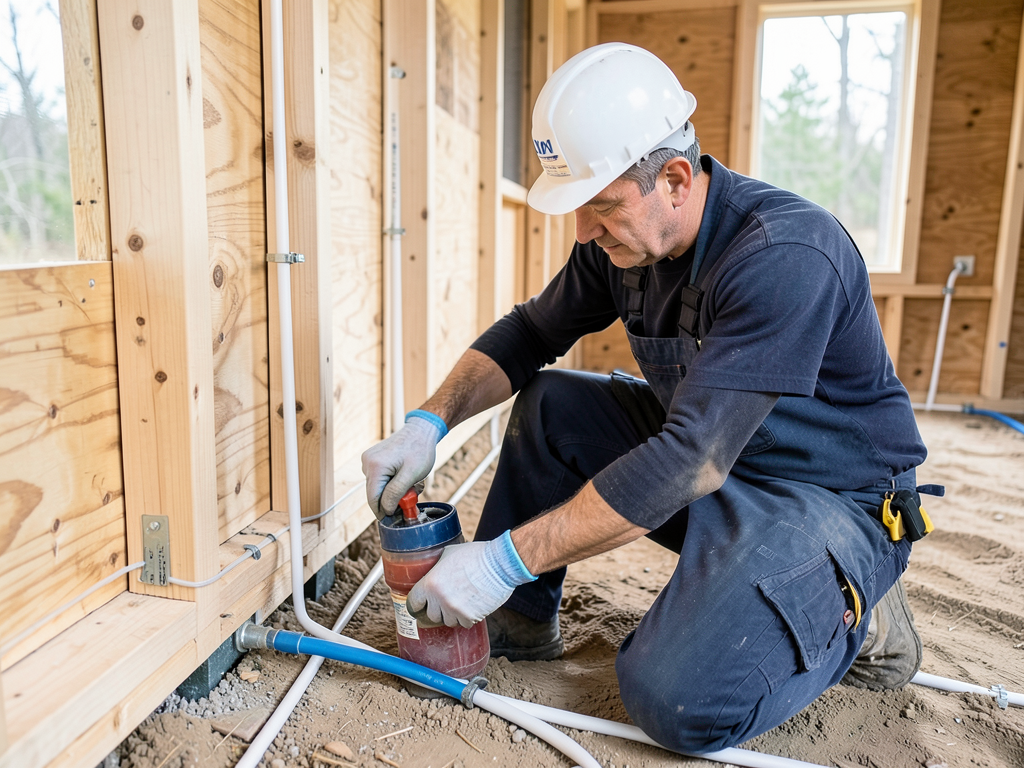
Plumbing Requirements for Adding a Tiny House or Guest Suite in Your Sylmar Backyard Building a tiny house or guest suite in Sylmar requires navigating Los Angeles Department of Building and Safety (LADBS) codes, California…
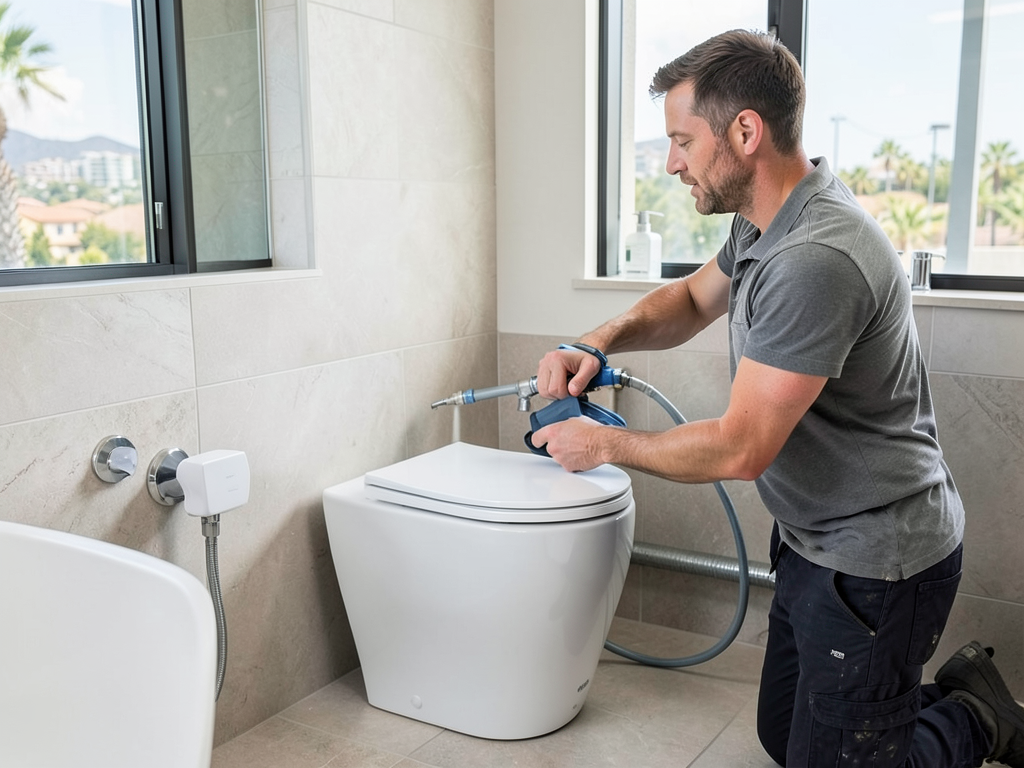
Comparing Kohler vs TOTO — Which Luxury Toilet Is Right for Your Pacific Palisades Remodel?…
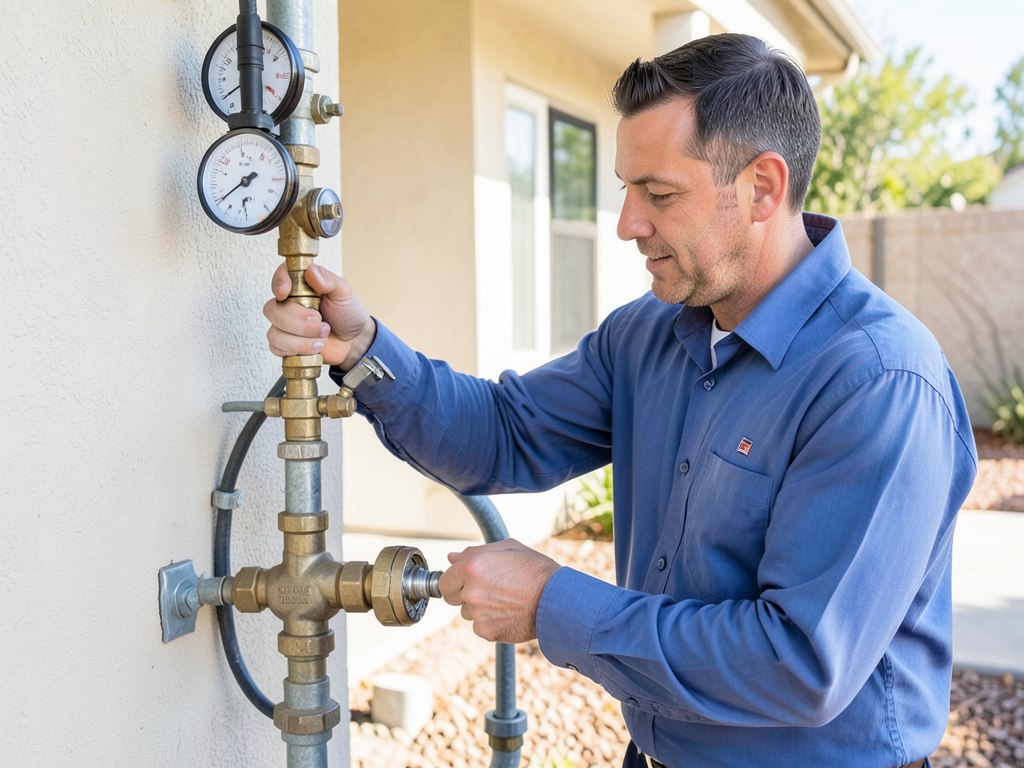
Testing Your Home Fire Sprinkler System in Porter Ranch Before the Next Wildfire Season Living…
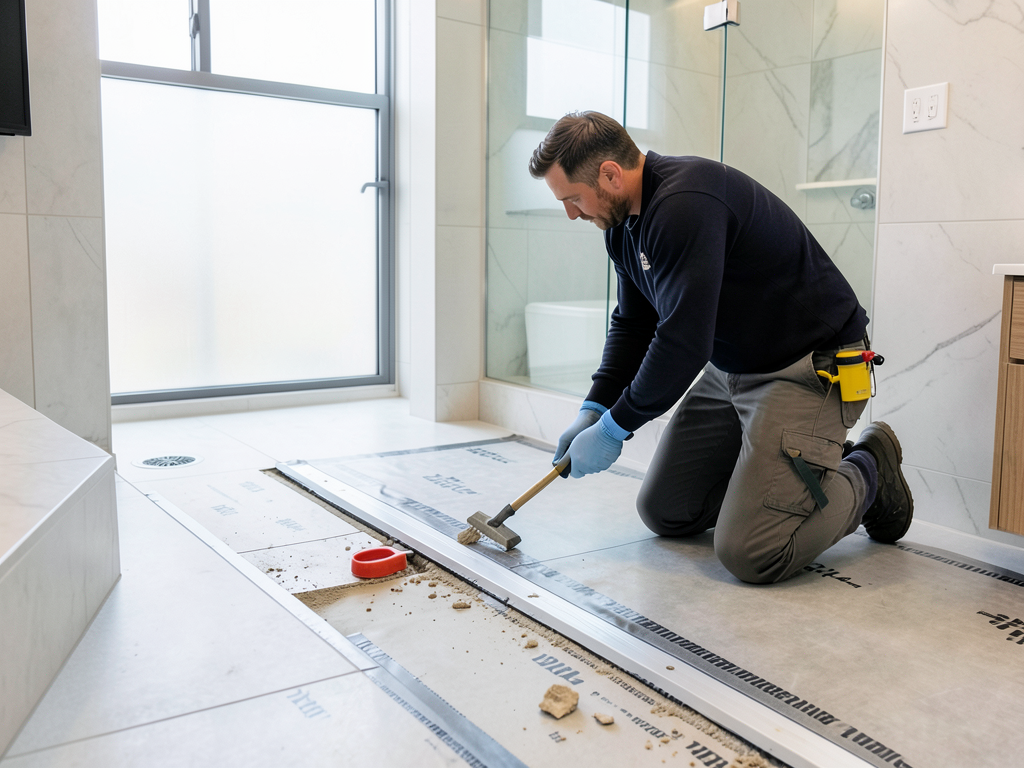
Why Linear Drains Are the Best Choice for Modern Walk-In Showers in Silver Lake Linear…
Water damage spreads fast. Call A Plus Plumbing Los Angeles now at (213) 449-7577 for immediate dispatch to your Glendale property. Our technicians answer emergency calls 24 hours a day, arriving with the tools and parts needed to stop leaks and restore your plumbing system. Schedule routine inspections that prevent expensive failures.