menu

Noisy Pipes in Los Angeles – Expert Diagnosis and Permanent Fixes for Loud Water Hammer and Rattling Plumbing

When banging pipes and water hammer disrupt your home or business, our diagnostic approach identifies the exact cause, whether it's high water pressure, loose mounting straps, or air chamber failure, and delivers the correct repair the first time.

Slider Image 1
Slider Image 2
Slider Image 3
Slider Image 4
Slider Image 5
Slider Image 7
Slider Image 8
Slider Image 9
Slider Image 10
Slider Image 11

Why Los Angeles Homes Experience More Water Hammer and Banging Pipes

You hear it every time you shut off a faucet. A loud bang echoes through the walls. Sometimes the rattling pipes wake you at night when someone flushes a toilet.

Los Angeles's aging plumbing infrastructure plays a major role in noisy plumbing problems. Many homes in neighborhoods like Silver Lake, Echo Park, and Highland Park were built between the 1920s and 1950s. The original galvanized steel pipes have corroded internally, creating rough surfaces that amplify turbulence. When water stops suddenly, the shockwave has nowhere to dissipate.

Water hammer happens when fast-moving water slams to a halt. Modern fixtures close quickly, which is great for water conservation but terrible for older pipe systems that lack proper air chambers. These cushioning devices absorb the shock, but they fail over time as water gradually fills them.

High water pressure compounds the problem. The Los Angeles Department of Water and Power delivers water at varying pressures depending on elevation and proximity to pumping stations. Homes in hillside areas like Mount Washington or Los Feliz often receive water at 80 to 100 psi, well above the recommended 60 psi maximum for residential plumbing. Every valve closure becomes a potential hammer event.

Loose mounting straps cause rattling pipes. As pipes vibrate from normal water flow, worn or missing straps allow them to bang against studs and joists. In older homes with lath and plaster walls, the sound amplifies through hollow cavities.

Thermal expansion creates banging too. Hot water pipes expand and contract as temperature changes. If they run through tight spaces or lack expansion loops, the movement generates noise as metal scrapes against wood.

Ignoring loud water pipes leads to fitting failures, pinhole leaks, and eventual burst pipes. The repeated stress fractures joints and weakens connections.

Why Los Angeles Homes Experience More Water Hammer and Banging Pipes
How We Diagnose and Fix Water Hammer and Noisy Plumbing Systems

How We Diagnose and Fix Water Hammer and Noisy Plumbing Systems

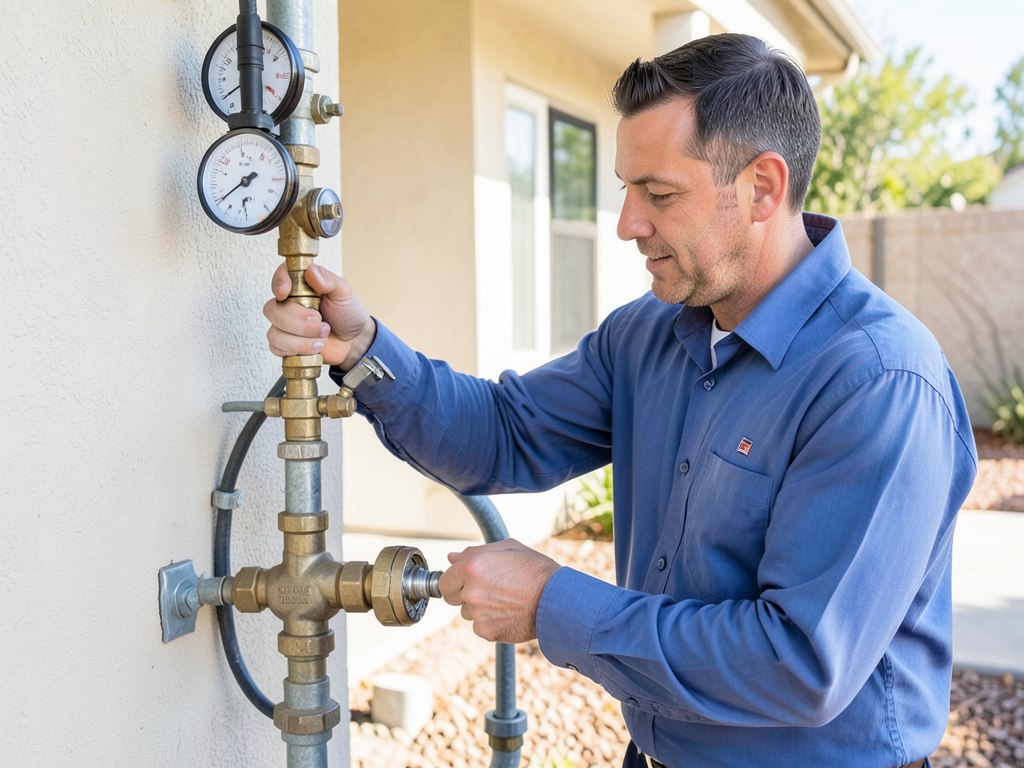
We start every noisy pipe call with pressure testing. A gauge on your hose bib tells us immediately if you are dealing with excessive line pressure. Most water hammer problems disappear when we install a pressure reducing valve set to 50 to 60 psi.

Next, we test your air chambers. These short vertical pipe sections trap air to cushion water shock. We open the highest fixture in your home and drain the system from the lowest point. This purges water from the chambers and restores their function. If your home lacks air chambers, we install engineered water hammer arrestors at problem fixtures. These sealed units contain a pressurized gas bladder that never waterlogs.

We inspect all accessible pipes for proper support. Plumbing code requires horizontal pipe support every six to eight feet depending on diameter. We add cushioned pipe clamps where needed, using rubber or plastic insulation between metal pipes and wooden supports to eliminate metal-on-wood contact.

For banging hot water pipes, we check expansion tank function on your water heater. A failed expansion tank forces expanding water back through your fixtures, causing pressure spikes and noise. We verify tank pre-charge pressure matches your system requirements.

We also evaluate valve condition. Quarter-turn ball valves close almost instantly, creating severe water hammer. We sometimes recommend replacing them with slow-closing valves at critical locations, or we install individual arrestors downstream.

In homes with copper pipe runs through tight spaces, we may need to cut access panels to add expansion loops or reroute problem sections. This prevents thermal expansion noise.

For rattling pipes behind finished walls, we use acoustic methods to pinpoint loose sections before cutting access. Strategic placement of new mounting points stops the vibration without unnecessary demolition.

Our repairs address root causes, not symptoms. We fix the hydraulic conditions creating the noise.

What Happens During Your Noisy Pipe Service Call

Noisy Pipes in Los Angeles – Expert Diagnosis and Permanent Fixes for Loud Water Hammer and Rattling Plumbing
01

System Pressure Analysis

We measure static water pressure at multiple points and test dynamic pressure during fixture operation. This reveals whether high line pressure or inadequate air cushioning causes your water hammer. We document peak pressure during valve closures to size arrestors correctly. Most loud water pipes trace back to pressure problems we identify in this first step.
02

Physical Pipe Inspection

We examine all accessible plumbing for loose mounting straps, missing hangers, and contact points where pipes touch framing. We operate fixtures while observing pipe movement to identify which sections generate rattling pipes. We check for proper pipe slope and support spacing. This hands-on inspection reveals mechanical causes of banging pipes that pressure testing alone cannot find.
03

Targeted Repair and Testing

We install pressure reducing valves, water hammer arrestors, or additional pipe supports based on our findings. After repairs, we test every fixture that previously caused noise. You hear the difference immediately. We verify static pressure stays within safe limits and that rapid valve closures no longer create banging. We explain what we fixed and why it works for your specific noisy plumbing situation.

Why Los Angeles Property Owners Choose A Plus Plumbing for Pipe Noise Problems

We have worked in every Los Angeles neighborhood from Boyle Heights to Pacific Palisades. We know the typical plumbing configurations in Craftsman bungalows, Spanish Revival homes, and post-war tract houses. This experience lets us predict where problems hide.

Los Angeles building codes have changed multiple times since most of these homes were built. We understand which older installations remain acceptable and which require updating. When we recommend a pressure reducing valve, we install it to current code with a bypass, expansion tank compatibility, and proper drain placement.

Many plumbers guess at water hammer solutions. They install an arrestor or two and hope it works. We measure first. Pressure gauges, flow meters, and thermal imaging cameras give us objective data. We size arrestors based on fixture unit calculations and pipe diameter, not guesswork.

Our trucks stock commercial-grade arrestors with ten-year service lives, not the consumer models that fail in two years. We carry adjustable pressure reducing valves that let us fine-tune your system pressure after installation.

Water hammer often coexists with other problems. While diagnosing your banging pipes, we spot early signs of corrosion, failing shut-off valves, or undersized water heaters. We point these out before they become emergencies.

We also handle the unique challenges of hillside plumbing. Homes above Sunset Boulevard or in the Hollywood Hills deal with elevation pressure that flatland properties never see. We account for this when setting regulator pressures.

For apartment buildings and commercial properties, we understand how shared plumbing systems transmit noise between units. Our solutions isolate problem areas without disrupting other tenants.

You get transparent pricing before we start work. No surprise charges for parts we should have brought the first time. Our vans carry everything needed for typical water hammer repairs.


What to Expect From Our Noisy Pipe Service

Response Time and Scheduling

We typically schedule noisy pipe diagnostics within 48 hours of your call. These are not emergencies like burst pipes, but we know the noise drives you crazy. Most evaluations take 60 to 90 minutes. If we identify a simple fix like pressure adjustment or air chamber restoration, we complete it the same visit. Complex repairs requiring wall access or multiple arrestors may need a follow-up appointment. We coordinate around your schedule, including evening and weekend slots for working professionals.

Diagnostic Process Details

You walk us through which fixtures cause the loudest banging. We ask when you first noticed the problem and whether it has worsened. We test pressure at your washing machine hookup and hose bibs. We operate every toilet, faucet, and valve while listening and feeling for vibration. We inspect your water heater, expansion tank, and main shut-off valve. We check crawl spaces and attics where pipes run exposed. You receive a written assessment explaining what we found and why your pipes make noise. We explain repair options in plain language with clear pricing for each approach.

Silence and Performance Results

When we finish, your plumbing operates quietly. Quick valve closures produce no banging. Toilets refill without rattling pipes. Your dishwasher and washing machine run without causing water hammer. Properly installed arrestors and pressure regulation eliminate the hydraulic shock that damaged your plumbing. You also gain better fixture performance. Reduced pressure often improves water heater efficiency and extends appliance life. Showers deliver consistent pressure without the sudden temperature changes that high system pressure causes. Your plumbing becomes both quieter and more reliable.

Long-Term Support

Pressure reducing valves require occasional adjustment as municipal supply pressure changes seasonally. We recommend annual testing. Water hammer arrestors last years without maintenance, but we check them during routine plumbing service. If new noise develops after our repair, we return to verify our work performed as expected. Sometimes noisy plumbing points to deeper issues like water heater sediment or failing fixture cartridges. We track your system over time and catch these problems early. You get phone support for questions about your plumbing between service visits.

Frequently Asked Questions

You Have Questions,
We Have Answers

What is the average cost to fix noisy pipes? +

Fixing noisy pipes in Los Angeles typically costs between $150 and $1,500, depending on the cause. Simple fixes like securing loose pipes or replacing worn washers run lower. Installing water hammer arrestors or pressure-reducing valves costs more. Homes with copper repiping or complex slab foundation work may see higher costs. Hard water buildup, common in Los Angeles due to mineral-rich supply from the Colorado River and local aquifers, can require descaling or partial repiping. The age of your home and pipe accessibility also affect the final price. Get a diagnostic inspection to pinpoint the exact issue before committing to repairs.

Is it normal for house pipes to make noise? +

Some pipe noise is normal, but persistent or loud sounds signal problems. You may hear brief whooshing when water flows or slight expansion creaks as pipes heat and cool. However, banging, rattling, humming, or whistling indicates issues that need attention. Los Angeles homes built before 1960 often have galvanized steel pipes prone to corrosion and noise. Copper pipes expand with hot water, creating ticking sounds if not properly secured. High water pressure, common in hillside neighborhoods like Silverlake or Mount Washington, amplifies noise. If sounds wake you at night or occur frequently, investigate the cause to prevent pipe damage or leaks.

How to identify noisy pipe problems? +

Start by listening carefully to identify the sound type and location. Banging or hammering when you shut off faucets indicates water hammer. Rattling suggests loose pipe straps or hangers. Humming or vibrating points to high water pressure or valve issues. Whistling often means restricted flow or worn washers. Walk through your home while someone operates fixtures to trace the noise source. Check exposed pipes in basements, crawl spaces, or under sinks. In Los Angeles homes with post-tension slab foundations, noise may originate from embedded pipes. Use your water meter to check for hidden leaks. Document when sounds occur and which fixtures trigger them before calling a plumber.

Why are my pipes making a loud humming sound? +

A loud humming sound usually indicates high water pressure or a faulty pressure-regulating valve. Los Angeles municipal water pressure ranges from 60 to 100 psi, but your home should maintain 40 to 60 psi. Excessive pressure causes pipes to vibrate and hum. Check the pressure gauge on your main water line or have a plumber test it. Faulty fill valves in toilets also create humming that resonates through pipes. Older homes in areas like Hancock Park or West Adams may have undersized pipes that vibrate under demand. Sediment buildup from hard water restricts flow and causes vibration. Install a pressure reducer or replace defective valves to stop the noise.

Does homeowners insurance cover water pipe repair? +

Most standard homeowners insurance policies do not cover pipe repairs from normal wear and tear, including noise-related issues. Coverage applies only if sudden, accidental damage occurs, like a burst pipe from freezing or impact. Water damage from gradual leaks or maintenance neglect is typically excluded. Some policies cover repairs if the noisy pipe bursts and causes secondary damage to walls or floors. Los Angeles rarely experiences freezing, but earthquake riders may cover seismic pipe damage. Review your policy declarations page and ask your insurer about specific coverage. Regular maintenance and prompt repairs help you avoid denied claims. Always document issues and repair attempts for potential claims.

Can a plumber fix noisy pipes? +

Yes, a licensed plumber can diagnose and fix noisy pipes effectively. Plumbers identify the noise source using specialized tools and experience. They secure loose pipes with proper brackets and hangers. They install water hammer arrestors to absorb shock when valves close suddenly. They replace worn washers, faulty fill valves, or corroded pipe sections. Plumbers also test and adjust water pressure using pressure-reducing valves. In Los Angeles, where hard water accelerates mineral buildup, plumbers can descale or replace clogged pipes. For homes on hillsides with high static pressure, plumbers install regulators to protect your system. A qualified plumber solves the root cause rather than masking symptoms.

Should I call a plumber for noisy pipes? +

Yes, call a licensed plumber if noisy pipes persist or worsen. While minor ticking from thermal expansion is normal, banging, humming, or rattling signals underlying issues that can damage your plumbing system. Ignoring water hammer can burst pipes or damage fixtures over time. High pressure stresses joints and connections, leading to leaks. Los Angeles homes with older galvanized pipes risk corrosion and sudden failure. Noisy pipes also waste water and energy if leaks develop. A plumber provides an accurate diagnosis and prevents costly emergency repairs. Schedule an inspection if sounds disrupt your sleep, occur when using multiple fixtures, or accompany visible leaks or water stains.

Can I ignore the water hammer? +

No, do not ignore water hammer. That loud banging when you shut off faucets or appliances indicates pressure shock waves slamming through your pipes. Over time, water hammer damages pipe joints, loosens connections, and can burst pipes or crack fixtures. The force stresses washing machine hoses, dishwasher lines, and toilet fill valves. Los Angeles homes with high water pressure from elevated municipal sources face greater risk. Older homes without proper air chambers or water hammer arrestors suffer the most damage. Water hammer also indicates your plumbing system lacks shock absorption. Install arrestors at problem fixtures or near the water heater to protect your pipes and avoid emergency repairs.

How do I stop my pipes from making noise? +

Stop pipe noise by addressing the specific cause. Secure loose pipes with proper brackets or cushioned clamps to prevent rattling. Install water hammer arrestors near fixtures that create banging sounds when shut off quickly. Reduce water pressure if it exceeds 60 psi using a pressure-reducing valve at your main line. Replace worn washers or faulty fill valves that cause whistling or humming. Wrap pipes with foam insulation to dampen expansion noise and prevent contact with framing. In Los Angeles homes with hard water, descale pipes to restore proper flow. For pipes embedded in slab foundations, hire a plumber to assess accessibility and recommend targeted solutions.

Do pipes make noise before bursting? +

Yes, pipes often make unusual noises before bursting. You may hear persistent banging from water hammer stressing weak joints. Hissing or whistling can indicate pinhole leaks spraying water inside walls. Gurgling suggests air entering through cracks or corrosion. Loud popping or cracking sounds warn of imminent failure, especially in older galvanized or polybutylene pipes common in 1970s-era Los Angeles homes. Freezing pipes tick and groan before bursting, though rare here. If you hear new or worsening sounds combined with low water pressure, visible corrosion, or damp spots, shut off your main water valve and call a plumber immediately to prevent flooding and structural damage.

How Los Angeles Water Pressure Zones Create Water Hammer Problems

Los Angeles sits across varied elevations from sea level to over 1,500 feet in the Hollywood Hills. LADWP maintains pressure zones to serve different elevations, but homes near zone boundaries often receive excessive pressure during low-demand periods. Properties in Mount Washington, Eagle Rock, and Los Feliz frequently measure 90 to 110 psi at night when commercial demand drops. This high pressure makes every valve closure a potential hammer event. The rapid urban development in these hillside neighborhoods also means many homes share antiquated pressure infrastructure designed for far fewer connections.

Plumbing Services in The Los Angeles Area

Discover where we operate and easily locate our office or service areas on the map below. Whether you're planning routine maintenance or dealing with an urgent plumbing issue, you’ll see we’re right in your neighborhood. Use the interactive map to view service zones, our central office location, and nearby landmarks. You can zoom in for detailed directions or get contact info directly—with just a click, get directions to meet our skilled plumbing team in person.

Address:
A Plus Plumbing Los Angeles, 6080 Center Dr, Los Angeles, CA, 90045

Additional Services We Offer

Our news updates

Latest Articles & News from The Blogs

Why Your Monterey Hills Pool Heater Might Be Leaking Underground If you notice water pooling around your pool heater or…

Why Your Monterey Hills Pool Heater Might Be Leaking Underground

Why Your Monterey Hills Pool Heater Might Be Leaking Underground If you notice water pooling around your pool heater or…

How to Manage Plumbing for a Small Kitchenette in Your Boyle Heights ADU

How to Manage Plumbing for a Small Kitchenette in Your Boyle Heights ADU Adding a kitchenette to your Boyle Heights…

Why Your Mount Washington Home Needs a Dedicated Pressure Regulator

Why Your Mount Washington Home Needs a Dedicated Pressure Regulator Your Mount Washington home sits on a hillside where water…

Contact Us

Call (213) 449-7577 now for professional water hammer diagnosis and repair. We will identify why your pipes bang and fix the problem permanently. Schedule your service call with A Plus Plumbing Los Angeles today.