




menu

Benefits of Water Softeners in Los Angeles – Protect Your Pipes and Appliances from California's Hard Water Damage

Los Angeles water contains high mineral concentrations that shorten appliance lifespan, increase energy costs, and damage plumbing infrastructure. Understanding the advantages of water softening systems helps homeowners make informed decisions about long-term property protection.

Slider Image 1
Slider Image 2
Slider Image 3
Slider Image 4
Slider Image 5
Slider Image 7
Slider Image 8
Slider Image 9
Slider Image 10
Slider Image 11

Why Los Angeles Water Creates Expensive Problems for Your Home

Los Angeles receives water from the Colorado River and Northern California watersheds. Both sources carry heavy concentrations of calcium and magnesium. These dissolved minerals register between 200-300 parts per million on the hardness scale, qualifying as hard to very hard water.

Your water heater, dishwasher, washing machine, and pipes pay the price. Scale accumulation inside water heaters forces the heating element to work harder, raising utility bills by 20-30 percent. The same deposits narrow pipe diameter, reducing water pressure and creating weak points where leaks develop.

You see the evidence on faucets and showerheads. White crusty buildup appears within weeks. That same scaling happens inside your appliances where you cannot see it. A water heater designed to last 12 years fails in 7. A dishwasher pump seizes after 5 years instead of 10.

The advantages of water softening systems become clear when you calculate replacement costs. One water heater replacement runs $1,200-2,000. Add a dishwasher, washing machine, and potential pipe repairs. The expenses compound quickly.

Hard water treatment benefits extend beyond appliances. Soap and detergent lose effectiveness in hard water, requiring you to use more product for worse results. Skin feels dry after showers. Clothes look dingy after washing. These daily frustrations signal the same mineral problem damaging your plumbing infrastructure.

The reasons to install a water softener center on prevention. Address the root cause before you face emergency repairs or premature appliance replacement. Los Angeles homeowners who ignore water hardness pay more over time.

Why Los Angeles Water Creates Expensive Problems for Your Home
How Ion Exchange Technology Removes Hardness Minerals

How Ion Exchange Technology Removes Hardness Minerals

Water softening works through ion exchange. Hard water enters a mineral tank filled with resin beads. These beads carry a negative charge and attract positively charged calcium and magnesium ions. The minerals stick to the resin while sodium ions release into the water.

The process happens automatically as water flows through your home. The resin tank sits between your main water line and your internal plumbing. Every gallon of water receives treatment before it reaches your fixtures or appliances.

Resin beads eventually saturate with hardness minerals. The system regenerates using brine solution from a separate salt tank. Salt water flushes through the mineral tank, reversing the ion exchange. Calcium and magnesium wash down the drain. The resin beads recharge with sodium ions and return to active duty.

Modern softeners use metered regeneration. The system tracks water usage and initiates regeneration only when needed, typically every few days for an average household. This efficiency reduces salt consumption and water waste compared to timer-based models.

The pros of water softeners include measurable improvements across your plumbing system. Water heater efficiency increases immediately. Scale stops forming in pipes. Appliances operate at design specifications. Soap lathers properly. These advantages of soft water appear within days of installation.

Tank size matters for Los Angeles homes. A four-person household needs a 32,000-40,000 grain capacity system. Undersized units regenerate too frequently, wasting salt and water. Oversized units cost more upfront without providing additional benefits. Proper sizing ensures optimal performance and efficiency for your specific water usage patterns.

What Happens During Your Water Softener Installation

Benefits of Water Softeners in Los Angeles – Protect Your Pipes and Appliances from California's Hard Water Damage
01

Water Testing and Analysis

A technician tests your water hardness using a titration kit or electronic meter. Los Angeles water hardness varies by neighborhood based on source water blending at local distribution points. Testing determines the exact grain capacity your system needs. The technician also checks water pressure and inspects your main line location to plan installation logistics. This diagnostic step prevents undersizing or compatibility issues.
02

System Installation and Integration

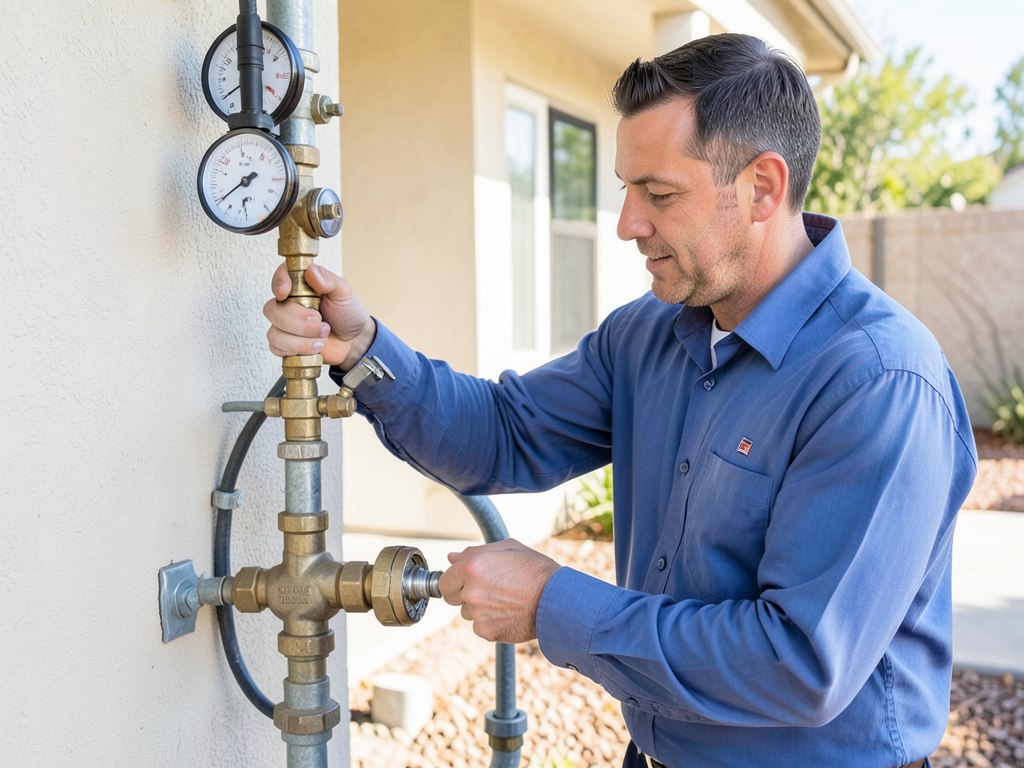
The softener installs on your main water line after the meter and before the water heater. Installation requires cutting into the main line, installing bypass valves, and connecting drain lines for regeneration discharge. The brine tank positions nearby with adequate clearance for salt loading. Proper drain line routing prevents backflow and ensures code compliance with Los Angeles plumbing regulations. The entire installation takes 3-4 hours for standard configurations.
03

Programming and Performance Verification

The technician programs regeneration settings based on your water hardness and household size. Initial regeneration runs to condition the resin. Testing confirms soft water at multiple fixtures throughout your home. You receive instructions for salt loading frequency, typically every 4-6 weeks depending on usage. The technician explains bypass valve operation for maintenance scenarios. Your system operates automatically from this point forward, requiring only periodic salt refills.

Why Los Angeles Homeowners Choose A Plus Plumbing for Water Treatment

Los Angeles presents unique challenges for water treatment installation. Many homes built before 1990 have galvanized steel pipes already compromised by decades of scale buildup. Older homes in neighborhoods like Silverlake, Highland Park, and parts of the San Fernando Valley require careful assessment before softener installation.

A Plus Plumbing Los Angeles understands these local variables. We evaluate your existing plumbing condition during the consultation. If galvanized pipes show advanced deterioration, we recommend addressing that issue concurrently. Installing a softener on failing pipes creates new problems when softened water accelerates corrosion in compromised galvanized steel.

We work with homes across Los Angeles County, from Santa Monica to Pasadena, adapting installations to local building requirements. Some municipalities require specific drain line configurations for regeneration discharge. Others mandate backflow prevention devices. We handle permit requirements and ensure code compliance without delays.

Our sizing recommendations account for actual usage patterns, not generic formulas. A 2,400 square foot home with four residents needs different capacity than the same size home with two residents. We calculate based on your specific situation, preventing the oversizing that increases costs without improving performance.

Water chemistry varies across Los Angeles water districts. Metropolitan Water District supply differs from local groundwater sources some neighborhoods still use. This variation affects softener programming and maintenance schedules. Our technicians adjust settings for your specific source water, optimizing efficiency and salt consumption.

We stock commercial-grade systems designed for California water conditions. These units handle high TDS levels common in Southern California without premature resin degradation. The difference appears in system longevity. Quality matters when you expect 15-20 years of service from your investment.

What to Expect from Your Water Softener System

Installation Timeline and Process

Standard installations complete in one day. Your water service shuts off for 3-4 hours during main line work. We schedule installations to minimize disruption, typically arriving between 8-9 AM. Complex installations involving older plumbing or tight spaces may extend to two days. You receive a specific timeline during consultation. Same-day service requests get priority scheduling when emergency situations arise. The system produces soft water immediately after programming and initial regeneration. You notice differences in water feel and appliance performance within 24 hours of activation.

Initial Assessment and Sizing

Your consultation includes comprehensive water testing. We measure hardness, total dissolved solids, iron content, and pH. These factors determine appropriate system specifications. We inspect your main line location, available space for equipment, and drain access for regeneration discharge. Electrical requirements get verified for electronic control valves. You receive a detailed proposal explaining system capacity, expected salt consumption, and regeneration frequency. We answer questions about operation, maintenance, and long-term costs. This consultation typically takes 30-45 minutes and includes no-pressure education about how different systems perform under Los Angeles water conditions.

Immediate and Long-Term Results

Soft water effects appear immediately. Soap lathers better. Dishes dry without spots. Skin feels different after showering. These changes confirm proper operation. The real benefits accumulate over months and years. Your water heater operates more efficiently, lowering utility bills. Appliances reach their expected lifespan instead of failing prematurely. Pipes maintain full diameter without scale accumulation. Faucets and fixtures stay cleaner with minimal effort. You use less detergent, soap, and cleaning products. These ongoing advantages offset the system cost within 3-5 years through reduced repairs, lower energy consumption, and extended appliance life.

Maintenance Requirements and Support

Water softeners require minimal maintenance. You add salt to the brine tank every 4-8 weeks depending on usage. We recommend checking salt level monthly until you establish your household pattern. Annual service includes resin bed inspection, control valve cleaning, and system testing. This service appointment takes 30-45 minutes and prevents problems before they affect performance. Quality systems operate 15-20 years with proper maintenance. We provide same-day service for any operational issues. Our technicians carry common replacement parts for immediate repairs. You receive clear instructions for salt selection, system bypass during extended absences, and signs that indicate service needs.

Frequently Asked Questions

You Have Questions,
We Have Answers

What are the downsides of a water softener? +

Water softeners add sodium to your water through the ion exchange process, which may be a concern if you follow a low-sodium diet. They require regular salt refills and ongoing maintenance. The system uses water during regeneration cycles, which increases water usage slightly. Softened water can feel slippery on skin, which takes adjustment. In Los Angeles, the upfront installation cost ranges depending on home size and water hardness levels. You also need dedicated space for the tank and brine reservoir. Despite these factors, most homeowners find the benefits outweigh the downsides when dealing with our area's hard water issues.

Does water softener have health benefits? +

Soft water offers indirect health benefits by reducing skin irritation and dryness caused by mineral buildup. Los Angeles residents with eczema or sensitive skin often see improvement after installing a water softener. Soft water helps soap and shampoo rinse cleanly, preventing residue that clogs pores. Your hair and scalp stay healthier without the mineral coating hard water leaves behind. Soft water protects your plumbing from scale buildup, which prevents potential lead or copper leaching from corroded pipes. However, softened water contains added sodium, so people on sodium-restricted diets should install a separate drinking water line or use a reverse osmosis system.

Is it healthier to drink hard or soft water? +

Neither is inherently healthier. Hard water contains minerals like calcium and magnesium, which provide trace nutrients. Soft water tastes cleaner and rinses soap completely, which benefits skin and hair health. The sodium added during softening is minimal for most people but matters if you have hypertension or heart conditions. In Los Angeles, where hard water is common, many homeowners soften water for bathing and laundry but keep one tap with hard water for drinking and cooking. This gives you the best of both options. Consult your doctor if you have specific dietary sodium restrictions before softening your entire home.

What are the 10 advantages of soft water? +

Soft water prevents scale buildup in pipes and fixtures, extending their lifespan. Your water heater runs more efficiently without mineral deposits reducing heat transfer. Soap and detergent work better, so you use less product. Dishes and glassware dry spot-free without white film. Clothes come out brighter and softer without mineral residue stiffening fibers. Your skin and hair feel smoother after showering. Appliances like dishwashers and washing machines last longer. You spend less time scrubbing soap scum in bathrooms. Water pressure stays consistent without scale narrowing pipes. In Los Angeles, where hard water is prevalent, soft water reduces maintenance costs and improves daily comfort throughout your home.

How Los Angeles Source Water Quality Affects Your Softener Performance

Los Angeles water comes primarily from Northern California and the Colorado River through the Metropolitan Water District. Colorado River water contains higher hardness levels, typically 250-300 ppm, while State Water Project supplies from Northern California measure 150-200 ppm. Your neighborhood receives a blend that changes throughout the year based on availability and demand. Summer months often see increased Colorado River percentages, raising hardness levels. This variation means your softener works harder during certain seasons. Systems must handle peak hardness levels, not annual averages, to provide consistent results year-round.

Los Angeles plumbing codes require specific installations for water treatment equipment. Softeners need proper drain line air gaps to prevent cross-contamination. Some areas require backflow prevention devices on the main line. Older neighborhoods with combined sewer systems have restrictions on regeneration discharge timing. A Plus Plumbing Los Angeles stays current on these local requirements across different jurisdictions within Los Angeles County. We pull permits when required and ensure your installation passes inspection. This local knowledge prevents compliance issues that create problems during home sales or insurance claims.
Plumbing Services in The Los Angeles Area

Discover where we operate and easily locate our office or service areas on the map below. Whether you're planning routine maintenance or dealing with an urgent plumbing issue, you’ll see we’re right in your neighborhood. Use the interactive map to view service zones, our central office location, and nearby landmarks. You can zoom in for detailed directions or get contact info directly—with just a click, get directions to meet our skilled plumbing team in person.

Address:
A Plus Plumbing Los Angeles, 6080 Center Dr, Los Angeles, CA, 90045

Additional Services We Offer

Our news updates

Latest Articles & News from The Blogs

Everything You Need to Know About Sewer Connections for a Valley Village ADU Adding an accessory dwelling unit to your…

Everything You Need to Know About Sewer Connections for a Valley Village ADU

Everything You Need to Know About Sewer Connections for a Valley Village ADU Adding an accessory dwelling unit to your…

How to Get Rid of That Sulfur Smell in Your Van Nuys Water Heater

How to Get Rid of That Sulfur Smell in Your Van Nuys Water Heater \p>If your hot water smells like…

Why Replacing Plastic Supply Lines With Braided Stainless Steel Can Save Your Toluca Lake Home From Water Damage

Why Replacing Plastic Supply Lines With Braided Stainless Steel Can Save Your Toluca Lake Home From Water Damage Water damage…

Contact Us

Stop paying for hard water damage. Call (213) 449-7577 now for same-day consultation and water testing. A Plus Plumbing Los Angeles provides expert installation and honest recommendations for your specific water conditions. Protect your appliances and plumbing investment.