




menu

How to Shut Off Main Water Valve in Los Angeles – Emergency Guide for Homeowners and Renters

Master the Critical Skill of How to Shut Off Main Water Valve with Step-by-Step Instructions Designed for Los Angeles Properties, Including Older Homes in Historic Districts and Modern Multi-Unit Buildings

Slider Image 1
Slider Image 2
Slider Image 3
Slider Image 4
Slider Image 5
Slider Image 7
Slider Image 8
Slider Image 9
Slider Image 10
Slider Image 11

Why Every Los Angeles Resident Needs to Know Their Main Water Shutoff Location

When a pipe bursts at 2 a.m. or your water heater ruptures, you have minutes to prevent thousands of dollars in damage. Knowing how to turn off main water supply quickly separates a minor incident from a catastrophic flood. In Los Angeles, the combination of aging infrastructure in neighborhoods like Silver Lake and Echo Park, seismic activity that can compromise pipe connections, and diverse property types from Spanish Colonial bungalows to modern condos creates unique challenges for water emergency preparedness.

Many Los Angeles properties built before 1970 have main shutoff valves in unexpected locations. Some are buried under decades of landscaping or hidden behind access panels you never noticed. Properties in areas like West Adams or Highland Park may have galvanized steel pipes connecting to the main, which corrode internally and can fail without warning. When that happens, water flows at 40 to 60 pounds per square inch, flooding your home with gallons per minute.

Turning off house water main is not optional knowledge. It is survival skill for homeownership. The difference between a minor leak and a flooded living room often comes down to 60 seconds. You need to locate your valve today, before you need it. Most homeowners discover their shutoff location only when facing an active emergency, wasting precious minutes searching while water destroys flooring, drywall, and personal belongings. The main water shut off valve controls every drop entering your property, making it the single most important plumbing component you will interact with during a crisis.

Why Every Los Angeles Resident Needs to Know Their Main Water Shutoff Location
Locating and Operating Your Main Water Shutoff Valve

Locating and Operating Your Main Water Shutoff Valve

The main water shutoff valve sits between the city water meter and your home's interior plumbing system. In Los Angeles, most residential properties have their meter and shutoff valve near the property line, typically at the front of the lot near the sidewalk. You will find a rectangular concrete or plastic meter box set flush with the ground. Inside this box, you will see the water meter and usually two valves: one on the street side (the city's valve) and one on your property side (your valve).

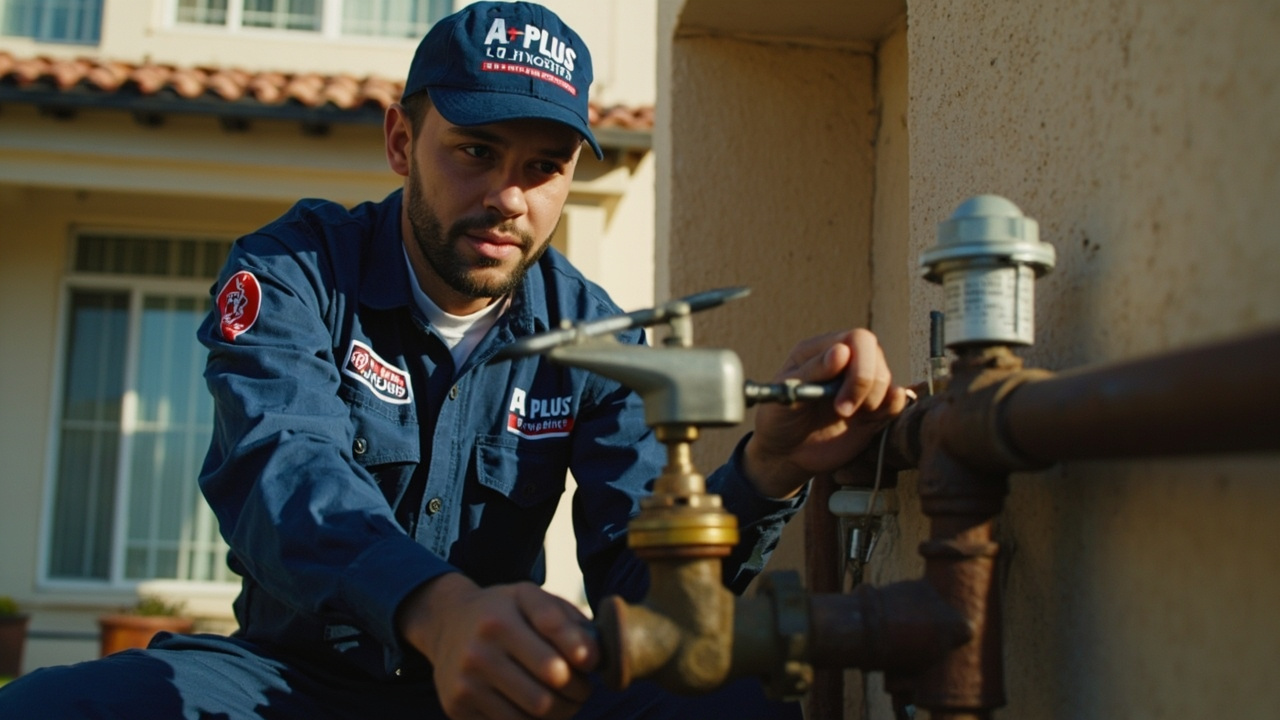
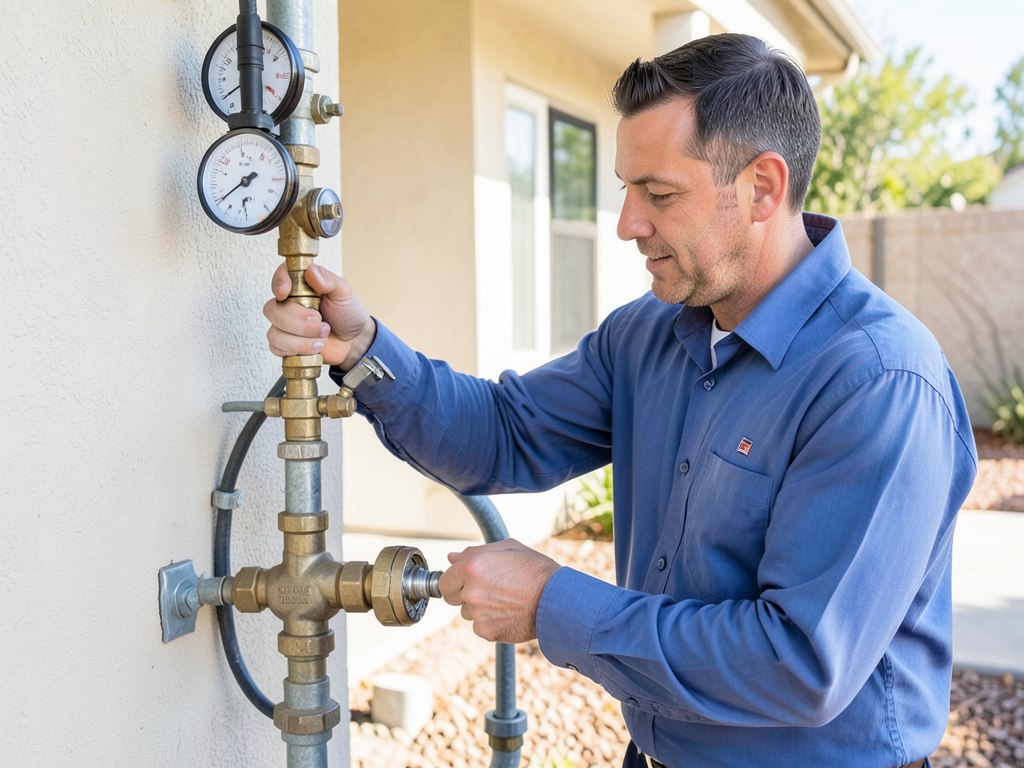
Your property shutoff valve is the one closest to your house. It may be a gate valve with a round wheel handle or a ball valve with a lever handle. Gate valves require multiple full rotations to close completely. Turn clockwise (right is tight) until the valve stops. Ball valves require only a quarter turn. When the lever sits perpendicular to the pipe, the valve is closed. When parallel, it is open.

Some older Los Angeles properties have the main shutoff inside the home, usually in the basement, crawlspace, or garage near where the main water line enters. Look for a pipe coming through the foundation wall, typically three-quarters to one inch in diameter. Properties in areas like Los Feliz or Hancock Park built in the 1920s and 1930s often have interior shutoffs near the water heater or in a utility closet.

Testing your valve annually prevents surprises. Close the valve slowly while someone inside confirms water stops flowing from a faucet. Rapid closure can cause water hammer, creating pressure spikes that damage pipes. If the valve will not turn, do not force it. Decades of mineral deposits from Los Angeles's hard water can seize valves. Applying penetrating oil and waiting 24 hours often frees stuck valves, but severely corroded valves require professional replacement.

Three Steps to Shut Off Water Supply to Home During an Emergency

How to Shut Off Main Water Valve in Los Angeles – Emergency Guide for Homeowners and Renters
01

Locate the Meter Box

Find your water meter box at the property line, usually near the sidewalk or front curb. Use a screwdriver or meter key to lift the cover. Clear away any dirt, debris, or spider webs obscuring the valves. Identify which valve is on your property side of the meter. This valve controls water flow to your house. Keep a flashlight near your entry door since emergencies often happen at night when visibility is poor.
02

Close the Valve Completely

For gate valves, turn the handle clockwise until it stops turning. Count the rotations so you know how many turns are required to reopen it later. For ball valves, rotate the lever 90 degrees until it sits perpendicular to the pipe. Do not force a stuck valve. If the valve will not budge, move to the city's valve on the street side of the meter, or call for emergency shutoff assistance.
03

Verify Water Stoppage

Go inside and open a faucet on the lowest floor of your home. Water should stop flowing within seconds after closing the main valve. Open a faucet on an upper floor to release pressure and allow the system to drain. This prevents water hammer and reduces pressure on the failed pipe or fixture. Once you confirm water has stopped, you can safely assess the damage and call a plumber for repairs.

Why Los Angeles Properties Require Specific Shutoff Knowledge

Los Angeles's diverse housing stock creates unique challenges for main water valve operation. Properties in the Hollywood Hills or Silver Lake built into hillsides may have shutoff valves positioned at unusual angles or elevations to accommodate sloped lots. Multi-unit properties in areas like Koreatown or Downtown often have individual shutoffs for each unit plus a master valve controlling the entire building. Knowing which valve serves your specific unit prevents you from shutting off water to your neighbors during your emergency.

Seismic considerations matter in Los Angeles. Earthquakes can shift pipes and valve stems, making previously functional valves difficult or impossible to operate. The 1994 Northridge earthquake damaged countless shutoff valves across the San Fernando Valley, leaving homeowners unable to stop water flow from broken pipes. Flexible seismic shutoff valves installed after 1995 resist earthquake damage better than rigid gate valves common in older properties.

Los Angeles's water chemistry accelerates valve corrosion. High mineral content leaves calcium and magnesium deposits inside valve mechanisms. Valves that sit unused for years become seized. Annual valve operation prevents this buildup by breaking loose mineral deposits before they harden into immovable obstructions. Properties receiving water from different sources across the city experience varying mineral levels, but all Los Angeles water is considered moderately hard to hard, creating universal valve maintenance needs.

Historic preservation districts in areas like West Adams or Angelino Heights may have original brass or bronze valves from the early 1900s. These antique valves require gentle handling because the soft metals can strip or break under excessive force. Replacing historic valves often requires matching period-appropriate fixtures to maintain property value and comply with preservation guidelines.

What You Need to Know About Main Water Valve Management

Valve Location Documentation

Take photos of your main shutoff valve location and store them on your phone. Include wide shots showing landmarks and close-ups of the valve itself. Share these photos with family members and anyone who house-sits for you. Print a photo and tape it inside a kitchen cabinet so guests or emergency responders can find the shutoff quickly. Properties with multiple shutoffs benefit from a hand-drawn map showing each valve's location and what it controls. Update this documentation whenever you perform plumbing work that adds new shutoffs or changes your system configuration.

Valve Types and Operation Methods

Gate valves have round handles and require multiple clockwise rotations to close. They close slowly, preventing water hammer but requiring more time during emergencies. Ball valves use a lever handle for quick quarter-turn shutoff. They provide faster emergency response but can cause pressure spikes if closed too rapidly. Some Los Angeles properties have knife gate valves or butterfly valves, which operate differently from standard residential valves. If your property has an unusual valve type, practice operating it several times until the motion becomes automatic. Keep the appropriate tools nearby, whether that is a standard valve key, adjustable wrench, or specialized tool for your valve type.

Maintenance and Testing Schedule

Exercise your main shutoff valve twice yearly by closing it completely then reopening it. This breaks up mineral deposits and keeps the valve mechanism functional. Choose consistent dates like when you change smoke detector batteries or adjust clocks for daylight saving time. During testing, close the valve slowly over 30 seconds, wait one minute, then reopen slowly. Listen for unusual sounds indicating valve damage or pipe stress. If the valve becomes harder to turn over time, mineral buildup is accelerating and the valve may need replacement soon. Properties with galvanized steel pipes or homes over 40 years old should consider valve replacement during routine plumbing upgrades.

Emergency Preparedness Tools

Keep a meter key or valve wrench in an accessible location near your main entry door. Store a waterproof flashlight in the same location since plumbing emergencies often happen at night. A pipe wrench or large adjustable wrench helps if your valve requires more leverage than hand strength provides. Penetrating oil like WD-40 can free a stuck valve, but apply it well before an emergency occurs. Some homeowners install a secondary shutoff valve inside their home for easier access during emergencies. This interior valve sits immediately after the pipe enters the building, providing a backup if the exterior valve fails or is inaccessible due to flooding, landscaping, or other obstructions.

Frequently Asked Questions

You Have Questions,
We Have Answers

How do I turn off my house main water valve? +

Locate your main water valve, typically near the water meter or where the supply line enters your home. Turn the valve clockwise until it stops. Gate valves require multiple full rotations, while ball valves need only a quarter turn. If the valve is stuck, do not force it. Apply penetrating oil and wait 10 minutes before trying again. Test that water flow has stopped by running a faucet. In Los Angeles homes, especially older properties in areas like Silver Lake or Highland Park, corrosion from age can make valves difficult to operate. Replace seized valves immediately to avoid emergency situations.

Where is my main water shut off valve? +

Check these common locations in Los Angeles homes: inside your garage wall, in a ground-level utility box near the street, under the kitchen sink, or in a crawl space. Multi-unit buildings often place valves in shared utility rooms or exterior meter boxes. The city water meter typically sits in a concrete box at the property line near the sidewalk, with your shutoff valve nearby. In hillside properties throughout areas like Los Feliz or Echo Park, look for exterior access points due to challenging terrain. If you cannot locate it, contact Los Angeles Department of Water and Power or a licensed plumber for assistance.

How do I shut off my main water system? +

First, alert household members that water will be shut off. Locate your main shutoff valve near the water meter or entry point. Turn the valve clockwise completely until it stops moving. Gate valves require 5-10 full rotations, ball valves need a 90-degree quarter turn. Open a ground-floor faucet to drain remaining pressure and confirm water flow has stopped. In Los Angeles, older homes may have outdated galvanized piping that makes valve operation stiff. If you plan extended shutoff periods, drain water heaters and consider thermal expansion issues. Document the valve location and operation for future reference or emergency situations.

Is it safe to turn off the main water valve? +

Yes, shutting off your main water valve is safe and sometimes necessary during plumbing repairs, leaks, or vacations. Modern valves are designed for periodic operation. However, older valves in Los Angeles homes, particularly those over 30 years old, risk breaking if not maintained regularly. Exercise your valve twice yearly by turning it fully closed and then reopening it to prevent mineral buildup and corrosion. After shutting off water, drain pressure through faucets to prevent pipe damage. If your valve leaks after closing, it needs immediate replacement. Never force a stuck valve as this can cause internal damage or flooding.

Can you shut off your own water main? +

Yes, homeowners can legally shut off their own water main at the property shutoff valve. This valve sits on your side of the water meter and controls flow into your home. However, the city-owned curb stop valve before your meter is restricted to utility workers and requires special tools. In Los Angeles, LADWP maintains ownership of the meter and street-side infrastructure. You have full authority over your property-side shutoff for repairs, emergencies, or maintenance. If your valve is damaged or inaccessible, contact a licensed plumber rather than attempting to use the city valve, which can result in fines or service complications.

What does a water shut-off valve look like? +

Main water shutoff valves come in two types. Gate valves feature a round wheel handle and require multiple full rotations to close completely. They are common in older Los Angeles homes built before 1990. Ball valves have a lever handle that turns 90 degrees, aligning perpendicular to the pipe when closed. They provide faster, more reliable shutoff. The valve connects to your main water supply line, typically 3/4 inch to 1 inch in diameter for residential properties. Brass or bronze construction is standard, though older properties may have corroded valves. The valve sits inline with visible pipes entering your home from the meter.

Do all homes have a main water shut-off valve? +

Nearly all homes have a main water shutoff valve on the property side of the meter. Building codes in Los Angeles require this valve for safety and maintenance access. However, some older properties built before modern plumbing codes may lack accessible shutoffs or have valves buried in walls. Multi-unit buildings sometimes consolidate shutoffs in mechanical rooms, giving individual units less control. If your home lacks a main shutoff or the existing valve is non-functional, install one immediately. This is critical for preventing catastrophic water damage during pipe failures. A licensed plumber can add a shutoff valve to any water supply line.

How can I find where to turn my water off? +

Start at your water meter location, usually in a ground-level box near the street or sidewalk. Your main shutoff valve sits on the house side of the meter along the supply line. Follow the pipe from the meter toward your home. Check inside the garage, basement, crawl space, or utility room where the line enters. In Los Angeles properties without basements, look for exterior access panels or ground boxes. Hillside homes may have valves in stepped locations due to elevation changes. Use your phone flashlight to inspect dark corners. If you still cannot locate it, call a licensed plumber to identify and tag the valve.

What tools are needed to shut off the main water valve? +

Most ball valves require no tools, just hand operation to turn the lever 90 degrees. Gate valves with round wheels also turn by hand. However, stuck or corroded valves common in Los Angeles may need an adjustable wrench or pipe wrench for extra leverage. Keep a curb key or meter key if your main valve sits in an underground box. Penetrating oil helps loosen seized valves. Avoid using excessive force, which can break internal components. For valves requiring special tools or professional equipment, contact a plumber rather than risk damage. Store necessary tools near the valve for emergency access.

How do I know my main water shut off? +

Your main water shutoff is the valve on your property side of the water meter that controls all water entering your home. It stops flow to every fixture, faucet, and appliance. To confirm you have found the correct valve, turn it clockwise to close, then test interior faucets. If all water flow stops throughout your home, you have located the main shutoff. In Los Angeles properties, this valve typically has a tag or marking indicating its function. Take a photo of the location and operation instructions. Share this information with household members so everyone can act quickly during plumbing emergencies or leaks.

How Los Angeles Water Pressure and Pipe Materials Affect Main Valve Operation

Los Angeles operates multiple water pressure zones across the city due to dramatic elevation changes from the coast to the hills. Properties in Pacific Palisades or the Hollywood Hills receive water at higher pressures than homes in lower-elevation areas like Downtown or Venice. High pressure accelerates wear on valve seals and packing glands, causing leaks around the valve stem when you attempt to close it during an emergency. The city's transition from galvanized steel to copper and PEX piping over the decades means many properties have mixed pipe materials, each responding differently to valve closure. Rapid shutoff in systems with galvanized steel can dislodge decades of internal rust scale, creating blockages elsewhere in your plumbing system after you restore water flow.

Los Angeles Building and Safety Department requires accessible main shutoff valves for all properties, but enforcement of this code varies across neighborhoods. Properties that underwent plumbing work after 1995 typically have valves meeting current accessibility standards. Older properties may have shutoffs buried under landscaping added after original construction. The Los Angeles Department of Water and Power maintains the meter and street-side valve, but homeowners bear responsibility for the property-side valve and all downstream plumbing. Understanding this division of responsibility prevents confusion during emergencies about who can shut off your water and who is responsible for repairs to damaged valves or pipes.
Plumbing Services in The Los Angeles Area

Discover where we operate and easily locate our office or service areas on the map below. Whether you're planning routine maintenance or dealing with an urgent plumbing issue, you’ll see we’re right in your neighborhood. Use the interactive map to view service zones, our central office location, and nearby landmarks. You can zoom in for detailed directions or get contact info directly—with just a click, get directions to meet our skilled plumbing team in person.

Address:
A Plus Plumbing Los Angeles, 6080 Center Dr, Los Angeles, CA, 90045

Additional Services We Offer

Our news updates

Latest Articles & News from The Blogs

Everything You Need to Know About Sewer Connections for a Valley Village ADU Adding an accessory dwelling unit to your…

Everything You Need to Know About Sewer Connections for a Valley Village ADU

Everything You Need to Know About Sewer Connections for a Valley Village ADU Adding an accessory dwelling unit to your…

How to Get Rid of That Sulfur Smell in Your Van Nuys Water Heater

How to Get Rid of That Sulfur Smell in Your Van Nuys Water Heater \p>If your hot water smells like…

Why Replacing Plastic Supply Lines With Braided Stainless Steel Can Save Your Toluca Lake Home From Water Damage

Why Replacing Plastic Supply Lines With Braided Stainless Steel Can Save Your Toluca Lake Home From Water Damage Water damage…

Contact Us

If your main shutoff valve is stuck, leaking, or inaccessible, contact A Plus Plumbing Los Angeles now at (213) 449-7577. We respond to emergency shutoff requests and can replace failed valves quickly to restore your control over your water supply. Do not wait until you face a flooding emergency.