




menu

Wet Spots in Yard Los Angeles – Expert Underground Leak Detection and Permanent Repair

Soggy patches in your lawn signal underground pipe leaks that waste water and damage your property. A Plus Plumbing Los Angeles uses precision leak detection technology to locate and repair hidden line breaks before they compromise your foundation or water bill.

Slider Image 1
Slider Image 2
Slider Image 3
Slider Image 4
Slider Image 5
Slider Image 7
Slider Image 8
Slider Image 9
Slider Image 10
Slider Image 11

Why Your Los Angeles Lawn Has Unexplained Standing Water

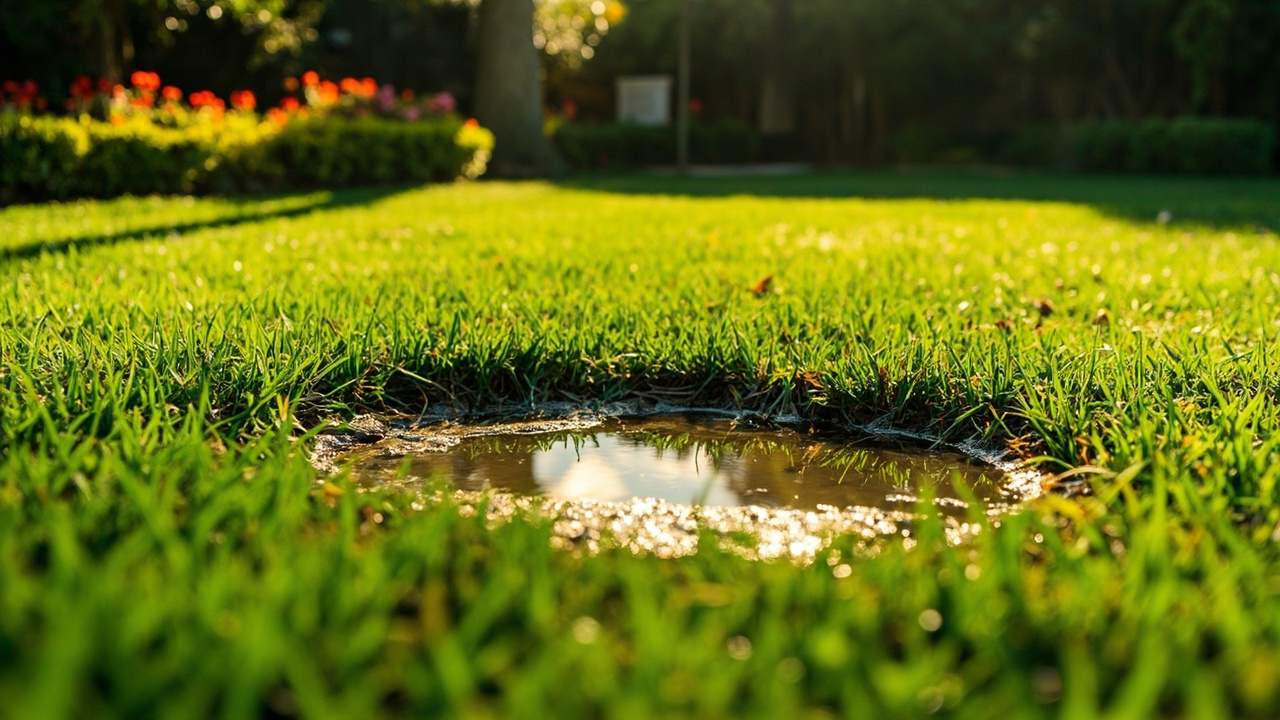
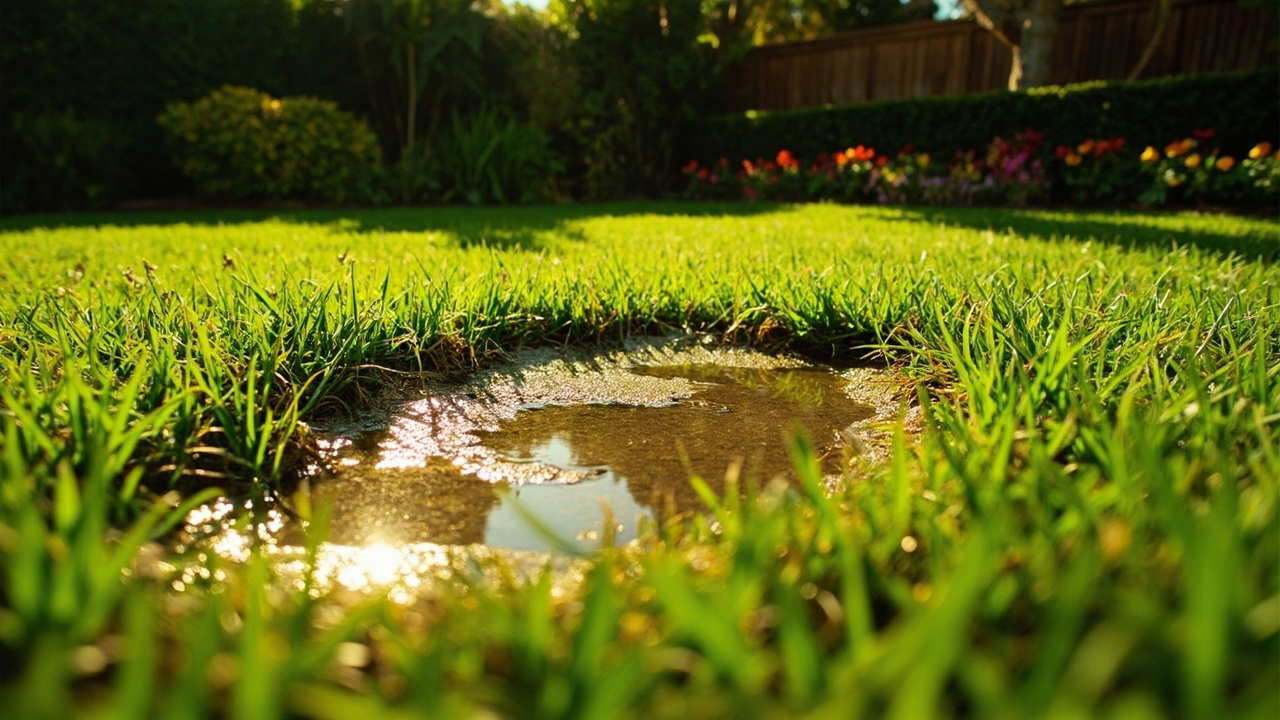
You notice a saturated area in your grass that stays wet even when you have not watered in days. The soil feels spongy underfoot. Pooling water in your yard appears in the same spot every morning. These are not drainage problems. They are symptoms of underground pipe failure.

Los Angeles sits on complex geology. The basin contains layers of clay, silt, and gravel that shift as groundwater levels change with seasonal rainfall patterns. When underground water lines age or shift with soil movement, joints separate and cracks form. Pressurized water escapes into the surrounding soil and creates those damp spots in your lawn that refuse to dry.

Most homeowners waste weeks trying to diagnose the issue. They adjust sprinkler schedules. They blame poor drainage or natural springs. Meanwhile, thousands of gallons leak underground daily. Your water bill climbs. The saturated soil expands and contracts, threatening your foundation, walkways, and hardscape.

The problem accelerates in older neighborhoods across Los Angeles where galvanized steel and clay pipes installed decades ago have reached their service life. Corrosion eats through pipe walls. Tree roots infiltrate joints searching for water. Soil subsidence from historic oil extraction in certain areas places additional stress on rigid pipe materials.

If you have soggy patches in your lawn that persist regardless of weather, you have an underground leak. The water has to go somewhere. It follows the path of least resistance through porous soil until it surfaces as wet spots. The source could be your main water line, an irrigation lateral, or a failed connection point. You need a professional diagnosis before the damage spreads.

Why Your Los Angeles Lawn Has Unexplained Standing Water
How We Locate and Repair Hidden Underground Leaks

How We Locate and Repair Hidden Underground Leaks

We do not guess. We use electronic acoustic leak detection equipment that listens for the specific frequency signature of pressurized water escaping through compromised pipe. The tool isolates the sound to within inches of the actual failure point. This precision prevents unnecessary excavation and landscape destruction.

Before we dig, we trace your entire water service line using ground-penetrating radar and electromagnetic pipe locators. Los Angeles properties often have undocumented pipe routes from additions, renovations, or original construction shortcuts. We map the exact depth and path to avoid damaging electrical conduit, gas lines, or telecommunication cables during excavation.

Once we expose the damaged section, we assess whether a targeted repair or full line replacement makes financial sense. A single pinhole leak in otherwise sound copper pipe gets a compression coupling repair. A corroded galvanized line showing multiple weak points gets replaced with Type K copper or HDPE plastic rated for direct burial and soil conditions common to Los Angeles.

We pressure test the repair at 150 percent of your normal operating pressure and monitor for 30 minutes before backfilling. The excavation gets compacted in six-inch lifts to prevent future settling. We restore your landscape as close to original grade as possible, but we tell you honestly that some grass reseeding or sod replacement will be necessary.

For properties with multiple wet spots or a history of repeated leaks, we recommend whole-house repipe evaluation. Patching one failure while leaving 60-year-old pipe in the ground creates a cycle of recurring problems. Sometimes the smartest financial decision is a complete underground service line replacement with modern materials designed to last 50 years.

What Happens During Underground Leak Investigation

Wet Spots in Yard Los Angeles – Expert Underground Leak Detection and Permanent Repair
01

Leak Detection Survey

We walk your property and note every wet spot, pressure drop complaint, or water bill anomaly. Our technician uses acoustic listening equipment at your meter, hose bibs, and suspected leak zones to triangulate the failure point. We mark the location with spray paint and photograph the site for documentation before any excavation begins.
02

Precision Excavation

We hand-dig within 24 inches of underground utilities to prevent damage. Once we clear sensitive areas, we use a mini excavator for efficient soil removal. The excavation extends two feet beyond the damaged pipe section to provide workspace for proper repair. We stage soil on tarps to protect your lawn and simplify backfill operations after repair completion.
03

Repair and Restoration

We install the repair using fusion welds for plastic pipe or compression fittings for copper. The connection gets pressure tested at 150 PSI for 30 minutes while we inspect for weeps or joint failure. After passing inspection, we backfill in compacted layers, restore grade, and provide you with a detailed diagram showing the exact repair location for future reference.

Why Los Angeles Property Owners Choose Our Underground Leak Service

We understand the subsurface conditions across Los Angeles County. The basin geology changes dramatically from the compacted alluvium near downtown to the expansive clays in the valley to the sandy soils near coastal areas. These soil types behave differently when saturated, and they require different excavation and compaction strategies to prevent future settlement.

Our technicians hold C-36 plumbing licenses and complete annual training on leak detection technology. We invest in equipment that most plumbing companies skip because they work primarily on fixtures and drains. Acoustic correlators, ground-penetrating radar, and thermal imaging cameras cost tens of thousands of dollars. We own them because underground leak work demands precision tools.

We pull permits when required by Los Angeles County and city jurisdictions. Properties built before 1950 often trigger additional inspection requirements when you excavate near the foundation or modify water service connections. We handle the paperwork and coordinate inspector access so you do not face compliance issues or permit violations that complicate future property sales.

You get a written assessment after every leak investigation. We document pipe material, approximate installation date based on construction type, remaining wall thickness if corrosion is present, and our professional recommendation for repair versus replacement. This transparency allows you to make an informed decision rather than feeling pressured into unnecessary work.

We respond to wet spot complaints within 24 hours because we know that every day of delay adds to your water bill and increases soil saturation around your foundation. Most leak investigations and repairs get completed the same day. Complex jobs requiring extensive excavation or multiple leak points get scheduled with a clear timeline and daily progress updates.

Our work focuses on permanent solutions. We do not apply temporary patches that fail in six months. If your pipe has reached end of service life, we tell you directly and explain why continued repairs will cost more than replacement over the next three to five years.

What to Expect During Underground Leak Repair

Response Time and Scheduling

We arrive within four hours for emergency leaks causing active flooding or foundation threat. Standard wet spot investigations get scheduled within 24 hours of your call. Most residential leak repairs take four to eight hours from initial detection through final backfill and grade restoration. Complex jobs requiring extensive excavation or multiple repair points may extend to two days. We provide a realistic timeline after the initial assessment so you can plan accordingly and arrange for water service interruption if needed.

Leak Detection Process

Our technician starts with a visual inspection of wet areas and a review of your recent water bills for usage spikes. We use acoustic listening devices at your water meter and at intervals along the suspected pipe route to detect the sound signature of escaping water under pressure. Ground-penetrating radar confirms pipe depth and routing. We pinpoint the leak location to within 12 inches before excavation begins, minimizing landscape disruption and unnecessary digging across your yard.

Repair Quality and Materials

We use materials rated for direct burial in Los Angeles soil conditions. Type K copper provides maximum corrosion resistance for metallic installations. High-density polyethylene plastic offers flexibility that accommodates minor soil movement without joint failure. All connections get pressure tested at 150 percent of your normal operating pressure before backfill. We compact excavated soil in six-inch lifts to prevent future settling that creates low spots in your lawn or undermines hardscape adjacent to the repair zone.

Post-Repair Documentation

You receive a detailed service report showing the exact leak location measured from your property corners or permanent structures. We include photographs of the damaged pipe section, the repair method used, and the materials installed. This documentation proves valuable for insurance claims, property disclosures during sale, or future maintenance planning. We recommend monitoring your water bill for the next two billing cycles to confirm the leak is fully resolved and no secondary failures exist elsewhere in your underground system.

Frequently Asked Questions

You Have Questions,
We Have Answers

How do I fix a wet spot in my yard? +

Start by identifying the source. Check for broken sprinkler heads, irrigation line leaks, or drainage issues. Turn off your water main and watch if the wet spot grows. If it does, you have an active leak. For Los Angeles clay soil, poor drainage compounds the problem. You may need to install French drains, regrade the area, or repair underground pipes. Surface water pooling requires improved soil drainage or catch basins. If you see a steady wet spot without rain, call a licensed plumber immediately to rule out slab leaks or sewer line breaks.

What causes wet spots in the yard? +

Wet spots form from broken water lines, damaged sprinkler systems, poor drainage, or leaking sewer pipes. In Los Angeles, clay-heavy soil holds water and prevents natural absorption, making even minor leaks visible. High water table areas near the Los Angeles River or low-lying neighborhoods see more frequent issues. Old galvanized pipes corrode and burst underground. Tree roots invade sewer laterals and cause backups. Overwatering from automated irrigation systems creates false positives. If the wet spot appears suddenly or smells foul, you likely have a broken pipe requiring immediate professional diagnosis.

How to fix water runoff in yard? +

Redirect water away from structures using French drains, dry creek beds, or catch basins. Regrade your yard to create positive slope away from foundations. Install channel drains or trench drains in hardscape areas. For Los Angeles properties with clay soil, amend with sand or gravel to improve percolation. Rain gardens planted with native California species absorb runoff naturally. Downspout extensions move roof water at least six feet from your home. If runoff damages neighboring properties, you may face liability. Address grading issues before erosion undermines driveways or retaining walls.

Why is the ground wet when it hasn't rained? +

You have an underground leak. Common culprits include broken water mains, damaged sewer lines, or failed irrigation pipes. In Los Angeles, older homes with galvanized or Orangeburg sewer pipes experience frequent failures. Check your water meter. Turn off all fixtures and appliances. If the meter still spins, you have an active leak. Slab leaks under concrete foundations are common in Southern California due to soil shifting and seismic activity. Foul odors indicate sewer line breaks. Do not ignore persistent wet spots. They lead to foundation damage, mold growth, and costly repairs.

How Los Angeles Soil Conditions Accelerate Underground Pipe Failure

The Los Angeles basin contains highly variable soil types that create unique stress on buried water lines. Expansive clays in valley areas swell when saturated and shrink during dry periods, flexing rigid pipe materials until joints separate or cracks form. Sandy soils near coastal zones offer less lateral support, allowing pipes to sag and create low points where sediment accumulates and corrosion accelerates. Properties built on fill dirt from grading operations often experience differential settling that pulls connections apart over decades. These geological factors make wet spots in your yard more common in Los Angeles than in regions with stable, uniform soil composition.

A Plus Plumbing Los Angeles employs technicians who understand local pipe installation practices across different construction eras. Homes built before 1970 typically have galvanized steel or cast iron water service lines that corrode from the inside out. Properties from the 1970s and 1980s often feature copper lines that have reached the 40 to 50 year service life threshold. Newer construction uses plastic materials, but poor installation techniques during the building boom created premature joint failures in some neighborhoods. Our experience with Los Angeles underground infrastructure allows us to diagnose problems faster and recommend repairs that address the root cause rather than just the visible symptom.
Plumbing Services in The Los Angeles Area

Discover where we operate and easily locate our office or service areas on the map below. Whether you're planning routine maintenance or dealing with an urgent plumbing issue, you’ll see we’re right in your neighborhood. Use the interactive map to view service zones, our central office location, and nearby landmarks. You can zoom in for detailed directions or get contact info directly—with just a click, get directions to meet our skilled plumbing team in person.

Address:
A Plus Plumbing Los Angeles, 6080 Center Dr, Los Angeles, CA, 90045

Additional Services We Offer

Our news updates

Latest Articles & News from The Blogs

Everything You Need to Know About Sewer Connections for a Valley Village ADU Adding an accessory dwelling unit to your…

Everything You Need to Know About Sewer Connections for a Valley Village ADU

Everything You Need to Know About Sewer Connections for a Valley Village ADU Adding an accessory dwelling unit to your…

How to Get Rid of That Sulfur Smell in Your Van Nuys Water Heater

How to Get Rid of That Sulfur Smell in Your Van Nuys Water Heater \p>If your hot water smells like…

Why Replacing Plastic Supply Lines With Braided Stainless Steel Can Save Your Toluca Lake Home From Water Damage

Why Replacing Plastic Supply Lines With Braided Stainless Steel Can Save Your Toluca Lake Home From Water Damage Water damage…

Contact Us

Every day that wet spot grows larger and your water bill climbs higher. Call A Plus Plumbing Los Angeles at (213) 449-7577 right now for same-day leak detection. We pinpoint the problem, explain your options clearly, and complete permanent repairs that stop the waste and protect your foundation.