




menu

Sediment Buildup in Pipes in Los Angeles – Expert Diagnosis and Permanent Pipe Restoration

If you're experiencing weak water pressure, discolored water, or strange noises from your plumbing, sediment buildup in pipes may be strangling your system. A Plus Plumbing Los Angeles uses hydro-jetting and camera inspection to remove years of mineral deposits and restore full flow.

Slider Image 1
Slider Image 2
Slider Image 3
Slider Image 4
Slider Image 5
Slider Image 7
Slider Image 8
Slider Image 9
Slider Image 10
Slider Image 11

How Los Angeles Water Chemistry Creates Sediment Problems

Los Angeles receives much of its municipal water from the Colorado River and Northern California sources. This water travels hundreds of miles through aqueducts, picking up dissolved minerals like calcium, magnesium, and iron before it reaches your home. The result is moderate to hard water with total dissolved solids that create limescale accumulation in plumbing over time.

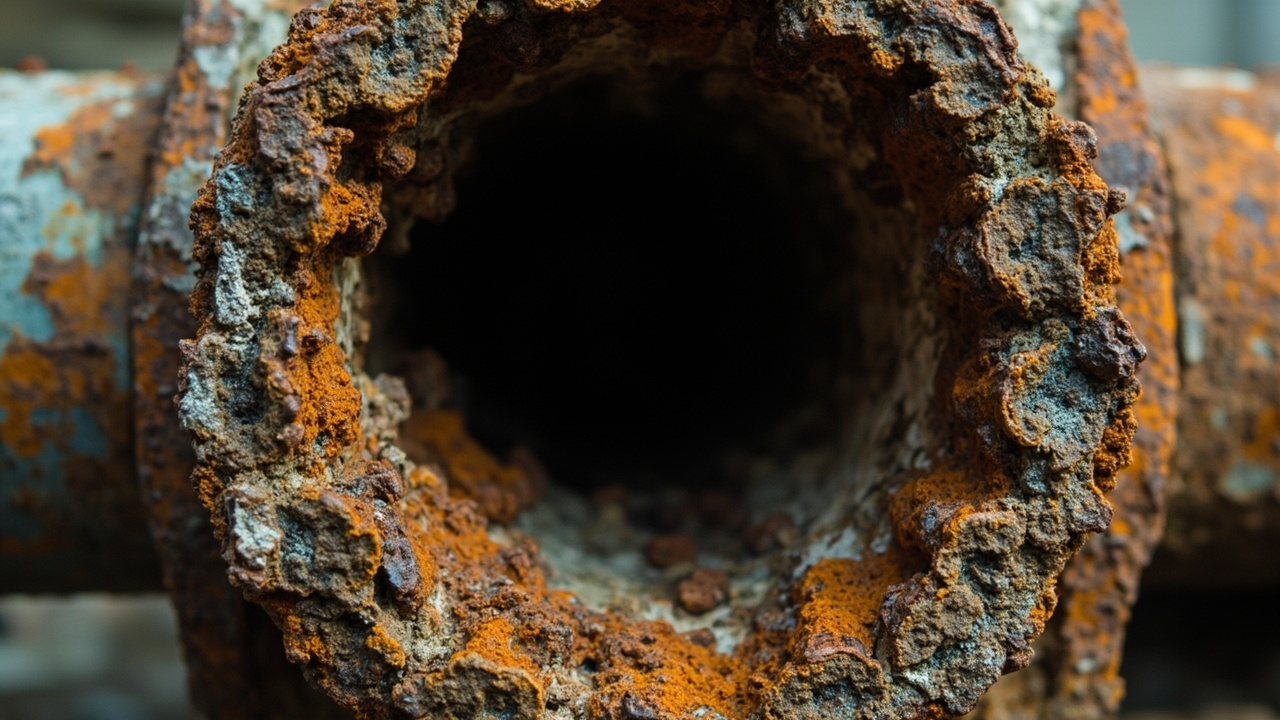
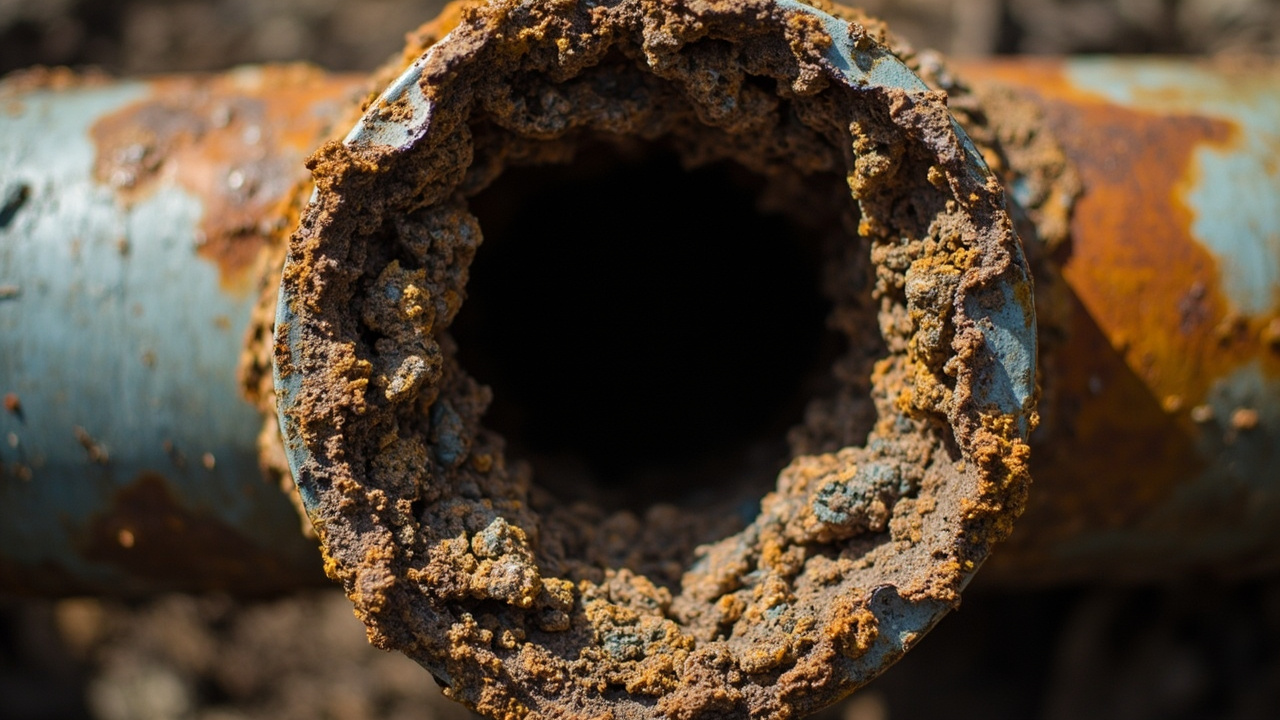
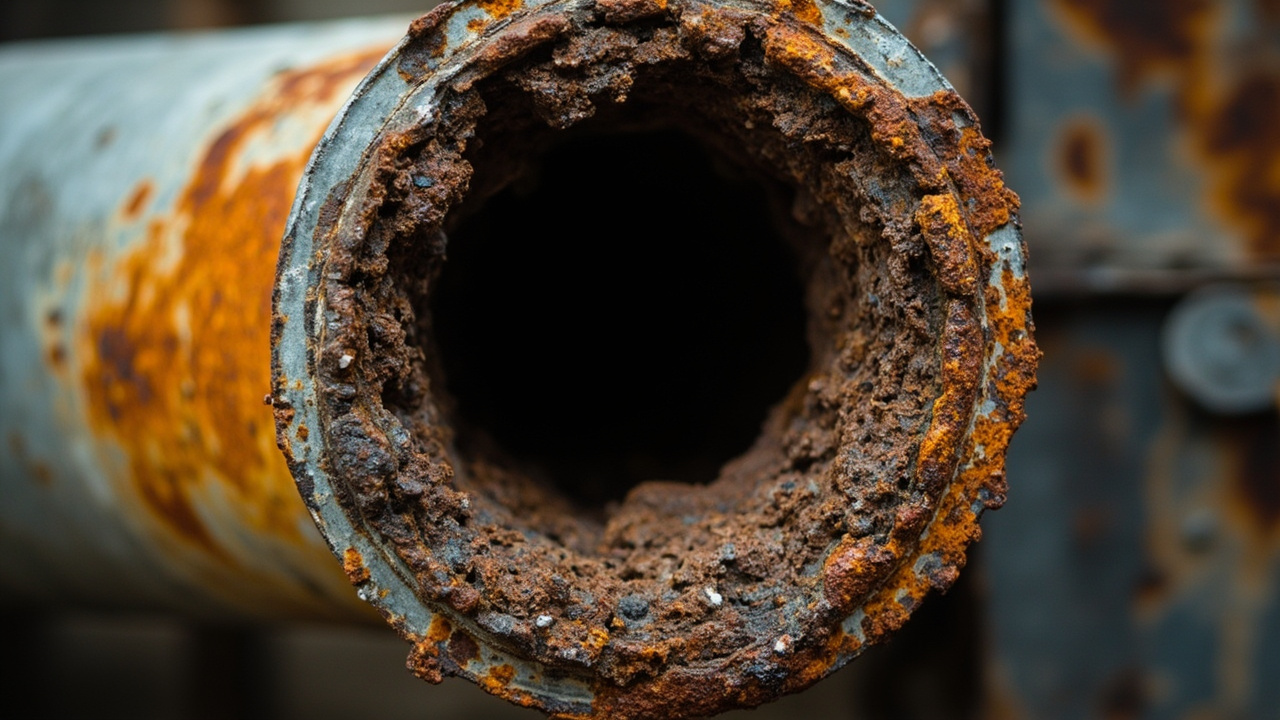
When hot water flows through your pipes, these minerals precipitate out of solution and bond to pipe walls. This calcium buildup in water lines starts as a thin coating but grows thicker each year, narrowing the interior diameter. In older neighborhoods across Los Angeles, galvanized steel pipes corrode from the inside, creating rough surfaces where mineral deposits in water pipes anchor and expand.

You notice the problem when morning showers lose pressure or when your washing machine takes twice as long to fill. Sometimes you see rust-colored water after the system sits idle overnight. That discoloration signals hard water pipe scaling mixed with iron oxide particles breaking loose from corroded sections.

The problem accelerates in homes with water heaters set above 140 degrees. Higher temperatures cause faster precipitation of dissolved solids. If you hear knocking sounds from your water heater, that's pipe calcification problems creating steam pockets under layers of sediment. Left untreated, sediment reduces pipe lifespan, increases energy consumption, and eventually causes pinhole leaks where corrosion and scaling meet.

Los Angeles homes built before 1970 face the highest risk because galvanized pipes were standard until copper became the norm. Even copper pipes accumulate scale, though they resist corrosion better than steel.

How Los Angeles Water Chemistry Creates Sediment Problems
How We Remove Sediment and Restore Pipe Function

How We Remove Sediment and Restore Pipe Function

We start every sediment removal job with a video camera inspection. A waterproof camera mounted on a flexible cable travels through your drain and supply lines, showing us the exact thickness and distribution of scale deposits. This inspection identifies problem zones and helps us select the right removal method for your pipe material and condition.

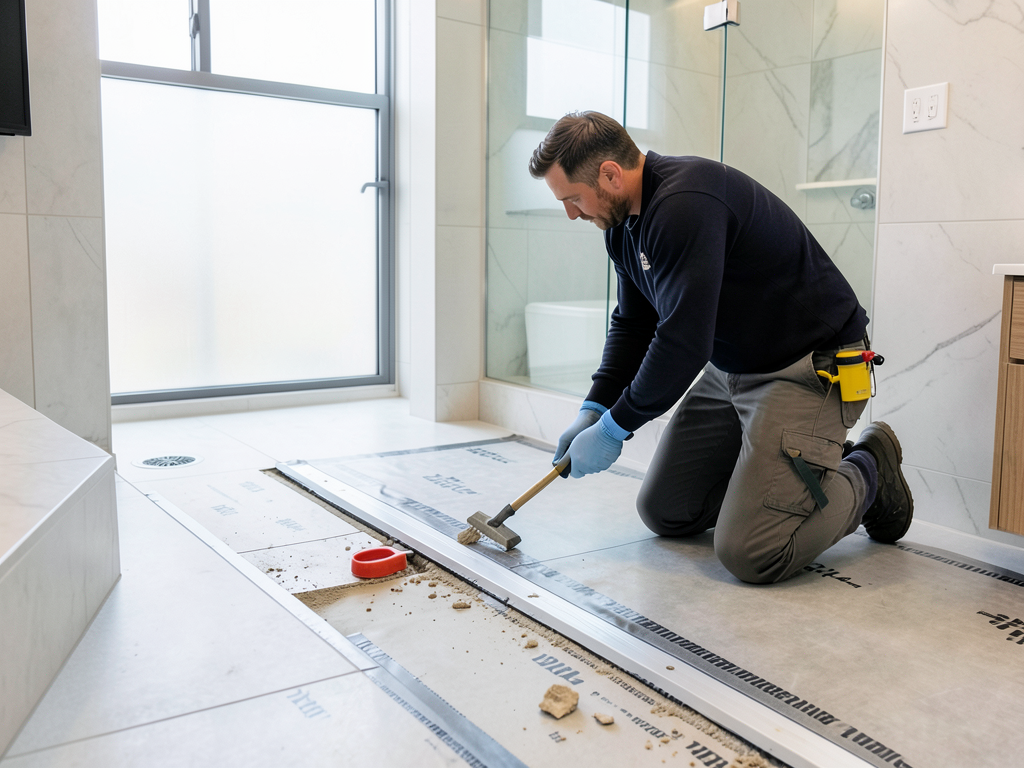
For severe calcium buildup in water lines, we use trailer-mounted hydro-jetting equipment that delivers water at 3,000 to 4,000 PSI through specialized nozzles. Forward-facing jets cut through sediment while rear-facing jets propel the hose and flush debris toward the exit point. The process removes decades of limescale accumulation in plumbing without damaging pipe walls when executed correctly.

Hydro-jetting works on both drain lines and larger supply pipes, but requires careful pressure calibration. Older galvanized pipes weakened by corrosion need lower pressure settings to avoid rupture. We adjust PSI based on pipe material, age, and wall thickness revealed during inspection.

For residential supply lines where hydro-jetting isn't practical, we may recommend targeted pipe replacement for the most affected sections. This hybrid approach removes problem areas while preserving functional pipes, reducing project cost and disruption.

After cleaning, we run a second camera inspection to verify complete sediment removal and check for hidden damage exposed by the cleaning process. You see before and after footage showing the interior condition of your pipes.

We also test your water pressure at multiple fixtures to document flow improvement. Most clients see pressure increases of 30 to 60 percent after professional descaling. The improvement is immediate and measurable.

What Happens During Sediment Removal Service

Sediment Buildup in Pipes in Los Angeles – Expert Diagnosis and Permanent Pipe Restoration
01

Camera Inspection First

We insert a high-resolution camera through cleanout access points or fixture connections to map the interior of your plumbing system. The camera reveals sediment thickness, pipe material, corrosion severity, and any hidden damage. You watch the footage with us on a monitor so you understand exactly what's happening inside your walls. This inspection determines which cleaning method will work safely and effectively for your specific pipe condition.
02

Hydro-Jetting or Replacement

Based on inspection findings, we either perform high-pressure hydro-jetting to scour away mineral deposits or recommend surgical pipe replacement for sections too damaged to clean safely. Hydro-jetting removes years of hard water pipe scaling in minutes, flushing debris out through drain connections. If pipes show advanced corrosion or thin walls, replacement eliminates future failure risk. We explain the tradeoffs so you can make an informed decision about repair versus replacement.
03

Verification and Testing

After cleaning or replacement, we run a second camera inspection to document the results and verify complete sediment removal. We test water pressure at your fixtures and compare readings to baseline measurements taken before service. You see the improvement immediately when you run faucets or flush toilets. We photograph the work area before we leave and discuss maintenance steps to slow future mineral accumulation, including water softener options if appropriate.

Why Los Angeles Homeowners Choose A Plus Plumbing for Sediment Issues

Sediment removal requires specialized equipment most residential plumbers don't own or operate regularly. We invested in professional-grade hydro-jetting machines and sewer cameras because sediment problems are common across Los Angeles. Our technicians complete manufacturer training on safe operation procedures and pressure calibration for different pipe materials.

We know how to work with the plumbing systems common to Los Angeles housing stock. Homes in neighborhoods like Echo Park, Highland Park, and Boyle Heights often have original galvanized pipes from the 1940s and 1950s. These pipes need careful handling because decades of corrosion have thinned the walls. We adjust jetting pressure and nozzle selection to clean these lines without causing ruptures.

In areas with newer construction like Playa Vista or Downtown lofts, we typically find PEX or copper supply lines with less severe scaling but occasional sediment accumulation at angle stops and fixture connections. These systems respond well to targeted cleaning and usually don't require full hydro-jetting.

We're also familiar with Los Angeles Department of Water and Power service connections and how mainline pressure variations affect residential systems. Higher pressure zones in hillside areas accelerate sediment deposition in horizontal pipe runs, while lower pressure neighborhoods may hide scaling problems until flow drops to unusable levels.

When we recommend pipe replacement, we pull permits through the city and coordinate inspections so the work meets current code. We know which pipe materials are approved for potable water in Los Angeles and how to properly transition between old and new sections to prevent galvanic corrosion.

You get straight answers about what's fixable and what's not. We don't oversell hydro-jetting for pipes that need replacement, and we don't recommend replacement for pipes that can be cleaned and restored.

What to Expect During Sediment Removal Service

Service Timeline and Access

Most sediment removal jobs take four to eight hours depending on how many fixtures we're servicing and the extent of buildup. We need access to cleanout ports, usually located in basements, crawl spaces, or exterior walls. If your home lacks cleanouts, we may need to remove a toilet or disconnect a sink to access the drain system. We schedule service during business hours when water use is lowest. You'll need to avoid running water during active jetting, but we work efficiently to minimize disruption. For supply line work, we shut off your main valve temporarily.

Inspection and Assessment Process

We begin with a detailed camera inspection of your drain and supply lines. The camera records footage showing sediment thickness, pipe diameter, material type, and any cracks or corrosion. We review this footage with you and explain what we're seeing in plain language. You'll understand the severity of your sediment problem and why we're recommending a specific treatment approach. We measure water pressure at fixtures before service so we can document improvement afterward. This inspection takes 30 to 60 minutes and determines the entire service plan.

Results and Performance Improvement

After hydro-jetting or pipe replacement, you'll notice immediate improvement in water pressure and flow rate. Showers regain full pressure, washing machines fill faster, and toilets flush more powerfully. Water clarity improves as sediment stops breaking loose from pipe walls. We verify results with a second camera inspection showing clean pipe interiors and test pressure readings at your fixtures. Most clients see pressure increases of 30 to 60 percent. The improvement is permanent unless new sediment accumulates over years, which happens more slowly in cleaned pipes.

Maintenance and Prevention Options

We provide guidance on slowing future sediment accumulation. For homes with severe hard water, we discuss whole-house water softener installation to reduce mineral content before it enters your plumbing. Softeners exchange calcium and magnesium ions for sodium, preventing scale formation. We also recommend periodic drain cleaning for homes prone to sediment buildup. Annual or biannual maintenance hydro-jetting prevents severe accumulation and extends the life of your plumbing system. We keep service records so we can track your system's performance over time and adjust maintenance intervals based on actual accumulation rates.

Frequently Asked Questions

You Have Questions,
We Have Answers

How much to flush pipes in a house? +

Flushing pipes in a Los Angeles home costs between the low and mid hundreds for basic residential service. The price depends on your home size, pipe material, and sediment severity. Older homes in historic neighborhoods like Angelino Heights often need more extensive flushing due to galvanized pipe corrosion. Hard water from the Los Angeles Aqueduct accelerates mineral deposits, which increases service time. Most plumbers charge by the hour plus equipment fees. Simple mainline flushes cost less than whole-house hydro jetting. Get a diagnostic inspection first to identify sediment sources and avoid repeat issues.

What causes sediment buildup in pipes? +

Sediment buildup comes from mineral deposits, pipe corrosion, and incoming debris. Los Angeles water contains high calcium and magnesium levels, which create scale inside pipes. Galvanized and copper pipes corrode over time, releasing metal particles that accumulate. Older homes built before 1970 face worse corrosion issues. Municipal water main breaks introduce sand and silt into your lines. Water heaters generate sediment as minerals settle at the bottom. Clay soil common throughout LA can infiltrate cracked underground pipes. Tree roots penetrating aging sewer laterals bring dirt and organic matter into your plumbing system.

How to get rid of debris in pipes? +

Remove pipe debris through hydro jetting or mechanical snaking. Hydro jetting uses high-pressure water to scour pipe walls and flush out accumulated material. This method works best for heavy sediment and mineral scale. A plumber inserts a specialized nozzle that sprays water at multiple angles, breaking apart blockages and pushing debris toward the sewer line. Mechanical snaking clears localized clogs but does not clean pipe walls thoroughly. For Los Angeles homes with persistent sediment issues, annual hydro jetting prevents future buildup. Whole-house water filtration systems also reduce incoming debris that contributes to accumulation.

How to remove silt from pipes? +

Removing silt from pipes requires professional hydro jetting equipment. Silt enters through compromised underground pipes or during water main repairs common in older LA neighborhoods. A plumber feeds a high-pressure hose through your cleanout access point, blasting silt loose with water jets reaching several thousand PSI. The process flushes material into the municipal sewer system. Camera inspection identifies silt entry points so you can repair damaged pipe sections. Homes near construction zones or areas with shifting clay soil experience more silt intrusion. Fix the source problem to prevent recurrence.

Why Los Angeles's Imported Water Supply Accelerates Pipe Scaling

Los Angeles imports roughly 85 percent of its water from the Colorado River and Northern California via the Los Angeles Aqueduct and Colorado River Aqueduct. This water travels 200 to 400 miles through concrete channels and steel pipes, dissolving minerals along the way. By the time it reaches residential pipes, the water contains 200 to 400 parts per million of total dissolved solids, primarily calcium carbonate and magnesium. This mineral concentration classifies Los Angeles water as moderately hard to hard. Homes in neighborhoods served by different treatment plants experience varying levels of hardness, but almost all areas deal with some degree of limescale accumulation in plumbing over time.

Los Angeles plumbers see sediment problems daily because the city's aging housing stock and mineral-rich water create perfect conditions for pipe calcification. We've worked on homes throughout Silver Lake, Mar Vista, and South Los Angeles where original galvanized pipes from the 1940s and 1950s are nearly sealed shut with scale. Local expertise matters because older Los Angeles homes have unique plumbing configurations that require careful handling during hydro-jetting. We know how to access cleanouts in post-war tract homes and how to work around the limitations of pre-1960s plumbing without causing damage.
Plumbing Services in The Los Angeles Area

Discover where we operate and easily locate our office or service areas on the map below. Whether you're planning routine maintenance or dealing with an urgent plumbing issue, you’ll see we’re right in your neighborhood. Use the interactive map to view service zones, our central office location, and nearby landmarks. You can zoom in for detailed directions or get contact info directly—with just a click, get directions to meet our skilled plumbing team in person.

Address:
A Plus Plumbing Los Angeles, 6080 Center Dr, Los Angeles, CA, 90045

Additional Services We Offer

Our news updates

Latest Articles & News from The Blogs

Everything You Need to Know About Sewer Connections for a Valley Village ADU Adding an accessory dwelling unit to your…

Everything You Need to Know About Sewer Connections for a Valley Village ADU

Everything You Need to Know About Sewer Connections for a Valley Village ADU Adding an accessory dwelling unit to your…

How to Get Rid of That Sulfur Smell in Your Van Nuys Water Heater

How to Get Rid of That Sulfur Smell in Your Van Nuys Water Heater \p>If your hot water smells like…

Why Replacing Plastic Supply Lines With Braided Stainless Steel Can Save Your Toluca Lake Home From Water Damage

Why Replacing Plastic Supply Lines With Braided Stainless Steel Can Save Your Toluca Lake Home From Water Damage Water damage…

Contact Us

Don't wait for a burst pipe to force action. Call (213) 449-7577 now to schedule a camera inspection and pressure test. We'll show you exactly what's happening inside your pipes and give you a clear plan to restore full flow and pressure.