



menu

Understanding Backflow Testing in Los Angeles – Protect Your Water Supply with Expert Compliance Resources

Get clear answers about backflow prevention assembly testing requirements, inspection procedures, and annual certification deadlines to keep your Los Angeles property compliant and your water safe.

Slider Image 1
Slider Image 2
Slider Image 3
Slider Image 4
Slider Image 5
Slider Image 7
Slider Image 8
Slider Image 9
Slider Image 10
Slider Image 11

Why Backflow Testing Matters in Los Angeles Water Systems

Your water flows one direction by design. When pressure drops or a cross-connection exists, contaminated water can reverse course and enter your clean supply. This is backflow, and it poses a serious public health risk in Los Angeles, where aging infrastructure and fluctuating water pressure create constant vulnerability.

The Los Angeles Department of Water and Power requires annual backflow certification for any property with irrigation systems, fire suppression equipment, commercial kitchens, or manufacturing processes. These backflow prevention assembly testing requirements exist because one contaminated connection can affect entire neighborhoods through the municipal water grid.

You face fines, service disconnection, and liability exposure if your backflow preventer inspection lapses. The city tracks compliance through a centralized database, and notifications go out 60 days before your certification expires. Miss that window and you enter violation status.

Water backflow testing requirements vary by device type. Reduced pressure zone assemblies need testing differently than double check valves. The testing procedures involve shutting off water, isolating the assembly, and using calibrated gauges to measure pressure differentials across check valves and relief valves. Only certified testers can perform these procedures and submit results to the city.

Most property owners do not understand which devices require testing or when inspections come due. You need resources that explain the process in plain language, clarify your specific obligations based on property type, and connect you with qualified professionals who know Los Angeles regulations inside out.

Why Backflow Testing Matters in Los Angeles Water Systems
How Backflow Testing Actually Works

How Backflow Testing Actually Works

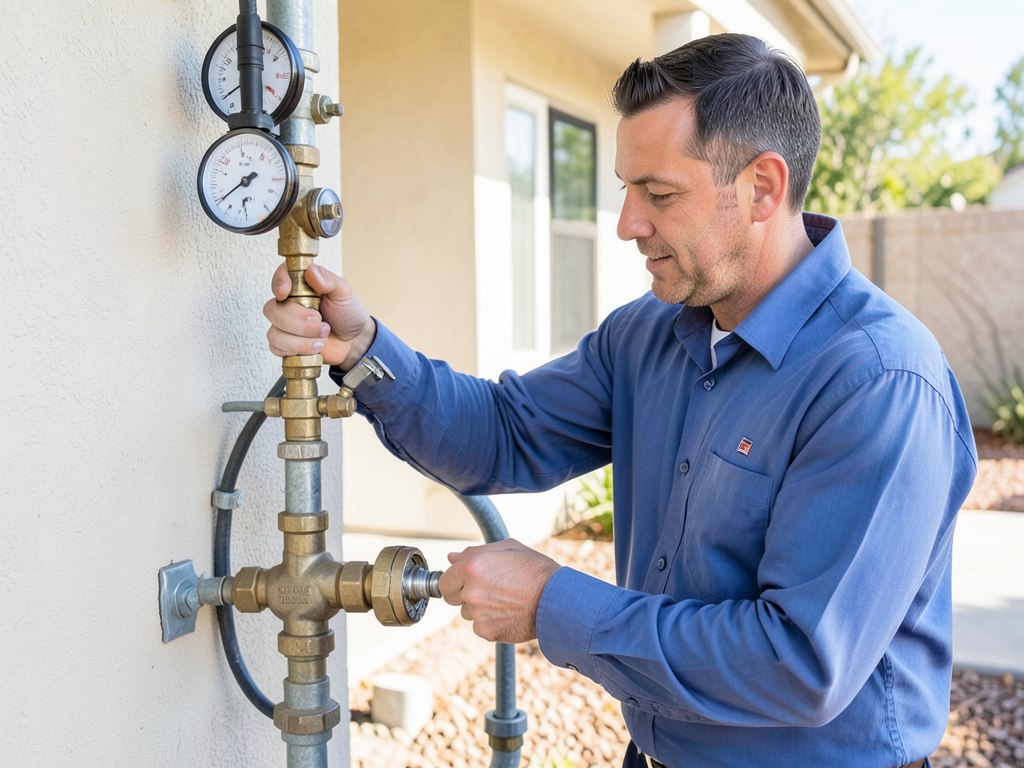
Backflow device testing procedures follow a strict protocol established by the University of Southern California Foundation for Cross-Connection Control and the American Water Works Association. A certified tester arrives with calibrated test equipment, verifies the assembly location matches city records, and conducts a systematic evaluation of each component.

The tester closes isolation valves on both sides of the assembly, then opens test cocks to drain standing water. They attach differential pressure gauges and record baseline readings. For reduced pressure assemblies, they verify the relief valve opens at the correct pressure differential, typically 2 PSI below supply pressure. For double check valves, they confirm each check valve holds against reverse flow with minimal leakage, usually no more than 0.5 gallons per hour.

The inspection includes visual assessment of the assembly housing for corrosion, proper elevation above grade, adequate clearance for maintenance, and protection from freezing or vandalism. In Los Angeles, many assemblies sit in direct sunlight or below-grade vaults where extreme temperatures affect valve performance. The tester documents these conditions because they impact future reliability.

After testing, the technician completes a detailed report listing pass or fail status for each component. Passing assemblies receive certification valid for one year. Failed assemblies require immediate repair or replacement, followed by retesting before the city accepts certification. The tester submits results electronically to the Los Angeles Department of Water and Power within 30 days.

You receive copies of all documentation, including gauge calibration certificates, test results, and compliance confirmation. This paperwork protects you during audits and provides a maintenance history if you sell the property.

What Happens During Your Backflow Certification

Understanding Backflow Testing in Los Angeles – Protect Your Water Supply with Expert Compliance Resources
01

Device Identification and Documentation

The tester locates your backflow prevention assembly using city records and property blueprints. They verify the serial number, manufacturer, model, and installation date against municipal database entries. They photograph the device and note its physical condition, accessibility, and any modifications since the last inspection. This documentation creates an audit trail for compliance tracking and helps identify recurring maintenance issues specific to your assembly type.
02

Pressure Testing and Component Evaluation

Using calibrated gauges, the technician measures pressure differentials across check valves and tests relief valve operation under simulated backflow conditions. They record opening and closing pressures, leakage rates, and valve response times. Each measurement follows standardized procedures defined by cross-connection control manuals. The tester compares results against manufacturer specifications and determines whether each component operates within acceptable parameters for Los Angeles water pressure ranges.
03

Results Submission and Compliance Confirmation

The tester completes the official test report and submits it electronically to the Los Angeles Department of Water and Power. You receive a certification tag attached to your assembly and digital copies of all test documentation. The city updates your compliance status in their tracking system, and you get confirmation that your annual backflow certification requirement is satisfied. If repairs are needed, the tester provides a detailed quote and timeline for corrective work.

Why Los Angeles Properties Need Local Backflow Expertise

Los Angeles operates under some of the strictest cross-connection control regulations in California. The city maintains an active enforcement program with dedicated inspectors who conduct site visits and review testing records. Properties that fall out of compliance face escalating penalties, starting with warning letters and progressing to water service disconnection for chronic violators.

A Plus Plumbing Los Angeles understands the specific requirements that apply to different property types across Los Angeles neighborhoods. Commercial properties with fire suppression systems face different testing schedules than residential properties with irrigation backflow devices. Medical facilities, restaurants, and industrial sites have additional requirements based on hazard classification.

We know which assemblies the city requires for new construction, how to navigate the permit process for assembly replacement, and which manufacturers meet Los Angeles Department of Water and Power approval standards. When you need to upgrade from a double check valve to a reduced pressure assembly due to reclassification, we handle the engineering submittal and coordinate inspections.

Los Angeles water pressure fluctuates significantly between coastal areas and hillside properties. Assemblies in Brentwood or Pacific Palisades experience different operating conditions than devices in downtown or the San Fernando Valley. Altitude changes, system demand patterns, and proximity to pumping stations all affect backflow preventer performance. Our technicians account for these variables during testing and recommend assemblies suited to your specific location.

We maintain current certification through the American Backflow Prevention Association and hold contractor licenses recognized by Los Angeles building and safety departments. Our test equipment receives annual calibration through accredited laboratories, and we carry the liability coverage required for cross-connection control work. You get professionals who follow the rules because we know the consequences of shortcuts in this highly regulated field.

What You Can Expect from Professional Backflow Testing

Scheduling and Service Timeline

Most backflow prevention assembly testing takes 30 to 90 minutes depending on device complexity and accessibility. We schedule appointments during normal business hours to minimize disruption, though early morning or weekend slots are available for commercial properties that cannot interrupt operations. You receive a reminder call 24 hours before the appointment. The tester arrives with all necessary equipment and completes the work in a single visit unless repairs are needed. We submit test results to the city within 48 hours, and you receive confirmation of compliance status within one week.

The Testing Process Explained

Our technician explains each step before starting work. You learn which components are being tested, what the measurements indicate, and why certain procedures are mandatory. We show you the calibration certificates for our test gauges and walk through the checklist required by Los Angeles regulations. If your assembly fails any portion of the test, we explain exactly what is wrong, why it matters for water safety, and what repair or replacement options exist. You make informed decisions because you understand the technical issues in plain language without jargon or pressure tactics.

Certification Documentation and Records

You receive a complete test report with pressure readings, valve performance data, and pass or fail status for each component. The report includes photographs of your assembly, notes about its condition, and recommendations for future maintenance. We attach a dated certification tag to the device and provide digital copies of all paperwork for your records. This documentation satisfies audits, supports property sales, and creates a maintenance history that helps predict when components will need replacement. The city automatically receives electronic submission of your test results through their approved portal.

Ongoing Compliance Support

We track your certification expiration date and send reminders 60 days before testing comes due. This automatic notification system prevents lapses that lead to violations. If you need repairs between annual tests, we provide priority service to maintain continuous compliance. For properties with multiple assemblies or complex systems, we offer maintenance agreements that include scheduled testing, expedited repair service, and direct coordination with city inspectors. You stay compliant without tracking deadlines or managing paperwork because we handle the administrative burden.

Frequently Asked Questions

You Have Questions,
We Have Answers

How does backflow testing work? +

A certified tester connects specialized gauges to your backflow preventer's test ports. They open and close valves in a specific sequence to measure differential pressure across the device's check valves and relief valve. The gauges show if the internal components maintain proper pressure to prevent reverse water flow. In Los Angeles, testers follow standards set by the USC Foundation for Cross-Connection Control. The process takes 15 to 30 minutes per device. You receive a documented report showing pass or fail status. Failed devices require immediate repair or replacement before your water service can continue legally.

Can I do backflow testing myself? +

No. Los Angeles requires certified backflow testers to perform annual inspections. You need specialized gauge equipment calibrated annually, plus training through an approved program. The city mandates testers hold valid certification from organizations like AWWA or USC. Testing yourself violates city code and invalidates your compliance. Insurance liability is another concern. If contaminated water enters the public system due to improper testing, you face legal consequences. The testing fee is small compared to potential fines or health risks. Hire a certified professional who understands Los Angeles Department of Water and Power requirements and can file your compliance report correctly.

What are the basics of backflow preventer? +

A backflow preventer is a mechanical valve that stops contaminated water from flowing backward into the clean water supply. It installs at cross-connection points where your private plumbing meets the public system. The device uses check valves, springs, and a relief valve to create a physical barrier. If pressure drops in the main line, the preventer closes automatically. Los Angeles properties with irrigation systems, fire sprinklers, or commercial processes need specific preventer types. The two most common are RPZ and PVB assemblies. California Health and Safety Code requires annual testing to confirm these internal parts still function correctly.

Do all plumbers do backflow testing? +

No. Backflow testing requires specific certification beyond a standard plumbing license. Many plumbers refer testing work to specialists who maintain the required credentials and calibrated gauge kits. In Los Angeles, testers must complete an approved training course and pass a written exam. They also need annual gauge calibration certificates. Some full-service plumbing companies employ certified testers on staff, while others focus only on installation and repair. Always verify your tester holds current certification recognized by Los Angeles Department of Water and Power. Ask to see their certification card before they perform your annual test.

How to tell if a backflow is bad? +

Common signs include visible leaking from the relief valve when water is flowing, discolored water after irrigation cycles, or reduced water pressure. You might see the relief valve dripping constantly, which indicates the check valve seats are worn. If you smell chlorine near outdoor faucets after using fertilizer systems, that suggests backflow already occurred. In Los Angeles, hard water and mineral buildup accelerate wear on internal rubber components. Failed annual tests are the definitive indicator. If your device is over 10 years old and never serviced, internal parts likely degraded. Schedule testing immediately if you notice any unusual behavior.

What is the difference between PVB and RPZ? +

Both prevent backflow, but RPZ (Reduced Pressure Zone) offers higher protection. An RPZ has two check valves with a pressure-monitored chamber between them. If either valve fails, contaminated water dumps out the relief valve instead of entering the main line. PVB (Pressure Vacuum Breaker) uses atmospheric pressure and a single check valve. PVBs must install above all downstream outlets and cannot handle back-pressure. Los Angeles typically requires RPZ devices for high-hazard locations like commercial properties, medical facilities, or irrigation systems with chemical injectors. PVBs work for simple residential irrigation without fertilizer systems. Installation height matters.

Is backflow testing hard? +

For certified professionals, testing is straightforward but requires precision. The tester follows a step-by-step procedure using calibrated gauges to measure specific pressure differentials. Each valve assembly has a unique testing sequence. Reading the gauges accurately and documenting results correctly takes training and experience. For property owners, the process is simple: you just provide access to the device and wait. Los Angeles properties often have multiple preventers, which extends testing time. Difficult access locations or corroded test ports can complicate the job. Weather affects scheduling since testers work outdoors. The technical skill is not extreme, but certification ensures consistent, accurate results.

How much to charge to test a backflow? +

Testing fees in Los Angeles typically range based on device type, quantity, and accessibility. Pricing reflects the tester's certification maintenance, gauge calibration costs, liability insurance, and travel time. Commercial properties with multiple devices often get volume discounts. Emergency or after-hours testing costs more. The fee includes the physical test, compliance report filing with the city, and documentation for your records. Fees do not include repairs if your device fails. Get quotes from multiple certified testers, but prioritize experience and proper credentials over the lowest price. Incorrect testing creates legal compliance issues that cost far more to resolve.

How many questions are on the backflow test? +

This question refers to the certification exam for becoming a tester, not the device test itself. California certification exams typically contain 50 to 100 multiple-choice questions covering hydraulics, cross-connection control, device types, testing procedures, and regulations. The USC Foundation exam is the most recognized in Los Angeles. You need classroom training hours before sitting for the exam. Passing scores vary by certifying organization but usually require 70 percent or higher. The exam tests technical knowledge about pressure differentials, valve functions, and local code requirements. Recertification is required every few years, which may include retesting or continuing education credits.

What happens if I don't do backflow testing? +

Los Angeles issues violation notices and may disconnect your water service. The city requires annual testing reports filed by specific deadlines. Missing your test date triggers progressive enforcement. First, you receive a warning letter. Continued non-compliance results in fines starting around several hundred dollars and increasing with each violation period. The Department of Water and Power can install a physical shutoff at your meter. Beyond legal penalties, you risk contaminating the public water supply if your device fails. That creates health department involvement and potential liability for downstream users who become ill. Schedule testing before your anniversary date to avoid all compliance issues.

How Los Angeles Water Infrastructure Affects Backflow Prevention Requirements

Los Angeles relies on a complex water distribution network that combines local groundwater, imported supplies from the Eastern Sierra, and recycled water for irrigation. This multi-source system creates pressure zones with varying flow characteristics throughout the city. Properties at higher elevations require booster pumps that can create backpressure conditions, increasing backflow risk. Areas served by older distribution mains experience pressure fluctuations during peak demand periods, particularly during summer months when irrigation use spikes. These conditions make backflow prevention assembly testing more critical in Los Angeles than in cities with simpler water systems. Your assembly must perform reliably across a wide range of operating pressures that change daily.

A Plus Plumbing Los Angeles has tested backflow assemblies across every neighborhood in the city, from coastal communities to foothill properties. We understand how local water quality, pressure characteristics, and infrastructure age affect device performance. Our technicians know which assembly types work best in specific areas and can identify problems caused by unique Los Angeles conditions that out-of-town contractors miss. We maintain direct relationships with Los Angeles Department of Water and Power cross-connection control staff and stay current on regulation changes that affect compliance requirements. When you work with local professionals who specialize in Los Angeles water systems, you get testing that accounts for the specific challenges your property faces.
Plumbing Services in The Los Angeles Area

Discover where we operate and easily locate our office or service areas on the map below. Whether you're planning routine maintenance or dealing with an urgent plumbing issue, you’ll see we’re right in your neighborhood. Use the interactive map to view service zones, our central office location, and nearby landmarks. You can zoom in for detailed directions or get contact info directly—with just a click, get directions to meet our skilled plumbing team in person.

Address:
A Plus Plumbing Los Angeles, 6080 Center Dr, Los Angeles, CA, 90045

Additional Services We Offer

Our news updates

Latest Articles & News from The Blogs

Everything You Need to Know About Sewer Connections for a Valley Village ADU Adding an accessory dwelling unit to your…

Everything You Need to Know About Sewer Connections for a Valley Village ADU

Everything You Need to Know About Sewer Connections for a Valley Village ADU Adding an accessory dwelling unit to your…

How to Get Rid of That Sulfur Smell in Your Van Nuys Water Heater

How to Get Rid of That Sulfur Smell in Your Van Nuys Water Heater \p>If your hot water smells like…

Why Replacing Plastic Supply Lines With Braided Stainless Steel Can Save Your Toluca Lake Home From Water Damage

Why Replacing Plastic Supply Lines With Braided Stainless Steel Can Save Your Toluca Lake Home From Water Damage Water damage…

Contact Us

Do not wait for a violation notice. Call A Plus Plumbing Los Angeles at (213) 449-7577 now to schedule your annual backflow certification. We handle everything from testing to city reporting, keeping your Los Angeles property compliant and your water safe.