
Blue and Green Stains in Your Larchmont Village Sinks (What It Means for Your Pipes)
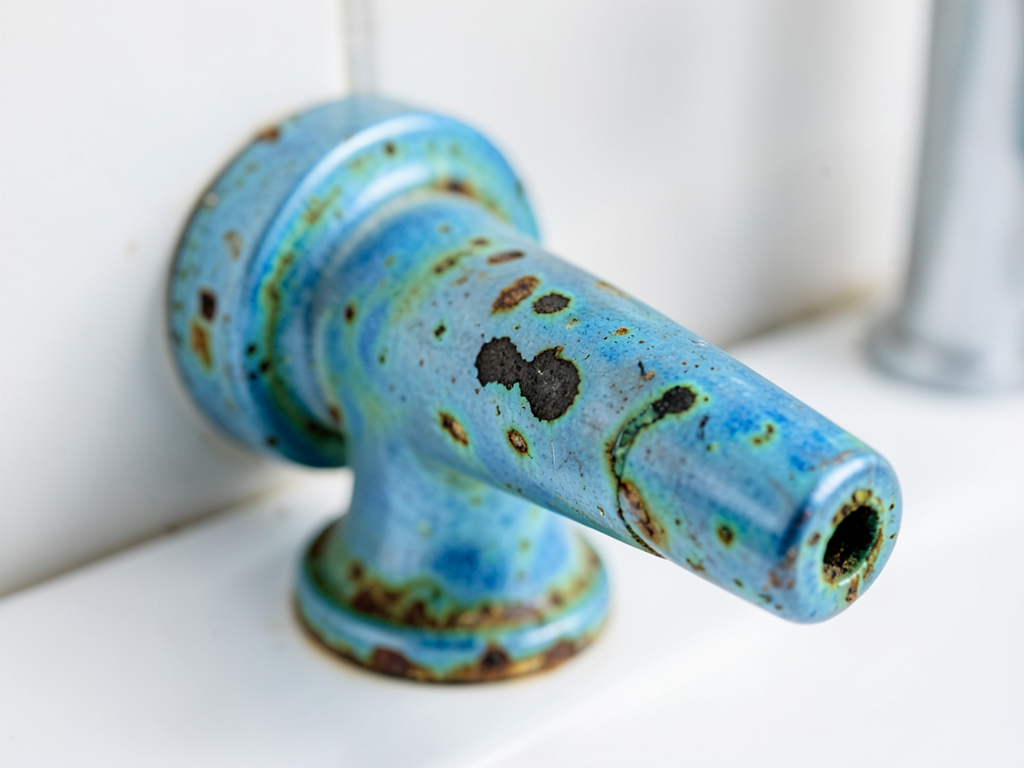
Those blue-green streaks on your Larchmont Village sink fixtures are more than a cosmetic issue. They are a visual warning sign of copper pipe corrosion happening inside your walls. The staining, known as verdigris, forms when acidic water dissolves copper from your plumbing system and leaves mineral deposits on surfaces. In older Larchmont homes built before the 1980s, this often indicates aging copper pipes reacting with the local water chemistry. Plumbing Glendale.
Larchmont Village sits in a pocket of Los Angeles where many homes still have original copper plumbing from the 1940s and 1950s. The Los Angeles Department of Water and Power reports that regional water pH levels can dip as low as 6.8, which falls below the EPA’s recommended range of 6.5 to 8.5. When water stays in that acidic zone for years, it slowly eats away at copper pipes from the inside out. The blue-green residue you see is actually copper oxide and copper carbonate forming on your fixtures.
The problem goes beyond appearance. Acidic water accelerates pipe thinning and can create pinhole leaks before you ever notice a drop in pressure. A small blue stain today might mean a wall leak tomorrow. The corrosion also affects water quality by increasing copper levels in your drinking water, which can cause health issues over time.
If you live in Larchmont Village and see these stains, your pipes are sending a clear message. The copper plumbing in your home is under chemical attack and needs professional attention before the damage spreads. Understanding what causes the staining helps you choose the right fix and protect your home from costly water damage.
The Science: What Causes Blue-Green Staining in Los Angeles Homes?
Copper pipe corrosion happens when water chemistry creates the perfect conditions for metal breakdown. In Los Angeles, several factors combine to make this a common problem in older neighborhoods like Larchmont Village.
Low pH (Acidic Water) and Copper Pipe Corrosion
Water with a pH below 7.0 is considered acidic. When acidic water flows through copper pipes, it dissolves the metal and carries copper ions into your water supply. These ions then deposit on fixtures as blue-green stains. The Los Angeles Department of Water and Power monitors water pH across the city, but local variations exist based on the age of water mains and treatment processes.
Copper corrosion accelerates when water sits stagnant in pipes for long periods. In Larchmont Village homes with vacation properties or seasonal residents, this creates ideal conditions for staining. The longer water contacts copper at low pH, the more metal dissolves into your supply.
Temperature also affects corrosion rates. Hot water dissolves copper faster than cold water, which is why you often see more staining around hot water faucets and showerheads. The heat speeds up the chemical reaction between acidic water and copper pipe walls.
Electrolysis and Galvanic Corrosion
Another cause of blue-green staining involves electrical currents in your plumbing system. When different metals connect in your pipes without proper dielectric separation, stray electrical currents flow through the water. This process, called electrolysis, creates galvanic corrosion that eats away at copper pipes.
Many Larchmont Village homes have mixed-metal plumbing from decades of repairs. A copper pipe connected to a galvanized steel fitting without a dielectric union creates a battery effect. The electrical current flows through the water, accelerating corrosion at the connection point. This often shows up as blue-green discoloration near joints and fittings. Sewer Line Repair Experts for Older Homes in Pasadena.
Grounding issues can also cause electrolysis. If your home’s electrical system uses metal plumbing as a ground path, stray currents flow through your pipes. This constant electrical flow creates hot spots of corrosion that appear as blue-green stains on nearby fixtures. Wet Spots in Yard.
Are Blue-Green Stains Dangerous for Your Health?
The blue-green stains themselves are not harmful to touch, but they signal elevated copper levels in your drinking water. The EPA sets the maximum contaminant level for copper in drinking water at 1.3 milligrams per liter. When copper pipes corrode, they can release levels that exceed this limit.
Short-term exposure to high copper levels can cause gastrointestinal distress, nausea, and vomiting. Long-term exposure may lead to liver and kidney damage, especially in people with Wilson’s disease or other copper metabolism disorders. Children and pregnant women are particularly vulnerable to copper toxicity.
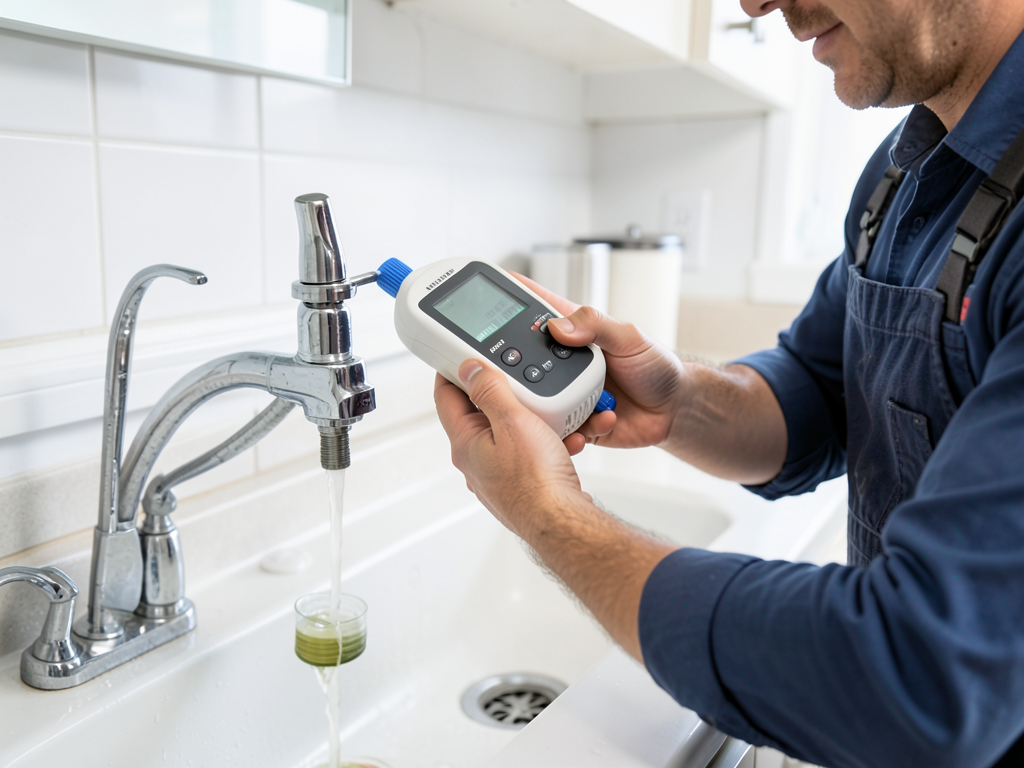
Testing your water is the only way to know if copper levels are unsafe. Home test kits can detect elevated copper, but professional laboratory analysis provides accurate measurements. If you notice blue-green stains and experience symptoms like stomach pain or nausea after drinking tap water, stop using the water immediately and contact your local water authority.
The health risk extends beyond drinking water. Copper can also affect skin during showering or bathing, potentially causing irritation for people with sensitive skin. Pets drinking from taps with high copper levels may also experience health problems.
How to Remove Blue-Green Stains (DIY Methods)
Cleaning blue-green stains removes the visible evidence but does not fix the underlying pipe corrosion. However, removing the stains helps you monitor for new staining that indicates ongoing problems.
Vinegar and Baking Soda Method
White vinegar dissolves copper oxide deposits through its acetic acid content. Mix equal parts white vinegar and water in a spray bottle. Spray the solution on stained areas and let it sit for 15 minutes. The acid breaks down the mineral deposits without harsh chemicals.
After soaking, sprinkle baking soda on the wet surface. The baking soda reacts with the vinegar to create a gentle scrubbing action that lifts the loosened deposits. Use a soft cloth or non-abrasive sponge to wipe away the mixture and the blue-green residue.
Rinse thoroughly with clean water and dry the surface completely. This prevents new mineral deposits from forming immediately. For stubborn stains, repeat the process or use full-strength vinegar without dilution.
Commercial Copper Cleaners
Several commercial cleaners specifically target copper oxidation stains. Products containing citric acid or oxalic acid work effectively on blue-green deposits. Follow manufacturer instructions carefully, as these acids can damage certain fixture finishes if left on too long.
Always test commercial cleaners on an inconspicuous area first. Some products may etch or dull polished surfaces. Wear gloves and ensure proper ventilation when using chemical cleaners. Never mix different cleaning products, as dangerous reactions can occur.
Preventive Cleaning
After removing stains, apply a thin coat of car wax or mineral oil to cleaned surfaces. This creates a barrier that prevents new mineral deposits from bonding to the fixture. Reapply every few months to maintain protection.
Install water filters on faucets to reduce mineral content in the water that contacts fixtures. While this does not stop pipe corrosion, it minimizes the staining on visible surfaces.
Permanent Solutions for LA Homeowners
Cleaning stains treats the symptom, not the disease. To permanently stop blue-green staining, you must address the root cause: pipe corrosion. Los Angeles homeowners have several options depending on their budget and the extent of the problem.
Water Softeners vs. Neutralizing Filters
Water softeners remove calcium and magnesium that cause hard water scaling but do not address low pH. In fact, some water softeners can make water more acidic by replacing calcium with sodium ions.
Acid neutralizing filters raise water pH by adding calcium carbonate or soda ash as water passes through. These systems treat the acidic water problem that causes copper corrosion. For Larchmont Village homes with pH levels below 6.5, a neutralizing filter may stop further pipe damage.
The choice depends on your water chemistry. Test your water’s pH, hardness, and mineral content before selecting a treatment system. Many LA homes need both softening and pH adjustment for complete protection.
| Treatment System | Primary Function | Best For | Maintenance |
|---|---|---|---|
| Acid Neutralizer | Raises pH to 7.0-8.5 | Copper pipe corrosion | Refill media annually |
| Water Softener | Removes calcium/magnesium | Hard water scaling | Refill salt monthly |
| Reverse Osmosis | Removes dissolved solids | Drinking water quality | Replace filters every 6-12 months |
Epoxy Pipe Lining vs. Repiping
For homes with extensive copper corrosion, two main repair options exist. Epoxy pipe lining creates a new pipe within your existing plumbing. Technicians blow epoxy resin through your pipes, which cures into a durable plastic lining. This seals pinhole leaks and prevents future corrosion without demolition.
Epoxy lining works well for accessible plumbing in single-story homes. The process takes one to two days and costs less than full repiping. However, it may not work for severely corroded pipes or those with extensive damage.
Complete repiping replaces all copper pipes with PEX or CPVC. This eliminates all corrosion sources and provides a permanent solution. Repiping costs more and requires wall access, but new pipes last 50+ years without corrosion issues.
Consider repiping if your home is over 50 years old, has had multiple leaks, or shows widespread blue-green staining. The investment protects your home from water damage and improves water quality.
When to Call a Professional Plumber in Los Angeles
Blue-green stains indicate a plumbing emergency in progress. While not as dramatic as a burst pipe, copper corrosion can cause catastrophic damage if ignored. Call a professional when you notice these warning signs. Emergency Sump Pump Services for Rainy Seasons in Hancock Park.
Multiple Staining Locations
When blue-green stains appear on multiple fixtures throughout your home, the problem affects your entire plumbing system. This suggests widespread pipe corrosion rather than a localized issue. A professional plumber can test water chemistry and inspect pipes to assess the damage extent.
Staining on both hot and cold water fixtures indicates the problem affects your main water supply, not just your water heater. This requires whole-house treatment rather than fixture-specific fixes.
Water Pressure Changes
Fluctuating water pressure or reduced flow can signal pinhole leaks forming in corroded pipes. As copper thins from corrosion, small holes develop that allow water to escape. These leaks may be hidden behind walls or under floors.
Listen for hissing sounds near pipes or notice water meter movement when no fixtures are running. These indicate active leaks that require immediate attention. A professional leak detection service uses acoustic equipment to find hidden leaks without demolition. Expert Leak Detection Services to Save Your Venice Beach Property.
Visible Pipe Damage
Inspect exposed pipes in basements, crawl spaces, or utility areas for signs of corrosion. Green or blue discoloration on pipe surfaces, flaking metal, or visible thinning indicates advanced deterioration. Touch pipes gently to check for soft spots that suggest metal loss.
Corroded fittings and valves often fail before pipes themselves. If you notice green deposits around pipe connections or see water seeping from joints, replacement is necessary before complete failure occurs.
Health Symptoms
If household members experience unexplained gastrointestinal issues that improve when away from home, copper in drinking water may be the cause. Children showing signs of nausea, vomiting, or diarrhea after drinking tap water require immediate water testing.
Schedule professional water testing if you notice blue-green stains and any health symptoms. A licensed plumber can collect samples and send them to certified laboratories for analysis. This documentation may be necessary for insurance claims or legal action against water authorities.
Preventing Future Corrosion in Larchmont Village Homes
Once you address existing corrosion, preventing recurrence requires ongoing maintenance and monitoring. Larchmont Village’s aging housing stock makes prevention especially important for long-term plumbing health.
Regular Water Testing
Test your water chemistry annually, even after installing treatment systems. Water quality can change due to municipal supply adjustments, drought conditions, or infrastructure repairs. The Los Angeles Department of Water and Power publishes annual water quality reports, but local variations exist.
Home test kits provide basic pH and copper readings, but professional laboratory analysis offers comprehensive results. Test for pH, copper content, chlorine levels, and total dissolved solids. Keep records to track changes over time.
Plumbing Maintenance Schedule
Schedule annual plumbing inspections to catch problems early. A professional plumber checks for corrosion signs, tests water pressure, and inspects visible pipes. They can identify developing issues before they become emergencies.
Replace sacrificial anodes in water heaters every three to five years. These rods attract corrosion that would otherwise attack your tank and pipes. Fresh anodes protect your entire plumbing system from accelerated corrosion.
Electrical System Checks
Have an electrician verify proper grounding of your home’s electrical system. Improper grounding can cause electrolysis in plumbing pipes. Ensure all metal pipes have dielectric unions where they connect to different metals.
Install whole-house surge protectors to prevent electrical spikes that could affect your plumbing system. While rare, electrical surges can accelerate corrosion in vulnerable pipes.
Cost Considerations for LA Homeowners
Addressing copper pipe corrosion requires investment, but ignoring it costs more in the long run. Understanding cost factors helps you budget appropriately for repairs and prevention.
Treatment System Costs
Acid neutralizing filters range from $1,200 to $2,500 installed, depending on home size and system capacity. Water softeners cost $800 to $1,500, with additional expenses for installation and plumbing modifications.
Combination systems that treat both pH and hardness cost $2,500 to $4,000. These provide comprehensive protection but require more complex installation and maintenance.
Repair vs. Replacement Economics
Epoxy pipe lining costs $2,000 to $4,000 for an average home, with prices varying based on pipe accessibility and corrosion extent. This option repairs existing pipes without demolition but may need replacement after 15-20 years.
Complete repiping costs $4,000 to $10,000 for a typical Larchmont Village home, depending on size and construction type. While expensive upfront, new PEX or CPVC pipes last 50+ years without corrosion issues.
Insurance and Warranty Implications
Many homeowners insurance policies exclude damage from corrosion or wear and tear. However, sudden pipe failures from corrosion may be covered if they cause water damage. Document all repairs and water testing to support insurance claims.
Check if your home warranty covers plumbing repairs. Some policies exclude corrosion damage, while others provide coverage for pipe replacement. Read the fine print carefully before relying on warranty protection.
Local Water Quality in Larchmont Village
Larchmont Village receives water from the Los Angeles Aqueduct system, which draws from the Owens Valley and local groundwater sources. The water chemistry varies seasonally and based on treatment adjustments at the Los Angeles Department of Water and Power.
Recent LADWP reports show regional pH levels ranging from 6.5 to 8.2, with some areas consistently below 7.0. Larchmont Village’s location near the city center means it receives water that has traveled through older distribution systems, potentially affecting pH through contact with aging infrastructure.
The area’s relatively old housing stock compounds water chemistry challenges. Many Larchmont homes built in the 1920s through 1950s still have original copper plumbing that has experienced decades of water flow. The combination of slightly acidic water and aging pipes creates ideal conditions for the blue-green staining you see today.
Frequently Asked Questions
Can I paint over blue-green stains to hide them?
Painting over stains only hides the symptom temporarily. The copper corrosion continues underneath, and new stains will appear as the problem worsens. Paint also prevents you from monitoring stain progression, which indicates how quickly your pipes are deteriorating.
Will replacing just one section of pipe fix the problem?
Replacing a single section treats only that area while corrosion continues throughout your system. The new pipe may last longer due to being fresh copper, but surrounding pipes keep deteriorating. This approach often leads to repeated repairs as other sections fail.
How long does epoxy pipe lining last?
Quality epoxy lining typically lasts 15 to 20 years when properly installed. The epoxy creates a barrier between water and copper, stopping corrosion. However, if your water remains acidic, the lining may degrade faster, requiring eventual replacement.
Is bottled water safer than tap water with copper pipes?
Bottled water avoids copper from your pipes but introduces other concerns. Plastic bottles can leach chemicals, and bottled water lacks the fluoride added to municipal supplies for dental health. A proper water treatment system provides safer, more sustainable protection than bottled water.
Can I sell my home with blue-green stains?
You can sell a home with these stains, but you must disclose known plumbing issues. Buyers will likely request inspections and may negotiate price reductions for necessary repairs. Addressing the problem before listing often yields better sale prices and smoother transactions.
Does hard water cause blue-green stains?
Hard water itself does not cause blue-green staining. The stains result from acidic water dissolving copper pipes. However, hard water and acidic water often occur together, and hard water can mask early signs of copper corrosion by leaving white scale deposits that cover blue-green areas.
How quickly can copper pipes corrode?
Corrosion rates depend on water chemistry, temperature, and pipe age. In highly acidic water, significant corrosion can occur within 5 to 10 years. Most copper pipe failures happen after 20 to 30 years of service, but aggressive water can accelerate this timeline considerably.
Should I test my water if I see blue-green stains?
Yes, water testing is essential when you notice these stains. The discoloration indicates copper levels may exceed safe limits. Testing reveals your exact pH, copper concentration, and other water quality factors that guide appropriate treatment solutions.
Protecting Your Larchmont Village Home Investment
Blue-green stains on your fixtures are more than an aesthetic problem. They signal active pipe corrosion that threatens your home’s plumbing infrastructure and your family’s health. In Larchmont Village’s older homes, this issue affects numerous properties built with copper plumbing that has exceeded its expected service life.
The combination of slightly acidic Los Angeles water and aging copper pipes creates a perfect storm for corrosion. While cleaning removes visible stains, only addressing water chemistry and pipe condition stops the underlying damage. Whether you choose water treatment, epoxy lining, or complete repiping, taking action now prevents costly emergencies later.
Professional assessment determines the best solution for your specific situation. A licensed plumber can test your water, inspect your pipes, and recommend options that fit your budget and home needs. The investment in proper treatment protects your property value and ensures safe drinking water for your family.
Call (213) 449-7577 today to schedule your comprehensive plumbing inspection. Our Larchmont Village plumbing experts will identify corrosion issues, test your water quality, and provide clear recommendations for protecting your home. Don’t wait for a hidden leak to cause thousands in water damage. Take control of your plumbing health now.
Additional Resources
Learn more about water quality and plumbing safety from these trusted sources:
- Identify the Problem
Look for blue-green discoloration on fixtures and check for water quality issues.
- Test Your Water
Have professional testing done to measure pH and copper levels.
- Clean Existing Stains
Use vinegar and baking soda or commercial copper cleaners to remove visible deposits.
- Choose Treatment Option
Decide between water treatment, epoxy lining, or complete repiping based on inspection results.
- Schedule Professional Service
Contact a licensed plumber to implement your chosen solution.
{
“@context”: “https://schema.org”,
“@type”: “BlogPosting”,
“headline”: “Blue and Green Stains in Your Larchmont Village Sinks (What It Means for Your Pipes)”,
“description”: “Blue-green stains on Larchmont Village faucets signal copper pipe corrosion. Learn the causes, health risks, and permanent solutions from LA plumbing experts.”,
“wordCount”: 3154,
“datePublished”: “2026-05-18T06:39:00.000Z”,
“dateModified”: “2026-05-18T06:39:00.000Z”,
“inLanguage”: “en-US”,
“mainEntityOfPage”: {
“@type”: “WebPage”,
“@id”: “https://aplusplumbinglosangeles.com”
},
“publisher”: {
“@type”: “LocalBusiness”,
“name”: “A Plus Plumbing Los Angeles”,
“url”: “https://aplusplumbinglosangeles.com”
},
“author”: {
“@type”: “Organization”,
“name”: “A Plus Plumbing Los Angeles”,
“url”: “https://aplusplumbinglosangeles.com”
},
“image”: {
“@type”: “ImageObject”,
“url”: “https://aplusplumbinglosangeles.com/wp-content/uploads/2026/03/blue-and-green-stains-in-your-larchmont-village-si-1.png”
}
}
{
“@context”: “https://schema.org”,
“@type”: “Plumber”,
“name”: “A Plus Plumbing Los Angeles”,
“url”: “https://aplusplumbinglosangeles.com”,
“address”: {
“@type”: “PostalAddress”,
“addressLocality”: “Los Angeles”
},
“areaServed”: {
“@type”: “City”,
“name”: “Los Angeles”
}
}
{
“@context”: “https://schema.org”,
“@type”: “FAQPage”,
“mainEntity”: [
{
“@type”: “Question”,
“name”: “The Science: What Causes Blue-Green Staining in Los Angeles Homes?”,
“acceptedAnswer”: {
“@type”: “Answer”,
“text”: “Copper pipe corrosion happens when water chemistry creates the perfect conditions for metal breakdown. In Los Angeles, several factors combine to make this a common problem in older neighborhoods like Larchmont Village.”
}
},
{
“@type”: “Question”,
“name”: “Are Blue-Green Stains Dangerous for Your Health?”,
“acceptedAnswer”: {
“@type”: “Answer”,
“text”: “The blue-green stains themselves are not harmful to touch, but they signal elevated copper levels in your drinking water. The EPA sets the maximum contaminant level for copper in drinking water at 1.3 milligrams per liter. When copper pipes corrode, they can release levels that exceed this limit.”
}
},
{
“@type”: “Question”,
“name”: “Can I paint over blue-green stains to hide them?”,
“acceptedAnswer”: {
“@type”: “Answer”,
“text”: “Painting over stains only hides the symptom temporarily. The copper corrosion continues underneath, and new stains will appear as the problem worsens. Paint also prevents you from monitoring stain progression, which indicates how quickly your pipes are deteriorating.”
}
},
{
“@type”: “Question”,
“name”: “Will replacing just one section of pipe fix the problem?”,
“acceptedAnswer”: {
“@type”: “Answer”,
“text”: “Replacing a single section treats only that area while corrosion continues throughout your system. The new pipe may last longer due to being fresh copper, but surrounding pipes keep deteriorating. This approach often leads to repeated repairs as other sections fail.”
}
},
{
“@type”: “Question”,
“name”: “How long does epoxy pipe lining last?”,
“acceptedAnswer”: {
“@type”: “Answer”,
“text”: “Quality epoxy lining typically lasts 15 to 20 years when properly installed. The epoxy creates a barrier between water and copper, stopping corrosion. However, if your water remains acidic, the lining may degrade faster, requiring eventual replacement.”
}
},
{
“@type”: “Question”,
“name”: “Is bottled water safer than tap water with copper pipes?”,
“acceptedAnswer”: {
“@type”: “Answer”,
“text”: “Bottled water avoids copper from your pipes but introduces other concerns. Plastic bottles can leach chemicals, and bottled water lacks the fluoride added to municipal supplies for dental health. A proper water treatment system provides safer, more sustainable protection than bottled water.”
}
},
{
“@type”: “Question”,
“name”: “Can I sell my home with blue-green stains?”,
“acceptedAnswer”: {
“@type”: “Answer”,
“text”: “You can sell a home with these stains, but you must disclose known plumbing issues. Buyers will likely request inspections and may negotiate price reductions for necessary repairs. Addressing the problem before listing often yields better sale prices and smoother transactions.”
}
},
{
“@type”: “Question”,
“name”: “Does hard water cause blue-green stains?”,
“acceptedAnswer”: {
“@type”: “Answer”,
“text”: “Hard water itself does not cause blue-green staining. The stains result from acidic water dissolving copper pipes. However, hard water and acidic water often occur together, and hard water can mask early signs of copper corrosion by leaving white scale deposits that cover blue-green areas.”
}
},
{
“@type”: “Question”,
“name”: “How quickly can copper pipes corrode?”,
“acceptedAnswer”: {
“@type”: “Answer”,
“text”: “Corrosion rates depend on water chemistry, temperature, and pipe age. In highly acidic water, significant corrosion can occur within 5 to 10 years. Most copper pipe failures happen after 20 to 30 years of service, but aggressive water can accelerate this timeline considerably.”
}
},
{
“@type”: “Question”,
“name”: “Should I test my water if I see blue-green stains?”,
“acceptedAnswer”: {
“@type”: “Answer”,
“text”: “Yes, water testing is essential when you notice these stains. The discoloration indicates copper levels may exceed safe limits. Testing reveals your exact pH, copper concentration, and other water quality factors that guide appropriate treatment solutions.”
}
}
]
}
{
“@context”: “https://schema.org”,
“@type”: “HowTo”,
“name”: “How to Address Blue-Green Stains”,
“step”: [
{
“@type”: “HowToStep”,
“position”: 1,
“name”: “Identify the Problem”,
“text”: “Look for blue-green discoloration on fixtures and check for water quality issues.”
},
{
“@type”: “HowToStep”,
“position”: 2,
“name”: “Test Your Water”,
“text”: “Have professional testing done to measure pH and copper levels.”
},
{
“@type”: “HowToStep”,
“position”: 3,
“name”: “Clean Existing Stains”,
“text”: “Use vinegar and baking soda or commercial copper cleaners to remove visible deposits.”
},
{
“@type”: “HowToStep”,
“position”: 4,
“name”: “Choose Treatment Option”,
“text”: “Decide between water treatment, epoxy lining, or complete repiping based on inspection results.”
},
{
“@type”: “HowToStep”,
“position”: 5,
“name”: “Schedule Professional Service”,
“text”: “Contact a licensed plumber to implement your chosen solution.”
}
],
“image”: “https://aplusplumbinglosangeles.com/wp-content/uploads/2026/03/blue-and-green-stains-in-your-larchmont-village-si-1.png”
}
{
“@context”: “https://schema.org”,
“@type”: “BreadcrumbList”,
“itemListElement”: [
{
“@type”: “ListItem”,
“position”: 1,
“name”: “Home”,
“item”: “https://aplusplumbinglosangeles.com”
},
{
“@type”: “ListItem”,
“position”: 2,
“name”: “Blog”,
“item”: “https://aplusplumbinglosangeles.com/blog”
},
{
“@type”: “ListItem”,
“position”: 3,
“name”: “Blue and Green Stains in Your Larchmont Village Sinks (What It Means for Your Pipes)”
}
]
}
{
“@context”: “https://schema.org”,
“@type”: “Service”,
“serviceType”: “Plumbing”,
“provider”: {
“@type”: “LocalBusiness”,
“name”: “A Plus Plumbing Los Angeles”,
“url”: “https://aplusplumbinglosangeles.com”
},
“areaServed”: {
“@type”: “City”,
“name”: “Los Angeles”
},
“description”: “Blue-green stains on Larchmont Village faucets signal copper pipe corrosion. Learn the causes, health risks, and permanent solutions from LA plumbing experts.”
}