
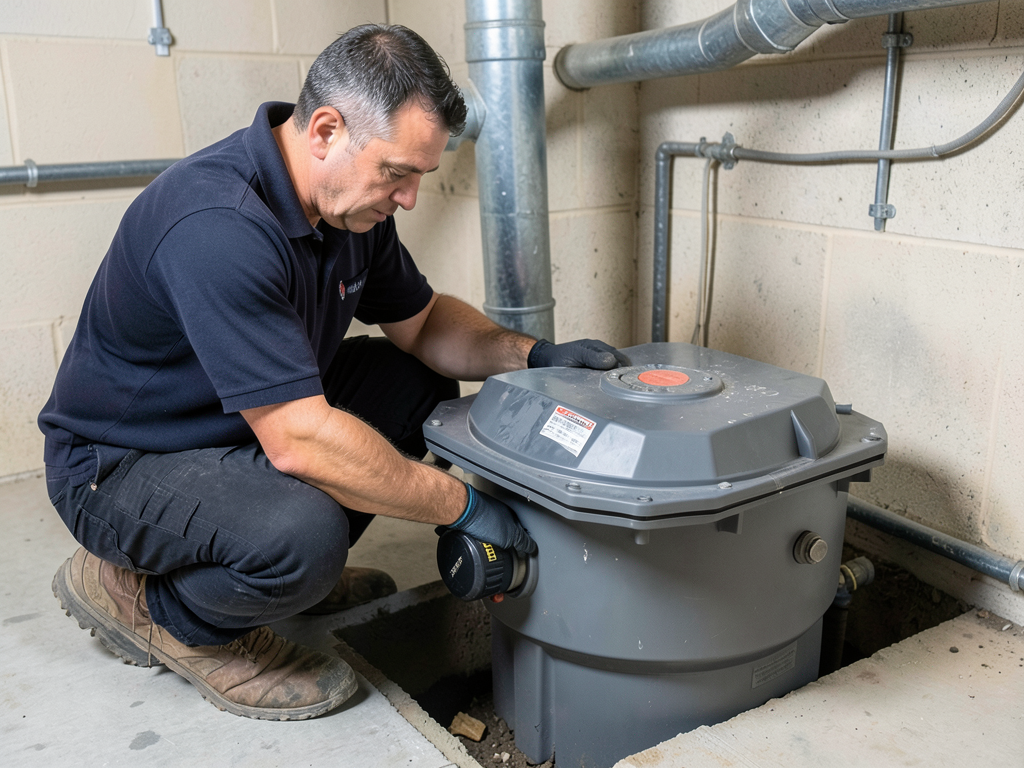
The Quick Answer: Sump Pump vs. Sewage Ejector Pump
- Sump Pump
Handles clean groundwater to prevent basement flooding. Discharges to storm drain or yard. Uses 1.5-inch PVC pipe.
- Sewage Ejector Pump
Handles wastewater with solids from basement bathrooms or laundry. Discharges to sewer line. Uses 2-inch or larger pipe with airtight seal. Sewer Line Repair Experts for Older Homes in Pasadena.
Your Cheviot Hills basement needs one of these systems depending on whether you have below-grade plumbing fixtures. A sump pump prevents groundwater flooding while a sewage ejector pump moves waste uphill to your main sewer line. Getting the wrong system means either raw sewage backing up into your home or water damage from failed flood protection. Plumbing Glendale.
Los Angeles County building codes require specific venting and sealing for sewage ejector pumps to prevent methane gas escape. Sump pumps have different requirements since they handle clean water only. The wrong installation can violate local codes and create health hazards. Los Angeles Department of Building and Safety.
What is a Sump Pump? (Managing Ground Water in Cheviot Hills)
A sump pump sits in a perforated basin below your basement floor. When groundwater rises, it flows through the basin’s holes and activates the pump automatically. The pump pushes water through a discharge pipe to the storm drain or away from your foundation.
Cheviot Hills homes often sit on clay soil that holds water near the surface. During heavy rains, this creates hydrostatic pressure against basement walls. Without proper drainage, water seeps through concrete cracks and causes expensive damage.
Sump pumps use a float switch that triggers when water reaches a specific level. The motor spins an impeller that creates suction to move water through the discharge pipe. Most residential units handle 1,500 to 4,000 gallons per hour depending on horsepower.
Common signs your Cheviot Hills home needs a sump pump include damp basement walls after rain, musty odors, or visible water pooling near floor drains. Homes near Cheviot Hills Park or north of Olympic Boulevard often experience higher groundwater levels due to the area’s gentle slope toward the ocean.. Read more about Why Your Hancock Park Sump Pump Needs a Battery Backup Before the Next Big Rain.
What is a Sewage Ejector Pump? (Managing Waste from Below-Grade Fixtures)
A sewage ejector pump handles wastewater containing solids from basement bathrooms, laundry rooms, or any plumbing below the main sewer line. The pump sits in a sealed basin that collects waste from floor drains, toilets, and other fixtures. Plumbing Santa Clarita.
When wastewater reaches a certain level, the pump activates and grinds solids into smaller pieces. The macerating action allows waste to flow through smaller pipes than gravity would normally require. Most residential units handle solids up to 2 inches in diameter.
Sewage ejector pumps must maintain airtight seals to prevent sewer gases from escaping into your home. The basin lid includes a vent pipe that connects to your home’s main plumbing vent system. This prevents pressure buildup and ensures proper drainage.
Cheviot Hills homes with finished basements often install ejector pumps when adding bathrooms or laundry rooms below the main floor level. The Beverly Hills adjacent location means many properties have mature trees whose roots can damage sewer lines, making proper pump installation critical.
Key Technical Differences Between Sump and Ejector Pumps
| Feature | Sump Pump | Sewage Ejector Pump |
|---|---|---|
| Media Handled | Clean groundwater | Wastewater with solids |
| Basin Type | Perforated, open top | Sealed, solid walls |
| Pipe Diameter | 1.5 inches | 2 inches or larger |
| Vent Required | No | Yes, to plumbing vent |
| Check Valve | Standard plastic | Heavy-duty with odor seal |
| Lifespan | 7-10 years | 7-10 years |
The sealed basin on ejector pumps prevents sewer gases from entering your home. These gases contain methane and other harmful compounds that can create health hazards. Sump pumps don’t need this sealing since they handle clean water only.
Discharge pipes differ significantly between systems. Sump pump pipes typically run to storm drains or dry wells since the water is clean. Ejector pump pipes must connect to your home’s main sewer line because the waste contains contaminants that require treatment.
Power requirements also vary. Sump pumps typically use 1/3 to 1/2 horsepower motors. Ejector pumps need 1/2 to 3/4 horsepower to handle solids and maintain proper flow rates. During Los Angeles power outages, both systems benefit from battery backup units.
Los Angeles Building Codes and Permit Requirements
The Los Angeles Department of Building and Safety (LADBS) requires permits for both sump and ejector pump installations. Sewage ejector pumps face stricter regulations because they handle blackwater waste that can contaminate groundwater.
California Plumbing Code Section 701.1 mandates that ejector pumps must connect to the sanitary sewer system, never to storm drains or surface water. The code also requires proper venting to prevent sewer gas accumulation and potential explosions.
Sump pumps must discharge at least 5 feet from your foundation to prevent water recycling back into the basement. LADBS prohibits connecting sump pumps to sewer systems because clean groundwater can overwhelm treatment facilities during heavy rains.
Installation permits cost $200 to $500 depending on the project scope. Inspections verify proper venting, backflow prevention, and code compliance. DIY installations without permits can result in fines and require costly corrections before selling your home.
Cheviot Hills properties near the 90064 zip code often need additional drainage considerations due to the area’s clay soil composition. The soil retains moisture and can create higher hydrostatic pressure against basement walls compared to sandier areas closer to the coast.
Cost of Installation in Southern California
Professional sump pump installation in Cheviot Hills ranges from $1,200 to $2,500 including the basin, pump, discharge pipe, and basic electrical work. Complex installations requiring trenching through concrete or connecting to existing drainage systems cost more.
Sewage ejector pump installations cost $2,500 to $4,500 due to the sealed basin requirements, proper venting, and connection to your home’s plumbing system. Homes with existing plumbing infrastructure below the main floor level may need additional modifications.
Battery backup systems add $500 to $1,000 to either installation. Given Los Angeles’ Public Safety Power Shutoff events and occasional grid failures, backup power provides essential protection during emergencies.
Annual maintenance costs $150 to $300 for both systems. This includes testing the float switch, checking the check valve, cleaning the basin, and verifying proper operation. Neglecting maintenance often leads to pump failure during critical weather events.
Cheviot Hills homeowners should budget for potential landscaping repairs after installation. Discharge pipes need proper routing away from the foundation, which may require regrading soil or repairing sprinkler systems.
Warning Signs Your Pump Needs Service
Sump pump failure often starts with unusual noises. A failing bearing creates a high-pitched whine, while a jammed impeller produces grinding sounds. If your pump runs constantly but moves little water, the impeller may be damaged or the discharge pipe clogged.
Sewage ejector pumps show different failure patterns. If you smell sewer odors near the pump basin, the seal may be compromised. Gurgling sounds from drains when the pump activates indicate venting problems or partial blockages in the discharge line.
Both systems may exhibit cycling problems. If the pump turns on and off rapidly, the float switch may be stuck or the basin too small for your water volume. This shortens motor life and increases electricity costs.
Visual inspections reveal many issues. Rust on metal components indicates moisture problems. Cracks in the basin suggest soil movement or pressure issues. Water stains around the pump base point to seal failures or improper installation.
Cheviot Hills homes built before 1980 may have original pumps nearing end-of-life. The area’s mature trees also contribute to root intrusion in discharge pipes, creating blockages that cause pump overheating and failure.
Choosing the Right System for Your Cheviot Hills Basement
Determine which system you need by checking your basement layout. If you have a bathroom, laundry room, or any plumbing below the main floor level, you need a sewage ejector pump. These fixtures create wastewater that must flow uphill to reach the main sewer line.
If your basement is unfinished or only used for storage without below-grade plumbing, a sump pump handles groundwater protection. This system prevents flooding from rain or high water tables but doesn’t manage household waste.
Homes with both conditions need both systems. Many Cheviot Hills properties with finished basements install dual pump systems for complete protection. The ejector pump handles waste while the sump pump manages groundwater.
Consider your property’s specific challenges. Homes near Cheviot Hills Park or north of Olympic Boulevard often experience higher groundwater levels due to the area’s gentle slope toward the ocean. Properties with mature trees may face root intrusion issues affecting discharge pipes.
Professional assessment helps identify the right solution. A licensed plumber can evaluate your basement layout, soil conditions, and existing plumbing to recommend the appropriate system and proper installation methods.
Maintenance Tips to Extend Pump Life
Test your pump every three months by pouring water into the basin until the float activates. This verifies the switch works and the pump moves water properly. For ejector pumps, also check for unusual odors that might indicate seal problems.
Clean the basin annually to remove sediment buildup. Sump basins collect dirt and debris that can clog the pump intake. Ejector basins need cleaning to prevent solid accumulation that reduces capacity and strains the motor.
Inspect discharge pipes twice yearly for leaks, blockages, or damage. Cheviot Hills’ clay soil can shift during seasonal changes, potentially damaging underground pipes. Look for wet spots in your yard that might indicate pipe leaks. Wet Spots in Yard.
Replace the check valve every five years. This inexpensive component prevents water from flowing back into the basin when the pump shuts off. A failing check valve causes the pump to cycle more frequently, reducing its lifespan.
Consider installing a water alarm near your pump basin. These devices sound when water reaches dangerous levels, providing early warning before flooding occurs. For ejector pumps, alarms also detect seal failures that allow sewer gases to escape.
Frequently Asked Questions
Can I use a sump pump for my basement bathroom?
No. Sump pumps cannot handle wastewater with solids. Using one for sewage will cause immediate clogs and backups. You need a sewage ejector pump designed specifically for waste handling.
How long do these pumps typically last?
Both sump and ejector pumps last 7-10 years with proper maintenance. Factors affecting lifespan include usage frequency, water quality, and whether you have backup power during outages.
Do I need permits for pump installation in Cheviot Hills?
Yes. Los Angeles County requires permits for both sump and ejector pump installations. Sewage ejector pumps need additional inspections to verify proper venting and code compliance.
What happens during a power outage?
Without backup power, both pumps stop working during outages. Battery backup systems keep pumps running for 24-48 hours, protecting your basement during storms or LADWP power shutoffs.
How do I know which pump I currently have?
Check the basin lid. Sump pump basins have open tops or perforated sides. Ejector pump basins have sealed, heavy lids with vent connections. The discharge pipe size also indicates the type: 1.5 inches for sump, 2 inches or larger for ejector.
Protecting Your Cheviot Hills Investment
Your basement represents a significant investment in your Cheviot Hills home. Whether you’re finishing the space for additional living area or using it for storage, proper water management protects that investment from costly damage.
Understanding the difference between sump and ejector pumps helps you make informed decisions about your home’s plumbing needs. The wrong system creates problems that range from minor inconvenience to major health hazards and property damage.
Cheviot Hills’ unique soil conditions and occasional heavy rains make proper basement drainage essential. The area’s mature trees and established neighborhoods mean many homes have aging plumbing systems that benefit from professional assessment and upgrades.
Don’t wait for flooding or sewage backups to discover you have the wrong pump system. A professional evaluation identifies your specific needs and ensures your basement remains dry and safe year-round.
Get Professional Help Today
Confused about which pump your Cheviot Hills basement needs? Don’t risk costly mistakes or health hazards from improper installation. Our licensed plumbers understand Los Angeles building codes and can assess your specific situation.
Call (213) 449-7577 today to schedule your inspection. We’ll evaluate your basement layout, check existing systems, and recommend the right solution for your home. Whether you need a new installation, replacement, or maintenance service, we’re ready to help protect your property.
Pick up the phone and call (213) 449-7577 before the next storm hits. Don’t let basement flooding or sewage backups damage your Cheviot Hills home. Our team provides fast, professional service with upfront pricing and guaranteed workmanship.
Available for same-day service throughout Cheviot Hills and surrounding Los Angeles neighborhoods. Your basement’s protection starts with a simple phone call to (213) 449-7577. For more information, visit Environmental Protection Agency.
{
“@context”: “https://schema.org”,
“@type”: “BlogPosting”,
“headline”: “Understanding the Difference Between a Sump Pump and a Sewage Ejector Pump for Your Cheviot Hills Basement”,
“description”: “Confused about sump pumps vs. sewage ejector pumps in Cheviot Hills? Learn the key differences, local code requirements, and which system your LA basement needs.”,
“wordCount”: 2126,
“datePublished”: “2026-04-09T11:57:00.000Z”,
“dateModified”: “2026-04-09T11:57:00.000Z”,
“inLanguage”: “en-US”,
“mainEntityOfPage”: {
“@type”: “WebPage”,
“@id”: “https://aplusplumbinglosangeles.com”
},
“publisher”: {
“@type”: “LocalBusiness”,
“name”: “A Plus Plumbing Los Angeles”,
“url”: “https://aplusplumbinglosangeles.com”
},
“author”: {
“@type”: “Organization”,
“name”: “A Plus Plumbing Los Angeles”,
“url”: “https://aplusplumbinglosangeles.com”
},
“image”: {
“@type”: “ImageObject”,
“url”: “https://aplusplumbinglosangeles.com/wp-content/uploads/2026/03/understanding-the-difference-between-a-sump-pump-a-1.png”
}
}
{
“@context”: “https://schema.org”,
“@type”: “Plumber”,
“name”: “A Plus Plumbing Los Angeles”,
“url”: “https://aplusplumbinglosangeles.com”,
“address”: {
“@type”: “PostalAddress”,
“addressLocality”: “Los Angeles”
},
“areaServed”: {
“@type”: “City”,
“name”: “Los Angeles”
}
}
{
“@context”: “https://schema.org”,
“@type”: “FAQPage”,
“mainEntity”: [
{
“@type”: “Question”,
“name”: “Can I use a sump pump for my basement bathroom?”,
“acceptedAnswer”: {
“@type”: “Answer”,
“text”: “No. Sump pumps cannot handle wastewater with solids. Using one for sewage will cause immediate clogs and backups. You need a sewage ejector pump designed specifically for waste handling.”
}
},
{
“@type”: “Question”,
“name”: “How long do these pumps typically last?”,
“acceptedAnswer”: {
“@type”: “Answer”,
“text”: “Both sump and ejector pumps last 7-10 years with proper maintenance. Factors affecting lifespan include usage frequency, water quality, and whether you have backup power during outages.”
}
},
{
“@type”: “Question”,
“name”: “Do I need permits for pump installation in Cheviot Hills?”,
“acceptedAnswer”: {
“@type”: “Answer”,
“text”: “Yes. Los Angeles County requires permits for both sump and ejector pump installations. Sewage ejector pumps need additional inspections to verify proper venting and code compliance.”
}
},
{
“@type”: “Question”,
“name”: “What happens during a power outage?”,
“acceptedAnswer”: {
“@type”: “Answer”,
“text”: “Without backup power, both pumps stop working during outages. Battery backup systems keep pumps running for 24-48 hours, protecting your basement during storms or LADWP power shutoffs.”
}
},
{
“@type”: “Question”,
“name”: “How do I know which pump I currently have?”,
“acceptedAnswer”: {
“@type”: “Answer”,
“text”: “Check the basin lid. Sump pump basins have open tops or perforated sides. Ejector pump basins have sealed, heavy lids with vent connections. The discharge pipe size also indicates the type: 1.5 inches for sump, 2 inches or larger for ejector.”
}
}
]
}
{
“@context”: “https://schema.org”,
“@type”: “HowTo”,
“name”: “Quick Comparison”,
“step”: [
{
“@type”: “HowToStep”,
“position”: 1,
“name”: “Sump Pump”,
“text”: “Handles clean groundwater to prevent basement flooding. Discharges to storm drain or yard. Uses 1.5-inch PVC pipe.”
},
{
“@type”: “HowToStep”,
“position”: 2,
“name”: “Sewage Ejector Pump”,
“text”: “Handles wastewater with solids from basement bathrooms or laundry. Discharges to sewer line. Uses 2-inch or larger pipe with airtight seal. Sewer Line Repair Experts for Older Homes in Pasadena.”
}
],
“image”: “https://aplusplumbinglosangeles.com/wp-content/uploads/2026/03/understanding-the-difference-between-a-sump-pump-a-1.png”
}
{
“@context”: “https://schema.org”,
“@type”: “BreadcrumbList”,
“itemListElement”: [
{
“@type”: “ListItem”,
“position”: 1,
“name”: “Home”,
“item”: “https://aplusplumbinglosangeles.com”
},
{
“@type”: “ListItem”,
“position”: 2,
“name”: “Blog”,
“item”: “https://aplusplumbinglosangeles.com/blog”
},
{
“@type”: “ListItem”,
“position”: 3,
“name”: “Understanding the Difference Between a Sump Pump and a Sewage Ejector Pump for Your Cheviot Hills Basement”
}
]
}
{
“@context”: “https://schema.org”,
“@type”: “Service”,
“serviceType”: “Plumbing”,
“provider”: {
“@type”: “LocalBusiness”,
“name”: “A Plus Plumbing Los Angeles”,
“url”: “https://aplusplumbinglosangeles.com”
},
“areaServed”: {
“@type”: “City”,
“name”: “Los Angeles”
},
“description”: “Confused about sump pumps vs. sewage ejector pumps in Cheviot Hills? Learn the key differences, local code requirements, and which system your LA basement needs.”
}