
The Best Way to Hide Ugly Exposed Pipes in an Arts District Loft
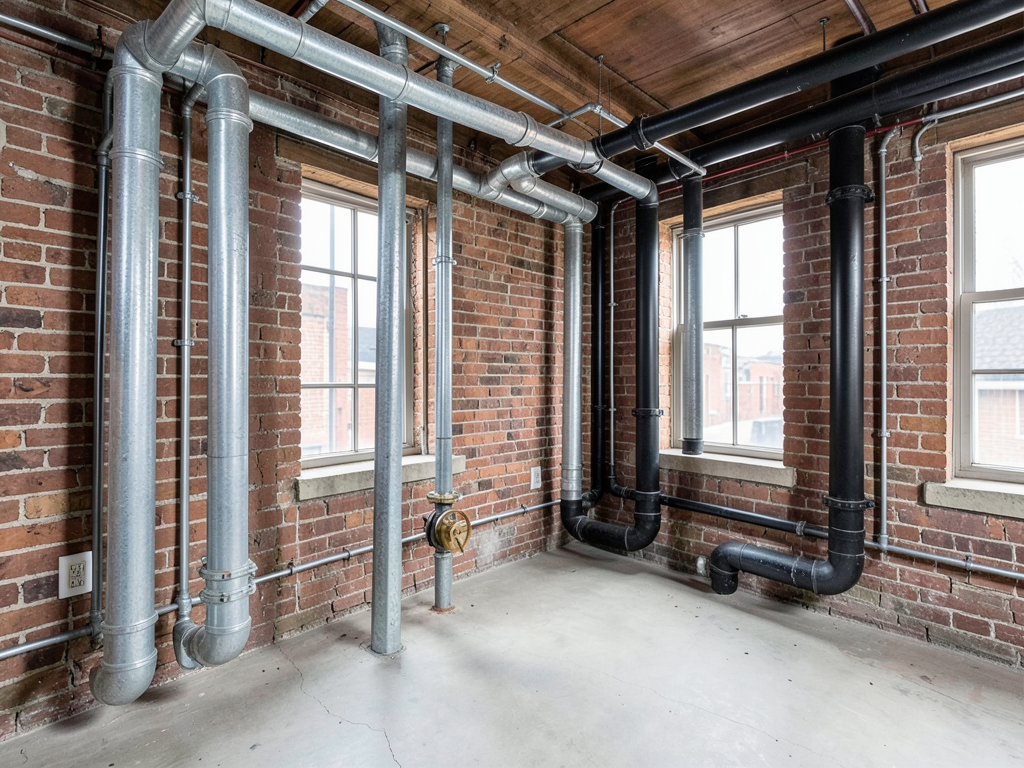
Exposed pipes in your Arts District loft can clash with your modern aesthetic and make your space feel unfinished. Whether you’re dealing with galvanized steel water lines or black iron gas pipes there are several professional and DIY methods to conceal them while maintaining code compliance and easy maintenance access. The key is choosing an approach that works with your loft’s industrial character rather than against it.
Before you start any pipe-hiding project remember that all plumbing must remain accessible for inspection and emergency shut-off. Los Angeles Department of Building and Safety requires a minimum 18-inch clearance in front of shut-off valves and water heaters. Any enclosure you build must allow for proper ventilation to prevent moisture buildup and mold growth in our coastal climate. Los Angeles Department of Building and Safety.
Quick Aesthetic Fixes That Won’t Violate Code
If you want a fast solution that preserves access consider painting your pipes to match your wall color or going bold with metallic finishes that complement the Arts District’s industrial heritage. Black iron pipes can be powder-coated in matte black or brushed nickel for a cohesive look. For a more dramatic approach wrap pipes with rope fabric or even copper sheeting to create an intentional design feature rather than trying to hide them completely.
Another option is to embrace the industrial aesthetic fully. Exposed conduit and piping are actually trending in loft design. You can highlight these features with strategic lighting or by running LED strips along the pipes to create ambient lighting effects. This approach turns a potential eyesore into a design statement that honors the building’s original character.
Building Professional Enclosures That Meet LA Code
For a more permanent solution you’ll need to build an enclosure that provides both visual concealment and code-compliant access. The most common approach is creating a soffit or false wall using moisture-resistant green board drywall. This material is specifically designed for areas where humidity might be a concern which is critical in Los Angeles where coastal moisture can cause condensation on cold water pipes.
When building an enclosure start by measuring your pipes and adding at least 2 inches of clearance on all sides. This allows for thermal expansion and makes future maintenance easier. Use furring strips attached to the ceiling and walls to create a frame then install the drywall panels. Don’t forget to include removable access panels at key points like shut-off valves cleanouts and pipe connections. These panels should be large enough for a plumber to work comfortably – typically 12×12 inches minimum.
Industrial-Style Solutions That Enhance Your Space
The Arts District’s warehouse heritage actually works in your favor when hiding pipes. Consider building a custom metal frame that mimics the building’s original structure. Black steel or aluminum framing can be left exposed while still concealing the pipes behind it. This creates a cohesive look that feels intentional rather than like you’re trying to cover something up.
Another option is to integrate your pipe concealment with functional elements. Build a floating shelf system that runs along the pipes or create a room divider that serves as both a privacy screen and a pipe enclosure. These solutions add value to your space while solving the aesthetic problem. Just ensure any shelving or dividers are properly anchored to handle the weight of books art or other items you’ll display.
Access Panel Requirements and Best Practices
Access panels are not just a nice-to-have – they’re legally required in Los Angeles for any enclosed plumbing. According to the California Plumbing Code Section 107.2 all valves cleanouts and serviceable connections must remain accessible without requiring special tools or destructive measures. This means your beautiful enclosure could fail inspection if you don’t include proper access points. California Plumbing Code Section 107.2.
For a professional installation use magnetic or push-button access panels that blend seamlessly with your wall finish. These can be painted to match and become virtually invisible when closed. Install them at strategic locations: directly in front of the main water shut-off valve near any water heaters and at pipe junctions where leaks are most likely to occur. The cost of these panels is minimal compared to the potential damage from a burst pipe that couldn’t be quickly accessed.
Moisture Management in Los Angeles Lofts
Los Angeles’ coastal climate creates unique challenges for pipe enclosures. The combination of temperature fluctuations and humidity can cause condensation on cold water pipes leading to mold growth and water damage behind your walls. This is especially problematic in Arts District lofts many of which were converted from industrial buildings with minimal insulation.
To combat this install a vapor barrier between your pipes and the enclosure walls. This thin plastic sheeting prevents moisture from reaching the drywall. Also consider using closed-cell spray foam insulation around your pipes – it provides both thermal protection and a moisture barrier in one application. For gas pipes ensure proper ventilation since these can get quite hot and need adequate airflow to prevent heat buildup.
Cost Comparison: DIY vs Professional Installation
| Project Component | DIY Material Cost | Professional Installation Cost | Time Required |
|---|---|---|---|
| Basic Soffit Enclosure | $150-300 | $800-1,500 | 2-3 days DIY / 1 day professional |
| Access Panels (3-4) | $75-150 | $300-600 | 4-6 hours DIY / 2-3 hours professional |
| Moisture Barrier Installation | $50-100 | $200-400 | 3-4 hours DIY / 1-2 hours professional |
| Industrial Metal Framing | $200-400 | $1,200-2,500 | 3-5 days DIY / 2 days professional |
| Paint and Finish | $50-100 | $300-600 | 1-2 days DIY / 4-6 hours professional |
| Total Project | $525-950 | $2,900-5,600 | 1-2 weeks DIY / 2-3 days professional |
When to Call a Professional Plumber
While many pipe-hiding projects are DIY-friendly certain situations require professional expertise. If you’re dealing with gas lines need to reroute plumbing or are working in a building with complex code requirements call a licensed plumber. The Arts District has many historic buildings with grandfather clauses that can complicate renovations. Expert Leak Detection Services to Save Your Venice Beach Property.
Also consider professional help if you notice any of these warning signs: water stains on walls unusual pipe noises fluctuating water pressure or if your building is over 30 years old. These could indicate underlying issues that need addressing before you build any enclosures. A professional inspection can identify potential problems and ensure your project meets all local codes.
Final Considerations for Your Arts District Loft
The best pipe-hiding solution for your Arts District loft depends on your specific situation. Consider the building’s age your design aesthetic and your long-term plans for the space. If you’re renting focus on non-permanent solutions like paint or decorative wraps. If you own you have more flexibility to invest in permanent enclosures.
Remember that any changes to your plumbing system should be documented. Keep records of access panel locations and any modifications you make. This information will be valuable if you sell your loft or need emergency repairs in the future. The goal is to create a solution that’s both beautiful and functional – one that enhances your living space while keeping your plumbing system safe and accessible. Sewer Line Repair Experts for Older Homes in Pasadena.
Frequently Asked Questions
Can I paint my exposed pipes to match my walls?
Yes painting exposed pipes is a simple DIY solution that works well in Arts District lofts. Use oil-based paint designed for metal surfaces and ensure the pipes are clean and rust-free before painting. This approach maintains access while improving aesthetics.
How much clearance do I need around enclosed pipes?
Los Angeles code requires at least 2 inches of clearance around pipes for thermal expansion and maintenance access. For shut-off valves and water heaters maintain 18 inches of clear space in front for emergency access. Emergency Sump Pump Services for Rainy Seasons in Hancock Park.
Are access panels really necessary for pipe enclosures?
Yes access panels are legally required in Los Angeles for any enclosed plumbing. California Plumbing Code Section 107.2 mandates that all serviceable connections remain accessible without destructive measures. Failure to include them can result in failed inspections. Plumbing Glendale.
What’s the best material for pipe enclosures in coastal areas?
Moisture-resistant green board drywall is ideal for Los Angeles’ coastal climate. It resists mold growth and moisture damage better than standard drywall. For gas pipes consider using metal framing with proper ventilation to prevent heat buildup.
How do I prevent mold growth behind pipe enclosures?
Install a vapor barrier between pipes and walls use moisture-resistant materials ensure proper ventilation and consider closed-cell spray foam insulation. In our humid coastal climate these steps are essential to prevent condensation and mold growth.
Ready to transform your Arts District loft? Call (213) 449-7577 today to schedule a professional consultation. Our licensed plumbers can help you choose the perfect pipe-hiding solution that meets all Los Angeles codes while enhancing your space’s industrial aesthetic.
You may also find this helpful. How to Manage Plumbing for a Small Kitchenette in Your Boyle Heights ADU.
{
“@context”: “https://schema.org”,
“@type”: “BlogPosting”,
“headline”: “The Best Way to Hide Ugly Exposed Pipes in an Arts District Loft”,
“description”: “Professional solutions for hiding exposed pipes in LA Arts District lofts while meeting building codes and preserving industrial aesthetics.”,
“wordCount”: 1476,
“datePublished”: “2026-05-24T07:09:00.000Z”,
“dateModified”: “2026-05-24T07:09:00.000Z”,
“inLanguage”: “en-US”,
“mainEntityOfPage”: {
“@type”: “WebPage”,
“@id”: “https://aplusplumbinglosangeles.com”
},
“publisher”: {
“@type”: “LocalBusiness”,
“name”: “A Plus Plumbing Los Angeles”,
“url”: “https://aplusplumbinglosangeles.com”
},
“author”: {
“@type”: “Organization”,
“name”: “A Plus Plumbing Los Angeles”,
“url”: “https://aplusplumbinglosangeles.com”
},
“image”: {
“@type”: “ImageObject”,
“url”: “https://aplusplumbinglosangeles.com/wp-content/uploads/2026/03/the-best-way-to-hide-ugly-exposed-pipes-in-an-arts-1.png”
}
}
{
“@context”: “https://schema.org”,
“@type”: “Plumber”,
“name”: “A Plus Plumbing Los Angeles”,
“url”: “https://aplusplumbinglosangeles.com”,
“address”: {
“@type”: “PostalAddress”,
“addressLocality”: “Los Angeles”
},
“areaServed”: {
“@type”: “City”,
“name”: “Los Angeles”
}
}
{
“@context”: “https://schema.org”,
“@type”: “FAQPage”,
“mainEntity”: [
{
“@type”: “Question”,
“name”: “Can I paint my exposed pipes to match my walls?”,
“acceptedAnswer”: {
“@type”: “Answer”,
“text”: “Yes painting exposed pipes is a simple DIY solution that works well in Arts District lofts. Use oil-based paint designed for metal surfaces and ensure the pipes are clean and rust-free before painting. This approach maintains access while improving aesthetics.”
}
},
{
“@type”: “Question”,
“name”: “How much clearance do I need around enclosed pipes?”,
“acceptedAnswer”: {
“@type”: “Answer”,
“text”: “Los Angeles code requires at least 2 inches of clearance around pipes for thermal expansion and maintenance access. For shut-off valves and water heaters maintain 18 inches of clear space in front for emergency access. Emergency Sump Pump Services for Rainy Seasons in Hancock Park.”
}
},
{
“@type”: “Question”,
“name”: “Are access panels really necessary for pipe enclosures?”,
“acceptedAnswer”: {
“@type”: “Answer”,
“text”: “Yes access panels are legally required in Los Angeles for any enclosed plumbing. California Plumbing Code Section 107.2 mandates that all serviceable connections remain accessible without destructive measures. Failure to include them can result in failed inspections. Plumbing Glendale.”
}
},
{
“@type”: “Question”,
“name”: “What’s the best material for pipe enclosures in coastal areas?”,
“acceptedAnswer”: {
“@type”: “Answer”,
“text”: “Moisture-resistant green board drywall is ideal for Los Angeles’ coastal climate. It resists mold growth and moisture damage better than standard drywall. For gas pipes consider using metal framing with proper ventilation to prevent heat buildup.”
}
},
{
“@type”: “Question”,
“name”: “How do I prevent mold growth behind pipe enclosures?”,
“acceptedAnswer”: {
“@type”: “Answer”,
“text”: “Install a vapor barrier between pipes and walls use moisture-resistant materials ensure proper ventilation and consider closed-cell spray foam insulation. In our humid coastal climate these steps are essential to prevent condensation and mold growth.”
}
}
]
}
{
“@context”: “https://schema.org”,
“@type”: “BreadcrumbList”,
“itemListElement”: [
{
“@type”: “ListItem”,
“position”: 1,
“name”: “Home”,
“item”: “https://aplusplumbinglosangeles.com”
},
{
“@type”: “ListItem”,
“position”: 2,
“name”: “Blog”,
“item”: “https://aplusplumbinglosangeles.com/blog”
},
{
“@type”: “ListItem”,
“position”: 3,
“name”: “The Best Way to Hide Ugly Exposed Pipes in an Arts District Loft”
}
]
}
{
“@context”: “https://schema.org”,
“@type”: “Service”,
“serviceType”: “Plumbing”,
“provider”: {
“@type”: “LocalBusiness”,
“name”: “A Plus Plumbing Los Angeles”,
“url”: “https://aplusplumbinglosangeles.com”
},
“areaServed”: {
“@type”: “City”,
“name”: “Los Angeles”
},
“description”: “Professional solutions for hiding exposed pipes in LA Arts District lofts while meeting building codes and preserving industrial aesthetics.”
}