
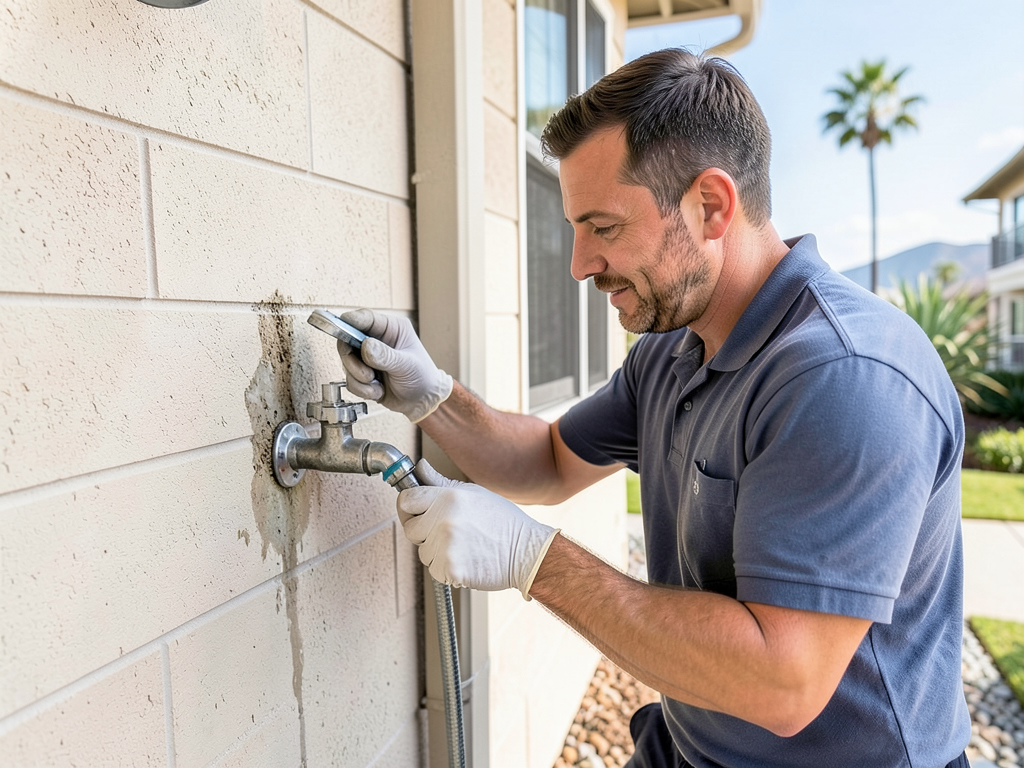
Preventing Salt Air Corrosion on Your Malibu Home Exterior Plumbing and Fixtures
Living along the Malibu coastline offers stunning ocean views and oceanfront living, but your home’s exterior plumbing faces a constant battle against salt air corrosion. The combination of ocean spray, high humidity, and salty breezes creates a perfect storm that can destroy outdoor fixtures, pipes, and connections within just a few years if left unprotected. Plumbing Glendale.
Salt air accelerates corrosion through a process called galvanic corrosion, where salt particles act as an electrolyte, creating electrical currents between different metals in your plumbing system. This invisible process eats away at your outdoor faucets, shower valves, hose bibs, and exposed pipes, leading to leaks, reduced water pressure, and eventually complete system failure.
Understanding how salt air affects your Malibu home’s exterior plumbing is the first step toward prevention. The corrosive effects are particularly severe in areas within 1,000 feet of the shoreline, where salt spray can travel on the wind and settle on all exterior surfaces. Without proper protection and maintenance, you could face costly repairs that could have been prevented with the right approach. Sewer Line Repair Experts for Older Homes in Pasadena.
Understanding Salt Air Corrosion in Coastal Environments
Salt air corrosion occurs when chloride ions from ocean spray interact with metal surfaces, breaking down protective oxide layers and accelerating oxidation. In Malibu’s coastal environment, this process happens faster than in inland areas due to the constant exposure to ocean moisture and salt particles carried by prevailing winds.
The corrosion process typically follows a predictable pattern. First, salt particles settle on metal surfaces during high tide or windy conditions. Next, moisture from fog, dew, or humidity activates the salt, creating an electrolytic solution. This solution then conducts electrical currents that break down the metal at a molecular level, causing pitting, discoloration, and eventual structural failure.
Common signs of salt air corrosion include white powdery deposits on metal surfaces, reddish-brown rust on steel components, greenish deposits on copper fittings, and flaking or bubbling paint on protected surfaces. You might also notice reduced water flow from outdoor fixtures, indicating internal corrosion is restricting water passage.
According to the National Association of Corrosion Engineers, coastal properties within 500 feet of the ocean experience corrosion rates up to 10 times faster than inland properties. In Malibu, where ocean breezes can carry salt particles several miles inland, even homes several blocks from the beach need protection.
Common Exterior Plumbing Fixtures Most Vulnerable to Salt Damage
Outdoor faucets and hose bibs represent the first line of defense against salt air, but they’re also the most vulnerable. These fixtures face constant exposure to the elements, and their threaded connections create multiple points where corrosion can begin. Brass fixtures, while more resistant than steel, still develop corrosion over time in coastal environments.
Outdoor shower fixtures in Malibu homes face particularly harsh conditions. The combination of direct water exposure, salt spray, and UV radiation from the California sun creates a triple threat that can destroy even high-quality fixtures within 3-5 years. Chrome-plated fixtures show visible pitting and discoloration much faster than stainless steel alternatives.
Pool equipment and plumbing connections near the ocean face unique challenges. The combination of chlorine, salt air, and constant moisture creates an environment where corrosion can spread rapidly between different metal types. Galvanic corrosion between dissimilar metals in pool plumbing systems often causes premature failure of valves and connections.
Underground pipes that transition to above-ground sections are particularly vulnerable at the connection points. While the buried portion may be protected by soil, the exposed section above ground faces direct salt spray exposure. These transition zones often show the first signs of corrosion and are common failure points.
Water heater relief valves and other pressure relief devices mounted on exterior walls face constant temperature cycling combined with salt exposure. The expansion and contraction of metal components creates microscopic cracks where salt can penetrate and accelerate corrosion from within.
Materials That Resist Salt Air Corrosion
316 stainless steel offers the best protection against salt air corrosion for exterior plumbing fixtures. This marine-grade stainless contains molybdenum, which provides superior resistance to chloride-induced pitting and crevice corrosion. While more expensive than standard stainless steel, 316-grade fixtures can last 3-4 times longer in coastal environments.
PEX (cross-linked polyethylene) piping has become increasingly popular for coastal plumbing applications. Unlike metal pipes, PEX doesn’t corrode when exposed to salt air, and it’s resistant to scale buildup from hard water. The flexibility of PEX also allows for expansion and contraction without creating stress points that lead to failure.
Brass fixtures with chrome plating provide a good balance of durability and cost-effectiveness. However, the chrome plating can wear away over time, exposing the brass underneath to corrosion. High-quality brass fixtures with thicker chrome plating and proper sealing at connection points offer better longevity in coastal areas.
Copper piping, while traditional and reliable, requires special considerations in coastal environments. The natural patina that develops on copper actually provides some protection against corrosion, but in salt air environments, this patina can be compromised. Using copper alloys specifically designed for marine environments can extend the life of copper plumbing systems. The Most Reliable Tankless Water Heater Installers in Holmby Hills.
Composite materials and engineered plastics are gaining popularity for coastal plumbing applications. These materials combine the durability of traditional metals with the corrosion resistance of plastics, offering long-term performance without the maintenance requirements of metal fixtures.
Preventative Maintenance Strategies for Coastal Homes
Regular cleaning and inspection of exterior plumbing fixtures can significantly extend their lifespan. Every three months, use fresh water to rinse away salt deposits from all outdoor fixtures, paying special attention to threaded connections and valve stems. A soft brush can help remove stubborn deposits without damaging protective finishes.
Applying protective coatings provides an additional barrier against salt air. Marine-grade lubricants and corrosion inhibitors can be applied to threaded connections, valve stems, and other moving parts. These products create a barrier that prevents salt and moisture from reaching the metal surface while also providing lubrication for smooth operation.
Installing sacrificial anodes near vulnerable plumbing components can help protect against galvanic corrosion. These sacrificial metal rods attract corrosive elements, protecting the more valuable plumbing components. While commonly used in water heaters, sacrificial anodes can also be installed near outdoor fixtures in coastal areas.
Proper drainage around exterior plumbing fixtures prevents water from pooling and creating constant moisture exposure. Ensure that outdoor faucets and shower fixtures are installed with slight downward angles to promote drainage. Standing water accelerates corrosion by keeping metal surfaces in constant contact with moisture.
Seasonal maintenance becomes particularly important in Malibu’s climate. During the wet winter months, increase inspection frequency to check for signs of accelerated corrosion. The combination of rain and salt spray can create particularly aggressive corrosion conditions that require more frequent attention.
Professional Inspection and Maintenance Schedule
Annual professional inspections can identify corrosion problems before they become major issues. A qualified plumber can use specialized tools to detect early signs of corrosion that aren’t visible to the untrained eye. These inspections should include pressure testing of exterior plumbing lines and checking for proper operation of all outdoor fixtures.
Bi-annual maintenance visits are recommended for homes within 500 feet of the ocean. During these visits, technicians can perform more thorough cleaning, apply protective coatings, and check for developing corrosion problems. This proactive approach can prevent emergency repairs and extend the life of your plumbing system. Emergency Sump Pump Services for Rainy Seasons in Hancock Park.
Pressure testing should be performed annually to identify small leaks that might indicate developing corrosion problems. Even minor pressure drops can signal that corrosion is creating small holes or cracks in pipes or fixtures. Early detection allows for targeted repairs before complete system failure occurs. Expert Leak Detection Services to Save Your Venice Beach Property.
Water quality testing can help identify whether your home’s water chemistry is contributing to corrosion problems. High chloride levels in your water supply can accelerate corrosion, and a plumber can recommend water treatment solutions to reduce these levels and protect your plumbing system.
Documentation of inspections and maintenance activities helps track the progression of corrosion over time. This information can be valuable for warranty claims and helps identify patterns that might indicate the need for more comprehensive upgrades or replacements.
Emergency Response to Plumbing Corrosion Issues
Recognizing the early warning signs of plumbing corrosion can prevent costly emergency repairs. Sudden drops in water pressure, discolored water from outdoor fixtures, or visible corrosion on visible pipes all indicate developing problems that require immediate attention. Don’t wait until a fixture fails completely before calling for help.
Emergency shutoff procedures should be clearly marked and easily accessible. Every Malibu homeowner should know how to quickly shut off water to exterior plumbing in case of a major leak or burst pipe. This knowledge can prevent extensive water damage while waiting for professional help to arrive.
Temporary repairs can provide short-term solutions while waiting for permanent fixes. Plumber’s tape, epoxy compounds, and pipe clamps can temporarily seal small leaks caused by corrosion. However, these should be viewed as temporary measures until proper repairs can be completed.
Insurance considerations become important when dealing with corrosion-related plumbing failures. Many standard homeowner’s insurance policies don’t cover corrosion damage, viewing it as a maintenance issue rather than a sudden accident. Understanding your coverage limits can help you make informed decisions about prevention and repair investments.
Emergency response times matter when dealing with coastal plumbing issues. The longer corrosive conditions continue unchecked, the more extensive the damage becomes. Having a reliable plumber who understands coastal plumbing challenges can make the difference between a quick fix and a major renovation.
Cost-Benefit Analysis of Corrosion Prevention
Investing in corrosion-resistant materials and preventative maintenance typically costs 15-25% more upfront than standard plumbing solutions. However, this investment can save thousands of dollars over the lifespan of your plumbing system by preventing premature failures and reducing the need for emergency repairs.
The average lifespan of standard exterior plumbing fixtures in coastal areas is 5-7 years without protection, compared to 15-20 years with proper corrosion prevention measures. This three to four times longer lifespan represents significant savings when factoring in replacement costs and potential water damage from fixture failures.
Energy efficiency improvements from corrosion prevention can provide additional savings. Corroded pipes and fixtures often develop scale buildup that reduces water flow and increases the energy required to heat water. Maintaining clean, corrosion-free plumbing systems can reduce energy costs by 5-10% annually.
Property value considerations should factor into corrosion prevention decisions. Homes with well-maintained, corrosion-resistant exterior plumbing systems typically appraise higher than comparable properties with visible corrosion damage. This premium can offset the initial investment in quality materials and professional installation.
The cost of emergency repairs from corrosion-related failures often exceeds the cost of preventative maintenance by a factor of three to five times. A single major leak from a corroded pipe can cause thousands of dollars in water damage, while regular maintenance might cost a few hundred dollars annually.
Local Building Codes and Regulations
Los Angeles County building codes require specific corrosion-resistant materials for plumbing installations within designated coastal zones. According to Section 701.4 of the Los Angeles County Plumbing Code, all exterior plumbing fixtures within 1,000 feet of the ocean must use materials meeting ASTM B117 salt spray resistance standards. ASTM International.
California’s Title 24 energy efficiency requirements impact coastal plumbing installations. These regulations mandate specific insulation requirements for exposed pipes and mandate the use of energy-efficient fixtures that can withstand coastal environmental conditions without compromising performance.
Malibu’s local ordinances include additional requirements for properties in designated coastal zones. These may include mandatory use of certain corrosion-resistant materials, specific installation methods to prevent galvanic corrosion, and requirements for regular inspections of exterior plumbing systems.
California’s Lead-Free Plumbing Law (AB 1953) affects material choices for coastal plumbing installations. While primarily focused on lead content, this law also establishes performance standards that indirectly benefit corrosion resistance in coastal environments.
Insurance companies often require compliance with local building codes for coverage of plumbing-related damage. Failure to use required corrosion-resistant materials or follow proper installation procedures could void coverage for damage caused by corrosion-related failures.
Advanced Protection Technologies
Cathodic protection systems, commonly used to protect underground pipelines, can be adapted for coastal home plumbing applications. These systems use electrical currents to counteract the electrochemical reactions that cause corrosion, providing continuous protection for vulnerable metal components.
Nanocoating technologies offer new possibilities for protecting exterior plumbing fixtures. These ultra-thin protective layers bond at the molecular level with metal surfaces, creating barriers that are both extremely durable and nearly invisible. Some nanocoatings can provide protection for 10-15 years with minimal maintenance.
Smart monitoring systems can detect early signs of corrosion before visible damage occurs. These systems use sensors to monitor water chemistry, pressure changes, and electrical conductivity in plumbing systems, alerting homeowners to developing problems before they become serious.
3D-printed plumbing components designed specifically for coastal environments are becoming available. These custom-fabricated parts can incorporate complex internal structures that maximize corrosion resistance while maintaining the necessary strength and functionality for plumbing applications.
Self-healing materials represent the cutting edge of corrosion prevention technology. Some newer composite materials can automatically seal small cracks and damage caused by corrosion, preventing the spread of damage and extending the life of plumbing components.
Choosing the Right Plumbing Professional
Not all plumbers have experience with coastal corrosion issues. When selecting a plumbing professional for your Malibu home, look for specific experience with coastal properties and knowledge of salt air corrosion prevention techniques. Ask about their experience with 316 stainless steel installations and PEX piping in coastal environments.
Proper licensing and insurance are essential when working with coastal plumbing systems. California requires all plumbers to be licensed by the Contractors State License Board, and coastal work often requires additional certifications related to environmental protection and corrosion prevention.
References from other coastal property owners can provide valuable insight into a plumber’s expertise with salt air corrosion issues. Ask specifically about their experience with homes similar to yours in terms of age, construction type, and proximity to the ocean.
Written warranties on materials and workmanship provide protection against premature failures. A reputable plumbing professional should offer warranties that specifically address corrosion resistance and should be willing to explain what is and isn’t covered under their warranty terms.
Emergency availability becomes crucial when dealing with coastal plumbing systems. Corrosion-related failures often occur at the worst possible times, so having a plumber who offers 24/7 emergency service can prevent minor issues from becoming major disasters.
DIY Maintenance Tips and When to Call a Professional
Homeowners can perform several maintenance tasks to protect their exterior plumbing from salt air corrosion. Monthly rinsing of outdoor fixtures with fresh water, visual inspections for early signs of corrosion, and application of marine-grade lubricants to threaded connections are all tasks that most homeowners can handle safely.
However, certain tasks require professional expertise. Pressure testing of plumbing systems, replacement of corroded pipes, and installation of cathodic protection systems should always be performed by licensed professionals. Attempting these tasks without proper training can lead to more extensive damage or personal injury.
Safety considerations are paramount when working with plumbing systems. Always shut off water supply before attempting any maintenance, and be aware of the location of electrical components near plumbing fixtures. If you’re unsure about any aspect of a maintenance task, it’s better to call a professional than risk injury or property damage.
Documentation of DIY maintenance efforts can be valuable for future reference. Keep records of when you performed maintenance tasks, what products you used, and any observations about developing problems. This information can help professional plumbers diagnose issues more quickly and accurately.
Knowing when to call a professional can save money in the long run. If you notice persistent corrosion despite regular maintenance, experience sudden changes in water pressure or quality, or discover visible damage to pipes or fixtures, it’s time to call in expert help rather than attempting DIY repairs.
Future Trends in Coastal Plumbing Technology
Emerging materials science is producing new alloys specifically designed for coastal environments. These next-generation materials combine the strength of traditional metals with unprecedented corrosion resistance, potentially eliminating many of the maintenance requirements of current coastal plumbing systems.
Smart home integration is extending to plumbing systems, with sensors that can detect corrosion at the molecular level. These systems can alert homeowners to developing problems before they become visible, allowing for proactive maintenance that prevents costly repairs.
3D printing technology is revolutionizing custom plumbing component manufacturing. Soon, homeowners may be able to order custom-fabricated replacement parts designed specifically for their home’s unique environmental conditions and plumbing configuration.
Biodegradable corrosion inhibitors represent an environmentally friendly alternative to traditional chemical treatments. These products provide effective protection against salt air corrosion while minimizing environmental impact, an important consideration for Malibu’s environmentally conscious community.
Self-diagnosing plumbing systems are on the horizon, with components that can monitor their own condition and predict when maintenance will be needed. This predictive maintenance approach could dramatically reduce emergency repairs and extend the life of coastal plumbing systems.
Frequently Asked Questions
How often should I inspect my exterior plumbing for salt air corrosion?
Monthly visual inspections and quarterly detailed checks are recommended for homes within 1,000 feet of the ocean. Look for white powdery deposits, discoloration, and reduced water flow from fixtures. Professional inspections should be conducted annually.
What’s the best material for outdoor faucets in coastal areas?
316 stainless steel offers the best combination of durability and corrosion resistance for coastal applications. While more expensive initially, these fixtures typically last 3-4 times longer than standard brass or chrome-plated fixtures in salt air environments.
Can I prevent salt air corrosion on existing plumbing fixtures?
Yes, regular cleaning, application of marine-grade lubricants, and installation of sacrificial anodes can significantly extend the life of existing fixtures. However, severely corroded fixtures should be replaced with corrosion-resistant materials for optimal long-term protection.
How much does professional corrosion prevention maintenance cost?
Professional maintenance typically costs $200-500 annually for basic services, with more comprehensive protection plans ranging from $500-1,500 per year. This investment is usually far less expensive than emergency repairs from corrosion-related failures.
Will my homeowner’s insurance cover corrosion damage?
Most standard policies don’t cover corrosion damage, considering it a maintenance issue rather than a sudden accident. However, some insurers offer specific endorsements for coastal properties that include corrosion protection. Check your policy details or consult with your insurance provider.
How long should exterior plumbing fixtures last in coastal environments?
With proper protection and maintenance, quality exterior plumbing fixtures should last 15-20 years in coastal environments. Without protection, standard fixtures typically fail within 5-7 years due to salt air corrosion.
What are the signs that my plumbing needs immediate attention?
Sudden drops in water pressure, discolored water, visible corrosion on exposed pipes, and water pooling around fixtures all indicate developing problems that require immediate professional attention to prevent extensive damage.
Protecting Your Investment
Your Malibu home represents a significant investment, and protecting your exterior plumbing system from salt air corrosion is essential for maintaining that investment. The combination of beautiful oceanfront location and harsh coastal environment creates unique challenges that require specialized knowledge and materials.
By understanding the causes of salt air corrosion, implementing preventative maintenance strategies, and working with experienced professionals who understand coastal plumbing challenges, you can protect your home’s plumbing system for decades to come. The initial investment in quality materials and professional installation pays dividends through reduced maintenance costs and prevented emergency repairs.
Don’t wait until you experience a major plumbing failure to address corrosion issues. The cost of preventative maintenance is always less than the cost of emergency repairs and water damage restoration. Your home’s exterior plumbing system deserves the same attention and protection as your interior systems.
Ready to protect your Malibu home’s exterior plumbing from salt air corrosion? Call (213) 449-7577 today to schedule a comprehensive inspection and learn about our coastal-specific plumbing protection solutions. Our experienced technicians understand the unique challenges of Malibu’s coastal environment and can help you implement the right protection strategy for your home.
Don’t let salt air corrosion destroy your home’s plumbing system. Pick up the phone and call (213) 449-7577 before the next high tide brings another wave of corrosive salt spray to your property. Protect your investment and enjoy peace of mind knowing your exterior plumbing is prepared for whatever the coastal environment throws at it. For more information, visit NACE International.
{
“@context”: “https://schema.org”,
“@type”: “BlogPosting”,
“headline”: “Preventing Salt Air Corrosion on Your Malibu Home Exterior Plumbing and Fixtures”,
“description”: “Protect your Malibu home from salt air corrosion with expert exterior plumbing maintenance. Learn prevention strategies and when to call (213) 449-7577 for coastal plumbing services.”,
“wordCount”: 3418,
“datePublished”: “2026-06-11T07:06:00.000Z”,
“dateModified”: “2026-06-11T07:06:00.000Z”,
“inLanguage”: “en-US”,
“mainEntityOfPage”: {
“@type”: “WebPage”,
“@id”: “https://aplusplumbinglosangeles.com”
},
“publisher”: {
“@type”: “LocalBusiness”,
“name”: “A Plus Plumbing Los Angeles”,
“url”: “https://aplusplumbinglosangeles.com”
},
“author”: {
“@type”: “Organization”,
“name”: “A Plus Plumbing Los Angeles”,
“url”: “https://aplusplumbinglosangeles.com”
},
“image”: {
“@type”: “ImageObject”,
“url”: “https://aplusplumbinglosangeles.com/wp-content/uploads/2026/03/preventing-salt-air-corrosion-on-your-malibu-home-1.png”
}
}
{
“@context”: “https://schema.org”,
“@type”: “Plumber”,
“name”: “A Plus Plumbing Los Angeles”,
“url”: “https://aplusplumbinglosangeles.com”,
“address”: {
“@type”: “PostalAddress”,
“addressLocality”: “Los Angeles”
},
“areaServed”: {
“@type”: “City”,
“name”: “Los Angeles”
}
}
{
“@context”: “https://schema.org”,
“@type”: “FAQPage”,
“mainEntity”: [
{
“@type”: “Question”,
“name”: “How often should I inspect my exterior plumbing for salt air corrosion?”,
“acceptedAnswer”: {
“@type”: “Answer”,
“text”: “Monthly visual inspections and quarterly detailed checks are recommended for homes within 1,000 feet of the ocean. Look for white powdery deposits, discoloration, and reduced water flow from fixtures. Professional inspections should be conducted annually.”
}
},
{
“@type”: “Question”,
“name”: “What’s the best material for outdoor faucets in coastal areas?”,
“acceptedAnswer”: {
“@type”: “Answer”,
“text”: “316 stainless steel offers the best combination of durability and corrosion resistance for coastal applications. While more expensive initially, these fixtures typically last 3-4 times longer than standard brass or chrome-plated fixtures in salt air environments.”
}
},
{
“@type”: “Question”,
“name”: “How much does professional corrosion prevention maintenance cost?”,
“acceptedAnswer”: {
“@type”: “Answer”,
“text”: “Professional maintenance typically costs $200-500 annually for basic services, with more comprehensive protection plans ranging from $500-1,500 per year. This investment is usually far less expensive than emergency repairs from corrosion-related failures.”
}
},
{
“@type”: “Question”,
“name”: “Will my homeowner’s insurance cover corrosion damage?”,
“acceptedAnswer”: {
“@type”: “Answer”,
“text”: “Most standard policies don’t cover corrosion damage, considering it a maintenance issue rather than a sudden accident. However, some insurers offer specific endorsements for coastal properties that include corrosion protection. Check your policy details or consult with your insurance provider.”
}
},
{
“@type”: “Question”,
“name”: “How long should exterior plumbing fixtures last in coastal environments?”,
“acceptedAnswer”: {
“@type”: “Answer”,
“text”: “With proper protection and maintenance, quality exterior plumbing fixtures should last 15-20 years in coastal environments. Without protection, standard fixtures typically fail within 5-7 years due to salt air corrosion.”
}
},
{
“@type”: “Question”,
“name”: “What are the signs that my plumbing needs immediate attention?”,
“acceptedAnswer”: {
“@type”: “Answer”,
“text”: “Sudden drops in water pressure, discolored water, visible corrosion on exposed pipes, and water pooling around fixtures all indicate developing problems that require immediate professional attention to prevent extensive damage.”
}
}
]
}
{
“@context”: “https://schema.org”,
“@type”: “BreadcrumbList”,
“itemListElement”: [
{
“@type”: “ListItem”,
“position”: 1,
“name”: “Home”,
“item”: “https://aplusplumbinglosangeles.com”
},
{
“@type”: “ListItem”,
“position”: 2,
“name”: “Blog”,
“item”: “https://aplusplumbinglosangeles.com/blog”
},
{
“@type”: “ListItem”,
“position”: 3,
“name”: “Preventing Salt Air Corrosion on Your Malibu Home Exterior Plumbing and Fixtures”
}
]
}
{
“@context”: “https://schema.org”,
“@type”: “Service”,
“serviceType”: “Plumbing”,
“provider”: {
“@type”: “LocalBusiness”,
“name”: “A Plus Plumbing Los Angeles”,
“url”: “https://aplusplumbinglosangeles.com”
},
“areaServed”: {
“@type”: “City”,
“name”: “Los Angeles”
},
“description”: “Protect your Malibu home from salt air corrosion with expert exterior plumbing maintenance. Learn prevention strategies and when to call (213) 449-7577 for coastal plumbing services.”
}