
Power Vent vs Atmospheric Venting for Your Highland Park Water Heater Replacement
Choosing the right venting system for your water heater replacement in Highland Park can mean the difference between safe, efficient operation and costly code violations. The historic homes and narrow lots in this northeast LA neighborhood create unique venting challenges that require careful planning before you buy a new unit.
Highland Park’s mix of early 1900s bungalows and mid-century homes often lack traditional chimneys, making atmospheric venting difficult or impossible. Understanding the technical differences between power vent and atmospheric systems helps you make an informed decision that keeps your family safe and your installation code-compliant.
Why Proper Venting is Critical for Your LA Home
Water heater venting does more than remove exhaust gases. It prevents deadly carbon monoxide from backing up into your living space and ensures complete combustion for efficient operation. In Los Angeles County, the South Coast Air Quality Management District (SCAQMD) mandates Ultra-Low NOx water heaters in most areas, which require specific venting configurations to meet emission standards. South Coast Air Quality Management District.
Carbon monoxide poisoning causes approximately 400 deaths and 20,000 emergency room visits annually in the United States. In Highland Park’s older homes with potential air sealing issues, proper venting becomes even more critical. A blocked or improperly installed vent can create dangerous backdraft conditions where exhaust gases flow backward into your home. Emergency Sump Pump Services for Rainy Seasons in Hancock Park.
4 Main Types of Water Heater Venting Systems
1. Atmospheric (Natural Draft) Venting
Atmospheric venting relies on the natural buoyancy of hot gases to rise through a vertical vent pipe. This traditional method requires a dedicated chimney or B-vent pipe that extends through the roof. The system works on basic physics: hot exhaust is less dense than surrounding air, creating upward draft without mechanical assistance.
In Highland Park’s older homes, you’ll often find atmospheric vents connected to shared chimneys or masonry stacks. These systems work well when properly sized and maintained, but they struggle in tight spaces or homes without existing chimneys. The vent must maintain specific clearances from combustible materials and terminate at least 3 feet above any nearby roof surface.
Atmospheric venting requires careful consideration of roof pitch and nearby obstructions. Homes near York Boulevard or Figueroa Street with mature trees may need extended vent heights to prevent downdrafts. The system also demands regular inspection of the vent cap and chimney crown to prevent blockages from debris or animal nests.
2. Power Venting
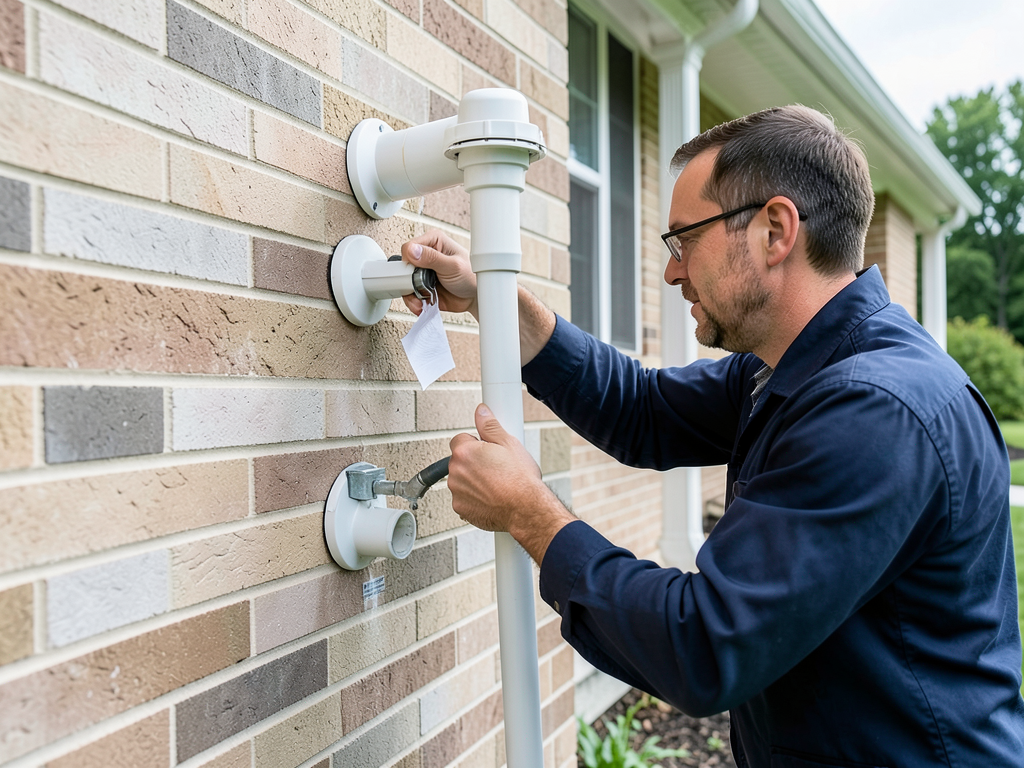
Power venting uses an electric fan to force exhaust gases through horizontal vent pipes, eliminating the need for a vertical chimney. This system offers tremendous flexibility for Highland Park’s compact homes where traditional venting would be impractical or impossible. The fan activates whenever the burner operates, creating positive pressure that pushes exhaust through PVC or CPVC piping.
The key advantage of power venting in Highland Park is sidewall termination. You can run the vent pipe through an exterior wall rather than through the roof, which proves invaluable for homes with finished attics or where roof penetration would be problematic. The system also allows for longer vent runs and multiple direction changes, perfect for homes with complex layouts.
Power vent systems require dedicated electrical circuits and produce some operational noise from the fan. However, modern units feature sound-dampening technology that keeps noise levels comparable to a refrigerator. The system also needs regular maintenance of the fan motor and pressure switches to ensure reliable operation. The Most Reliable Tankless Water Heater Installers in Holmby Hills.
3. Direct Venting
Direct venting uses a sealed combustion chamber with separate intake and exhaust pipes. This system draws combustion air directly from outside and vents exhaust through a concentric pipe or dual-pipe configuration. The sealed design eliminates the need for indoor combustion air, making it ideal for Highland Park’s tightly sealed modern homes.
The most significant benefit of direct venting is safety. Since the combustion process is completely isolated from your indoor air, there’s zero risk of backdrafting or oxygen depletion. This system works exceptionally well in Highland Park’s energy-efficient homes where traditional atmospheric vents might struggle to get adequate combustion air.. Read more about Why an Expansion Tank Is the Most Important Safety Feature for Your Encino Water Heater.
Direct vent water heaters typically use PVC or CPVC piping for both intake and exhaust. The pipes can run horizontally through walls and terminate on an exterior wall with minimal roof penetration. This configuration proves especially useful for Highland Park homes with flat roofs or where roof work would be costly.
4. Concentric Venting
Concentric venting combines intake and exhaust into a single double-walled pipe. The exhaust flows through the inner pipe while fresh air is drawn in through the space between the inner and outer pipes. This configuration simplifies installation and reduces the number of wall penetrations required.
In Highland Park’s older homes where exterior wall space is limited, concentric venting offers a compact solution. The single pipe termination requires only one hole through the exterior wall, minimizing structural modifications. The system also provides better freeze protection than separate pipes since the exhaust heat helps warm the intake air.
Concentric vents typically use stainless steel construction for durability and can be painted to match your home’s exterior. The termination cap includes features that prevent backdrafting and protect against rain and debris intrusion. This system works well for homes near York Boulevard where aesthetic considerations matter.
Comparing Venting Options: Cost, Efficiency, and Space
| Venting Type | Installation Cost | Energy Efficiency | Space Requirements | Best For |
|---|---|---|---|---|
| Atmospheric | $500-$800 | Moderate (60-65% efficient) | Vertical clearance to roof | Homes with existing chimneys |
| Power Vent | $800-$1,200 | High (70-80% efficient) | Sidewall space for termination | Tight spaces, no chimney |
| Direct Vent | $900-$1,400 | Very High (80-90% efficient) | Exterior wall access | Sealed homes, safety priority |
| Concentric | $1,000-$1,500 | Very High (80-90% efficient) | Compact wall penetration | Aesthetic concerns, limited space |
Power venting typically costs $300-$500 more than atmospheric venting but offers superior flexibility for Highland Park’s diverse housing stock. The higher efficiency of power and direct vent systems often offsets the initial cost difference through lower utility bills over the unit’s lifetime.
Space considerations prove crucial in Highland Park’s compact lots. Atmospheric vents require 3-5 feet of vertical clearance from the water heater to the roof penetration, which may not be possible in homes with finished attics or low roof pitches. Power and direct vent systems need only 1-2 feet of horizontal run to an exterior wall.
California Plumbing Codes & LADBS Requirements
The California Plumbing Code (CPC) Section 502.4 mandates specific venting requirements for water heaters based on BTU input and fuel type. For Highland Park installations, the code requires: Plumbing Glendale.
- Minimum 6-inch clearance from vent pipes to combustible materials
- Vent termination at least 12 inches above adjacent grade
- Distance of 4 feet from operable windows and doors
- Support for vent pipes every 4 feet for runs over 10 feet
Los Angeles Department of Building and Safety (LADBS) requires permits for all water heater replacements, including venting modifications. The permit process ensures your installation meets current code requirements and includes required safety features like earthquake strapping and temperature-pressure relief valve discharge piping. Los Angeles Department of Building and Safety.
Title 24 energy efficiency standards impact venting choices by requiring minimum efficiency levels for new water heaters. Most atmospheric units cannot meet current Title 24 requirements, effectively making power or direct venting necessary for many Highland Park replacements. The standards also mandate specific pipe insulation requirements and combustion air calculations.
Seismic requirements under California Building Code Chapter 16 require water heaters to be anchored or strapped to resist horizontal displacement during earthquakes. This strapping must be installed per manufacturer specifications and approved by LADBS inspectors during final approval.
Common Venting Challenges in Southern California Homes
Highland Park’s mix of architectural styles creates specific venting challenges. Craftsman bungalows often have finished attics that make roof penetrations difficult, while Spanish Colonial homes may have clay tile roofs that complicate vent installation. The area’s mature trees along Avenue 50 and Monte Vista Street can cause downdraft issues for atmospheric vents.
Coastal air effects extend to Highland Park through prevailing winds, causing accelerated corrosion of metal vent components. Stainless steel B-vents and galvanized pipes may show rust spots within 5-7 years in exposed locations. This corrosion risk makes PVC venting increasingly popular for power and direct vent systems. Wet Spots in Yard.
Highland Park’s hillside locations create additional challenges. Homes on slopes may need extended vent heights to maintain proper draft, while properties near the Arroyo Seco can experience unusual wind patterns that affect vent performance. The area’s occasional Santa Ana winds can create positive pressure on certain exposures, potentially affecting atmospheric vent draft.
Older homes in the area often have shared chimneys that served multiple appliances. Modern codes prohibit sharing vents between different fuel types and require dedicated venting for each appliance. This requirement often necessitates complete vent system replacement during water heater upgrades.
Frequently Asked Questions About Water Heater Vents
Can I convert my atmospheric vent to power venting?
Yes, but it requires significant modifications. The existing vent must be completely removed, and new electrical circuits must be installed. The conversion typically costs $800-$1,200 and may require wall modifications to accommodate the new vent termination. Always check with LADBS for permit requirements before starting.
How long do water heater vents last?
Metal vents typically last 15-20 years in Highland Park’s climate, while PVC vents can last 25-30 years or more. Regular inspection helps identify corrosion, cracks, or blockages before they become safety hazards. Schedule annual vent inspections along with your water heater maintenance.
What size vent pipe do I need?
Vent pipe sizing depends on the water heater’s BTU input. Most residential units up to 50,000 BTU require 3-inch PVC for power venting or 4-inch B-vent for atmospheric systems. Larger units may need 4-inch or 5-inch piping. Always follow manufacturer specifications and local code requirements.
Can I vent through my existing chimney?
Only if the chimney is properly sized and in good condition. Many Highland Park chimneys require relining before they can safely vent modern water heaters. The chimney must also be dedicated to the water heater and not shared with other appliances unless specifically permitted by local codes.
What happens if my vent gets blocked?
A blocked vent can cause dangerous backdrafting, where exhaust gases flow back into your home. Modern water heaters include safety features that shut down the unit if proper venting isn’t detected. However, older units may continue operating, creating carbon monoxide hazards. Never ignore vent blockage warnings.
Schedule a Professional Venting Safety Inspection in Los Angeles
Don’t guess about your water heater venting needs. The right choice depends on your home’s specific layout, local codes, and safety requirements. Our licensed plumbers have installed hundreds of water heaters throughout Highland Park and understand the unique challenges these historic homes present.
We provide comprehensive venting inspections that identify potential hazards and recommend code-compliant solutions. Our team handles all LADBS permitting and ensures your installation meets Title 24 requirements. We also offer emergency repair services if you discover venting problems with your existing system. Sewer Line Repair Experts for Older Homes in Pasadena.
Call (213) 449-7577 today to schedule your water heater venting inspection. Protect your family from carbon monoxide hazards and ensure your new water heater operates safely and efficiently. Don’t wait until a problem forces an emergency replacement at premium prices.
Pick up the phone and call (213) 449-7577 before the next storm hits. Highland Park’s weather can create unexpected venting challenges, and you want your system ready before problems occur. Our team is standing by to help you make the right choice for your home.
{
“@context”: “https://schema.org”,
“@type”: “BlogPosting”,
“headline”: “Power Vent vs Atmospheric Venting for Your Highland Park Water Heater Replacement”,
“description”: “Compare power vent vs atmospheric venting for your Highland Park water heater replacement. Learn local codes, costs, and safety requirements from LA plumbing experts.”,
“wordCount”: 1935,
“datePublished”: “2026-05-14T08:02:00.000Z”,
“dateModified”: “2026-05-14T08:02:00.000Z”,
“inLanguage”: “en-US”,
“mainEntityOfPage”: {
“@type”: “WebPage”,
“@id”: “https://aplusplumbinglosangeles.com”
},
“publisher”: {
“@type”: “LocalBusiness”,
“name”: “A Plus Plumbing Los Angeles”,
“url”: “https://aplusplumbinglosangeles.com”
},
“author”: {
“@type”: “Organization”,
“name”: “A Plus Plumbing Los Angeles”,
“url”: “https://aplusplumbinglosangeles.com”
},
“image”: {
“@type”: “ImageObject”,
“url”: “https://aplusplumbinglosangeles.com/wp-content/uploads/2026/03/power-vent-vs-atmospheric-venting-for-your-highlan-1.png”
}
}
{
“@context”: “https://schema.org”,
“@type”: “Plumber”,
“name”: “A Plus Plumbing Los Angeles”,
“url”: “https://aplusplumbinglosangeles.com”,
“address”: {
“@type”: “PostalAddress”,
“addressLocality”: “Los Angeles”
},
“areaServed”: {
“@type”: “City”,
“name”: “Los Angeles”
}
}
{
“@context”: “https://schema.org”,
“@type”: “FAQPage”,
“mainEntity”: [
{
“@type”: “Question”,
“name”: “Can I convert my atmospheric vent to power venting?”,
“acceptedAnswer”: {
“@type”: “Answer”,
“text”: “Yes, but it requires significant modifications. The existing vent must be completely removed, and new electrical circuits must be installed. The conversion typically costs $800-$1,200 and may require wall modifications to accommodate the new vent termination. Always check with LADBS for permit requirements before starting.”
}
},
{
“@type”: “Question”,
“name”: “How long do water heater vents last?”,
“acceptedAnswer”: {
“@type”: “Answer”,
“text”: “Metal vents typically last 15-20 years in Highland Park’s climate, while PVC vents can last 25-30 years or more. Regular inspection helps identify corrosion, cracks, or blockages before they become safety hazards. Schedule annual vent inspections along with your water heater maintenance.”
}
},
{
“@type”: “Question”,
“name”: “What size vent pipe do I need?”,
“acceptedAnswer”: {
“@type”: “Answer”,
“text”: “Vent pipe sizing depends on the water heater’s BTU input. Most residential units up to 50,000 BTU require 3-inch PVC for power venting or 4-inch B-vent for atmospheric systems. Larger units may need 4-inch or 5-inch piping. Always follow manufacturer specifications and local code requirements.”
}
},
{
“@type”: “Question”,
“name”: “Can I vent through my existing chimney?”,
“acceptedAnswer”: {
“@type”: “Answer”,
“text”: “Only if the chimney is properly sized and in good condition. Many Highland Park chimneys require relining before they can safely vent modern water heaters. The chimney must also be dedicated to the water heater and not shared with other appliances unless specifically permitted by local codes.”
}
},
{
“@type”: “Question”,
“name”: “What happens if my vent gets blocked?”,
“acceptedAnswer”: {
“@type”: “Answer”,
“text”: “A blocked vent can cause dangerous backdrafting, where exhaust gases flow back into your home. Modern water heaters include safety features that shut down the unit if proper venting isn’t detected. However, older units may continue operating, creating carbon monoxide hazards. Never ignore vent blockage warnings.”
}
}
]
}
{
“@context”: “https://schema.org”,
“@type”: “BreadcrumbList”,
“itemListElement”: [
{
“@type”: “ListItem”,
“position”: 1,
“name”: “Home”,
“item”: “https://aplusplumbinglosangeles.com”
},
{
“@type”: “ListItem”,
“position”: 2,
“name”: “Blog”,
“item”: “https://aplusplumbinglosangeles.com/blog”
},
{
“@type”: “ListItem”,
“position”: 3,
“name”: “Power Vent vs Atmospheric Venting for Your Highland Park Water Heater Replacement”
}
]
}
{
“@context”: “https://schema.org”,
“@type”: “Service”,
“serviceType”: “Plumbing”,
“provider”: {
“@type”: “LocalBusiness”,
“name”: “A Plus Plumbing Los Angeles”,
“url”: “https://aplusplumbinglosangeles.com”
},
“areaServed”: {
“@type”: “City”,
“name”: “Los Angeles”
},
“description”: “Compare power vent vs atmospheric venting for your Highland Park water heater replacement. Learn local codes, costs, and safety requirements from LA plumbing experts.”
}