
How to Set Up a Laundry-to-Landscape System for Your Glassell Park Garden
Glassell Park residents can save 15-40 gallons of water per laundry load by installing a laundry-to-landscape system that diverts washing machine water directly to garden plants. This simple greywater setup bypasses the need for expensive surge tanks and works perfectly with LA’s drought-tolerant landscaping. The system uses your existing washer pump to distribute water through mulch basins around fruit trees and native shrubs, reducing your water bill while keeping your garden green even during water restrictions.. Read more about Plumbing Considerations for Installing a Professional Grade Misting System in Sun Valley.
Understanding Laundry-to-Landscape Greywater Systems
A laundry-to-landscape system captures water from your washing machine’s drain hose and redirects it outdoors through a network of pipes to irrigate your garden. Unlike complex greywater systems that require permits and surge tanks, L2L setups use the washing machine’s built-in pump to push water through 1-inch HDPE pipes to multiple mulch basins. The system includes a 3-way diverter valve that lets you switch between landscape irrigation and sewer drainage, giving you complete control over water distribution. Sewer Line Repair Experts for Older Homes in Pasadena.
The beauty of this system lies in its simplicity. Your washer’s discharge pump typically handles up to 50 feet of horizontal run and 6 feet of vertical lift, making it perfect for most Glassell Park yards. The water flows through mulch basins where it slowly percolates into the soil, feeding plant roots while preventing runoff. This method works exceptionally well in LA’s clay soil conditions, which naturally slow water absorption and reduce the risk of oversaturation.
Glassell Park’s Mediterranean climate creates ideal conditions for greywater irrigation. The area’s mild winters and hot, dry summers mean your garden needs consistent moisture during the growing season. A typical family doing 5-7 loads of laundry weekly can provide 75-280 gallons of recycled water to their landscape, significantly reducing dependence on municipal water during LA’s frequent drought periods.
Los Angeles Greywater Regulations and Permit Requirements
California Plumbing Code Chapter 15 governs greywater systems throughout Los Angeles County. For simple laundry-to-landscape setups that discharge less than 100 gallons per day and don’t require pumping over 50 feet or more than 6 feet vertically, most installations qualify as exempt from building permits under LADBS guidelines. This exemption applies when the system uses the washer’s existing pump and doesn’t involve any modifications to the home’s drainage system. Los Angeles Department of Building and Safety.
The key regulatory requirement is installing a 3-way diverter valve that allows you to switch between landscape irrigation and sewer discharge. This valve must be easily accessible and clearly labeled. Additionally, all greywater must be distributed through mulch basins rather than sprayed or allowed to pool on surfaces. The system cannot connect to drip irrigation or sprinkler systems, as these require pressurized distribution that could contaminate the potable water supply.. Read more about Should You Switch to a Hybrid Heat Pump Water Heater in Your Santa Monica Home?.
Los Angeles Department of Water and Power offers rebates through the SoCalWater$mart program for greywater system components, though availability varies by funding cycles. The program typically covers up to $100 for approved greywater parts, making the initial investment more affordable. Always check current LADWP rebate status before purchasing components, as these programs change based on drought conditions and budget allocations. SoCalWater$mart Rebate Program.
Glassell Park’s hillside terrain creates specific considerations for greywater installation. Properties on slopes must ensure proper drainage to prevent water from flowing onto neighboring properties or into storm drains. The city requires that all greywater systems prevent cross-contamination with potable water supplies, which is why the vacuum breaker and proper pipe installation are critical components of any compliant system.. Read more about Protecting Your El Sereno Hillside From Erosion With Better Yard Drainage.
The Installation Process: A Master Plumber’s Perspective
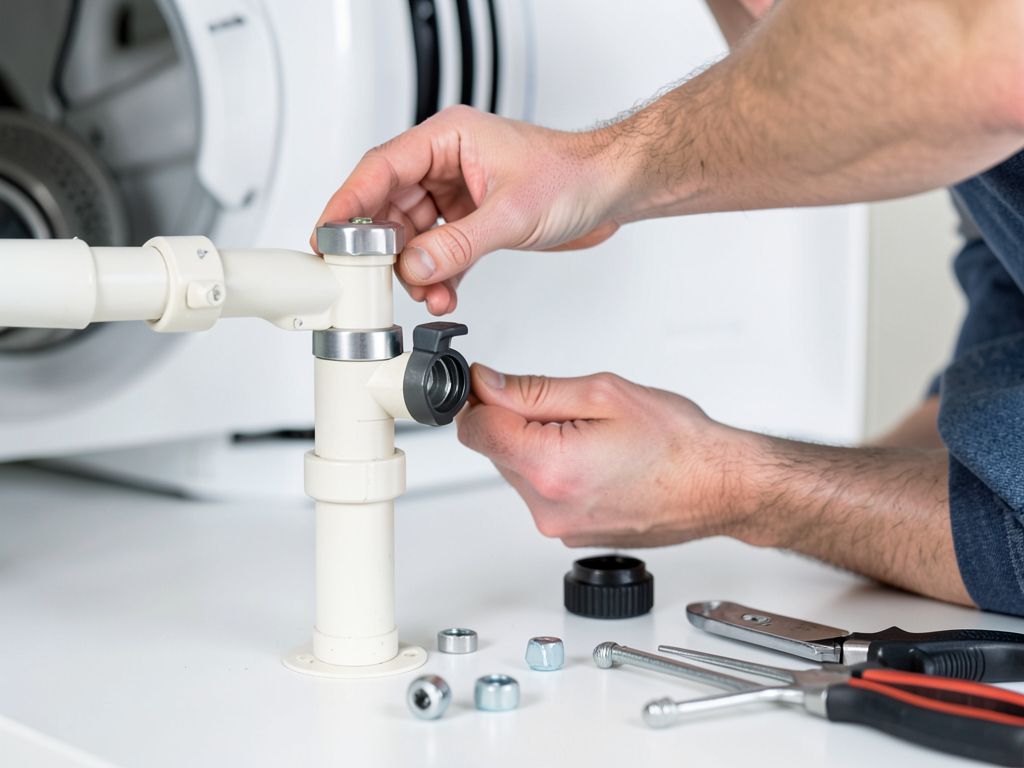
Installing a laundry-to-landscape system requires careful planning and proper component selection. The process begins with assessing your washing machine’s discharge capacity and your garden’s layout. Most standard top-loading washers discharge 15-30 gallons per load, while high-efficiency front loaders use 15-20 gallons. This flow rate determines how many plants you can effectively irrigate and the length of pipe runs you can install.
The first critical component is the 3-way diverter valve, which installs directly on the washer’s drain standpipe. This brass valve allows you to redirect water between the landscape system and the sewer with a simple handle turn. Next, an auto-vent or vacuum breaker prevents siphoning and ensures proper air circulation in the pipes. This component is essential for preventing backflow contamination and maintaining system pressure.
Exterior installation involves trenching shallow trenches 6-8 inches deep for the 1-inch HDPE distribution pipes. These flexible pipes connect to the diverter valve and run to individual mulch basins around your plants. Each basin requires a 2-inch diameter hole saw cut in the pipe to create a distribution point. The pipe then extends into the basin where it’s covered with 3-4 inches of mulch to prevent evaporation and filter debris.
Proper slope is crucial for system function. Pipes must maintain a minimum 2% grade (roughly 1/4 inch drop per foot) to prevent standing water and ensure even distribution. In Glassell Park’s clay soil conditions, this slope prevents water from pooling in low spots and reduces the risk of mosquito breeding. The final connection involves securing all pipe joints with stainless steel clamps and testing the system with a few wash cycles to check for leaks. Wet Spots in Yard.
Best Plants for Greywater in Southern California
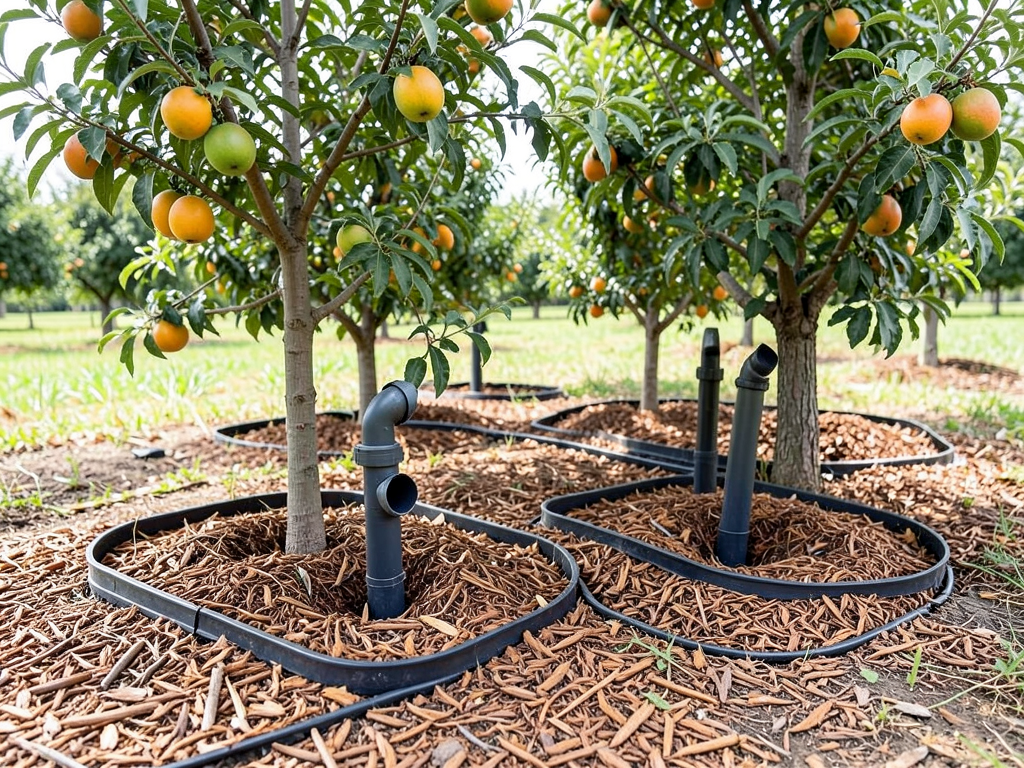
Glassell Park’s Mediterranean climate and clay soil conditions make certain plants ideal candidates for greywater irrigation. Fruit trees thrive on laundry water, particularly citrus varieties like oranges, lemons, and limes. These trees benefit from the consistent moisture and nutrients found in greywater while their deep root systems prevent water from pooling near foundations. Avocado trees also perform well, though they require slightly more drainage than citrus.
Native California shrubs and perennials are excellent choices for greywater gardens. California lilac, manzanita, and ceanothus varieties are drought-tolerant once established and handle the occasional soap residues found in laundry water. These plants have evolved to thrive in LA’s specific soil conditions and provide habitat for local pollinators. Ornamental grasses like deer grass and blue grama add texture while requiring minimal maintenance.
Vegetables and herbs can benefit from greywater, but require careful consideration of soap residues. Plants with edible parts that touch the ground, like lettuce or strawberries, should receive greywater through subsurface distribution to prevent contamination. Root vegetables like carrots and potatoes are better suited for potable water irrigation. Herbs such as rosemary, thyme, and sage thrive on greywater and add culinary value to your landscape.
Avoid planting salt-sensitive species in greywater areas, as laundry detergents can contain sodium compounds that accumulate in soil over time. Acid-loving plants like blueberries may struggle with the typically alkaline nature of greywater. Instead, focus on plants adapted to California’s naturally alkaline soils, which will better tolerate the gradual pH changes that occur with greywater irrigation.
Incentives and Rebates for Greywater Systems
Los Angeles residents can access multiple rebate programs that offset the cost of laundry-to-landscape installations. The SoCalWater$mart program, administered by the Metropolitan Water District, offers rebates for greywater components including diverter valves, distribution pipes, and mulch. While the program doesn’t cover labor costs, the $100-$200 in hardware rebates can significantly reduce your out-of-pocket expenses.
LADWP’s water conservation programs occasionally include greywater system incentives, particularly during drought declarations. These programs may offer higher rebates or even free consultations with water efficiency experts. The key is timing your installation with current rebate availability, as funding cycles typically align with California’s drought response plans and annual budget allocations. Expert Leak Detection Services to Save Your Venice Beach Property.
Beyond government programs, some local water districts partner with environmental organizations to provide educational resources and discounted materials for greywater installations. The Greywater Action nonprofit offers workshops and technical guidance specific to Southern California conditions, helping homeowners understand system design and local code requirements. These resources can prevent costly mistakes and ensure your system meets all regulatory standards.
Glassell Park residents should also consider the long-term financial benefits beyond initial rebates. A typical family saving 75-280 gallons weekly on landscape irrigation can reduce their water bill by $15-50 monthly, depending on usage patterns and local water rates. Over a 5-year period, these savings often exceed the system’s installation cost, providing a positive return on investment while contributing to LA’s water conservation goals.
Maintenance and Biocompatible Soaps
Maintaining a healthy greywater system requires attention to soap selection and system monitoring. Standard laundry detergents contain salts, boron, and sodium compounds that can harm plants and degrade soil structure over time. Switching to biocompatible detergents specifically formulated for greywater systems prevents these issues while maintaining cleaning effectiveness. These products are free from boron, chlorine, and high salt content, protecting both your plants and LA’s clay soil composition.
Regular system inspection prevents common problems like clogged distribution pipes and standing water. Check the 3-way diverter valve monthly to ensure smooth operation and verify that the handle moves freely between positions. Inspect mulch basins quarterly, adding fresh mulch as needed to maintain the 3-4 inch coverage that prevents evaporation and filters debris. During heavy rain periods, ensure drainage swales around basins remain clear to prevent waterlogging.
Soil testing every 6-12 months helps monitor salt accumulation and pH changes in greywater-irrigated areas. Local garden centers in Glassell Park offer basic soil test kits that check for sodium levels, pH, and nutrient content. If tests show elevated salt levels, increase fresh water irrigation in those areas to flush accumulated salts or switch to more salt-tolerant plant species. The clay soil common in northeast LA retains salts longer than sandy soils, making regular monitoring essential.
Winter maintenance requires special attention in Glassell Park’s occasional freeze conditions. While the area rarely experiences hard freezes, temperatures below 32°F can cause standing water in pipes to expand and create cracks. During cold snaps, run an extra rinse cycle to clear pipes of standing water, and ensure all above-ground components are properly insulated. The 3-way diverter valve should be exercised monthly even during winter to prevent mineral buildup from hard LA water.
Cost Considerations and ROI Analysis
A basic laundry-to-landscape system typically costs $300-600 for materials when installed by homeowners, or $800-1,500 for professional installation including labor. Material costs include the 3-way diverter valve ($50-100), auto-vent ($15-25), 1-inch HDPE pipe ($0.50-1.00 per foot), fittings and clamps ($50-100), and mulch for basins ($50-100). Professional installation adds labor costs but ensures proper code compliance and optimal system design for your specific property.
The return on investment calculation depends on your water usage patterns and local rates. Glassell Park residents pay approximately $0.015-0.020 per gallon for municipal water, making the 75-280 gallons saved weekly worth $4-15 monthly. With annual water rate increases averaging 5-7% in LA County, these savings compound over time. Most systems pay for themselves within 3-5 years through direct water bill reductions.
Additional value comes from increased property appeal and drought resilience. Homes with established greywater systems often attract environmentally conscious buyers and demonstrate water-wise landscaping during drought periods when neighbors’ lawns struggle. The system also provides emergency water access during supply restrictions, as laundry water continues flowing regardless of municipal water availability. Emergency Sump Pump Services for Rainy Seasons in Hancock Park.
Consider the indirect costs of not installing a system. During severe drought periods, LA residents face potential fines for excessive water use and may be required to let lawns go brown. A greywater system maintains landscape health during restrictions, preserving property values and preventing the cost of replacing dead plants and trees. The system also reduces strain on LA’s aging water infrastructure, contributing to community resilience during drought emergencies.
Common Mistakes to Avoid
Improper diverter valve installation ranks as the most common mistake, often resulting from inadequate access or incorrect pipe sizing. The valve must install on the standpipe with at least 6 inches of clearance above the washing machine’s highest water level. Using undersized valves or forcing connections can create leaks that damage walls or floors before the problem becomes visible.
Incorrect pipe slope causes system failures more frequently than any other installation error. Pipes that are too flat allow water to pool and create anaerobic conditions that kill plants and produce foul odors. Conversely, pipes with excessive slope can create air locks that prevent proper distribution. The 2% minimum grade rule is critical for system reliability.
Using prohibited materials in greywater systems creates long-term problems. Standard PVC pipes become brittle in sunlight and may crack under pressure fluctuations. Thin-wall polyethylene tubing can collapse when the washer pump activates, stopping water flow entirely. Always use schedule 40 PVC or approved HDPE piping rated for outdoor use and UV exposure.
Overplanting greywater areas leads to system overload and plant stress. Calculate your washer’s discharge rate and match it to plant water requirements. A typical system supporting 5-7 loads weekly can adequately irrigate 3-5 medium trees or 8-12 shrubs. Exceeding this capacity forces plants to compete for limited water, resulting in poor growth and increased pest susceptibility.
Frequently Asked Questions
Is a permit required for a laundry-to-landscape system in Los Angeles?
Most simple laundry-to-landscape systems don’t require permits if they meet California Plumbing Code Chapter 15 exemptions. Systems under 100 gallons per day that use the washer’s existing pump and don’t modify the home’s drainage typically qualify for exemption. However, always check with LADBS for your specific situation. Plumbing Glendale.
Can I use any laundry detergent with my greywater system?
No, standard detergents contain salts and boron that harm plants and soil. Use biodegradable, boron-free detergents specifically formulated for greywater systems. These products clean effectively while protecting your garden and preventing soil degradation over time.
How far can I run pipes from my washing machine?
Most washing machine pumps can handle up to 50 feet of horizontal run and 6 feet of vertical lift. Exceeding these limits may require a separate pump or reduce system effectiveness. Always maintain at least 2% slope to prevent standing water.
What plants should I avoid with greywater irrigation?
Avoid salt-sensitive plants like azaleas, rhododendrons, and blueberries. Also avoid plants with edible parts touching soil, such as lettuce and strawberries, unless using subsurface distribution. Focus on drought-tolerant natives and fruit trees that thrive on consistent moisture.
How often should I maintain my greywater system?
Check the diverter valve monthly, inspect mulch basins quarterly, and test soil every 6-12 months. During winter, ensure pipes don’t freeze and the system drains completely. Regular maintenance prevents costly repairs and keeps your garden healthy.
- Plan Your System
Assess your washer’s discharge rate and garden layout. Calculate pipe runs and determine plant locations for mulch basins.
- Install Diverter Valve
Mount the 3-way valve on the washer’s standpipe with proper clearance and accessibility for switching positions.
- Run Distribution Pipes
Trench shallow lines with 2% minimum slope, connecting to the diverter valve and running to plant locations.
- Create Mulch Basins
Install 2-inch distribution points in pipes, extend pipes into basins, and cover with 3-4 inches of mulch.
- Test and Monitor
Run wash cycles to check for leaks, observe water distribution, and adjust basin coverage as needed.
Ready to Install Your Greywater System?
Installing a laundry-to-landscape system in your Glassell Park garden is one of the smartest water conservation investments you can make. With proper planning and the right components, you’ll save hundreds of gallons annually while keeping your landscape thriving during LA’s drought conditions. The system pays for itself through water savings while adding value to your property.
Don’t let complex regulations or installation concerns hold you back. Professional plumbers familiar with LA’s greywater codes can ensure your system meets all requirements while maximizing efficiency. Whether you’re handling the installation yourself or hiring help, understanding these fundamentals puts you in control of your water future.
Call (213) 449-7577 today to schedule a consultation with our greywater specialists. We’ll assess your property, explain your options, and help you join the growing community of Glassell Park residents who are taking control of their water usage while maintaining beautiful, sustainable gardens.
{
“@context”: “https://schema.org”,
“@type”: “BlogPosting”,
“headline”: “How to Set Up a Laundry-to-Landscape System for Your Glassell Park Garden”,
“description”: “Learn how to install a laundry-to-landscape greywater system in Glassell Park. Save water, reduce bills, and keep your garden thriving with this step-by-step guide.”,
“wordCount”: 2649,
“datePublished”: “2026-05-27T11:17:00.000Z”,
“dateModified”: “2026-05-27T11:17:00.000Z”,
“inLanguage”: “en-US”,
“mainEntityOfPage”: {
“@type”: “WebPage”,
“@id”: “https://aplusplumbinglosangeles.com”
},
“publisher”: {
“@type”: “LocalBusiness”,
“name”: “A Plus Plumbing Los Angeles”,
“url”: “https://aplusplumbinglosangeles.com”
},
“author”: {
“@type”: “Organization”,
“name”: “A Plus Plumbing Los Angeles”,
“url”: “https://aplusplumbinglosangeles.com”
},
“image”: {
“@type”: “ImageObject”,
“url”: “https://aplusplumbinglosangeles.com/wp-content/uploads/2026/03/how-to-set-up-a-laundry-to-landscape-system-for-yo-1.png”
}
}
{
“@context”: “https://schema.org”,
“@type”: “Plumber”,
“name”: “A Plus Plumbing Los Angeles”,
“url”: “https://aplusplumbinglosangeles.com”,
“address”: {
“@type”: “PostalAddress”,
“addressLocality”: “Los Angeles”
},
“areaServed”: {
“@type”: “City”,
“name”: “Los Angeles”
}
}
{
“@context”: “https://schema.org”,
“@type”: “FAQPage”,
“mainEntity”: [
{
“@type”: “Question”,
“name”: “Is a permit required for a laundry-to-landscape system in Los Angeles?”,
“acceptedAnswer”: {
“@type”: “Answer”,
“text”: “Most simple laundry-to-landscape systems don’t require permits if they meet California Plumbing Code Chapter 15 exemptions. Systems under 100 gallons per day that use the washer’s existing pump and don’t modify the home’s drainage typically qualify for exemption. However, always check with LADBS for your specific situation. Plumbing Glendale.”
}
},
{
“@type”: “Question”,
“name”: “Can I use any laundry detergent with my greywater system?”,
“acceptedAnswer”: {
“@type”: “Answer”,
“text”: “No, standard detergents contain salts and boron that harm plants and soil. Use biodegradable, boron-free detergents specifically formulated for greywater systems. These products clean effectively while protecting your garden and preventing soil degradation over time.”
}
},
{
“@type”: “Question”,
“name”: “How far can I run pipes from my washing machine?”,
“acceptedAnswer”: {
“@type”: “Answer”,
“text”: “Most washing machine pumps can handle up to 50 feet of horizontal run and 6 feet of vertical lift. Exceeding these limits may require a separate pump or reduce system effectiveness. Always maintain at least 2% slope to prevent standing water.”
}
},
{
“@type”: “Question”,
“name”: “What plants should I avoid with greywater irrigation?”,
“acceptedAnswer”: {
“@type”: “Answer”,
“text”: “Avoid salt-sensitive plants like azaleas, rhododendrons, and blueberries. Also avoid plants with edible parts touching soil, such as lettuce and strawberries, unless using subsurface distribution. Focus on drought-tolerant natives and fruit trees that thrive on consistent moisture.”
}
},
{
“@type”: “Question”,
“name”: “How often should I maintain my greywater system?”,
“acceptedAnswer”: {
“@type”: “Answer”,
“text”: “Check the diverter valve monthly, inspect mulch basins quarterly, and test soil every 6-12 months. During winter, ensure pipes don’t freeze and the system drains completely. Regular maintenance prevents costly repairs and keeps your garden healthy.”
}
},
{
“@type”: “Question”,
“name”: “Ready to Install Your Greywater System?”,
“acceptedAnswer”: {
“@type”: “Answer”,
“text”: “Installing a laundry-to-landscape system in your Glassell Park garden is one of the smartest water conservation investments you can make. With proper planning and the right components, you’ll save hundreds of gallons annually while keeping your landscape thriving during LA’s drought conditions. The system pays for itself through water savings while adding value to your property.”
}
}
]
}
{
“@context”: “https://schema.org”,
“@type”: “HowTo”,
“name”: “How to Install a Laundry-to-Landscape System”,
“step”: [
{
“@type”: “HowToStep”,
“position”: 1,
“name”: “Plan Your System”,
“text”: “Assess your washer’s discharge rate and garden layout. Calculate pipe runs and determine plant locations for mulch basins.”
},
{
“@type”: “HowToStep”,
“position”: 2,
“name”: “Install Diverter Valve”,
“text”: “Mount the 3-way valve on the washer’s standpipe with proper clearance and accessibility for switching positions.”
},
{
“@type”: “HowToStep”,
“position”: 3,
“name”: “Run Distribution Pipes”,
“text”: “Trench shallow lines with 2% minimum slope, connecting to the diverter valve and running to plant locations.”
},
{
“@type”: “HowToStep”,
“position”: 4,
“name”: “Create Mulch Basins”,
“text”: “Install 2-inch distribution points in pipes, extend pipes into basins, and cover with 3-4 inches of mulch.”
},
{
“@type”: “HowToStep”,
“position”: 5,
“name”: “Test and Monitor”,
“text”: “Run wash cycles to check for leaks, observe water distribution, and adjust basin coverage as needed.”
}
],
“image”: “https://aplusplumbinglosangeles.com/wp-content/uploads/2026/03/how-to-set-up-a-laundry-to-landscape-system-for-yo-1.png”
}
{
“@context”: “https://schema.org”,
“@type”: “BreadcrumbList”,
“itemListElement”: [
{
“@type”: “ListItem”,
“position”: 1,
“name”: “Home”,
“item”: “https://aplusplumbinglosangeles.com”
},
{
“@type”: “ListItem”,
“position”: 2,
“name”: “Blog”,
“item”: “https://aplusplumbinglosangeles.com/blog”
},
{
“@type”: “ListItem”,
“position”: 3,
“name”: “How to Set Up a Laundry-to-Landscape System for Your Glassell Park Garden”
}
]
}
{
“@context”: “https://schema.org”,
“@type”: “Service”,
“serviceType”: “Plumbing”,
“provider”: {
“@type”: “LocalBusiness”,
“name”: “A Plus Plumbing Los Angeles”,
“url”: “https://aplusplumbinglosangeles.com”
},
“areaServed”: {
“@type”: “City”,
“name”: “Los Angeles”
},
“description”: “Learn how to install a laundry-to-landscape greywater system in Glassell Park. Save water, reduce bills, and keep your garden thriving with this step-by-step guide.”
}