
Everything You Need to Know About Installing a Wet Bar in Your Hollywood Hills Basement
Adding a wet bar to your Hollywood Hills basement creates the perfect entertainment space but requires careful planning to handle drainage challenges unique to subterranean installations. The steep terrain and hillside construction common in Hollywood Hills means gravity-fed drainage rarely works without mechanical assistance. This guide covers everything you need to know about basement wet bar plumbing including sewage ejector pumps, permit requirements, and local code compliance specific to Los Angeles County. Los Angeles Department of Building and Safety.
Before breaking ground on your basement bar project, understanding the technical requirements and local regulations saves time and prevents costly mistakes. Hollywood Hills homes often sit on hillsides with complex foundation systems that affect how plumbing connects to municipal sewer lines. The California Plumbing Code combined with LADBS specific requirements means professional installation ensures your wet bar functions properly and passes inspection. Sewer Line Repair Experts for Older Homes in Pasadena.
Understanding Basement Plumbing Challenges in Hollywood Hills
The primary challenge for basement wet bars involves getting wastewater from your sink up to the main sewer line. Unlike above-ground installations where gravity handles drainage, basement plumbing often requires mechanical assistance. Hollywood Hills terrain varies dramatically with some homes built into hillsides while others sit below street level. This elevation difference determines whether you need a sewage ejector pump or can use alternative drainage solutions.. Read more about Plumbing Requirements for Adding a Tiny House or Guest Suite in Your Sylmar Backyard.
Soil conditions in the Hollywood Hills area also affect plumbing decisions. The region’s mix of clay and decomposed granite can shift during seismic activity, potentially damaging underground pipes. Installing proper support systems and using flexible connections helps prevent future leaks. Additionally, older homes in the area may have outdated cast iron sewer lines that require careful connection methods to avoid corrosion issues.
Key Components for Your Basement Wet Bar Plumbing
A complete wet bar setup requires several plumbing components working together. The sink itself needs both hot and cold water supply lines, typically using PEX piping in modern installations due to its flexibility and freeze resistance. Copper remains an option but costs more and requires more complex installation around tight basement spaces. The drainage system includes a P-trap to prevent sewer gases from entering your entertainment area.
Venting presents another critical consideration. Standard wet bars need proper air venting to allow wastewater to flow freely. In basements, this often means running vent pipes through walls to connect with the home’s main vent stack. Some installations use air admittance valves as alternatives, though these have specific code requirements in Los Angeles County. The choice affects both installation complexity and long-term maintenance needs.
Sewage Ejector Pumps: The Basement Bar Essential
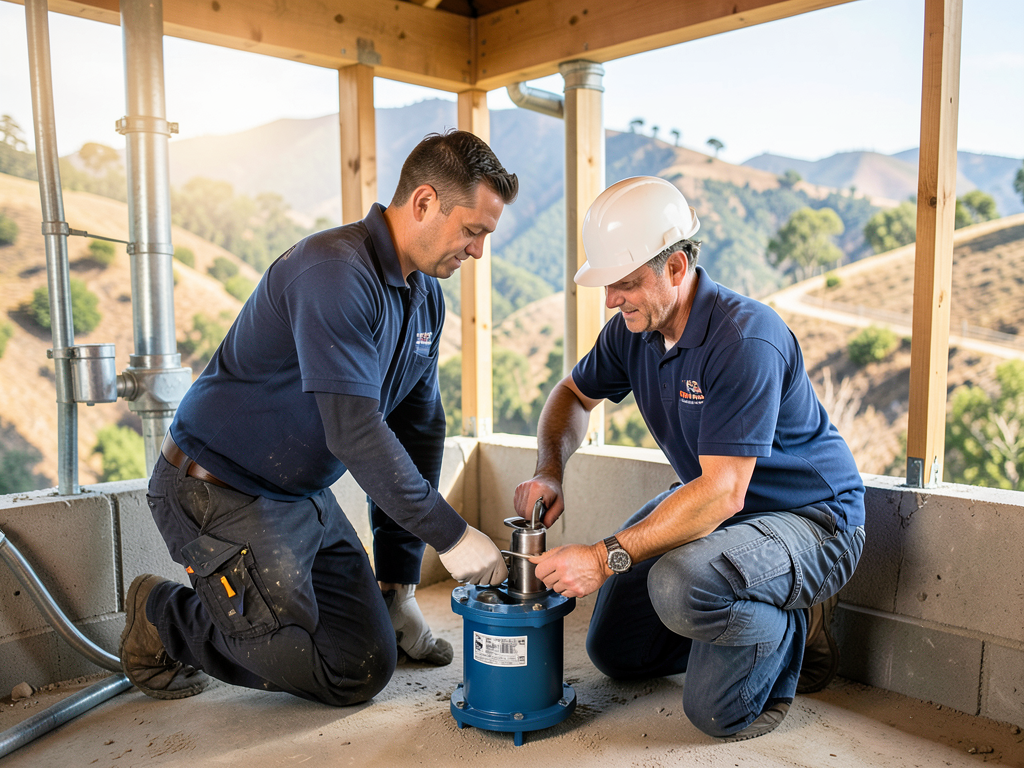
When gravity drainage proves impossible, sewage ejector pumps become the heart of your basement wet bar system. These pumps sit in a sealed basin below floor level and activate automatically when water fills the basin. The pump then forces wastewater up to the main sewer line through a discharge pipe. Hollywood Hills homes particularly benefit from these systems due to the area’s varied elevation changes.
Several pump brands dominate the residential market including Zoeller, Liberty Pumps, and Wayne. Zoeller’s 267 model handles up to 2,000 gallons per hour, making it suitable for most home wet bars. Liberty Pumps offers quieter operation with their LE51A series, important for entertainment spaces where noise matters. Installation requires a dedicated electrical circuit and proper ventilation to prevent odor buildup. Quiet and Powerful Garbage Disposal Installation in Studio City.
Maintenance involves annual cleaning of the pump basin and checking the float switch operation. Most pumps include an alarm system that alerts you to potential problems before flooding occurs. The initial investment ranges from $600 to $1,500 for the pump itself, with installation adding another $500 to $1,000 depending on basement access and electrical requirements.
LADBS Permits and Inspection Requirements
Los Angeles Department of Building and Safety requires permits for all basement plumbing modifications. The permit process starts with submitting detailed plans showing fixture locations, pipe routing, and pump specifications. LADBS reviews ensure compliance with the California Plumbing Code and local amendments specific to hillside construction. Hollywood Hills addresses often need additional structural engineering review due to seismic considerations. EPA WaterSense efficiency standards.
The inspection process includes rough-in inspection before closing walls and final inspection after completion. Inspectors check pipe sizing, venting adequacy, pump installation, and backflow prevention devices. Missing inspections can result in fines and require costly rework. The permit process typically takes 2-4 weeks for approval and costs between $300 to $800 depending on project scope.
DIY plumbing work in basements carries significant risks beyond code violations. Improper connections can cause sewage backups, while incorrect pump sizing leads to frequent failures. Professional plumbers understand hillside drainage patterns and can design systems that work with your home’s specific elevation profile. This expertise proves especially valuable in Hollywood Hills where property grades vary significantly between neighboring homes. Expert Leak Detection Services to Save Your Venice Beach Property.
Cost Breakdown for Hollywood Hills Basement Wet Bars
Plumbing costs for basement wet bars vary based on several factors unique to Hollywood Hills properties. Basic installations with existing plumbing access start around $2,500 to $4,000. Complex installations requiring new supply lines and sewage ejector pumps range from $5,000 to $8,000. High-end installations with custom features and premium materials can exceed $10,000.
Labor represents the largest cost factor, typically 60-70% of total project cost in Los Angeles. Licensed plumbers charge $100 to $150 per hour, with basement work often requiring two technicians due to equipment handling needs. Material costs include PEX piping at $0.50 to $2 per foot, copper at $2 to $4 per foot, and specialized fittings for hillside connections that prevent pipe separation during earthquakes.
Permit and inspection fees add $400 to $1,000 to project costs. Some Hollywood Hills homes require additional structural modifications to accommodate plumbing, adding $1,000 to $3,000. Emergency backup power systems for sewage pumps during blackouts represent another $500 to $1,500 investment, particularly important given the area’s occasional power disruptions. Emergency Sump Pump Services for Rainy Seasons in Hancock Park.
California Green Building Standards Compliance
California’s CALGreen code affects wet bar installations through water efficiency requirements. All new fixtures must meet WaterSense standards, limiting flow rates to 1.5 gallons per minute for faucets. This regulation applies to Hollywood Hills homes regardless of age, as upgrades must meet current standards. Low-flow fixtures reduce water usage without sacrificing performance, important in drought-prone Southern California.
Backflow prevention devices prevent contaminated water from entering the drinking supply. California Plumbing Code requires these devices for basement installations where cross-connections could occur. The devices must be accessible for testing and certified annually by licensed testers. Hollywood Hills properties near hillside springs or wells need additional protection due to potential groundwater contamination.
Energy efficiency extends to water heating systems. Tankless water heaters provide hot water on demand without the standby losses of traditional tanks. For wet bars, point-of-use tankless units eliminate the need to run long hot water lines, saving both energy and water. These units install directly under the sink and provide instant hot water for drink preparation and cleanup. The Most Reliable Tankless Water Heater Installers in Holmby Hills.
Floor Drain Requirements and Safety Features
Building codes require floor drains in basement wet bars to handle accidental spills and equipment leaks. The drain connects to the sewage ejector pump system or a separate drainage line. Floor drains must have proper P-traps and venting to prevent sewer gas entry. In Hollywood Hills, where basements often sit below natural water tables, these drains also handle groundwater infiltration during heavy rains.
Secondary containment systems provide additional protection against pump failures. These systems include overflow alarms that sound when water levels rise abnormally. Some installations include battery backup pumps that activate during primary pump failures. The combination of floor drains, alarms, and backup systems prevents costly water damage to finished basement areas.
Seismic considerations affect all plumbing installations in Hollywood Hills. Flexible connectors between rigid pipes allow movement during earthquakes without causing breaks. Flexible gas connectors for any gas appliances require special earthquake-rated models. These safety features, while adding to initial costs, prevent expensive damage and potential hazards during seismic events common in the Los Angeles area.
Choosing Between Macerating and Ejector Pump Systems
Macerating pump systems offer alternatives to traditional sewage ejector pumps for certain wet bar applications. These systems grind waste into fine slurry before pumping, allowing smaller diameter discharge pipes. Saniflo dominates this market with systems handling both wastewater and solid waste from nearby bathroom fixtures. For Hollywood Hills basements where space constraints limit large pipe installation, macerating systems provide viable solutions.
The main advantage of macerating systems involves installation flexibility. Smaller discharge pipes route through walls more easily than the 2-inch minimum required for ejector pumps. However, macerating pumps have lower capacity and may struggle with heavy simultaneous use. They also require more frequent maintenance as the grinding mechanism wears over time.
Traditional ejector pumps handle higher volumes and provide more reliable long-term operation. They suit wet bars with heavy usage or those connected to other basement fixtures like laundry rooms. The larger capacity means fewer backups during parties or family gatherings. For Hollywood Hills homes where basement entertaining represents a significant lifestyle component, ejector pumps often prove the better investment.
Common Installation Mistakes to Avoid
Undersized pumps represent the most frequent installation error. Homeowners often select pumps based on initial cost rather than capacity needs. A pump that barely handles current requirements will fail when additional fixtures get added or usage patterns change. Always oversize by at least 25% to accommodate future needs and provide reliability buffer.
Improper venting causes slow drainage and gurgling sounds that indicate system problems. Some DIY installations omit vents to save costs, but this violates code and creates long-term issues. Proper venting requires running pipes through roof or using approved air admittance valves correctly installed. Hollywood Hills roof structures often complicate vent routing, making professional design valuable.
Using incorrect pipe materials leads to premature failures. Galvanized steel rusts quickly in underground applications, while PVC may become brittle in temperature extremes. PEX handles temperature variations well but requires proper support to prevent sagging. Professional plumbers select materials based on specific installation conditions, something DIYers often overlook until problems emerge.
Maintenance Schedule for Long-Term Reliability
Regular maintenance prevents most wet bar plumbing emergencies. Monthly visual inspections check for leaks around connections and ensure the pump operates correctly. Every six months, clean the pump inlet screen and check the float switch movement. Annual professional servicing includes testing alarm systems, checking electrical connections, and verifying proper pump cycling.
Warning signs indicate developing problems before complete failures occur. Gurgling sounds suggest venting issues, while slow drainage indicates pump wear or partial blockages. Unusual pump noises often precede mechanical failures. Addressing these symptoms early prevents emergency service calls and water damage to finished basement areas.
Backup power systems maintain wet bar functionality during electrical outages. Battery backup pumps activate automatically when utility power fails, preventing sewage backups. These systems require battery replacement every 3-5 years and regular testing to ensure reliability. For Hollywood Hills homes where entertaining often continues during storms, backup power proves particularly valuable.
Integration with Smart Home Technology
Modern wet bars incorporate smart technology for enhanced convenience and monitoring. Wi-Fi enabled pumps send alerts to smartphones when problems develop, allowing quick response before damage occurs. Smart water sensors placed around the bar area detect leaks immediately and can automatically shut off water supply to prevent flooding.
Voice control integration allows hands-free operation of bar features. Smart faucets with touchless operation reduce water waste and improve hygiene during food preparation. Smart lighting systems create ambiance while energy-efficient LED fixtures reduce electricity usage. These technologies integrate seamlessly with existing home automation systems common in Hollywood Hills luxury properties.
Remote monitoring capabilities prove valuable for second homes or properties where owners travel frequently. Smartphone apps provide real-time system status, water usage data, and maintenance reminders. Some systems integrate with home security platforms, creating comprehensive property monitoring. This technology adds $500 to $1,500 to installation costs but provides peace of mind and potential insurance discounts.
Choosing the Right Professional for Your Project
Selecting qualified professionals ensures your wet bar installation meets all requirements. Licensed plumbers with basement experience understand hillside drainage challenges specific to Hollywood Hills. Look for contractors with C-36 California plumbing licenses and positive references for similar projects. Verify current insurance coverage and check complaint history with the California State License Board.
Request detailed written estimates that itemize all components including permits, materials, and labor. Compare proposals based on complete scope rather than just bottom-line price. The cheapest option often cuts corners on critical items like pump sizing or venting that cause problems later. Quality contractors explain their design choices and provide warranties on both materials and workmanship.
Communication throughout the project prevents misunderstandings and ensures satisfaction. Good contractors provide regular progress updates, explain inspection requirements, and address concerns promptly. They also coordinate with other tradespeople if your wet bar is part of larger basement remodeling. This coordination prevents scheduling conflicts and ensures all systems integrate properly.
Future-Proofing Your Basement Wet Bar Investment
Design your wet bar system with future expansion in mind. Oversized drain lines accommodate potential additions like ice makers or additional sinks. Leave space around mechanical components for maintenance access and future upgrades. Consider roughing in plumbing for adjacent spaces you might finish later, reducing future renovation costs.
Energy efficiency improvements pay dividends over time. High-efficiency pumps reduce electricity usage, while LED lighting cuts power consumption. Water-efficient fixtures lower utility bills while meeting California conservation requirements. These upgrades often qualify for utility rebates, offsetting some initial costs while providing long-term savings.
Quality materials and professional installation extend system lifespan significantly. While initial costs run higher, premium components fail less frequently and perform better. This reliability proves especially important in Hollywood Hills where emergency service calls during events can be disruptive. The investment in quality pays returns through trouble-free operation and preserved property value.
Frequently Asked Questions
How long does basement wet bar installation take?
Most installations require 3-5 days for plumbing work plus additional time for inspections and finishing. Complex installations with new drainage systems may extend to 7-10 days total.
Can I install a wet bar without a sewage ejector pump?
Only if your basement sits high enough for gravity drainage to reach the main sewer line. Most Hollywood Hills basements require pumps due to elevation differences.
What permits are required for basement wet bars?
LADBS requires plumbing permits for all new fixtures and drainage modifications. Additional permits may be needed for electrical work or structural modifications.
How much does a sewage ejector pump cost to operate?
Modern pumps use minimal electricity, typically $5-10 annually for normal residential use. Backup power systems add ongoing battery replacement costs.
Do wet bars increase home value?
Quality wet bars often increase home appeal and can boost resale value, particularly in entertainment-focused markets like Hollywood Hills where indoor-outdoor living is prized.
What maintenance does a basement wet bar require?
Monthly visual inspections, quarterly cleaning of pump components, and annual professional servicing keep systems operating reliably. Smart monitoring reduces maintenance surprises.
Ready to Install Your Hollywood Hills Basement Wet Bar?
Professional installation ensures your wet bar functions perfectly and meets all Los Angeles building codes. Our experienced team understands the unique challenges of Hollywood Hills basement plumbing and provides solutions that last. From initial design through final inspection, we handle every aspect of your wet bar project.
Don’t risk DIY mistakes that could flood your basement or fail inspection. Call (213) 449-7577 today to schedule your consultation. We’ll evaluate your space, explain your options, and provide a detailed proposal with no hidden costs. Your perfect entertainment space is just one call away.
Pick up the phone and call (213) 449-7577 before the next big game or party. Let our Hollywood Hills plumbing experts handle the technical details while you plan the fun. Your basement transformation starts with one simple call.
{
“@context”: “https://schema.org”,
“@type”: “BlogPosting”,
“headline”: “Everything You Need to Know About Installing a Wet Bar in Your Hollywood Hills Basement”,
“description”: “Planning a basement wet bar in Hollywood Hills? Learn about drainage solutions, LADBS permits, sewage ejector pumps, and local code compliance for your entertainment space.”,
“wordCount”: 2674,
“datePublished”: “2026-06-12T07:01:00.000Z”,
“dateModified”: “2026-06-12T07:01:00.000Z”,
“inLanguage”: “en-US”,
“mainEntityOfPage”: {
“@type”: “WebPage”,
“@id”: “https://aplusplumbinglosangeles.com”
},
“publisher”: {
“@type”: “LocalBusiness”,
“name”: “A Plus Plumbing Los Angeles”,
“url”: “https://aplusplumbinglosangeles.com”
},
“author”: {
“@type”: “Organization”,
“name”: “A Plus Plumbing Los Angeles”,
“url”: “https://aplusplumbinglosangeles.com”
},
“image”: {
“@type”: “ImageObject”,
“url”: “https://aplusplumbinglosangeles.com/wp-content/uploads/2026/03/everything-you-need-to-know-about-installing-a-wet-1.png”
}
}
{
“@context”: “https://schema.org”,
“@type”: “Plumber”,
“name”: “A Plus Plumbing Los Angeles”,
“url”: “https://aplusplumbinglosangeles.com”,
“address”: {
“@type”: “PostalAddress”,
“addressLocality”: “Los Angeles”
},
“areaServed”: {
“@type”: “City”,
“name”: “Los Angeles”
}
}
{
“@context”: “https://schema.org”,
“@type”: “FAQPage”,
“mainEntity”: [
{
“@type”: “Question”,
“name”: “How long does basement wet bar installation take?”,
“acceptedAnswer”: {
“@type”: “Answer”,
“text”: “Most installations require 3-5 days for plumbing work plus additional time for inspections and finishing. Complex installations with new drainage systems may extend to 7-10 days total.”
}
},
{
“@type”: “Question”,
“name”: “Can I install a wet bar without a sewage ejector pump?”,
“acceptedAnswer”: {
“@type”: “Answer”,
“text”: “Only if your basement sits high enough for gravity drainage to reach the main sewer line. Most Hollywood Hills basements require pumps due to elevation differences.”
}
},
{
“@type”: “Question”,
“name”: “What permits are required for basement wet bars?”,
“acceptedAnswer”: {
“@type”: “Answer”,
“text”: “LADBS requires plumbing permits for all new fixtures and drainage modifications. Additional permits may be needed for electrical work or structural modifications.”
}
},
{
“@type”: “Question”,
“name”: “How much does a sewage ejector pump cost to operate?”,
“acceptedAnswer”: {
“@type”: “Answer”,
“text”: “Modern pumps use minimal electricity, typically $5-10 annually for normal residential use. Backup power systems add ongoing battery replacement costs.”
}
},
{
“@type”: “Question”,
“name”: “Do wet bars increase home value?”,
“acceptedAnswer”: {
“@type”: “Answer”,
“text”: “Quality wet bars often increase home appeal and can boost resale value, particularly in entertainment-focused markets like Hollywood Hills where indoor-outdoor living is prized.”
}
},
{
“@type”: “Question”,
“name”: “What maintenance does a basement wet bar require?”,
“acceptedAnswer”: {
“@type”: “Answer”,
“text”: “Monthly visual inspections, quarterly cleaning of pump components, and annual professional servicing keep systems operating reliably. Smart monitoring reduces maintenance surprises.”
}
},
{
“@type”: “Question”,
“name”: “Ready to Install Your Hollywood Hills Basement Wet Bar?”,
“acceptedAnswer”: {
“@type”: “Answer”,
“text”: “Professional installation ensures your wet bar functions perfectly and meets all Los Angeles building codes. Our experienced team understands the unique challenges of Hollywood Hills basement plumbing and provides solutions that last. From initial design through final inspection, we handle every aspect of your wet bar project.”
}
}
]
}
{
“@context”: “https://schema.org”,
“@type”: “BreadcrumbList”,
“itemListElement”: [
{
“@type”: “ListItem”,
“position”: 1,
“name”: “Home”,
“item”: “https://aplusplumbinglosangeles.com”
},
{
“@type”: “ListItem”,
“position”: 2,
“name”: “Blog”,
“item”: “https://aplusplumbinglosangeles.com/blog”
},
{
“@type”: “ListItem”,
“position”: 3,
“name”: “Everything You Need to Know About Installing a Wet Bar in Your Hollywood Hills Basement”
}
]
}
{
“@context”: “https://schema.org”,
“@type”: “Service”,
“serviceType”: “Plumbing”,
“provider”: {
“@type”: “LocalBusiness”,
“name”: “A Plus Plumbing Los Angeles”,
“url”: “https://aplusplumbinglosangeles.com”
},
“areaServed”: {
“@type”: “City”,
“name”: “Los Angeles”
},
“description”: “Planning a basement wet bar in Hollywood Hills? Learn about drainage solutions, LADBS permits, sewage ejector pumps, and local code compliance for your entertainment space.”
}