Essential Plumbing Requirements for New Coffee Shops in the Arts District
Opening a coffee shop in the Arts District means navigating strict Los Angeles plumbing codes designed to protect public health and prevent water contamination. The California Plumbing Code combined with LA County Department of Public Health requirements creates specific mandates for coffee shop owners that differ from standard restaurants. These regulations cover everything from grease interceptor sizing to specialized espresso machine water filtration systems. Los Angeles Department of Building and Safety.
The Arts District’s mix of historic warehouse conversions and new construction presents unique plumbing challenges. Many buildings require extensive rough-in work to meet current codes, while new developments must comply with Title 24 water efficiency standards. Understanding these requirements before signing a lease can save thousands in retrofitting costs and prevent costly permitting delays. LA County Department of Public Health.
LA County Health Department and Building Code Standards
The Los Angeles County Department of Public Health enforces strict plumbing requirements for food service establishments. Coffee shops fall under the same category as restaurants, requiring specific fixtures and configurations to prevent cross-contamination. The California Plumbing Code Section 608 mandates that all food preparation areas have dedicated hand washing sinks separate from mop sinks and three-compartment sinks. Plumbing Glendale.
Building Department requirements through LADBS (Los Angeles Department of Building and Safety) add another layer of compliance. New coffee shops must submit detailed plumbing plans showing fixture locations, pipe sizing, and waste line configurations. These plans undergo a rigorous plan check process that can take 4-6 weeks before permits are issued. Missing a single requirement during this phase means starting the process over. Plumbing Santa Clarita.
The Arts District’s older buildings often have cast iron waste lines that may not meet current diameter requirements. Upgrading these lines can cost $15-25 per linear foot, a significant expense for budget-conscious entrepreneurs. New construction must install copper or approved plastic piping with specific slope requirements to ensure proper drainage.. Read more about The Best Way to Hide Ugly Exposed Pipes in an Arts District Loft.
Grease Interceptors (Grease Traps): Sizing, Placement, and LADWP Regulations
Even though coffee shops primarily serve beverages, they still require grease interceptors for items like milk-based drinks and food preparation. The Los Angeles Department of Water and Power mandates grease traps for any establishment with food waste going down drains. Small coffee shops under 2,000 square feet typically need 50-75 gallon interceptors, while larger operations require 100+ gallon units.. Read more about Comparing Under-Sink Water Chillers and Sparkling Water Taps for Your Larchmont Kitchen.
Grease interceptor placement affects both plumbing costs and kitchen workflow. Under-sink units work for minimal food prep but require frequent cleaning. Larger outdoor interceptors cost more upfront but reduce maintenance frequency. The interceptor must be accessible for waste hauler service, typically every 30-90 days depending on usage.
LADWP’s Fats, Oils, and Grease (FOG) control program requires interceptors to meet specific efficiency standards. The interceptor must trap at least 90% of fats, oils, and grease before wastewater enters the municipal system. Failure to install proper interceptors can result in fines up to $1,000 per day and potential business closure until compliance is achieved.
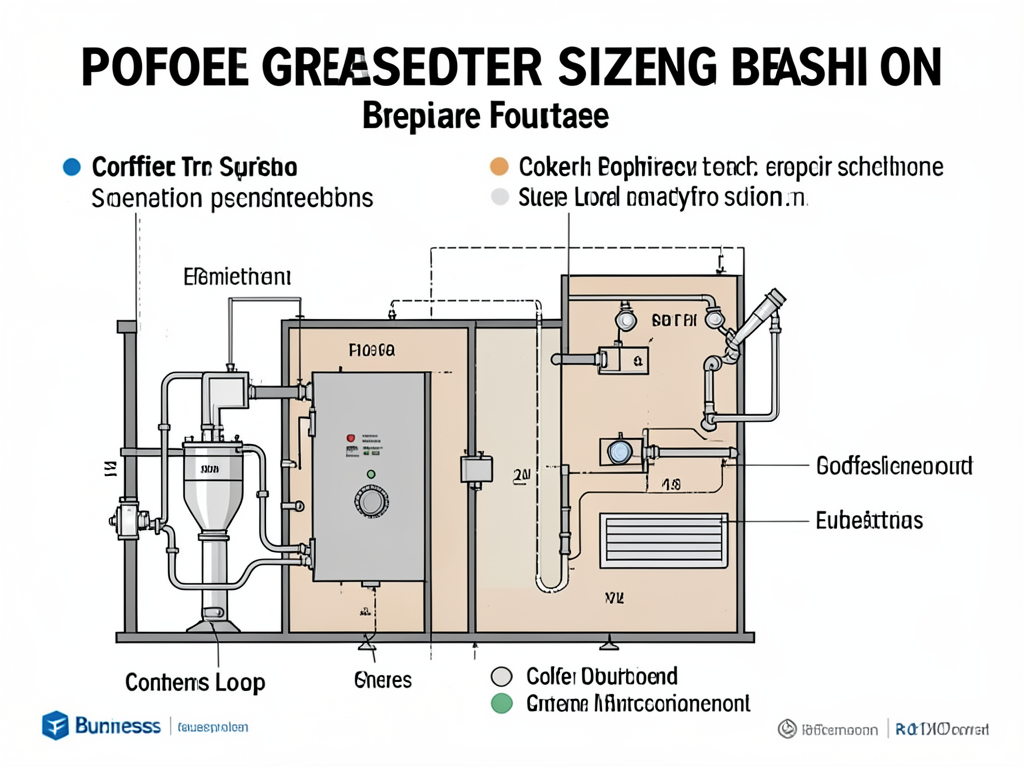
Diagram showing proper grease interceptor sizing based on coffee shop square footage and equipment load.
The 3-Compartment Sink and Mop Sink Mandates
California Plumbing Code Section 609.2 requires all food service establishments to have a three-compartment sink for manual ware washing. Each compartment must be at least 18 inches by 18 inches by 12 inches deep. The sink must have hot and cold water supplies with mixing valves, and the hot water must reach at least 120 degrees Fahrenheit.
Mop sinks represent another mandatory fixture that many new coffee shop owners overlook. These floor-mounted sinks must be installed in a designated janitorial area and cannot be used for food preparation or ware washing. The mop sink requires both hot and cold water supplies and a floor drain with an indirect waste line to prevent backflow contamination.
Hand washing sinks present additional requirements. Each food preparation area must have its own hand washing station with hot and cold running water, soap dispenser, and single-use towel dispenser. The sink cannot be more than 25 feet from any food preparation area, and employees cannot use the three-compartment sink for hand washing.
Espresso Machine & Beverage Station Plumbing (Water filtration and dedicated lines)
Commercial espresso machines require dedicated 3/8-inch or 1/2-inch water lines with pressure regulators to maintain consistent brewing pressure. Most machines need 40-60 PSI water pressure, and fluctuations can damage expensive equipment. A dedicated shut-off valve near the machine allows for maintenance without disrupting other operations.
Water quality directly impacts coffee taste and equipment longevity. The Los Angeles water supply contains minerals that create scale buildup in espresso machines. Installing a commercial water filtration system with both sediment and carbon filters protects equipment and improves beverage quality. These systems typically cost $500-2,000 depending on capacity and filtration stages.
Dedicated drain lines for espresso machines and beverage stations prevent cross-contamination. These lines must connect to the main waste system through air gaps or indirect waste connections. Floor drains in beverage preparation areas must have proper traps to prevent sewer gas from entering the workspace. The California Plumbing Code requires a minimum 2-inch drain line for commercial beverage stations. Sewer Line Repair Experts for Older Homes in Pasadena.
Floor Sinks and Indirect Waste Lines: Preventing Cross-Contamination
Floor sinks serve as collection points for indirect waste lines from equipment like ice makers, refrigerators, and coffee brewers. These fixtures sit flush with the floor and connect to the waste system through air gaps that prevent backflow. The California Plumbing Code Section 802.5.1 mandates that all indirect waste lines discharge through air gaps at least twice the diameter of the drain pipe.
Floor sink sizing depends on the equipment load and local codes. Small coffee shops typically need 12-inch by 12-inch floor sinks, while larger operations may require 18-inch by 18-inch units. The floor sink must be accessible for cleaning and have a removable strainer to catch debris. Improper floor sink installation ranks among the top inspection failures for new food service establishments.
Indirect waste lines require specific slope requirements to ensure proper drainage. The California Plumbing Code mandates a minimum 1% slope (1/8 inch per foot) for horizontal drainage pipes. This prevents standing water that can harbor bacteria and create slip hazards. Many Arts District buildings require complete waste line replacement to meet these slope requirements.
Backflow Prevention: Requirements for Coffee Shops in the City of LA
Backflow prevention devices protect the municipal water supply from contamination. The City of Los Angeles requires reduced pressure principle (RPZ) backflow preventers for all food service establishments. These devices must be tested annually by certified testers and tagged with test results. The RPZ valve typically costs $300-600 plus installation, with annual testing fees around $75-150.
Installation location affects both cost and compliance. RPZ devices must be installed above ground in an accessible location, typically near the main water meter. This often requires building a protective enclosure if the device is installed outdoors. Some Arts District buildings need booster pumps to maintain adequate water pressure after the RPZ installation, adding $1,000-3,000 to plumbing costs.
Backflow preventer sizing depends on the building’s water service size. Most small coffee shops with 3/4-inch water meters need 3/4-inch RPZ devices. Larger operations with 1-inch or 1.5-inch meters require proportionally larger units. The device must be installed according to manufacturer specifications with adequate clearance for maintenance and testing.
The Permitting Process: Navigating LADBS (Los Angeles Dept of Building and Safety)
Obtaining plumbing permits through LADBS requires submitting detailed plans that show every fixture, pipe, and connection. The plan check process examines compliance with the California Plumbing Code, local amendments, and Title 24 water efficiency requirements. Plan review typically takes 4-6 weeks, with additional time needed if corrections are required.
Three sets of plans must be submitted, including detailed fixture schedules, riser diagrams, and isometrics showing pipe routing. Each fixture requires specific information: make, model, gallons per minute rating, and connection sizes. Missing or incorrect information results in plan rejection and restarts the review clock.
Inspections occur at multiple construction phases: underground before concrete pour, rough-in before wall closure, and final before occupancy. Each inspection must be scheduled at least 24 hours in advance. Failed inspections result in additional fees and delays. The final inspection cannot be scheduled until all other trades have completed their work and the health department has approved the space.
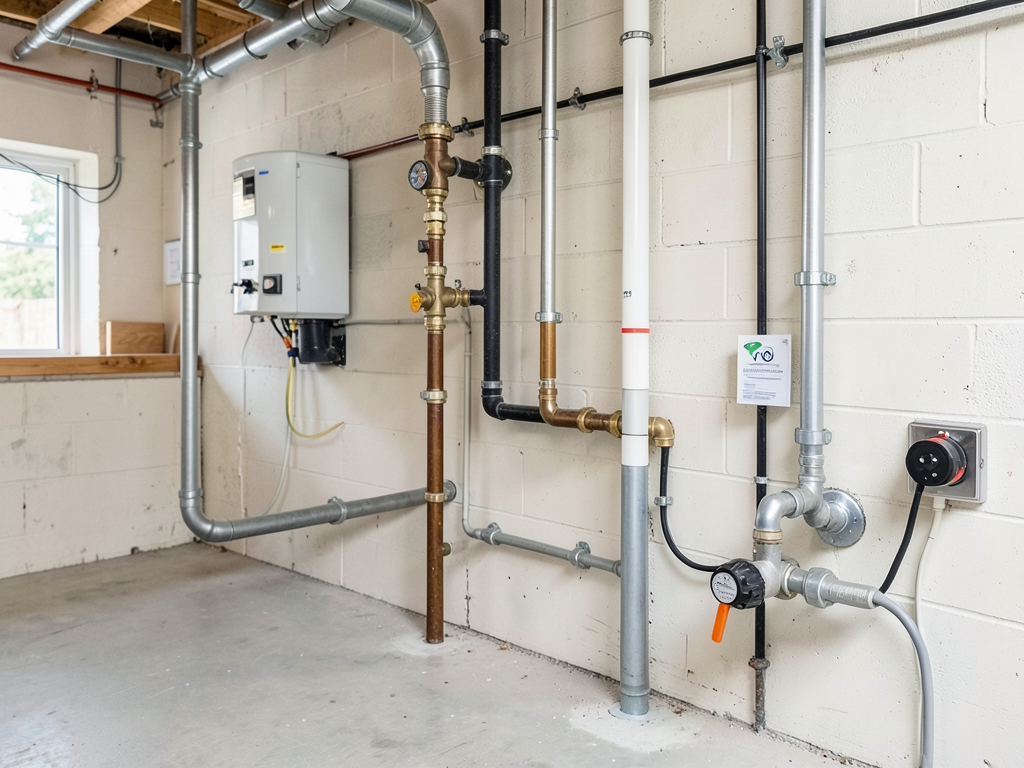
Photo of a completed coffee shop rough-in plumbing showing proper pipe sizing and fixture placement.
Cost Considerations and Timeline Management
Plumbing costs for new coffee shops in the Arts District typically range from $25,000 to $75,000 depending on size and building conditions. Underground work in older buildings often reveals unexpected issues like corroded pipes or inadequate drainage that increase costs by 20-30%. New construction allows for more predictable budgeting but still requires contingency funds for code compliance issues.
Timeline management requires coordinating multiple contractors and inspections. Plumbing work should begin after demolition but before electrical and HVAC rough-in. This sequencing prevents conflicts and allows for proper pipe routing. Most coffee shop plumbing projects take 3-6 weeks for rough-in, with another 1-2 weeks for fixture installation and testing.
Delays in one area cascade through the entire project. Plan check backlogs at LADBS can extend permitting from 6 weeks to 3-4 months. Material shortages for specific fixtures can delay completion by weeks. Building relationships with local suppliers and inspectors can help navigate these challenges more smoothly.
Working with Licensed Plumbing Contractors
California law requires all commercial plumbing work to be performed by C-36 licensed contractors. Verify license status through the California State License Board and check for any disciplinary actions. Experienced coffee shop plumbing contractors understand the specific requirements and can identify potential issues before construction begins.
Request references from similar projects in the Arts District or nearby neighborhoods. Visit completed sites if possible to assess workmanship quality. A reputable contractor provides detailed written estimates breaking down costs for fixtures, labor, permits, and inspections. They should also explain the permitting process and timeline expectations clearly.
Communication throughout the project prevents misunderstandings and costly changes. Weekly progress meetings allow for addressing issues before they become problems. Document all change orders in writing with cost impacts clearly stated. The best contractors act as partners in navigating the complex requirements rather than just executing work.
Final Inspection and Health Department Approval
The final plumbing inspection requires every fixture to be operational and properly connected. Inspectors check water pressure, drainage flow, and backflow preventer installation. They verify that all required fixtures are installed in the correct locations and meet code requirements for spacing and accessibility.
Health department inspections focus on cross-contamination prevention and sanitation. Inspectors verify that hand washing sinks have hot water at the required temperature, that indirect waste lines are properly installed, and that floor sinks are accessible for cleaning. They also check that mop sinks are not being used for food preparation or ware washing.
Both inspections must pass before the health department will issue an operating permit. Failed inspections result in correction notices that must be addressed before re-inspection. Common failures include missing air gaps, inadequate hot water temperatures, and improper grease interceptor sizing. Addressing these issues during construction prevents costly delays at the end of the project.
Photo of a health department-approved coffee shop hand washing station with proper soap and towel dispensers.
Frequently Asked Questions
What size grease interceptor do I need for a small coffee shop?
Small coffee shops under 2,000 square feet typically need 50-75 gallon grease interceptors. The exact size depends on the number of espresso machines, blenders, and any food preparation equipment. Larger operations or those serving significant food items may need 100+ gallon units.
How long does the plumbing permitting process take in Los Angeles?
Plan check and permit issuance typically takes 4-6 weeks under normal circumstances. However, LADBS backlogs can extend this to 3-4 months. Starting the permitting process early and ensuring complete, accurate plans helps minimize delays.
Do I really need a backflow preventer for a coffee shop?
Yes. Los Angeles requires reduced pressure principle (RPZ) backflow preventers for all food service establishments. These devices protect the municipal water supply from contamination and must be tested annually by certified professionals.
Can I use residential fixtures in my coffee shop to save money?
No. California Plumbing Code requires commercial-grade fixtures for food service establishments. Residential fixtures do not meet durability, sanitation, or code requirements for commercial use. Using residential fixtures can result in failed inspections and potential fines.
What happens if my building is older and doesn’t meet current codes?
Older buildings often require plumbing upgrades to meet current codes. This may include replacing waste lines, upgrading water service size, or installing new fixtures. These upgrades are typically required before permits will be issued and can significantly impact project costs.
How do I find a qualified plumbing contractor for my coffee shop?
Look for C-36 licensed contractors with experience in commercial food service projects. Check their license status through the California State License Board, request references from similar projects, and verify their insurance coverage. Experience with LA County health department requirements is essential.
What is the average cost for coffee shop plumbing in the Arts District?
Plumbing costs typically range from $25,000 to $75,000 depending on size, building conditions, and specific requirements. Underground work in older buildings often reveals unexpected issues that increase costs. New construction allows for more predictable budgeting.
Call (213) 449-7577 for Expert Coffee Shop Plumbing Services
Opening a coffee shop requires expert plumbing knowledge to navigate complex codes and ensure compliance. Don’t risk costly mistakes or failed inspections. Our team understands Arts District building requirements and can help you avoid common pitfalls that delay openings and increase costs. Expert Leak Detection Services to Save Your Venice Beach Property.
Call (213) 449-7577 today to schedule a consultation. We’ll review your plans, identify potential issues, and provide accurate cost estimates before you commit to a location. Our experience with LA County health department requirements means your project stays on track and passes inspections the first time.
{
“@context”: “https://schema.org”,
“@type”: “BlogPosting”,
“headline”: “Essential Plumbing Requirements for New Coffee Shops in the Arts District”,
“description”: “Complete guide to LA County health department codes, grease interceptor sizing, backflow prevention, and permitting for new coffee shops in the Arts District.”,
“wordCount”: 2333,
“datePublished”: “2026-05-21T08:12:00.000Z”,
“dateModified”: “2026-05-21T08:12:00.000Z”,
“inLanguage”: “en-US”,
“mainEntityOfPage”: {
“@type”: “WebPage”,
“@id”: “https://aplusplumbinglosangeles.com”
},
“publisher”: {
“@type”: “LocalBusiness”,
“name”: “A Plus Plumbing Los Angeles”,
“url”: “https://aplusplumbinglosangeles.com”
},
“author”: {
“@type”: “Organization”,
“name”: “A Plus Plumbing Los Angeles”,
“url”: “https://aplusplumbinglosangeles.com”
},
“image”: {
“@type”: “ImageObject”,
“url”: “https://aplusplumbinglosangeles.com/wp-content/uploads/2026/03/essential-plumbing-requirements-for-new-coffee-sho-1.png”
}
}
{
“@context”: “https://schema.org”,
“@type”: “Plumber”,
“name”: “A Plus Plumbing Los Angeles”,
“url”: “https://aplusplumbinglosangeles.com”,
“address”: {
“@type”: “PostalAddress”,
“addressLocality”: “Los Angeles”
},
“areaServed”: {
“@type”: “City”,
“name”: “Los Angeles”
}
}
{
“@context”: “https://schema.org”,
“@type”: “FAQPage”,
“mainEntity”: [
{
“@type”: “Question”,
“name”: “What size grease interceptor do I need for a small coffee shop?”,
“acceptedAnswer”: {
“@type”: “Answer”,
“text”: “Small coffee shops under 2,000 square feet typically need 50-75 gallon grease interceptors. The exact size depends on the number of espresso machines, blenders, and any food preparation equipment. Larger operations or those serving significant food items may need 100+ gallon units.”
}
},
{
“@type”: “Question”,
“name”: “How long does the plumbing permitting process take in Los Angeles?”,
“acceptedAnswer”: {
“@type”: “Answer”,
“text”: “Plan check and permit issuance typically takes 4-6 weeks under normal circumstances. However, LADBS backlogs can extend this to 3-4 months. Starting the permitting process early and ensuring complete, accurate plans helps minimize delays.”
}
},
{
“@type”: “Question”,
“name”: “Do I really need a backflow preventer for a coffee shop?”,
“acceptedAnswer”: {
“@type”: “Answer”,
“text”: “Yes. Los Angeles requires reduced pressure principle (RPZ) backflow preventers for all food service establishments. These devices protect the municipal water supply from contamination and must be tested annually by certified professionals.”
}
},
{
“@type”: “Question”,
“name”: “Can I use residential fixtures in my coffee shop to save money?”,
“acceptedAnswer”: {
“@type”: “Answer”,
“text”: “No. California Plumbing Code requires commercial-grade fixtures for food service establishments. Residential fixtures do not meet durability, sanitation, or code requirements for commercial use. Using residential fixtures can result in failed inspections and potential fines.”
}
},
{
“@type”: “Question”,
“name”: “What happens if my building is older and doesn’t meet current codes?”,
“acceptedAnswer”: {
“@type”: “Answer”,
“text”: “Older buildings often require plumbing upgrades to meet current codes. This may include replacing waste lines, upgrading water service size, or installing new fixtures. These upgrades are typically required before permits will be issued and can significantly impact project costs.”
}
},
{
“@type”: “Question”,
“name”: “How do I find a qualified plumbing contractor for my coffee shop?”,
“acceptedAnswer”: {
“@type”: “Answer”,
“text”: “Look for C-36 licensed contractors with experience in commercial food service projects. Check their license status through the California State License Board, request references from similar projects, and verify their insurance coverage. Experience with LA County health department requirements is essential.”
}
},
{
“@type”: “Question”,
“name”: “What is the average cost for coffee shop plumbing in the Arts District?”,
“acceptedAnswer”: {
“@type”: “Answer”,
“text”: “Plumbing costs typically range from $25,000 to $75,000 depending on size, building conditions, and specific requirements. Underground work in older buildings often reveals unexpected issues that increase costs. New construction allows for more predictable budgeting.”
}
}
]
}
{
“@context”: “https://schema.org”,
“@type”: “BreadcrumbList”,
“itemListElement”: [
{
“@type”: “ListItem”,
“position”: 1,
“name”: “Home”,
“item”: “https://aplusplumbinglosangeles.com”
},
{
“@type”: “ListItem”,
“position”: 2,
“name”: “Blog”,
“item”: “https://aplusplumbinglosangeles.com/blog”
},
{
“@type”: “ListItem”,
“position”: 3,
“name”: “Essential Plumbing Requirements for New Coffee Shops in the Arts District”
}
]
}
{
“@context”: “https://schema.org”,
“@type”: “Service”,
“serviceType”: “Plumbing”,
“provider”: {
“@type”: “LocalBusiness”,
“name”: “A Plus Plumbing Los Angeles”,
“url”: “https://aplusplumbinglosangeles.com”
},
“areaServed”: {
“@type”: “City”,
“name”: “Los Angeles”
},
“description”: “Complete guide to LA County health department codes, grease interceptor sizing, backflow prevention, and permitting for new coffee shops in the Arts District.”
}