
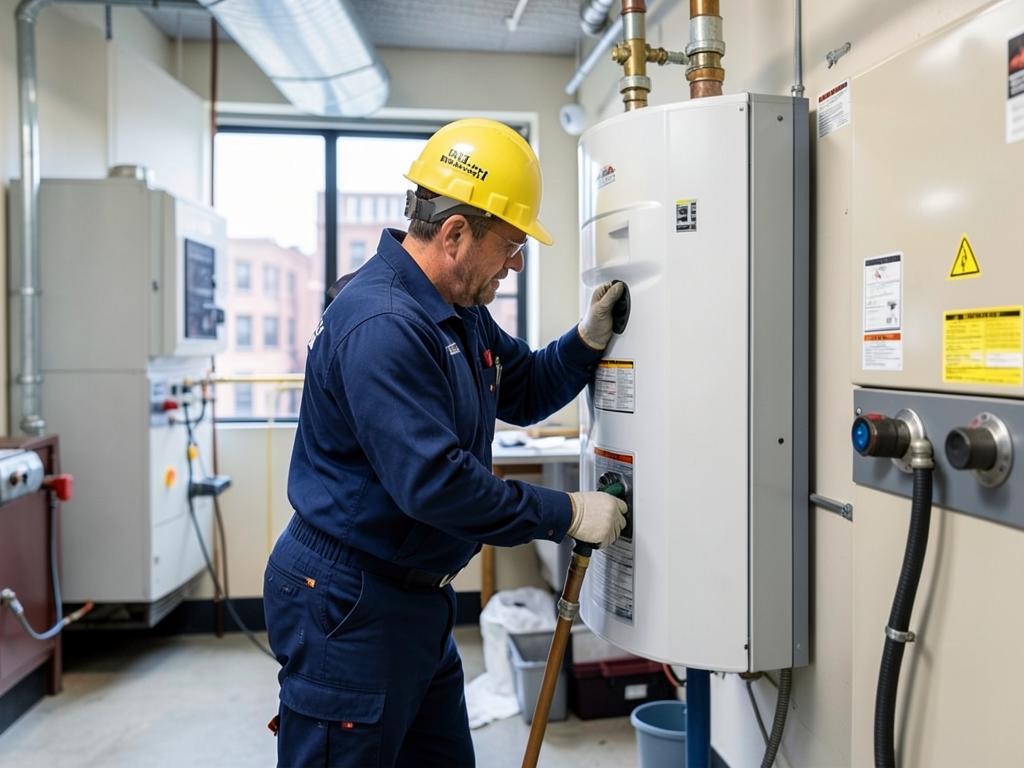
Commercial Plumbing Solutions for Office Buildings in Downtown LA
Downtown Los Angeles demands commercial plumbing systems that handle high-rise pressure, strict code compliance, and 24/7 reliability. Property managers in the Financial District and Arts District face unique challenges with aging infrastructure, high water demand, and strict LADBS regulations. A+ Plus Plumbing delivers specialized solutions for office buildings across DTLA’s 90012, 90013, and 90017 zip codes, ensuring minimal downtime and maximum code compliance. Los Angeles Department of Building and Safety.
Commercial plumbing in Downtown LA requires understanding the specific pressures of high-rise systems, the complexity of historic building retrofitting, and the strict compliance requirements of the Los Angeles Department of Building and Safety. From the Financial District’s modern towers to the Arts District’s converted warehouses, each building presents unique plumbing challenges that demand specialized expertise and equipment. Los Angeles Department of Water and Power.
High-Rise Plumbing System Maintenance and Repair
High-rise office buildings in Downtown LA require specialized plumbing systems that handle vertical water pressure, multiple tenant demands, and complex distribution networks. The Financial District’s towers often exceed 20 stories, creating unique challenges with water pressure regulation and waste removal. Plumbing Glendale.
Commercial high-rise systems need pressure-reducing valves at multiple levels to prevent pipe bursts and ensure consistent water delivery to upper floors. These systems also require regular maintenance of booster pumps, which must maintain adequate pressure across all building levels while meeting California’s Title 24 energy efficiency requirements.. Read more about Fixing Low Water Pressure in Century City High-Rise Condos.
Common high-rise plumbing issues include pressure imbalances causing toilet tank overflows on lower floors while upper floors experience weak water flow. These problems often stem from failing pressure regulators or inadequate pump systems that cannot handle peak demand periods during business hours.
Commercial Water Heater and Boiler Repair Services
Office buildings in Downtown LA require commercial-grade water heaters and boilers that can handle continuous demand from multiple restrooms, break rooms, and specialized facilities. These systems must comply with California’s Title 24 energy efficiency standards while providing reliable hot water for hundreds of employees daily. The Most Reliable Tankless Water Heater Installers in Holmby Hills.
Commercial water heaters in DTLA office buildings typically range from 100 to 500 gallons, with multiple units required for redundancy and consistent supply. These systems need regular maintenance including anode rod replacement, sediment flushing, and temperature-pressure relief valve testing to prevent catastrophic failures.
Boiler systems in older DTLA buildings often require specialized retrofitting to meet current efficiency standards while maintaining historic preservation requirements. This includes installing modern controls, improving insulation, and upgrading combustion systems to reduce energy consumption and emissions.
Backflow Prevention and Annual Testing Compliance
Backflow prevention devices protect the public water supply from contamination in commercial buildings, and Los Angeles County requires annual testing by certified technicians. DTLA office buildings must maintain current backflow prevention certificates to comply with LADWP regulations and avoid costly fines. Los Angeles County Health Department.
Commercial backflow prevention assemblies include reduced pressure principle devices, double-check valve assemblies, and pressure vacuum breakers. Each type serves specific applications based on contamination risk levels and building usage patterns. High-rise buildings often require multiple devices at different pressure zones throughout the structure.
Annual testing involves checking valve operation, measuring pressure differentials, and verifying proper installation according to USC Foundation for Cross-Connection Control and Hydraulic Research standards. Failed devices must be repaired or replaced within 30 days to maintain compliance and water service. Sewer Line Repair Experts for Older Homes in Pasadena.
Hydro Jetting and Main Sewer Line Repair for DTLA Businesses
Commercial sewer lines in Downtown LA face unique challenges from high usage, grease accumulation, and aging infrastructure. Hydro jetting provides the most effective solution for clearing stubborn blockages in office building main lines, using high-pressure water streams up to 4,000 PSI to remove scale, grease, and debris.
DTLA’s historic sewer infrastructure often includes clay pipes dating back to the 1920s, which are susceptible to root intrusion and joint separation. Regular hydro jetting maintenance prevents emergency backups and extends the life of these aging systems while maintaining compliance with Los Angeles County sanitation requirements. Emergency Sump Pump Services for Rainy Seasons in Hancock Park.
Main sewer line repairs in high-rise buildings require specialized equipment and techniques to minimize tenant disruption. Trenchless pipe lining technology allows repairs without extensive excavation, reducing project costs and completion time while maintaining building operations during the repair process.
Grease Trap Installation and Maintenance for DTLA Hospitality
DTLA’s thriving restaurant scene in the Arts District and South Park creates significant grease management requirements for office buildings with food service facilities. Commercial grease traps must comply with Los Angeles County Environmental Health standards and prevent FOG (Fats, Oils, and Grease) from entering the municipal sewer system.
Proper grease trap sizing depends on kitchen equipment, meal volume, and local code requirements. Undersized traps allow grease to escape into sewer lines, while oversized units waste space and increase installation costs. California Plumbing Code requires grease interceptors sized according to fixture unit calculations and local jurisdiction requirements.
Regular grease trap maintenance includes pumping accumulated waste, inspecting baffles and inlet/outlet tees, and verifying proper operation. Most DTLA restaurants require monthly pumping services to maintain compliance with Los Angeles County Health Department regulations and prevent costly sewer backups.
ADA Compliant Plumbing Fixture Installation
Office buildings in Downtown LA must maintain ADA compliant restrooms and plumbing fixtures to meet federal and state accessibility requirements. This includes proper toilet height, grab bar placement, sink clearance, and door hardware that accommodates wheelchair users and individuals with limited mobility.
ADA compliance extends beyond basic fixture installation to include proper pipe clearance, accessible water temperature controls, and emergency shutoff valve placement. Commercial buildings undergoing tenant improvements must ensure all plumbing modifications maintain or improve existing accessibility standards.
California’s Fair Employment and Housing Act often imposes stricter accessibility requirements than federal ADA standards, particularly for buildings constructed after 2000. DTLA property managers must understand these overlapping regulations to avoid compliance violations and potential lawsuits.
Emergency Plumbing Response for Downtown LA Office Buildings
Commercial plumbing emergencies in Downtown LA require immediate response to prevent business interruption and property damage. A+ Plus Plumbing maintains 24/7 emergency crews specifically trained for high-rise building access, security protocols, and rapid diagnostic procedures in dense urban environments.
Emergency response times in the Financial District average 45-60 minutes due to traffic congestion and building security procedures. Our technicians arrive equipped with high-rise plumbing tools, pressure testing equipment, and temporary repair materials to restore service quickly while permanent repairs are scheduled.
Common commercial emergencies include burst pipes in mechanical rooms, sewer backups affecting multiple floors, and water heater failures during peak usage periods. Quick isolation of affected systems and temporary bypass solutions minimize tenant disruption and prevent extensive water damage.
Tenant Improvement Plumbing for Office Build-Outs
DTLA’s dynamic office market requires frequent tenant improvements and build-outs, each presenting unique plumbing challenges. From converting warehouse space in the Arts District to modernizing historic Financial District buildings, commercial plumbing must balance modern functionality with existing infrastructure limitations.
TI plumbing projects involve rerouting existing lines, installing new fixtures, and ensuring compliance with current building codes while maintaining the integrity of original systems. This often requires working within tight ceiling spaces, navigating existing utility runs, and coordinating with other trades to meet aggressive construction schedules.
Successful TI plumbing requires understanding the building’s original construction methods, material limitations, and potential code conflicts. Many DTLA buildings constructed before 1960 contain galvanized steel piping that requires replacement or careful isolation when new systems are installed.
Sewer Camera Inspections for Large-Scale Facilities
Commercial buildings in Downtown LA benefit from regular sewer camera inspections to identify potential problems before they cause emergencies. These inspections use specialized cameras that navigate pipes up to 12 inches in diameter, providing real-time video of pipe conditions, blockages, and structural issues.
Camera inspections reveal problems invisible to traditional diagnostic methods, including pipe corrosion, joint separation, root intrusion, and debris accumulation. This technology allows targeted repairs rather than costly exploratory excavation, saving property managers significant time and money while maintaining building operations.
DTLA’s aging infrastructure often contains undocumented pipe configurations and abandoned lines that complicate plumbing maintenance. Camera inspections create accurate system maps that help technicians understand building plumbing layouts and plan effective maintenance strategies.
Commercial Plumbing Code Compliance in Los Angeles
Commercial plumbing in Downtown LA must comply with multiple overlapping regulations including the California Plumbing Code, Los Angeles Municipal Code, and specific LADBS requirements. These codes govern everything from pipe sizing and material selection to fixture installation and accessibility standards.
Los Angeles County requires commercial plumbing permits for all new installations, major repairs, and system modifications. Permit fees vary by project scope, with high-rise building permits often exceeding $5,000 due to the complexity of inspections and plan reviews required for multi-story structures.
Compliance violations can result in stop-work orders, fines up to $1,000 per day, and mandatory system shutdowns until repairs meet code requirements. Working with licensed contractors who understand DTLA’s specific code requirements prevents these costly delays and ensures smooth project completion.
Water Conservation and Efficiency Upgrades
California’s ongoing drought conditions make water conservation essential for DTLA office buildings. Commercial plumbing upgrades including low-flow fixtures, sensor-operated faucets, and high-efficiency toilets can reduce water consumption by 30-50% while maintaining tenant satisfaction and meeting Los Angeles Department of Water and Power rebate requirements.
Water-efficient plumbing fixtures must balance conservation goals with adequate performance. Low-flow toilets must provide sufficient flushing power while meeting California’s 1.28 gallons per flush standard. Similarly, sensor faucets need proper adjustment to prevent excessive run times while ensuring user convenience.
Commercial buildings can also benefit from greywater recycling systems, rainwater harvesting, and smart irrigation controllers that reduce outdoor water usage. These systems require additional plumbing infrastructure but can significantly reduce water bills and demonstrate environmental responsibility to tenants and stakeholders.
Preventive Maintenance Programs for Office Buildings
Preventive maintenance prevents costly emergency repairs and extends the life of commercial plumbing systems in Downtown LA office buildings. Regular inspections identify developing problems before they cause system failures, while scheduled maintenance keeps equipment operating at peak efficiency.
Commercial maintenance programs typically include quarterly inspections of water heaters, annual backflow testing, biannual grease trap pumping, and monthly drain cleaning for high-traffic areas. These scheduled services prevent emergency calls and reduce overall maintenance costs by addressing problems during normal business hours.
Building management software integration allows property managers to track maintenance schedules, equipment warranties, and repair histories. This data helps optimize maintenance timing, budget for future replacements, and demonstrate due diligence to building owners and tenants.
Specialized Services for Historic DTLA Buildings
DTLA’s historic buildings in the Jewelry District and Bunker Hill present unique plumbing challenges due to original materials, outdated systems, and preservation requirements. These buildings often contain galvanized steel piping, lead solder joints, and cast iron waste lines that require specialized knowledge and careful handling during repairs.
Historic building plumbing requires understanding original construction methods and materials while implementing modern solutions that preserve architectural integrity. This includes using period-appropriate fixtures, maintaining visible piping aesthetics, and ensuring all modifications meet current code requirements without damaging historic elements.
Working in historic buildings often requires additional permits, specialized inspections, and coordination with preservation boards. These projects demand experienced technicians who understand both modern plumbing technology and historic preservation requirements.
Industrial Plumbing for DTLA’s Manufacturing Sector
DTLA’s remaining industrial areas and converted warehouses require specialized industrial plumbing capable of handling chemical waste, high-temperature processes, and heavy-duty equipment. These systems must comply with both standard plumbing codes and specific industry regulations for hazardous material handling.
Industrial plumbing often includes specialized waste treatment systems, chemical-resistant piping, and emergency eyewash stations. These installations require understanding specific industry requirements and ensuring proper containment and treatment of industrial process water before discharge to municipal systems.
Industrial facilities also need robust backflow prevention, often requiring reduced pressure principle assemblies with additional containment measures. Regular testing and maintenance of these critical safety systems prevents environmental contamination and ensures regulatory compliance.
Commercial Plumbing Cost Factors and Budgeting
Commercial plumbing projects in Downtown LA involve multiple cost factors including labor, materials, permits, and building access requirements. High-rise building work typically costs 30-50% more than similar work in low-rise buildings due to equipment needs, safety requirements, and logistical challenges.
Material costs vary significantly based on building age and requirements. Historic buildings may require specialty fixtures and materials that cost 2-3 times standard commercial products. Similarly, high-rise buildings need specialized pressure-rated materials that meet strict code requirements for vertical distribution.
Permit costs in Los Angeles County range from $500 for simple repairs to over $10,000 for major system upgrades in high-rise buildings. These fees include plan review, inspections, and compliance verification by multiple agencies including LADBS, LADWP, and the County Health Department.
Technology Integration in Modern Commercial Plumbing
Modern commercial plumbing systems integrate smart technology for monitoring, control, and efficiency optimization. Building management systems can track water usage, detect leaks, and automatically shut off water supply when problems are detected, preventing extensive damage and reducing water waste.
Smart water meters provide real-time usage data, allowing property managers to identify consumption patterns, detect anomalies, and implement conservation measures. These systems can alert management to potential problems before tenants notice issues, enabling proactive maintenance and repairs.
Leak detection technology has advanced significantly, with acoustic sensors and thermal imaging capable of locating hidden leaks within inches of their source. These tools reduce repair time and minimize damage by allowing targeted repairs rather than extensive demolition to locate problems. Expert Leak Detection Services to Save Your Venice Beach Property.
Environmental Compliance and Green Building Standards
Commercial buildings in Downtown LA increasingly pursue LEED certification and other green building standards, requiring specialized plumbing systems that exceed standard code requirements. These systems include water-efficient fixtures, rainwater harvesting, greywater recycling, and innovative waste treatment technologies.
LEED plumbing requirements focus on water conservation, energy efficiency, and sustainable material selection. This includes using low-flow fixtures that meet strict performance standards, selecting recycled content piping materials, and implementing water recycling systems that reduce municipal water consumption.
Environmental compliance extends beyond building standards to include proper disposal of construction waste, recycling of old fixtures and piping, and minimizing environmental impact during construction and demolition activities.
Commercial Plumbing Safety and Risk Management
Commercial plumbing work in Downtown LA requires strict safety protocols to protect workers, tenants, and building occupants. This includes proper confined space entry procedures, fall protection for high-rise work, and hazardous material handling protocols for industrial facilities.
Risk management involves proper insurance coverage, worker safety training, and compliance with OSHA regulations. Commercial plumbing contractors must maintain adequate liability insurance, workers’ compensation coverage, and specific endorsements for high-rise and industrial work.
Building owners and property managers should verify contractor insurance, licensing, and safety records before allowing work to proceed. This due diligence protects against liability claims and ensures work is performed by qualified professionals who understand commercial plumbing safety requirements.
Choosing the Right Commercial Plumbing Contractor
Selecting a commercial plumbing contractor for Downtown LA office buildings requires evaluating experience, licensing, insurance, and specific expertise in high-rise and commercial systems. Not all plumbing contractors have the equipment, training, or insurance coverage necessary for commercial building work.
Commercial plumbing requires C-36 California contractor’s license with specific endorsements for high-rise work. Contractors should maintain at least $1 million general liability insurance, workers’ compensation coverage, and additional coverage for high-rise building access and industrial facilities.
Experience matters significantly in commercial plumbing. Contractors should provide references from similar projects, demonstrate understanding of local building codes and permit requirements, and show capability to handle the specific challenges of your building type and location.
Frequently Asked Questions
How quickly can you respond to commercial plumbing emergencies in Downtown LA?
A+ Plus Plumbing maintains 24/7 emergency response teams specifically trained for Downtown LA’s unique challenges. Our average response time is 45-60 minutes for the Financial District and Arts District, accounting for traffic and building security procedures. We arrive equipped to diagnose and provide temporary solutions while permanent repairs are scheduled.
What commercial plumbing permits are required in Los Angeles County?
Los Angeles County requires permits for all new commercial plumbing installations, major repairs, and system modifications. Permit requirements vary by project scope and building type, with high-rise buildings requiring additional inspections and plan reviews. Permit fees range from $500 to over $10,000 depending on project complexity and building classification.
Do you service all areas of Downtown LA including the Arts District and Financial District?
Yes, A+ Plus Plumbing serves all Downtown LA areas including the Financial District, Arts District, Bunker Hill, South Park, Little Tokyo, and the Jewelry District. We understand the unique plumbing challenges of each area, from high-rise towers to historic warehouse conversions, and maintain the equipment and expertise to handle all commercial plumbing needs.
What is the cost difference between residential and commercial plumbing services?
Commercial plumbing typically costs 30-50% more than residential work due to higher material requirements, specialized equipment, permit fees, and insurance costs. Commercial projects also require larger crews, more extensive testing, and compliance with stricter building codes and inspection requirements. However, commercial plumbing provides greater reliability and handles higher usage demands.
How often should commercial plumbing systems be inspected?
Commercial plumbing systems should undergo quarterly inspections for critical components like water heaters and backflow preventers, with annual comprehensive system evaluations. High-traffic buildings may require monthly drain cleaning and more frequent inspections of high-use fixtures. Preventive maintenance schedules vary based on building age, usage patterns, and local code requirements.
Conclusion
Commercial plumbing in Downtown LA requires specialized expertise, proper licensing, and understanding of the unique challenges presented by high-rise buildings, historic structures, and strict code compliance requirements. From emergency response to preventive maintenance, A+ Plus Plumbing delivers reliable solutions that keep your office building operating smoothly while protecting your investment.
Don’t let plumbing problems disrupt your business operations. Whether you need emergency repairs, routine maintenance, or major system upgrades, our experienced technicians understand the specific requirements of Downtown LA’s commercial buildings. We provide 24/7 service, complete code compliance, and guaranteed workmanship backed by our commercial plumbing expertise.
Call (213) 449-7577 today to schedule your commercial plumbing inspection or emergency service. Our team is ready to handle any plumbing challenge in your Downtown LA office building, ensuring minimal downtime and maximum reliability for your tenants and operations.
Pick up the phone and call (213) 449-7577 before the next plumbing emergency strikes. Your business deserves reliable, professional commercial plumbing service from technicians who understand Downtown LA’s unique requirements.
{
“@context”: “https://schema.org”,
“@type”: “BlogPosting”,
“headline”: “Commercial Plumbing Solutions for Office Buildings in Downtown LA”,
“description”: “Expert commercial plumbing services for Downtown LA office buildings. 24/7 emergency repairs, backflow testing, and code compliance. Call (213) 449-7577 for immediate service.”,
“wordCount”: 3061,
“datePublished”: “2026-03-02T12:09:00.000Z”,
“dateModified”: “2026-03-02T12:09:00.000Z”,
“inLanguage”: “en-US”,
“mainEntityOfPage”: {
“@type”: “WebPage”,
“@id”: “https://aplusplumbinglosangeles.com”
},
“publisher”: {
“@type”: “LocalBusiness”,
“name”: “A Plus Plumbing Los Angeles”,
“url”: “https://aplusplumbinglosangeles.com”
},
“author”: {
“@type”: “Organization”,
“name”: “A Plus Plumbing Los Angeles”,
“url”: “https://aplusplumbinglosangeles.com”
},
“image”: {
“@type”: “ImageObject”,
“url”: “https://aplusplumbinglosangeles.com/wp-content/uploads/2026/03/commercial-plumbing-solutions-for-office-buildings-1.png”
}
}
{
“@context”: “https://schema.org”,
“@type”: “Plumber”,
“name”: “A Plus Plumbing Los Angeles”,
“url”: “https://aplusplumbinglosangeles.com”,
“address”: {
“@type”: “PostalAddress”,
“addressLocality”: “Los Angeles”
},
“areaServed”: {
“@type”: “City”,
“name”: “Los Angeles”
}
}
{
“@context”: “https://schema.org”,
“@type”: “FAQPage”,
“mainEntity”: [
{
“@type”: “Question”,
“name”: “How quickly can you respond to commercial plumbing emergencies in Downtown LA?”,
“acceptedAnswer”: {
“@type”: “Answer”,
“text”: “A+ Plus Plumbing maintains 24/7 emergency response teams specifically trained for Downtown LA’s unique challenges. Our average response time is 45-60 minutes for the Financial District and Arts District, accounting for traffic and building security procedures. We arrive equipped to diagnose and provide temporary solutions while permanent repairs are scheduled.”
}
},
{
“@type”: “Question”,
“name”: “What commercial plumbing permits are required in Los Angeles County?”,
“acceptedAnswer”: {
“@type”: “Answer”,
“text”: “Los Angeles County requires permits for all new commercial plumbing installations, major repairs, and system modifications. Permit requirements vary by project scope and building type, with high-rise buildings requiring additional inspections and plan reviews. Permit fees range from $500 to over $10,000 depending on project complexity and building classification.”
}
},
{
“@type”: “Question”,
“name”: “Do you service all areas of Downtown LA including the Arts District and Financial District?”,
“acceptedAnswer”: {
“@type”: “Answer”,
“text”: “Yes, A+ Plus Plumbing serves all Downtown LA areas including the Financial District, Arts District, Bunker Hill, South Park, Little Tokyo, and the Jewelry District. We understand the unique plumbing challenges of each area, from high-rise towers to historic warehouse conversions, and maintain the equipment and expertise to handle all commercial plumbing needs.”
}
},
{
“@type”: “Question”,
“name”: “What is the cost difference between residential and commercial plumbing services?”,
“acceptedAnswer”: {
“@type”: “Answer”,
“text”: “Commercial plumbing typically costs 30-50% more than residential work due to higher material requirements, specialized equipment, permit fees, and insurance costs. Commercial projects also require larger crews, more extensive testing, and compliance with stricter building codes and inspection requirements. However, commercial plumbing provides greater reliability and handles higher usage demands.”
}
},
{
“@type”: “Question”,
“name”: “How often should commercial plumbing systems be inspected?”,
“acceptedAnswer”: {
“@type”: “Answer”,
“text”: “Commercial plumbing systems should undergo quarterly inspections for critical components like water heaters and backflow preventers, with annual comprehensive system evaluations. High-traffic buildings may require monthly drain cleaning and more frequent inspections of high-use fixtures. Preventive maintenance schedules vary based on building age, usage patterns, and local code requirements.”
}
}
]
}
{
“@context”: “https://schema.org”,
“@type”: “BreadcrumbList”,
“itemListElement”: [
{
“@type”: “ListItem”,
“position”: 1,
“name”: “Home”,
“item”: “https://aplusplumbinglosangeles.com”
},
{
“@type”: “ListItem”,
“position”: 2,
“name”: “Blog”,
“item”: “https://aplusplumbinglosangeles.com/blog”
},
{
“@type”: “ListItem”,
“position”: 3,
“name”: “Commercial Plumbing Solutions for Office Buildings in Downtown LA”
}
]
}
{
“@context”: “https://schema.org”,
“@type”: “Service”,
“serviceType”: “Plumbing”,
“provider”: {
“@type”: “LocalBusiness”,
“name”: “A Plus Plumbing Los Angeles”,
“url”: “https://aplusplumbinglosangeles.com”
},
“areaServed”: {
“@type”: “City”,
“name”: “Los Angeles”
},
“description”: “Expert commercial plumbing services for Downtown LA office buildings. 24/7 emergency repairs, backflow testing, and code compliance. Call (213) 449-7577 for immediate service.”
}