
Protecting Your Altadena Outdoor Faucets From the Occasional Winter Freeze
Altadena sits at a higher elevation than the LA basin, which means occasional winter nights can drop below freezing. While most Los Angeles homes aren’t built for extreme cold, a sudden freeze can cause outdoor faucets to burst, leading to costly water damage. This guide walks you through how to protect your outdoor plumbing, recognize the warning signs of frozen pipes, and take immediate action if a freeze hits your Altadena home. Plumbing Glendale.
Why Altadena Homes Are Vulnerable to Outdoor Faucet Freezing
Unlike homes in colder climates, most Altadena properties have outdoor faucets installed with minimal insulation. The region’s Mediterranean climate means builders rarely bury pipes deep or use frost-proof spigots. When a rare cold snap hits, these exposed fixtures can freeze within hours.
Altadena’s elevation (around 1,300 feet) and proximity to the San Gabriel Mountains create microclimates where temperatures can drop 10-15 degrees lower than downtown LA. This elevation factor, combined with older homes in neighborhoods like Woodbury and Mariposa, increases freeze risk.
Common vulnerabilities in Altadena include:
- Exposed copper or galvanized pipes running along exterior walls
- Hose bibs without anti-siphon vacuum breakers
- Irrigation systems with above-ground valves
- Pool equipment with minimal freeze protection
According to the Altadena Weather Station, the area experiences an average of 2-3 nights per year where temperatures fall below 32°F. While brief, these freezes can cause significant damage if pipes aren’t prepared.
How to Locate Your Main Water Shut-Off Valve in Altadena Homes
Before a freeze hits, knowing where your main water shut-off valve is located can save you from major water damage. In Altadena, valve locations vary by home age and construction type.
For homes built before 1950 in the original Altadena tract, the main valve is often located in a buried box near the street curb. Look for a rectangular metal or plastic cover marked “water.” You’ll need a curb key to operate these valves.
Post-1960s homes typically have the main shut-off inside the house, often in a garage, laundry room, or near the water heater. It’s usually a round wheel valve or a lever-style ball valve.
Slab-foundation homes (common in Altadena’s mid-century developments) may have the valve in a wall cavity or under a kitchen sink. If you can’t locate it, check your property inspection report or call a local plumber.
Pro tip: Test your valve before you need it. Turn it off and verify that water stops flowing to all fixtures. A stuck valve during an emergency can cost you valuable minutes. Emergency Sump Pump Services for Rainy Seasons in Hancock Park.
Emergency Steps When Pipes Are Already Frozen
If you wake up to frozen outdoor faucets, quick action can prevent bursting. Here’s what to do immediately:
- Shut Off Main Water Supply
Turn the main valve clockwise to stop water flow. This prevents flooding if a pipe bursts while thawing.
- Open Faucet Handles
Open both hot and cold handles on affected faucets. This allows water to escape when it begins to thaw.
- Apply Gentle Heat
Use a hair dryer on low setting, moving it back and forth along the frozen section. Never use an open flame or propane torch.
- Check for Leaks
Once water flows, inspect pipes for cracks or bulges. Even a small crack can leak hundreds of gallons.
Never use boiling water or a propane torch to thaw pipes. The rapid temperature change can crack copper pipes or cause steam explosions. If you smell gas or see water spraying, evacuate immediately and call emergency services.
Safe Thawing Techniques for Exposed Copper Pipes
Copper pipes are common in Altadena’s older homes, and they require specific thawing techniques to avoid damage. Here’s how to safely thaw exposed copper pipes:
Start by identifying the frozen section. Look for pipes that feel extremely cold to touch or show frost accumulation. Use an infrared thermometer if available – frozen sections will read 32°F or below.
Apply heat using a hair dryer on medium heat, keeping it 6-8 inches from the pipe surface. Move the dryer slowly along the frozen section, working from the faucet end toward the frozen area. This allows steam to escape through the open faucet.
Alternative safe heat sources include:
- Heat lamp with 250-watt bulb (keep 12 inches away)
- Electric heating pad wrapped around the pipe
- Portable space heater directed at the area (never leave unattended)
Time required varies by pipe diameter and ice thickness. A ½-inch copper pipe might thaw in 15-20 minutes, while a 1-inch pipe could take 30-45 minutes. Never rush the process – patience prevents costly damage.
Protecting Irrigation and Sprinkler Systems from Frost
Altadena’s larger properties often have extensive irrigation systems that are particularly vulnerable to freezing. Here’s how to protect your sprinklers:
Manual drain valves are typically located at the lowest points of your irrigation system. Open these valves to allow water to drain completely. If your system lacks manual drains, you may need to use compressed air to blow out the lines.
For above-ground valves and backflow preventers, use foam insulation covers or wrap them in old towels covered with plastic bags. Secure with duct tape to keep moisture out.
Programming your irrigation controller for “seasonal adjust” mode reduces the number of watering cycles during winter months. This not only conserves water but also reduces the amount of water sitting in pipes during freeze events.
Consider installing freeze sensors that automatically shut off your system when temperatures approach freezing. These devices can prevent thousands of dollars in damage from a single freeze event.
Pool Equipment Freeze Protection Strategies
Altadena homes with pools face additional freeze risks with equipment like pumps, filters, and heaters. Here’s how to protect your pool equipment:
Pool pumps should run continuously when temperatures approach freezing. Moving water freezes at lower temperatures than standing water. If your pump has a freeze protection setting, ensure it’s activated.
Drain plugs on pool filters should be removed during extended freezes. This allows water to expand without cracking the filter housing. Store plugs in the pump basket so they don’t get lost.
Above-ground plumbing to and from pool equipment should be wrapped with foam insulation tubes. Secure with zip ties or duct tape, ensuring no gaps where cold air can reach the pipes.
For heat pumps and gas heaters, turn off the power at the breaker before draining. Water left in heat exchanger coils can freeze and crack the internal components, leading to expensive repairs. Sewer Line Repair Experts for Older Homes in Pasadena.
Insulating Outdoor Faucets and Hose Bibbs
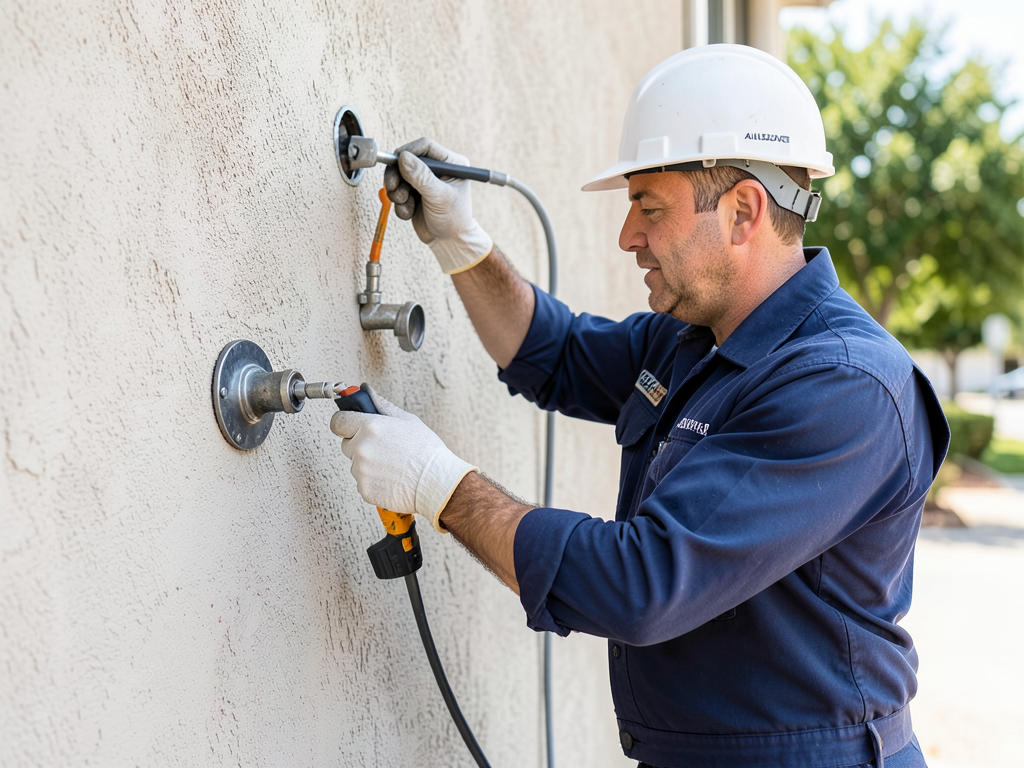
Proper insulation is your first defense against frozen outdoor faucets. Here are the most effective insulation methods for Altadena homes:
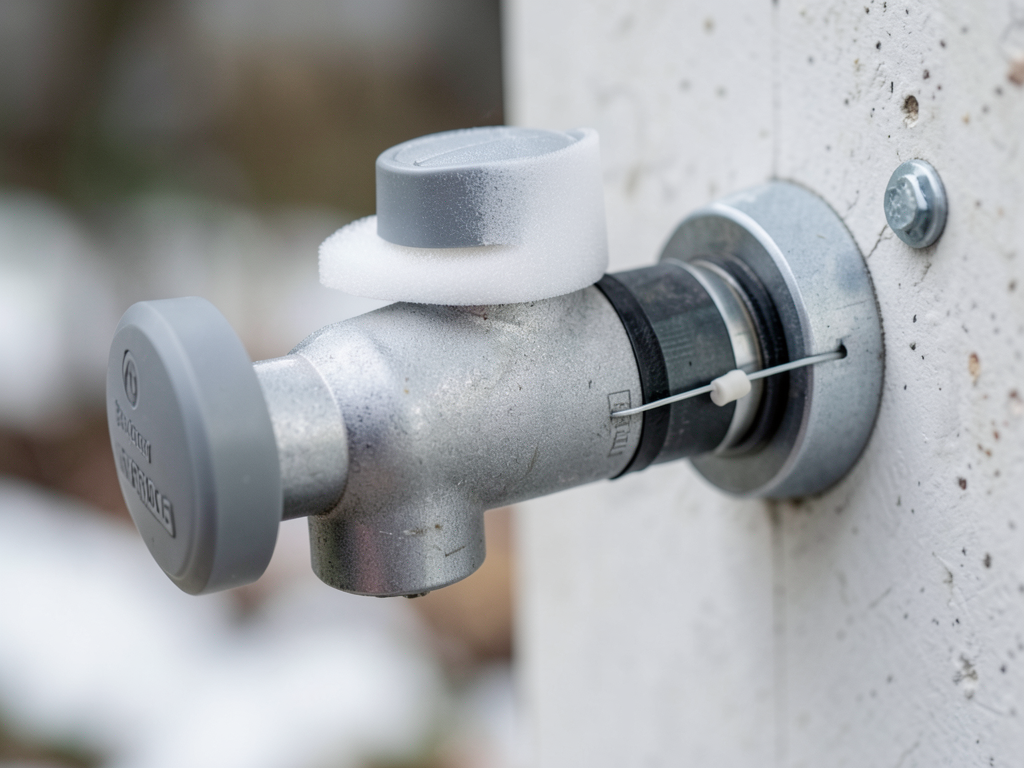
Faucet covers are inexpensive and effective. These dome-shaped foam covers slip over the entire faucet and create an air pocket that stays above freezing. Install them in late November and remove in March.
For extra protection, wrap the faucet with pipe insulation foam before adding the cover. Cut the foam to fit around the handle and secure with duct tape. This double-layer approach works well for faucets on north-facing walls that get no sun.
Heat tape can be used for faucets that have frozen repeatedly. This electrical tape warms when plugged in, keeping pipes above freezing. Install according to manufacturer instructions and use a thermostat-controlled model to save energy.
Consider replacing standard hose bibs with frost-proof models. These have the valve mechanism located inside the home’s heated space, with only the handle extending outside. Installation requires soldering but provides long-term protection.
Recognizing Signs of a Burst Pipe After a Freeze
Sometimes pipes burst without obvious signs until the thaw begins. Here’s what to watch for in the days following a freeze:
Unusual sounds are often the first indicator. Listen for hissing, dripping, or rushing water sounds behind walls or in ceilings. These sounds may be intermittent as ice blocks and unblocks water flow.
Visual signs include water stains on ceilings or walls, especially near bathrooms or kitchens. Look for bubbling paint or wallpaper, which indicates moisture behind the surface.
Check your water meter after shutting off all fixtures. If the meter continues to run, you have a hidden leak somewhere in your plumbing system.
Outside, look for unexplained wet spots in your yard, particularly if you haven’t run sprinklers recently. A burst irrigation line can waste thousands of gallons before becoming visible. Wet Spots in Yard.
Decreased water pressure throughout your home can indicate a major leak. If pressure drops suddenly and doesn’t improve, shut off your main valve and call a professional immediately.
Preventative Measures for the Next Cold Snap
Preparation is key to avoiding freeze damage. Here’s a comprehensive plan for Altadena homeowners:
Before winter arrives, disconnect all garden hoses from outdoor faucets. Hoses trap water against the faucet, increasing freeze risk. Drain hoses completely and store them indoors.
Install foam pipe insulation on all exposed pipes in unheated areas like attics, crawl spaces, and garages. Use insulation rated for your local climate – Altadena needs insulation rated for at least 20°F.
Seal gaps where cold air can reach pipes. Use caulk or expanding foam around pipe penetrations through exterior walls. Pay special attention to areas where pipes enter the home near the foundation.
Consider installing a whole-house water alarm system. These sensors detect leaks anywhere in your plumbing system and can send alerts to your phone, allowing you to respond quickly even when away from home.
Keep your home’s thermostat set to at least 55°F, even when away. This maintains enough heat to prevent interior pipes from freezing. Open cabinet doors under sinks to allow warm air circulation around plumbing.
When to Call a Professional Altadena Plumber
While many freeze prevention steps are DIY-friendly, certain situations require professional help. Here’s when to call a licensed Altadena plumber:
If you discover a burst pipe, shut off your main water valve immediately and call a professional. Burst pipes often require cutting into walls or floors to access and repair, which requires proper tools and expertise. Expert Leak Detection Services to Save Your Venice Beach Property.
For homes with complex plumbing systems, including radiant heating or multiple water heaters, professional assessment ensures all vulnerable points are protected. These systems have specific freeze protection requirements that vary by manufacturer.
If you’ve experienced repeated freezing despite taking precautions, a plumber can identify underlying issues like poor insulation, inadequate pipe depth, or problematic pipe routing. They may recommend re-piping sections or installing heat cables.
Professional plumbers can also test your water pressure and inspect for existing damage that might worsen during a freeze. They use moisture meters and thermal imaging to detect hidden problems before they cause emergencies.
For commercial properties or multi-unit buildings in Altadena, professional freeze protection is essential. These buildings have more complex plumbing systems where a single burst pipe can affect multiple tenants.
Antelope Valley vs. Basin Temperature Fluctuations
Understanding local temperature patterns helps you prepare effectively. Altadena experiences different freeze risks than other LA County areas:
The Antelope Valley (Palmdale, Lancaster) regularly sees temperatures 15-20 degrees colder than Altadena due to its inland desert location and higher elevation. Homes there need more robust freeze protection.
Coastal areas like Santa Monica rarely experience freezing temperatures due to the ocean’s moderating effect. Their freeze protection needs are minimal compared to Altadena.
The San Fernando Valley has variable conditions – valley floors may stay above freezing while foothills areas experience colder temperatures. Altadena’s position on the mountain interface makes it particularly susceptible to rapid temperature drops.
Altadena typically experiences its coldest temperatures between 2 AM and 7 AM, when radiational cooling is strongest. This timing means pipes often freeze overnight, with damage discovered the next morning.
Wind chill can make temperatures feel 5-10 degrees colder than actual readings. A 35°F night with 15 mph winds creates conditions similar to a calm 25°F night, increasing freeze risk significantly.
Local Building Codes and Freeze Protection Requirements
Los Angeles County building codes address freeze protection, though enforcement varies by jurisdiction. According to the 2019 California Plumbing Code (Section 609.4), outdoor water pipes must be protected from freezing where subject to temperatures below 32°F. 2019 California Plumbing Code.
For new construction in Altadena, this typically means burying water supply pipes at least 12 inches below grade or installing frost-proof hose bibs. Existing homes aren’t required to retrofit, but violations can be cited during remodeling projects.
The California Energy Commission’s Title 24 energy efficiency standards encourage insulation of hot water pipes, which also provides freeze protection benefits. While not mandatory for cold water pipes, this dual-purpose approach is becoming more common in Altadena renovations. California Title 24 Energy Standards.
Local water districts may have additional requirements during extreme weather events. The Altadena County Water District has been known to issue freeze advisories with specific recommendations for outdoor plumbing protection.
Insurance companies often require proof of reasonable freeze protection measures. Failure to maintain your plumbing system according to local standards could result in claim denials for freeze-related damage.
Cost Comparison: Prevention vs. Emergency Repair
Understanding the financial impact helps justify prevention investments. Here’s a comparison of typical costs:
| Service/Item | Typical Cost Range | Notes |
|---|---|---|
| Faucet insulation covers | $5-15 each | Reusable for multiple seasons |
| Foam pipe insulation | $1-3 per linear foot | Self-sealing types easiest to install |
| Frost-proof hose bib installation | $150-300 each | Includes parts and labor |
| Burst pipe repair (exposed) | $200-500 | Simple wall access |
| Burst pipe repair (hidden) | $500-2,000+ | Requires wall demolition |
| Water damage restoration | $2,000-10,000+ | Depends on extent of damage |
| Mold remediation | $500-6,000+ | Common after water damage |
The math is clear: spending $50-100 on prevention can save you thousands in emergency repairs and water damage restoration.
Emergency Contacts for Altadena Freeze Events
Keep these numbers handy during freeze warnings:
For immediate plumbing emergencies in Altadena, call (213) 449-7577. Our licensed plumbers are available 24/7 for burst pipes, major leaks, and other freeze-related emergencies.
Altadena County Water District: (626) 798-3652 for water main breaks or service interruptions affecting your neighborhood.
Los Angeles County Department of Public Works: (626) 458-4357 for road flooding from burst water mains or storm drain issues.
Emergency services: 911 for gas leaks, electrical hazards, or situations threatening life or property.
Store these numbers in your phone and post them near your main water shut-off valve for quick access during emergencies.
Creating Your Altadena Freeze Protection Plan
Don’t wait for the next cold snap to prepare. Create a comprehensive freeze protection plan for your Altadena home:
Start with an inspection of all outdoor plumbing. Identify vulnerable points like exposed pipes, uninsulated faucets, and above-ground irrigation components. Take photos to document current conditions.
Make a seasonal checklist covering fall preparation, winter monitoring, and spring inspection. Include specific dates for tasks like installing insulation covers and removing them in spring.
Designate a responsible person for freeze response. If you travel frequently, arrange with a neighbor or property manager to check your home during freeze warnings.
Keep supplies on hand: faucet covers, foam insulation, heat tape, and basic plumbing repair materials. Having these ready saves precious time when temperatures drop unexpectedly.
Document your plumbing system layout, including the location of your main shut-off valve and any isolation valves. Share this information with family members or tenants who might need to respond to emergencies.
Conclusion: Stay Ahead of the Freeze
Altadena’s occasional winter freezes don’t have to spell disaster for your outdoor plumbing. With proper preparation, quick response to early warning signs, and professional help when needed, you can protect your home from costly freeze damage.
Remember that most freeze damage is preventable with simple, inexpensive measures. The peace of mind from knowing your plumbing is protected is worth far more than the cost of prevention.
Don’t wait until the next cold snap hits. Take action today to protect your Altadena home’s outdoor plumbing. If you need professional assistance or have questions about your specific situation, call (213) 449-7577. Our experienced Altadena plumbers are ready to help you prepare for whatever winter brings.
Frequently Asked Questions
At what temperature should I start worrying about my outdoor faucets freezing?
Outdoor faucets begin to freeze when temperatures drop to 32°F or below, but wind and exposure can cause freezing at slightly higher temperatures. In Altadena, start freeze preparations when forecasts predict temperatures below 35°F, as local conditions often result in lower actual temperatures than predicted.
How long does it take for outdoor pipes to freeze?
Exposed pipes can freeze in as little as 3-6 hours when temperatures remain below 20°F. Well-insulated pipes in protected areas may take 12-24 hours to freeze. Wind significantly accelerates freezing – a 35°F night with strong winds can freeze pipes faster than a calm 25°F night.
Should I let my outdoor faucets drip during a freeze?
Yes, a slow drip (about one drop per second) can prevent freezing by keeping water moving. However, this wastes water and may not be necessary if you’ve properly insulated your faucets. Use dripping as a backup measure when you can’t implement other protection methods.
Can PEX pipes freeze and burst like copper pipes?
PEX pipes are more freeze-resistant than copper because they can expand slightly without breaking. However, they can still burst if ice forms and has nowhere to expand. PEX typically withstands freezing better but isn’t immune to freeze damage, especially at fittings and connections.
How do I know if my hose bib is frost-proof?
Frost-proof hose bibs have a long stem that places the actual valve inside your home’s heated space, with only the handle extending outside. They often have a slight downward angle to allow water to drain when shut off. If you’re unsure, have a plumber inspect your outdoor faucets.
What should I do if I discover a frozen pipe but no burst?
Shut off the main water supply, then slowly thaw the pipe using gentle heat like a hair dryer. Never use open flames. Once thawed, inspect for cracks before turning water back on. If you’re unsure about the pipe’s condition, call a professional to inspect it before restoring water service.
Are underground irrigation pipes at risk of freezing?
Underground pipes buried below the frost line (typically 12+ inches in Altadena) are generally safe from freezing. However, above-ground valves, backflow preventers, and the first few feet of pipe where it exits your home are vulnerable. Focus protection efforts on these exposed components.
How often should I replace outdoor faucet insulation?
Inspect insulation covers annually before winter. Replace them if they show cracks, compression, or water damage. High-quality foam covers typically last 3-5 years with proper care. Heat tape should be replaced according to manufacturer recommendations, usually every 3-5 years depending on usage.
Will homeowners insurance cover freeze damage?
Most standard homeowners policies cover sudden and accidental freeze damage, but may exclude damage from neglect or lack of maintenance. Document your freeze prevention efforts and respond quickly to problems. Some policies require you to maintain heat at specific temperatures when away during winter months.
Can I install freeze protection myself or should I hire a professional?
Basic insulation and faucet covers are DIY-friendly projects. However, installing frost-proof hose bibs, heat tape, or complex freeze protection systems requires plumbing expertise. If you’re unsure about your home’s plumbing layout or have had repeated freezing issues, professional assessment is worthwhile.
Call (213) 449-7577 today to schedule your Altadena freeze protection inspection. Don’t wait until the next cold snap – protect your home now and avoid costly emergency repairs later.
{
“@context”: “https://schema.org”,
“@type”: “BlogPosting”,
“headline”: “Protecting Your Altadena Outdoor Faucets From the Occasional Winter Freeze”,
“description”: “Learn how to protect your Altadena outdoor faucets from rare but damaging winter freezes with expert tips on insulation, drainage, and emergency thawing.”,
“wordCount”: 3233,
“datePublished”: “2026-04-05T12:47:00.000Z”,
“dateModified”: “2026-04-05T12:47:00.000Z”,
“inLanguage”: “en-US”,
“mainEntityOfPage”: {
“@type”: “WebPage”,
“@id”: “https://aplusplumbinglosangeles.com”
},
“publisher”: {
“@type”: “LocalBusiness”,
“name”: “A Plus Plumbing Los Angeles”,
“url”: “https://aplusplumbinglosangeles.com”
},
“author”: {
“@type”: “Organization”,
“name”: “A Plus Plumbing Los Angeles”,
“url”: “https://aplusplumbinglosangeles.com”
},
“image”: {
“@type”: “ImageObject”,
“url”: “https://aplusplumbinglosangeles.com/wp-content/uploads/2026/03/protecting-your-altadena-outdoor-faucets-from-the-1.png”
}
}
{
“@context”: “https://schema.org”,
“@type”: “Plumber”,
“name”: “A Plus Plumbing Los Angeles”,
“url”: “https://aplusplumbinglosangeles.com”,
“address”: {
“@type”: “PostalAddress”,
“addressLocality”: “Los Angeles”
},
“areaServed”: {
“@type”: “City”,
“name”: “Los Angeles”
}
}
{
“@context”: “https://schema.org”,
“@type”: “FAQPage”,
“mainEntity”: [
{
“@type”: “Question”,
“name”: “At what temperature should I start worrying about my outdoor faucets freezing?”,
“acceptedAnswer”: {
“@type”: “Answer”,
“text”: “Outdoor faucets begin to freeze when temperatures drop to 32°F or below, but wind and exposure can cause freezing at slightly higher temperatures. In Altadena, start freeze preparations when forecasts predict temperatures below 35°F, as local conditions often result in lower actual temperatures than predicted.”
}
},
{
“@type”: “Question”,
“name”: “How long does it take for outdoor pipes to freeze?”,
“acceptedAnswer”: {
“@type”: “Answer”,
“text”: “Exposed pipes can freeze in as little as 3-6 hours when temperatures remain below 20°F. Well-insulated pipes in protected areas may take 12-24 hours to freeze. Wind significantly accelerates freezing – a 35°F night with strong winds can freeze pipes faster than a calm 25°F night.”
}
},
{
“@type”: “Question”,
“name”: “Should I let my outdoor faucets drip during a freeze?”,
“acceptedAnswer”: {
“@type”: “Answer”,
“text”: “Yes, a slow drip (about one drop per second) can prevent freezing by keeping water moving. However, this wastes water and may not be necessary if you’ve properly insulated your faucets. Use dripping as a backup measure when you can’t implement other protection methods.”
}
},
{
“@type”: “Question”,
“name”: “How do I know if my hose bib is frost-proof?”,
“acceptedAnswer”: {
“@type”: “Answer”,
“text”: “Frost-proof hose bibs have a long stem that places the actual valve inside your home’s heated space, with only the handle extending outside. They often have a slight downward angle to allow water to drain when shut off. If you’re unsure, have a plumber inspect your outdoor faucets.”
}
},
{
“@type”: “Question”,
“name”: “What should I do if I discover a frozen pipe but no burst?”,
“acceptedAnswer”: {
“@type”: “Answer”,
“text”: “Shut off the main water supply, then slowly thaw the pipe using gentle heat like a hair dryer. Never use open flames. Once thawed, inspect for cracks before turning water back on. If you’re unsure about the pipe’s condition, call a professional to inspect it before restoring water service.”
}
},
{
“@type”: “Question”,
“name”: “Are underground irrigation pipes at risk of freezing?”,
“acceptedAnswer”: {
“@type”: “Answer”,
“text”: “Underground pipes buried below the frost line (typically 12+ inches in Altadena) are generally safe from freezing. However, above-ground valves, backflow preventers, and the first few feet of pipe where it exits your home are vulnerable. Focus protection efforts on these exposed components.”
}
},
{
“@type”: “Question”,
“name”: “How often should I replace outdoor faucet insulation?”,
“acceptedAnswer”: {
“@type”: “Answer”,
“text”: “Inspect insulation covers annually before winter. Replace them if they show cracks, compression, or water damage. High-quality foam covers typically last 3-5 years with proper care. Heat tape should be replaced according to manufacturer recommendations, usually every 3-5 years depending on usage.”
}
},
{
“@type”: “Question”,
“name”: “Will homeowners insurance cover freeze damage?”,
“acceptedAnswer”: {
“@type”: “Answer”,
“text”: “Most standard homeowners policies cover sudden and accidental freeze damage, but may exclude damage from neglect or lack of maintenance. Document your freeze prevention efforts and respond quickly to problems. Some policies require you to maintain heat at specific temperatures when away during winter months.”
}
},
{
“@type”: “Question”,
“name”: “Can I install freeze protection myself or should I hire a professional?”,
“acceptedAnswer”: {
“@type”: “Answer”,
“text”: “Basic insulation and faucet covers are DIY-friendly projects. However, installing frost-proof hose bibs, heat tape, or complex freeze protection systems requires plumbing expertise. If you’re unsure about your home’s plumbing layout or have had repeated freezing issues, professional assessment is worthwhile.”
}
}
]
}
{
“@context”: “https://schema.org”,
“@type”: “HowTo”,
“name”: “Emergency Frozen Pipe Response”,
“step”: [
{
“@type”: “HowToStep”,
“position”: 1,
“name”: “Shut Off Main Water Supply”,
“text”: “Turn the main valve clockwise to stop water flow. This prevents flooding if a pipe bursts while thawing.”
},
{
“@type”: “HowToStep”,
“position”: 2,
“name”: “Open Faucet Handles”,
“text”: “Open both hot and cold handles on affected faucets. This allows water to escape when it begins to thaw.”
},
{
“@type”: “HowToStep”,
“position”: 3,
“name”: “Apply Gentle Heat”,
“text”: “Use a hair dryer on low setting, moving it back and forth along the frozen section. Never use an open flame or propane torch.”
},
{
“@type”: “HowToStep”,
“position”: 4,
“name”: “Check for Leaks”,
“text”: “Once water flows, inspect pipes for cracks or bulges. Even a small crack can leak hundreds of gallons.”
}
],
“image”: “https://aplusplumbinglosangeles.com/wp-content/uploads/2026/03/protecting-your-altadena-outdoor-faucets-from-the-1.png”
}
{
“@context”: “https://schema.org”,
“@type”: “BreadcrumbList”,
“itemListElement”: [
{
“@type”: “ListItem”,
“position”: 1,
“name”: “Home”,
“item”: “https://aplusplumbinglosangeles.com”
},
{
“@type”: “ListItem”,
“position”: 2,
“name”: “Blog”,
“item”: “https://aplusplumbinglosangeles.com/blog”
},
{
“@type”: “ListItem”,
“position”: 3,
“name”: “Protecting Your Altadena Outdoor Faucets From the Occasional Winter Freeze”
}
]
}
{
“@context”: “https://schema.org”,
“@type”: “Service”,
“serviceType”: “Plumbing”,
“provider”: {
“@type”: “LocalBusiness”,
“name”: “A Plus Plumbing Los Angeles”,
“url”: “https://aplusplumbinglosangeles.com”
},
“areaServed”: {
“@type”: “City”,
“name”: “Los Angeles”
},
“description”: “Learn how to protect your Altadena outdoor faucets from rare but damaging winter freezes with expert tips on insulation, drainage, and emergency thawing.”
}