
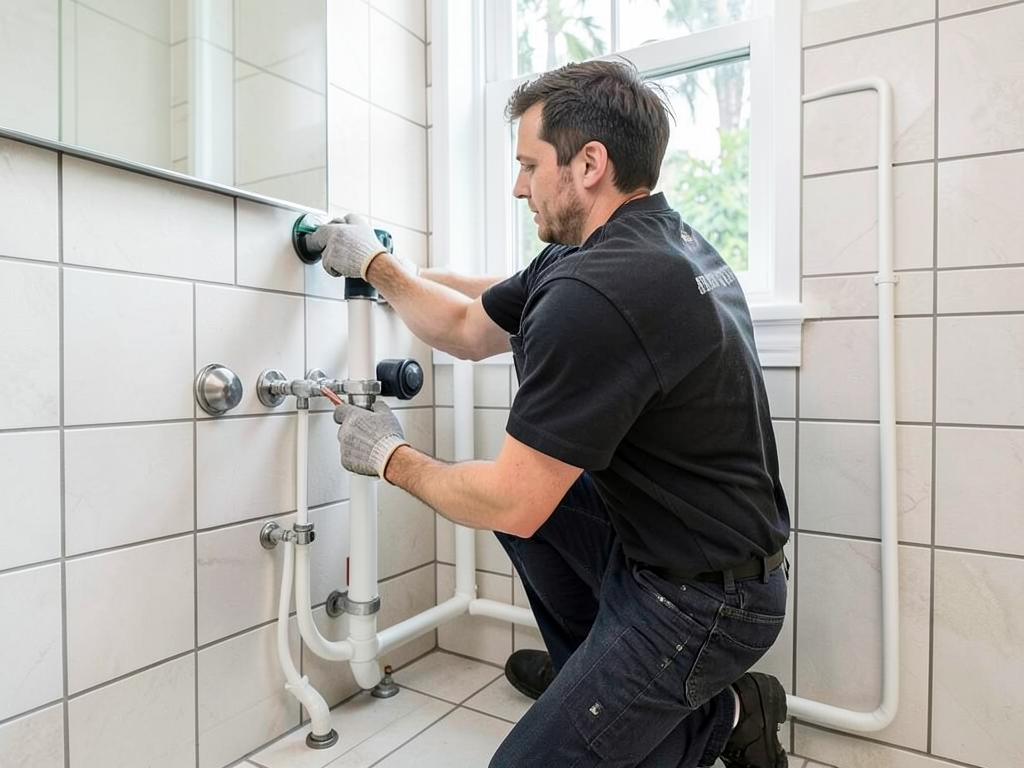
Adding a Bathroom or Kitchen to Your Encino Pool House
Building a pool house with a bathroom or kitchen in Encino means navigating Los Angeles building codes, proper drainage design, and efficient water supply systems. This guide covers what you need to know before breaking ground on your backyard addition. Los Angeles Department of Building and Safety.
Understanding Pool House Plumbing Requirements
Pool house plumbing differs from standard home additions because of its unique location and intended use. The San Fernando Valley’s clay soil and proximity to the Los Angeles Department of Building and Safety (LADBS) requirements create specific challenges that homeowners must address. Plumbing Glendale.
Encino’s climate means pool houses face temperature fluctuations that can stress plumbing systems. The 91316 and 91436 zip codes fall under LADBS jurisdiction, requiring permits for all new plumbing installations. Before starting construction, you need to understand the basic infrastructure needs for your pool house bathroom or kitchen. Plumbing Santa Clarita.
The primary considerations include water supply lines from the main house, sewer connections or septic systems, gas lines for outdoor kitchens, and proper drainage to prevent water pooling around your pool area. Each component must meet California plumbing codes and withstand the valley’s heat and occasional cold snaps. Sewer Line Repair Experts for Older Homes in Pasadena.
Permit Requirements and Building Codes in Encino
LADBS requires permits for any new plumbing installation in pool houses. The process involves submitting detailed plans that show fixture locations, pipe routing, and compliance with California Plumbing Code Chapter 3. For pool houses in the Encino area, inspectors pay special attention to backflow prevention and drainage slope requirements.
California Code of Regulations Title 24 mandates energy efficiency for water heaters and fixtures. Pool house installations must include water-saving devices and meet insulation requirements. The code also requires seismic bracing for water heaters and gas lines, even in auxiliary structures.
Local Encino building inspectors often request additional documentation for pool house projects. They verify that drainage systems prevent contamination of pool water and that all fixtures are properly vented. The inspection process typically includes three phases: rough-in, pressure test, and final inspection.
Water Supply Systems for Pool Houses
Extending water lines from your main house to a pool house requires careful planning. The distance from your home’s main water meter affects water pressure at the pool house fixtures. In Encino’s 91436 area, typical water pressure from LADWP lines ranges from 40 to 80 psi, but pressure drops over distance.
PEX piping has become the standard for pool house water supply lines due to its flexibility and freeze resistance. Unlike copper, PEX expands slightly when water freezes, reducing burst risk during rare cold spells. For a typical pool house bathroom, 3/4-inch PEX supply lines work well, while kitchens may need 1-inch lines for simultaneous fixture use.
Water hammer arrestors prevent pipe banging when valves close quickly. These devices are especially important in pool houses where outdoor showers and pool fill valves create pressure surges. Install arrestors within six feet of quick-closing valves to protect your plumbing system.
Drainage and Sewer Connections
Pool house drainage must handle both greywater from sinks and showers and blackwater from toilets. The drainage slope requirement of 1/4 inch per foot ensures proper flow to the main sewer line. In Encino’s flat areas near Ventura Boulevard, achieving this slope may require creative pipe routing or pump systems.. Read more about Fixing Persistent Sewer Smells in Tarzana Guest Houses That Sit Empty for Too Long.
For pool houses below the main sewer line elevation, sewage ejector pumps become necessary. These systems grind waste and pump it uphill to the main sewer connection. A typical pool house bathroom needs a 1/2 HP ejector pump capable of handling 20 feet of vertical lift.
Backflow prevention devices protect your pool water from contamination. California Plumbing Code requires reduced pressure principle (RPZ) assemblies for irrigation systems and any connection between potable water and pool water. Install these devices between the main water supply and your pool house to prevent cross-contamination.
Gas Line Installation for Outdoor Kitchens
Outdoor kitchens in pool houses often include gas grills, pizza ovens, and pool heaters. Southern California Gas Company (SoCalGas) requires licensed plumbers to install gas lines, with permits filed through LADBS. The gas line sizing depends on the total BTU load of all appliances. Southern California Gas Company.
For a typical pool house outdoor kitchen, a 1-inch gas line works for most configurations. However, if you plan multiple high-BTU appliances like a pool heater (250,000 BTU) and outdoor kitchen (100,000 BTU), you may need 1-1/4 inch or larger supply lines. The gas line material must be either black steel or CSST (corrugated stainless steel tubing) rated for outdoor use.
Gas line trenching in Encino requires specific depths. SoCalGas mandates a minimum of 18 inches for residential gas lines, but 24 inches provides better protection against future digging. The trench must be free of rocks and debris that could damage the pipe coating.
Fixture Selection and Installation
Pool house fixtures face different demands than indoor plumbing. Outdoor showers need freeze-resistant valves and corrosion-resistant finishes. Stainless steel or brass fixtures with ceramic disc cartridges last longer in pool environments than standard chrome fixtures.
Toilets for pool houses should have pressure-assisted flushing for reliable operation. The higher water pressure in pool house supply lines can cause standard gravity toilets to underperform. Look for toilets rated for both high and low pressure systems. The Most Reliable Tankless Water Heater Installers in Holmby Hills.
Kitchen sinks in pool houses benefit from deep basins for cleaning pool toys and outdoor cooking equipment. Undermount stainless steel sinks resist staining and are easier to clean than porcelain. Install a garbage disposal with a 3/4 HP motor for handling food waste from outdoor entertaining.
Water Heater Options for Pool Houses
Point-of-use water heaters eliminate the wait for hot water in pool houses. Tankless electric units work well for outdoor showers and small bathroom sinks. For a pool house with a full bathroom and kitchen, consider a 4-6 gallon under-sink water heater for immediate hot water at fixtures.
If your pool house includes a full bathroom with a shower, a small tank-style water heater (20-30 gallons) provides adequate hot water for multiple users. Install the heater in a weather-protected area with proper venting if it’s gas-powered. Electric units offer easier installation but may increase your electrical load.
Heat pump water heaters offer energy efficiency for pool houses in Encino’s warm climate. These units extract heat from surrounding air, making them ideal for outdoor installation in sheltered locations. They use about 60% less energy than standard electric water heaters.
Winterization and Freeze Protection
Though rare, freezing temperatures in Encino can damage outdoor plumbing. Install frost-proof hose bibs on all outdoor fixtures. These units have the valve seat inside the heated space, preventing freezing at the faucet.
For pool house plumbing that won’t be used during winter months, install shut-off valves in heated areas. Drain all lines by opening lowest fixtures and using compressed air to blow out remaining water. Insulate exposed pipes with foam pipe insulation rated for outdoor use.
Heat tape provides backup freeze protection for critical lines. Use self-regulating heat tape that adjusts its output based on pipe temperature. Install a thermostat to control the heat tape, preventing energy waste during mild weather.
Cost Factors and Budget Planning
Pool house plumbing costs vary based on distance from the main house, soil conditions, and fixture selection. Trenching through Encino’s clay soil typically costs $8-12 per linear foot. Rocky areas near the Santa Monica Mountains may increase this cost to $15-20 per foot.
Permit fees for pool house plumbing in Los Angeles range from $500 to $2,000 depending on project scope. LADBS calculates fees based on the number of fixtures and linear feet of piping. Plan for additional costs if your property requires a soils report or structural engineering review.
Fixture costs range widely. Basic bathroom fixtures start around $300, while luxury outdoor kitchen setups can exceed $5,000. Factor in the cost of backflow preventers ($150-300), water hammer arrestors ($25-50 each), and pressure regulators ($75-150) for a complete plumbing system.
Common Pool House Plumbing Problems
Pool house plumbing faces unique challenges that can lead to premature failure. Galvanized steel pipes, common in homes built before 1980, corrode from the inside out. If your main house has galvanized pipes, replacing the supply lines to your pool house with PEX prevents future problems.
Tree root intrusion affects sewer lines near mature trees in Encino’s older neighborhoods. Roots seek moisture and can penetrate sewer pipe joints, causing blockages. If your pool house shares a sewer line with existing structures, inspect the line with a camera before connecting new fixtures.
Water hammer from quick-closing valves damages pipe joints over time. The repeated pressure waves cause leaks at threaded connections and valve stems. Install water hammer arrestors at each fixture branch to protect your plumbing investment.
Maintenance and Troubleshooting
- Annual Inspection
Check all visible pipes for corrosion, leaks, or damage. Look for water stains on walls and ceilings that indicate hidden leaks.
- Valve Operation
Exercise shut-off valves twice yearly to prevent them from seizing. Replace any valve that feels difficult to turn.
- Drain Cleaning
Flush all drains with hot water quarterly to prevent grease and soap buildup. Use enzymatic cleaners for slow drains.
- Pressure Testing
Check water pressure annually with a gauge. Pressure above 80 psi requires a pressure reducing valve to protect fixtures.
Regular maintenance prevents costly repairs. Check for leaks monthly by monitoring your water meter when all fixtures are off. A moving meter indicates a leak somewhere in your system.
Clean shower heads and faucet aerators every six months to remove mineral buildup. In Encino’s hard water areas, this prevents reduced water flow and extends fixture life. Soak aerators in vinegar to dissolve calcium deposits.
Test your backflow prevention devices annually. These critical safety components prevent contaminated water from entering your drinking water supply. Hire a certified tester to verify proper operation and submit the required annual test report to LADBS.
Choosing the Right Plumbing Contractor
Pool house plumbing requires specialized knowledge of outdoor installations and Los Angeles building codes. Look for contractors with C-36 plumbing licenses and experience with ADU (Accessory Dwelling Unit) plumbing. Ask for references from similar pool house projects in the Encino area.
A qualified contractor should provide detailed plans showing fixture locations, pipe routing, and material specifications. They should explain the permit process and handle LADBS submittals. The contract should specify the types of materials to be used, including pipe sizes, valve brands, and fixture models.
Check that your contractor carries proper insurance, including workers’ compensation and liability coverage. Ask about warranties on both labor and materials. A reputable plumber stands behind their work with at least a one-year warranty on installations.
Frequently Asked Questions
How long does pool house plumbing installation take?
Most pool house plumbing projects take 2-4 weeks from start to finish. This includes permit acquisition (1-3 weeks), rough-in installation (3-5 days), inspection phases (1-2 weeks total), and fixture installation (2-3 days). Complex projects with extensive trenching or pump systems may require additional time.
Do I need a separate water meter for my pool house?
Generally no. Most pool houses connect to the main house water supply. However, if you’re installing a large outdoor kitchen or multiple bathrooms, LADWP may require a separate meter to monitor water usage. Your plumber can help determine if this applies to your project.
What’s the best pipe material for pool house plumbing?
PEX (cross-linked polyethylene) offers the best combination of durability, flexibility, and cost for pool house applications. It resists freeze damage, doesn’t corrode, and installs quickly. For exposed outdoor areas, use PEX with UV-resistant coating or protect it from direct sunlight.
How much does it cost to add plumbing to an existing pool house?
Adding plumbing to an existing pool house typically costs $3,000-$8,000 for a basic bathroom setup. This includes permits, materials, and labor. Costs increase to $10,000-$20,000 for projects requiring extensive trenching, pump systems, or outdoor kitchen installations.
Can I do pool house plumbing myself to save money?
DIY plumbing for pool houses is not recommended. California law requires licensed plumbers for most plumbing work, and permits require professional submittals. Improper installation can lead to code violations, failed inspections, and costly repairs. The permit process also requires professional documentation that homeowners typically cannot provide.
Ready to Start Your Pool House Project?
Adding a bathroom or kitchen to your Encino pool house is an investment in your property’s value and your family’s enjoyment. The right plumbing design ensures years of trouble-free operation while meeting all Los Angeles building requirements.
Call (213) 449-7577 today to schedule a consultation with our licensed plumbing experts. We’ll assess your property, explain your options, and provide a detailed plan for your pool house plumbing project. Don’t let plumbing challenges delay your backyard dreams. Expert Leak Detection Services to Save Your Venice Beach Property.
Our team understands the unique requirements of pool house installations in the San Fernando Valley. We handle everything from permit acquisition to final inspection, ensuring your project meets all local codes and your complete satisfaction.
Pick up the phone and call (213) 449-7577 before the next warm weekend hits. Your perfect pool house is just a call away.
{
“@context”: “https://schema.org”,
“@type”: “BlogPosting”,
“headline”: “Everything You Need to Know About Adding a Bathroom or Kitchen to Your Encino Pool House”,
“description”: “Planning a pool house addition in Encino? Get expert plumbing insights on permits, codes, and installation for bathrooms and kitchens in your backyard oasis.”,
“wordCount”: 2204,
“datePublished”: “2026-03-21T13:37:00.000Z”,
“dateModified”: “2026-03-21T13:37:00.000Z”,
“inLanguage”: “en-US”,
“mainEntityOfPage”: {
“@type”: “WebPage”,
“@id”: “https://aplusplumbinglosangeles.com”
},
“publisher”: {
“@type”: “LocalBusiness”,
“name”: “A Plus Plumbing Los Angeles”,
“url”: “https://aplusplumbinglosangeles.com”
},
“author”: {
“@type”: “Organization”,
“name”: “A Plus Plumbing Los Angeles”,
“url”: “https://aplusplumbinglosangeles.com”
},
“image”: {
“@type”: “ImageObject”,
“url”: “https://aplusplumbinglosangeles.com/wp-content/uploads/2026/03/everything-you-need-to-know-about-adding-a-bathroo-1.png”
}
}
{
“@context”: “https://schema.org”,
“@type”: “Plumber”,
“name”: “A Plus Plumbing Los Angeles”,
“url”: “https://aplusplumbinglosangeles.com”,
“address”: {
“@type”: “PostalAddress”,
“addressLocality”: “Los Angeles”
},
“areaServed”: {
“@type”: “City”,
“name”: “Los Angeles”
}
}
{
“@context”: “https://schema.org”,
“@type”: “FAQPage”,
“mainEntity”: [
{
“@type”: “Question”,
“name”: “How long does pool house plumbing installation take?”,
“acceptedAnswer”: {
“@type”: “Answer”,
“text”: “Most pool house plumbing projects take 2-4 weeks from start to finish. This includes permit acquisition (1-3 weeks), rough-in installation (3-5 days), inspection phases (1-2 weeks total), and fixture installation (2-3 days). Complex projects with extensive trenching or pump systems may require additional time.”
}
},
{
“@type”: “Question”,
“name”: “Do I need a separate water meter for my pool house?”,
“acceptedAnswer”: {
“@type”: “Answer”,
“text”: “Generally no. Most pool houses connect to the main house water supply. However, if you’re installing a large outdoor kitchen or multiple bathrooms, LADWP may require a separate meter to monitor water usage. Your plumber can help determine if this applies to your project.”
}
},
{
“@type”: “Question”,
“name”: “What’s the best pipe material for pool house plumbing?”,
“acceptedAnswer”: {
“@type”: “Answer”,
“text”: “PEX (cross-linked polyethylene) offers the best combination of durability, flexibility, and cost for pool house applications. It resists freeze damage, doesn’t corrode, and installs quickly. For exposed outdoor areas, use PEX with UV-resistant coating or protect it from direct sunlight.”
}
},
{
“@type”: “Question”,
“name”: “How much does it cost to add plumbing to an existing pool house?”,
“acceptedAnswer”: {
“@type”: “Answer”,
“text”: “Adding plumbing to an existing pool house typically costs $3,000-$8,000 for a basic bathroom setup. This includes permits, materials, and labor. Costs increase to $10,000-$20,000 for projects requiring extensive trenching, pump systems, or outdoor kitchen installations.”
}
},
{
“@type”: “Question”,
“name”: “Can I do pool house plumbing myself to save money?”,
“acceptedAnswer”: {
“@type”: “Answer”,
“text”: “DIY plumbing for pool houses is not recommended. California law requires licensed plumbers for most plumbing work, and permits require professional submittals. Improper installation can lead to code violations, failed inspections, and costly repairs. The permit process also requires professional documentation that homeowners typically cannot provide.”
}
},
{
“@type”: “Question”,
“name”: “Ready to Start Your Pool House Project?”,
“acceptedAnswer”: {
“@type”: “Answer”,
“text”: “Adding a bathroom or kitchen to your Encino pool house is an investment in your property’s value and your family’s enjoyment. The right plumbing design ensures years of trouble-free operation while meeting all Los Angeles building requirements.”
}
}
]
}
{
“@context”: “https://schema.org”,
“@type”: “HowTo”,
“name”: “Pool House Plumbing Maintenance”,
“step”: [
{
“@type”: “HowToStep”,
“position”: 1,
“name”: “Annual Inspection”,
“text”: “Check all visible pipes for corrosion, leaks, or damage. Look for water stains on walls and ceilings that indicate hidden leaks.”
},
{
“@type”: “HowToStep”,
“position”: 2,
“name”: “Valve Operation”,
“text”: “Exercise shut-off valves twice yearly to prevent them from seizing. Replace any valve that feels difficult to turn.”
},
{
“@type”: “HowToStep”,
“position”: 3,
“name”: “Drain Cleaning”,
“text”: “Flush all drains with hot water quarterly to prevent grease and soap buildup. Use enzymatic cleaners for slow drains.”
},
{
“@type”: “HowToStep”,
“position”: 4,
“name”: “Pressure Testing”,
“text”: “Check water pressure annually with a gauge. Pressure above 80 psi requires a pressure reducing valve to protect fixtures.”
}
],
“image”: “https://aplusplumbinglosangeles.com/wp-content/uploads/2026/03/everything-you-need-to-know-about-adding-a-bathroo-1.png”
}
{
“@context”: “https://schema.org”,
“@type”: “BreadcrumbList”,
“itemListElement”: [
{
“@type”: “ListItem”,
“position”: 1,
“name”: “Home”,
“item”: “https://aplusplumbinglosangeles.com”
},
{
“@type”: “ListItem”,
“position”: 2,
“name”: “Blog”,
“item”: “https://aplusplumbinglosangeles.com/blog”
},
{
“@type”: “ListItem”,
“position”: 3,
“name”: “Everything You Need to Know About Adding a Bathroom or Kitchen to Your Encino Pool House”
}
]
}
{
“@context”: “https://schema.org”,
“@type”: “Service”,
“serviceType”: “Plumbing”,
“provider”: {
“@type”: “LocalBusiness”,
“name”: “A Plus Plumbing Los Angeles”,
“url”: “https://aplusplumbinglosangeles.com”
},
“areaServed”: {
“@type”: “City”,
“name”: “Los Angeles”
},
“description”: “Planning a pool house addition in Encino? Get expert plumbing insights on permits, codes, and installation for bathrooms and kitchens in your backyard oasis.”
}