
Using Greywater Systems to Keep Your Venice Garden Green During Drought Restrictions
Venice homeowners face unique challenges keeping gardens green during California’s drought restrictions. The sandy coastal soil drains quickly and the Mediterranean climate creates hot, dry summers that stress plants. A properly installed greywater system can recycle gently used water from showers, sinks, and washing machines to keep your landscape thriving without violating water restrictions.
Greywater systems capture water that would normally go down the drain and redirect it to your garden through subsurface irrigation. This sustainable approach can reduce household water use by up to 50% while maintaining healthy plants. The systems work best in Venice’s coastal environment where the sandy soil provides excellent drainage for greywater distribution.
Installing a greywater system requires understanding local regulations and proper system design. The City of Los Angeles and LADWP have specific requirements for greywater installations to protect public health and prevent groundwater contamination. Working with a licensed plumber familiar with Venice’s coastal conditions ensures your system meets all codes while maximizing water savings. Los Angeles Department of Building and Safety.
How Greywater Systems Work in Coastal Venice
Greywater comes from bathroom sinks, showers, bathtubs, and washing machines. This water contains soap and detergent residues but is not contaminated with fecal matter or harsh chemicals. The key is using plant-friendly, biodegradable soaps that won’t harm your garden.
In Venice’s sandy soil, greywater distributes efficiently through mulch basins or subsurface drip lines. The soil’s excellent drainage prevents pooling and allows water to reach plant roots quickly. This is different from clay soils that can become waterlogged and create anaerobic conditions harmful to plants.
The most common system for Venice homes is the Laundry-to-Landscape setup. This simple system connects your washing machine to a network of irrigation lines that water trees, shrubs, and other established plants. No permit is required for basic L2L systems, making them an accessible first step for water conservation.
A Laundry-to-Landscape system diagram showing washing machine connection, diverter valve, and subsurface irrigation lines in sandy soil.
Types of Greywater Systems for Venice Properties
Laundry-to-Landscape (L2L) Systems are the simplest and most popular option. These systems use the washing machine’s built-in pump to distribute water through 1-inch irrigation tubing. The key components include a three-way diverter valve that lets you switch between the garden and the sewer, preventing unwanted water during rainy periods or when using bleach. Sewer Line Repair Experts for Older Homes in Pasadena.
Branched Drain Systems handle water from multiple sources like showers and bathroom sinks. These gravity-fed systems use a network of pipes that branch out to different parts of your landscape. They work well in Venice’s flat terrain but require careful planning to ensure proper slope and distribution.
Pumped Systems are necessary when the irrigation area is uphill from the water source or when you need to move water longer distances. These systems include a small pump and control panel, making them more complex but offering greater flexibility in system design.
Comparison of Greywater System Types
| System Type | Sources Handled | Permit Required | Best For | Cost Range |
|---|---|---|---|---|
| Laundry-to-Landscape | Washing machine only | No | Small gardens, trees | $500-$1,500 |
| Branched Drain | Multiple bathroom sources | Yes | Established landscapes | $2,000-$5,000 |
| Pumped System | Any source, uphill areas | Yes | Large properties, complex layouts | $3,000-$8,000 |
Navigating Los Angeles Greywater Regulations
The California Plumbing Code Chapter 16A specifically addresses non-potable water systems including greywater. In Los Angeles, the LADBS (Los Angeles Department of Building and Safety) oversees greywater permitting and inspections. All systems except basic Laundry-to-Landscape require permits. Los Angeles Department of Water and Power.
Key requirements include subsurface irrigation with emitters at least 2 inches below the surface, minimum setback distances from property lines and structures, and proper labeling of all greywater pipes. Systems must include automatic overflow protection that directs excess water to the sewer or septic system.
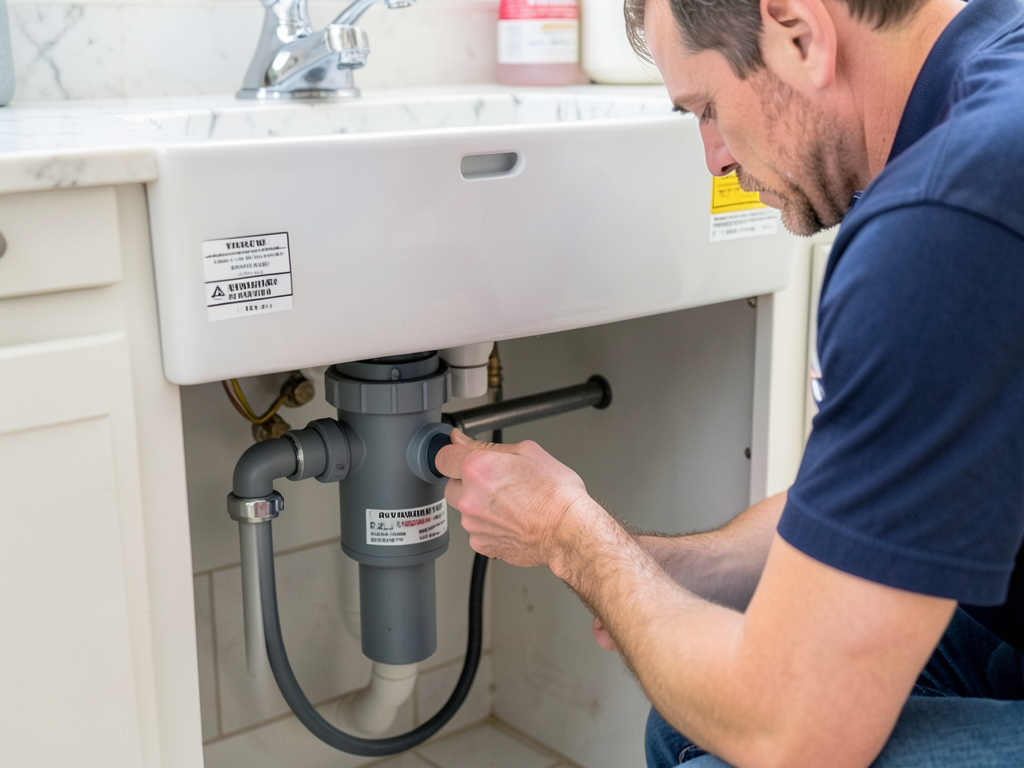
Diverter valves are mandatory for all greywater systems. These three-way valves allow you to switch between irrigation and sewer disposal, essential for when you need to use bleach or when the garden doesn’t need water. The valves must be easily accessible and clearly labeled.. Read more about Essential Maintenance Tips for Sunland-Tujunga Homeowners With a Septic System.
Venice’s coastal zone adds another layer of regulation. The California Coastal Commission requires additional review for properties within the coastal zone boundary. This ensures greywater systems don’t impact coastal ecosystems or groundwater quality in this sensitive area.
LADWP Rebates and Water Conservation Incentives
The Los Angeles Department of Water and Power offers rebates for water-efficient upgrades that can help offset greywater system costs. While specific greywater rebates vary by year, LADWP consistently provides incentives for irrigation efficiency improvements and water conservation measures.
Metropolitan Water District of Southern California also offers regional rebates through their SoCal Water$mart program. These rebates can cover a portion of greywater system installation costs, particularly for systems that significantly reduce potable water use for irrigation.
To qualify for rebates, greywater systems must meet specific efficiency standards and be installed by licensed professionals. Documentation of water savings and proper system operation may be required for rebate approval. Check the LADWP website for current rebate programs and application requirements.
Beyond rebates, greywater systems provide ongoing savings through reduced water bills. Venice residents with extensive landscaping can save hundreds of dollars annually on water costs while maintaining beautiful gardens during drought restrictions.
Venice Case Study: Coastal Garden Transformation
A recent project near the Venice Canals demonstrates how greywater systems work in our unique coastal environment. The property featured a narrow lot with mature trees and drought-tolerant Mediterranean plants typical of Venice landscapes. The sandy soil drained quickly, requiring frequent watering during summer months.
The installation included a branched drain system capturing water from two bathrooms and the laundry. The system used 1.5-inch PVC pipes buried 12 inches deep, with distribution through mulch basins around existing trees and shrubs. Biocompatible laundry detergent was selected to protect plant health.
Results showed a 45% reduction in potable water use for irrigation while maintaining plant health through the dry season. The system required minimal maintenance beyond regular inspection of emitters and occasional cleaning of the diverter valve. Plants showed improved drought tolerance due to consistent moisture availability.
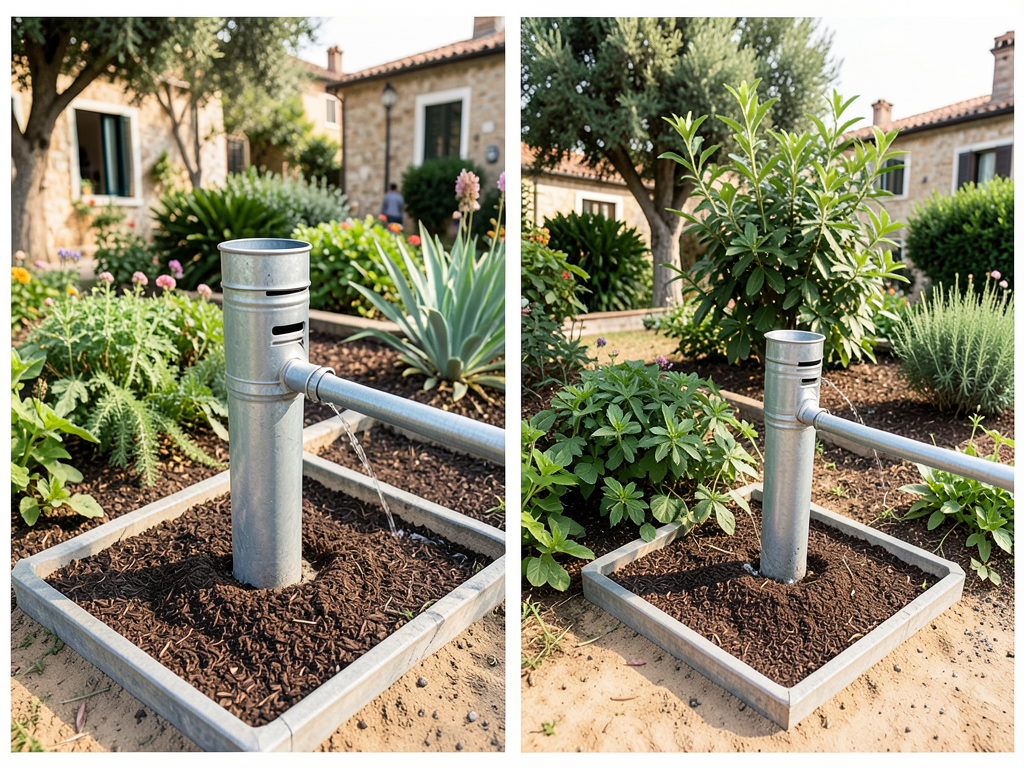
Before and after photos of a Venice garden showing greywater irrigation system installation with mulch basins and mature plants thriving in sandy coastal soil.
The Installation Process Step by Step
- Site Assessment and Design
Evaluate your property’s soil type, plant locations, and water sources. Measure distances and determine the best routes for irrigation lines. Consider future landscape changes and system expansion possibilities.
- Permit Acquisition
For systems requiring permits, submit plans to LADBS showing pipe routes, emitter locations, and safety features. Include calculations for water volume and distribution rates based on your household’s greywater generation.
- Plumbing Integration
Install diverter valves at each water source and connect to the main distribution system. Use proper pipe materials rated for greywater use, typically PVC or HDPE. Ensure all connections are watertight and accessible for maintenance.
- Distribution System Installation
Bury irrigation lines according to code requirements, typically 2-6 inches deep for subsurface distribution. Install emitters, mulch basins, or drip lines based on your landscape design. Test the system for leaks and proper flow.
- Final Inspection and Testing
Schedule LADBS inspection for permitted systems. Test all components including diverter valves, overflow protection, and distribution uniformity. Verify that all labeling and safety features meet code requirements.
Maintenance and Troubleshooting for Venice Systems
Greywater systems require regular but simple maintenance to function properly. Monthly inspections should check for clogged emitters, leaks in distribution lines, and proper operation of diverter valves. The sandy soil in Venice generally prevents clogging issues, but sediment can accumulate in filters and require cleaning.
Bi-annual deep cleaning involves flushing the entire system with clean water to remove soap buildup and checking all mechanical components. This is also the time to inspect mulch basins and replenish organic matter that decomposes over time.
Common issues include root intrusion in older systems, especially around trees that sense the moisture. Using root barrier fabric during installation prevents most problems. Another issue is salt buildup from certain detergents, which can be prevented by selecting salt-free, biodegradable products.
Venice’s coastal environment creates specific challenges. Salt spray can corrode metal components, so using corrosion-resistant materials like brass or stainless steel for valves and fittings extends system life. The high humidity can promote algae growth in pipes, which is controlled through proper system design and occasional chlorine treatment.
Plant Selection for Greywater Irrigated Gardens
Not all plants thrive with greywater irrigation. Salt-tolerant species work best since most soaps contain some sodium compounds. Mediterranean herbs like rosemary, lavender, and sage handle greywater well. Native California plants such as ceanothus, manzanita, and buckwheat also adapt to greywater irrigation.
Fruit trees can benefit from greywater but require careful soap selection. Citrus, fig, and avocado trees tolerate greywater when using boron-free, low-sodium detergents. Avoid greywater on root vegetables and leafy greens that contact the soil directly.
Venice’s microclimate allows for diverse plant selection. The coastal influence moderates temperatures, expanding the range of suitable species. However, the sandy soil’s quick drainage means plants need more frequent irrigation than in heavier soils, making greywater systems particularly valuable.
Group plants with similar water needs together in your greywater zones. This hydrozoning approach ensures each plant receives appropriate moisture while maximizing system efficiency. High-water plants go in primary zones, while drought-tolerant species occupy secondary areas.
Environmental Benefits Beyond Water Savings
Greywater systems reduce the energy required to treat and pump potable water, lowering your carbon footprint. Each gallon of recycled greywater represents the energy saved from pumping, treating, and distributing new water through the municipal system.
The systems also reduce wastewater discharge to treatment plants, decreasing the load on Venice’s aging sewer infrastructure. During heavy rains, this reduction helps prevent combined sewer overflows that can impact Santa Monica Bay water quality. Plumbing Santa Clarita.
Greywater irrigation can improve soil health over time. The organic matter in greywater feeds soil microorganisms, building soil structure and water-holding capacity. In Venice’s sandy soil, this biological activity helps retain moisture between irrigation cycles.
By keeping gardens green during drought restrictions, greywater systems support local biodiversity. Urban gardens provide habitat for pollinators, birds, and beneficial insects that contribute to Venice’s ecological health. The cooling effect of maintained landscapes also helps mitigate urban heat island effects.
Common Mistakes to Avoid
Using the wrong soaps is the most frequent error. Products containing boron, sodium, or bleach will harm plants over time. Always select products labeled as greywater-safe or biodegradable with low sodium content.
Improper installation depth causes problems. Pipes buried too shallow can be damaged by gardening activities, while pipes too deep may not deliver water effectively to plant roots. Follow code requirements for burial depth based on your specific system type.
Neglecting the diverter valve leads to system failures. Without the ability to switch to sewer disposal, you risk overwatering during rainy periods or when using harmful cleaning products. Install accessible, clearly labeled diverter valves at each source.
Overlooking maintenance results in system degradation. Even well-designed systems need regular inspection and cleaning. Create a maintenance schedule and stick to it to ensure long-term system performance.
Ignoring soil conditions can waste your investment. Venice’s sandy soil drains quickly, requiring proper system design to ensure even water distribution. Understanding your soil’s characteristics helps optimize emitter placement and spacing.
Cost Considerations and ROI
Greywater system costs vary significantly based on complexity and property characteristics. Simple Laundry-to-Landscape systems start around $500 for DIY installation, while professionally installed branched drain systems range from $2,000 to $5,000. Pumped systems for larger properties can exceed $8,000.
Factors affecting cost include the distance from water sources to irrigation areas, the need for permits and inspections, soil conditions requiring special equipment, and the complexity of your landscape design. Venice’s flat terrain generally reduces excavation costs compared to hillside properties.
Return on investment depends on your water rates and landscape water needs. Venice residents typically see payback periods of 3-7 years through reduced water bills. Additional value comes from maintaining property aesthetics during drought restrictions and potential increases in property value.
Consider the long-term savings against initial costs. A $3,000 system saving $500 annually in water costs pays for itself in six years, with continued savings for the system’s 15-20 year lifespan. Factor in LADWP rebates and potential tax benefits when calculating ROI.
Technician installing a greywater diverter valve under a Venice bathroom sink, showing proper labeling and accessibility for maintenance.
Frequently Asked Questions
Is greywater safe for my garden and family?
Yes, when properly installed and maintained. Greywater systems use subsurface irrigation, keeping water below the soil surface where plant roots can access it. This prevents human contact and reduces mosquito breeding. Using appropriate soaps and following code requirements ensures safety for both plants and people.
How much water can I save with a greywater system?
A typical household can save 15,000-40,000 gallons annually depending on the number of residents and landscape size. Laundry alone can provide 15-40 gallons per load, while showers contribute 2-3 gallons per minute. Venice residents with extensive landscaping often see the highest savings.
Do I need a permit for a greywater system in Venice?
Basic Laundry-to-Landscape systems don’t require permits, but all other system types need LADBS approval. The permitting process ensures your system meets health and safety standards. Our team handles permit acquisition and coordinates inspections to make the process smooth and code-compliant.
Can I install a greywater system myself?
While simple L2L systems are DIY-friendly, complex systems benefit from professional installation. Licensed plumbers understand code requirements, proper pipe sizing, and system design principles that ensure long-term performance. Professional installation also helps with permit approval and may be required for rebate eligibility.
What happens if my greywater system needs repairs?
Greywater systems are designed for easy maintenance and repair. Most issues involve simple fixes like clearing clogged emitters or replacing worn diverter valve seals. Our team provides ongoing maintenance services and emergency repairs to keep your system functioning optimally year-round. Emergency Sump Pump Services for Rainy Seasons in Hancock Park.
Get Started with Your Venice Greywater System
Converting to greywater irrigation is one of the most effective ways to maintain a beautiful garden while complying with drought restrictions. The systems provide immediate water savings, reduce your environmental impact, and keep your landscape thriving through California’s dry seasons.
Venice’s unique coastal conditions make greywater systems particularly valuable. The sandy soil drains well but requires consistent moisture, while the Mediterranean climate creates long dry periods. A properly designed system addresses these challenges while meeting all local regulations.
Our team specializes in greywater installations for Venice properties, handling everything from simple Laundry-to-Landscape setups to complex multi-source systems. We understand the local codes, soil conditions, and plant requirements specific to coastal Los Angeles.
Call (213) 449-7577 today to schedule your free consultation. We’ll assess your property, discuss your water conservation goals, and design a system that keeps your Venice garden green while saving water and money. Don’t let another dry season stress your plants – take control of your irrigation with a custom greywater solution.
Ready to transform your garden’s water efficiency? Pick up the phone and call (213) 449-7577 before the next drought restriction takes effect. Our licensed plumbers are standing by to help Venice residents create sustainable, beautiful landscapes that thrive in our coastal climate.
You may also find this helpful. Transitioning to Low-Flow Fixtures in Topanga to Lower Your Monthly Water Bill.
{
“@context”: “https://schema.org”,
“@type”: “BlogPosting”,
“headline”: “Using Greywater Systems to Keep Your Venice Garden Green During Drought Restrictions”,
“description”: “Venice residents can save water and keep gardens thriving with greywater systems. Learn how to install, permit, and maintain systems in LA’s coastal climate.”,
“wordCount”: 2542,
“datePublished”: “2026-03-16T07:13:00.000Z”,
“dateModified”: “2026-03-16T07:13:00.000Z”,
“inLanguage”: “en-US”,
“mainEntityOfPage”: {
“@type”: “WebPage”,
“@id”: “https://aplusplumbinglosangeles.com”
},
“publisher”: {
“@type”: “LocalBusiness”,
“name”: “A Plus Plumbing Los Angeles”,
“url”: “https://aplusplumbinglosangeles.com”
},
“author”: {
“@type”: “Organization”,
“name”: “A Plus Plumbing Los Angeles”,
“url”: “https://aplusplumbinglosangeles.com”
},
“image”: {
“@type”: “ImageObject”,
“url”: “https://aplusplumbinglosangeles.com/wp-content/uploads/2026/03/using-greywater-systems-to-keep-your-venice-garden-1.png”
}
}
{
“@context”: “https://schema.org”,
“@type”: “Plumber”,
“name”: “A Plus Plumbing Los Angeles”,
“url”: “https://aplusplumbinglosangeles.com”,
“address”: {
“@type”: “PostalAddress”,
“addressLocality”: “Los Angeles”
},
“areaServed”: {
“@type”: “City”,
“name”: “Los Angeles”
}
}
{
“@context”: “https://schema.org”,
“@type”: “FAQPage”,
“mainEntity”: [
{
“@type”: “Question”,
“name”: “Is greywater safe for my garden and family?”,
“acceptedAnswer”: {
“@type”: “Answer”,
“text”: “Yes, when properly installed and maintained. Greywater systems use subsurface irrigation, keeping water below the soil surface where plant roots can access it. This prevents human contact and reduces mosquito breeding. Using appropriate soaps and following code requirements ensures safety for both plants and people.”
}
},
{
“@type”: “Question”,
“name”: “How much water can I save with a greywater system?”,
“acceptedAnswer”: {
“@type”: “Answer”,
“text”: “A typical household can save 15,000-40,000 gallons annually depending on the number of residents and landscape size. Laundry alone can provide 15-40 gallons per load, while showers contribute 2-3 gallons per minute. Venice residents with extensive landscaping often see the highest savings.”
}
},
{
“@type”: “Question”,
“name”: “Do I need a permit for a greywater system in Venice?”,
“acceptedAnswer”: {
“@type”: “Answer”,
“text”: “Basic Laundry-to-Landscape systems don’t require permits, but all other system types need LADBS approval. The permitting process ensures your system meets health and safety standards. Our team handles permit acquisition and coordinates inspections to make the process smooth and code-compliant.”
}
},
{
“@type”: “Question”,
“name”: “Can I install a greywater system myself?”,
“acceptedAnswer”: {
“@type”: “Answer”,
“text”: “While simple L2L systems are DIY-friendly, complex systems benefit from professional installation. Licensed plumbers understand code requirements, proper pipe sizing, and system design principles that ensure long-term performance. Professional installation also helps with permit approval and may be required for rebate eligibility.”
}
},
{
“@type”: “Question”,
“name”: “What happens if my greywater system needs repairs?”,
“acceptedAnswer”: {
“@type”: “Answer”,
“text”: “Greywater systems are designed for easy maintenance and repair. Most issues involve simple fixes like clearing clogged emitters or replacing worn diverter valve seals. Our team provides ongoing maintenance services and emergency repairs to keep your system functioning optimally year-round. Emergency Sump Pump Services for Rainy Seasons in Hancock Park.”
}
}
]
}
{
“@context”: “https://schema.org”,
“@type”: “HowTo”,
“name”: “How to Install a Greywater System”,
“step”: [
{
“@type”: “HowToStep”,
“position”: 1,
“name”: “Site Assessment and Design”,
“text”: “Evaluate your property’s soil type, plant locations, and water sources. Measure distances and determine the best routes for irrigation lines. Consider future landscape changes and system expansion possibilities.”
},
{
“@type”: “HowToStep”,
“position”: 2,
“name”: “Permit Acquisition”,
“text”: “For systems requiring permits, submit plans to LADBS showing pipe routes, emitter locations, and safety features. Include calculations for water volume and distribution rates based on your household’s greywater generation.”
},
{
“@type”: “HowToStep”,
“position”: 3,
“name”: “Plumbing Integration”,
“text”: “Install diverter valves at each water source and connect to the main distribution system. Use proper pipe materials rated for greywater use, typically PVC or HDPE. Ensure all connections are watertight and accessible for maintenance.”
},
{
“@type”: “HowToStep”,
“position”: 4,
“name”: “Distribution System Installation”,
“text”: “Bury irrigation lines according to code requirements, typically 2-6 inches deep for subsurface distribution. Install emitters, mulch basins, or drip lines based on your landscape design. Test the system for leaks and proper flow.”
},
{
“@type”: “HowToStep”,
“position”: 5,
“name”: “Final Inspection and Testing”,
“text”: “Schedule LADBS inspection for permitted systems. Test all components including diverter valves, overflow protection, and distribution uniformity. Verify that all labeling and safety features meet code requirements.”
}
],
“image”: “https://aplusplumbinglosangeles.com/wp-content/uploads/2026/03/using-greywater-systems-to-keep-your-venice-garden-1.png”
}
{
“@context”: “https://schema.org”,
“@type”: “BreadcrumbList”,
“itemListElement”: [
{
“@type”: “ListItem”,
“position”: 1,
“name”: “Home”,
“item”: “https://aplusplumbinglosangeles.com”
},
{
“@type”: “ListItem”,
“position”: 2,
“name”: “Blog”,
“item”: “https://aplusplumbinglosangeles.com/blog”
},
{
“@type”: “ListItem”,
“position”: 3,
“name”: “Using Greywater Systems to Keep Your Venice Garden Green During Drought Restrictions”
}
]
}
{
“@context”: “https://schema.org”,
“@type”: “Service”,
“serviceType”: “Plumbing”,
“provider”: {
“@type”: “LocalBusiness”,
“name”: “A Plus Plumbing Los Angeles”,
“url”: “https://aplusplumbinglosangeles.com”
},
“areaServed”: {
“@type”: “City”,
“name”: “Los Angeles”
},
“description”: “Venice residents can save water and keep gardens thriving with greywater systems. Learn how to install, permit, and maintain systems in LA’s coastal climate.”
}