




menu

How to Prevent Frozen Pipes in Los Angeles – Year-Round Protection for Coastal and Inland Climate Shifts

Expert strategies for winterizing plumbing pipes across Los Angeles County's unique microclimates, from Venice's salt air to Pasadena's foothill freezes, with proven methods to stop pipes from freezing during unexpected cold snaps.

Slider Image 1
Slider Image 2
Slider Image 3
Slider Image 4
Slider Image 5
Slider Image 7
Slider Image 8
Slider Image 9
Slider Image 10
Slider Image 11

Why Frozen Pipe Prevention Matters in Los Angeles's Unpredictable Climate

Most people think frozen pipes only happen in snow states. That belief costs Los Angeles homeowners thousands in burst pipe damage every winter.

The truth is this: Los Angeles experiences sharp overnight temperature drops, particularly in foothill neighborhoods like La Cañada Flintridge, Altadena, and the San Fernando Valley. When temperatures dip into the low 30s between midnight and 6 AM, unprotected pipes freeze. The water expands. The pipe ruptures. You wake up to flooding.

Coastal areas like Santa Monica and Manhattan Beach face different risks. The salt air corrodes older galvanized pipes and copper fittings, weakening structural integrity. When a rare cold front moves through, these compromised pipes fail faster than newer installations.

The San Gabriel Valley and areas near the foothills see the most freeze events. Cold air sinks from the mountains and settles in low-lying neighborhoods. Homes built in the 1950s through 1970s often have exposed pipes in crawl spaces, attics, and exterior walls with minimal insulation. These are your highest-risk zones.

Keeping water pipes from freezing is not about surviving a blizzard. It is about preparing for the 28-degree night that catches you off guard. One burst pipe can cause $5,000 to $15,000 in water damage, mold remediation, and drywall replacement.

Frozen pipe prevention tips work best when applied before the cold arrives. Once temperatures drop and ice forms inside your supply lines, your options narrow to emergency mitigation. Protecting pipes from freezing requires understanding which pipes are vulnerable, why Los Angeles construction creates unique exposure points, and what winterizing plumbing pipes actually involves beyond wrapping foam around a hose bib.

Why Frozen Pipe Prevention Matters in Los Angeles's Unpredictable Climate
Proven Methods for Stopping Pipes from Freezing

Proven Methods for Stopping Pipes from Freezing

Effective pipe protection begins with identifying vulnerable points. We assess homes for exterior wall penetrations, uninsulated attic supply lines, crawl space routing, and detached structure connections. These are where failures occur.

Insulation alone does not prevent freezing. It slows heat loss. If the ambient temperature stays below freezing long enough, insulated pipes still freeze. The goal is to combine insulation with heat retention or active heat tracing for critical lines.

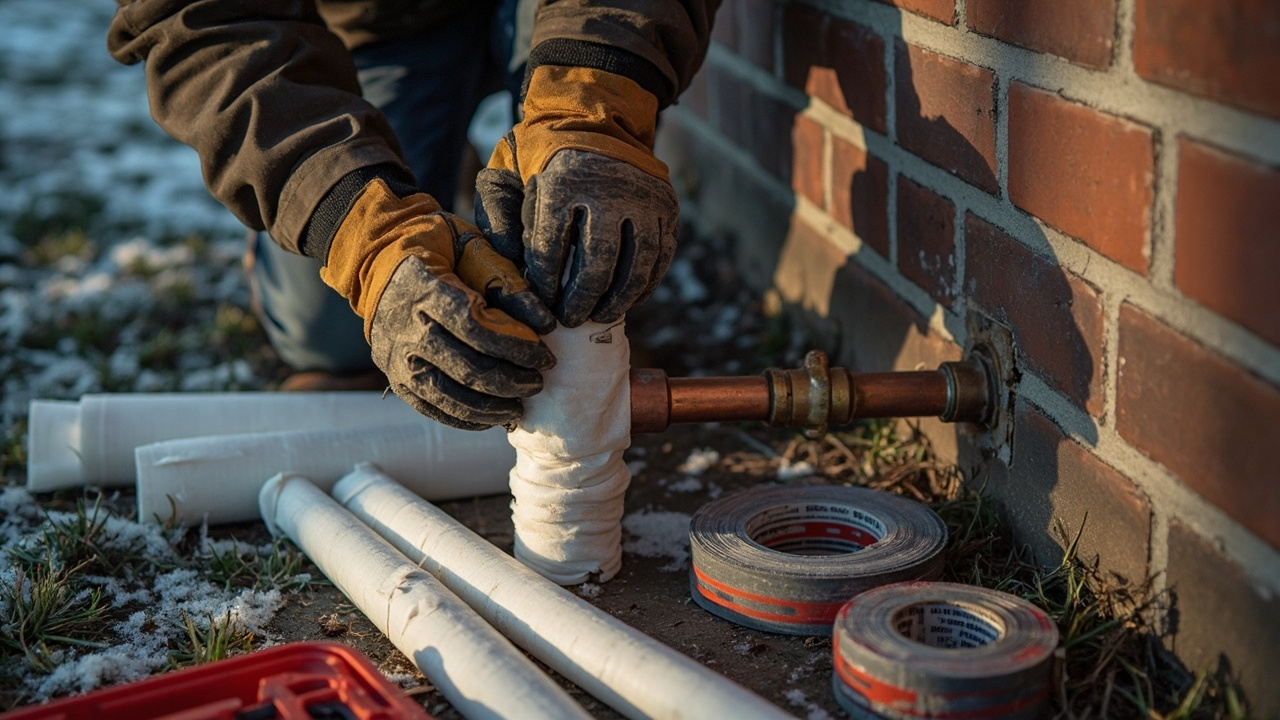
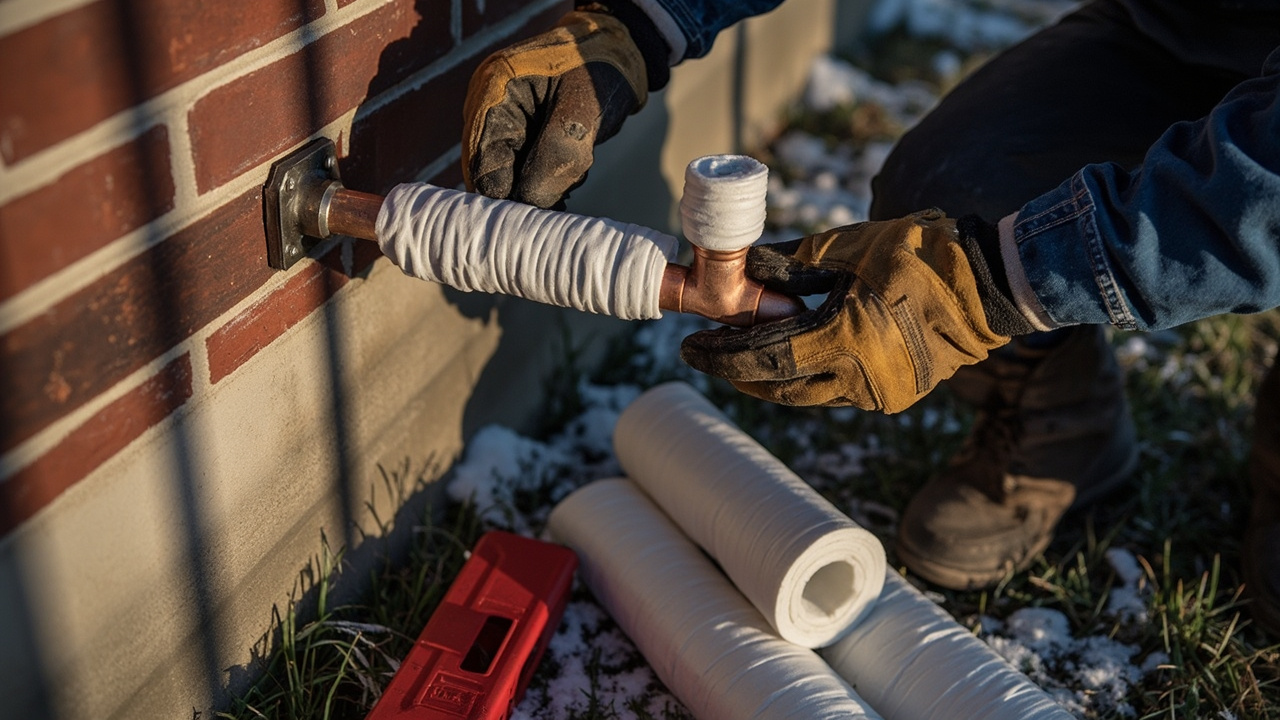
For exposed pipes in crawl spaces, we install pipe insulation sleeves rated for outdoor use. Foam tubes split lengthwise and secured with zip ties provide the first layer of defense. For pipes in attics, we verify that ceiling insulation does not block heat rising from living spaces below. Heat from your home keeps attic pipes above freezing. If insulation covers the pipe but traps cold air around it, you create a failure point.

Heat tape or heat cable provides active freeze protection for high-risk areas. This electrical resistance wire wraps around the pipe and plugs into a standard outlet. Thermostatically controlled models activate only when temperatures approach freezing, minimizing electricity use. We install heat cable on pipes in unheated garages, along exterior walls, and in pump houses or pool equipment areas.

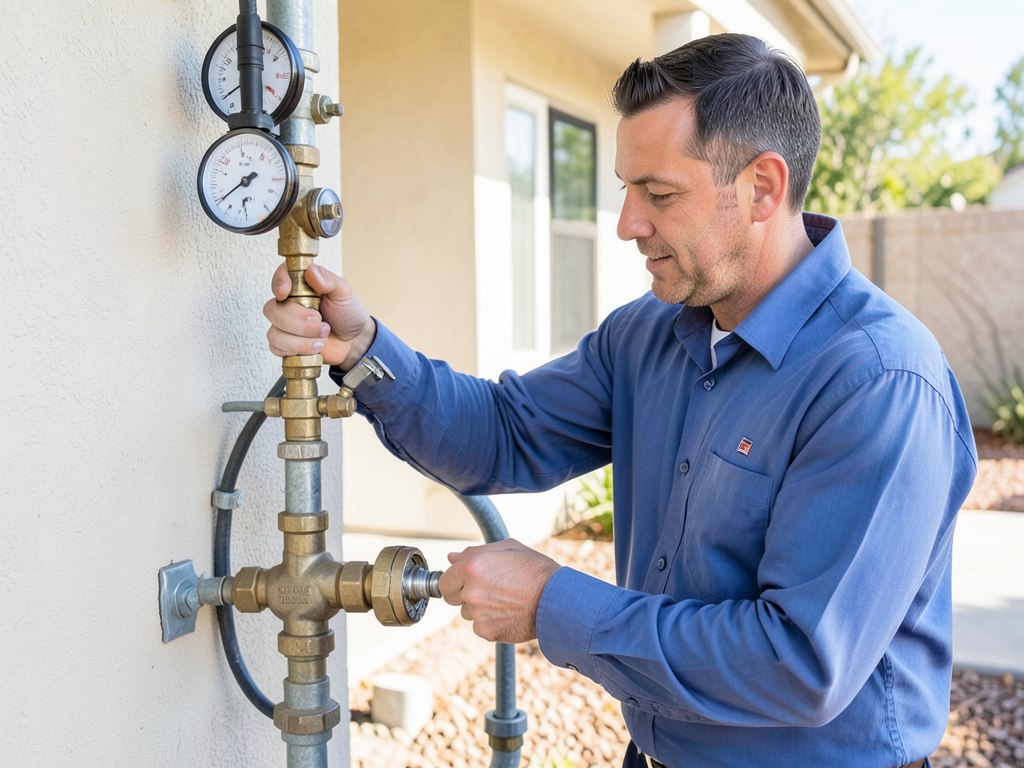
Hose bibs and exterior faucets need frost-free designs or complete winterization. Standard hose bibs have shutoff valves inside the exterior wall. We install these with a slight downward pitch so residual water drains out after shutoff. For older homes without interior shutoffs, we add them and insulate the valve box.

Circulating water prevents freezing. Allowing a pencil-width stream to run from faucets during freeze warnings keeps water moving through supply lines. Moving water resists freezing far better than static water. This is a temporary measure, not a permanent solution.

Cabinet doors stay open during cold nights. Pipes under sinks along exterior walls need warm air circulation. Opening cabinet doors allows heated air from your living space to reach these vulnerable pipes.

Your Pipe Winterization Walkthrough

How to Prevent Frozen Pipes in Los Angeles – Year-Round Protection for Coastal and Inland Climate Shifts
01

Vulnerability Assessment

We walk your property identifying every exposed pipe, uninsulated line, and exterior penetration. This includes checking attic spaces, crawl areas, detached ADUs, pool equipment, and irrigation backflow preventers. We map which pipes carry the highest freeze risk based on orientation, insulation quality, and exposure to exterior temperatures. You receive a priority list of which areas need immediate attention versus long-term upgrades.
02

Protection Installation

We install appropriate freeze protection for each vulnerable zone. This includes pipe insulation sleeves, heat cable with thermostat controls, and upgraded frost-free hose bibs. For attic lines, we verify heat can rise from living spaces. For crawl space pipes, we seal foundation vents and install insulation. We test all installations to confirm proper function before the next cold front arrives. Each protection method matches the specific exposure risk.
03

Seasonal Maintenance Plan

We provide a written protocol for pre-winter preparation and cold weather response. This includes when to disconnect hoses, drain outdoor faucets, activate heat cables, and open cabinet doors. You receive our emergency contact for freeze events and guidance on what to do if a pipe does freeze. We schedule annual inspections before winter to verify all protection systems remain functional and identify any new vulnerability points as your plumbing system ages.

Why Los Angeles Homeowners Choose A Plus Plumbing Los Angeles for Freeze Prevention

Generic advice does not protect your specific home. A house in Silver Lake has different freeze risks than a property in Woodland Hills. We know where Los Angeles freezes.

Our technicians understand how Southern California construction creates unique vulnerability. Homes built during the post-war boom used different materials and methods than modern construction. Older homes in neighborhoods like Eagle Rock, Highland Park, and Glassell Park often have galvanized steel pipes, minimal wall insulation, and crawl space designs that expose plumbing to outside air. Newer construction in Porter Ranch or Valencia may have PEX supply lines and better insulation, but attic installations still create freeze risks.

We evaluate your home based on age, construction type, neighborhood microclimate, and previous freeze damage. A home near the foothills faces different conditions than a beach property. Inland valleys drop 15 to 20 degrees colder than coastal areas on clear winter nights. We adjust protection strategies accordingly.

Los Angeles building codes do not mandate the same freeze protection required in colder climates. This leaves homeowners responsible for determining adequate protection. We bridge that gap with site-specific recommendations based on actual freeze event data from your neighborhood.

Our approach combines immediate protection with long-term system improvements. If you call during a freeze warning, we provide emergency guidance and temporary protection. For comprehensive winterization, we install permanent solutions that protect your home year after year.

We also understand irrigation system vulnerability. Los Angeles properties often have extensive landscaping with backflow preventers, valve boxes, and exposed PVC lines. These systems freeze and break during cold snaps. We evaluate your entire water system, not just indoor plumbing, to prevent expensive landscape irrigation repairs after winter freezes.

You get clear explanations of what needs protection, why it is vulnerable, and what each solution costs. No upselling. No scare tactics. Just practical guidance based on decades of protecting Los Angeles homes from freeze damage.

What to Expect from Professional Pipe Winterization

Response Timing

Winterization service typically schedules within 48 hours for standard prevention work. If a freeze warning has been issued, we prioritize emergency appointments and provide phone guidance for immediate temporary protection. Assessment visits take 45 minutes to 90 minutes depending on property size and plumbing complexity. Installation of protection measures happens within one week of assessment for most homes. We complete all work before predicted freeze events whenever possible to ensure your system is protected before temperatures drop.

Property Evaluation Process

We conduct a room-by-room assessment of your home and property. This includes attic inspection, crawl space examination, exterior wall checks, and detached structure review. We photograph vulnerable areas and create a written report identifying each at-risk pipe location. You receive a prioritized action plan showing which pipes need immediate protection versus which can wait for future upgrades. We explain the specific freeze risk for each area based on insulation quality, pipe material, exposure level, and local climate data from your neighborhood.

Protection Installation Quality

All insulation materials meet or exceed manufacturer specifications for freeze protection. Heat cable installations include thermostat controls to minimize energy waste and prevent overheating. We use UV-resistant materials for outdoor applications and fire-rated products for enclosed spaces. Foam insulation tubes are secured every 18 inches to prevent sagging or gaps. Heat tape receives proper electrical connections with GFCI protection. Frost-free hose bibs install with correct pitch for drainage. Every installation follows manufacturer guidelines and tested best practices from decades of Los Angeles freeze protection work.

Ongoing Support

You receive written instructions for seasonal preparation and cold weather response protocols. We provide a checklist for pre-winter tasks and emergency procedures if pipes begin freezing despite protection measures. Our team remains available during freeze events for guidance and emergency service. We recommend annual pre-winter inspections to verify protection systems remain effective as your plumbing ages and identify any new vulnerable areas created by remodeling or system changes. These inspections ensure your protection adapts to evolving risks over time.

Frequently Asked Questions

You Have Questions,
We Have Answers

How do I stop my pipes from freezing? +

Insulate exposed pipes in attics, crawl spaces, and exterior walls. Seal cracks or gaps near piping where cold air enters. Disconnect and drain outdoor hoses before winter. Open cabinet doors under sinks to let warm air circulate around pipes. Let faucets drip during cold snaps to keep water moving. In Los Angeles, focus on older homes in hillside areas like Echo Park or Highland Park where pipes may run through unheated spaces. During rare freezes, wrap outdoor spigots with foam covers. If you have copper or galvanized pipes in an uninsulated attic, add pipe sleeves immediately.

At what temperature will pipes freeze? +

Pipes freeze when temperatures drop to 32 degrees Fahrenheit or below for extended periods. However, damage risk increases when temps stay below 20 degrees for six hours or more. In Los Angeles, this is uncommon but not impossible during winter nights in higher elevations like the Hollywood Hills or Glendale foothills. The bigger risk comes from sudden overnight drops combined with poor insulation. Homes built before 1980 often lack adequate insulation in attics or exterior walls. Wind chill accelerates freezing, so exposed pipes on north-facing walls need extra protection.

At what temperature should you let your faucets drip? +

Let faucets drip when outdoor temperatures drop to 28 degrees or below. In Los Angeles, monitor forecasts for overnight lows in the upper 20s, particularly in the San Fernando Valley or Pasadena where temps can dip lower than coastal areas. Start the drip before nightfall. You need just a pencil-lead-thin stream, not a full flow. Focus on faucets connected to pipes running through exterior walls or unheated spaces. Both hot and cold taps should drip slightly. This keeps water moving and relieves pressure if ice forms.

How much water should I run to keep pipes from freezing? +

Run enough water to maintain a steady trickle, roughly five drips per second. This equals about one gallon per hour per faucet. The goal is movement, not volume. Flowing water resists freezing better than still water. In Los Angeles homes with tankless water heaters, keep one faucet dripping to maintain circulation through the system. For homes with older galvanized pipes or those in foothill areas like La Cañada Flintridge, drip both hot and cold lines. The small water cost during a freeze event is far less than repair bills from burst pipes.

How warm to keep a house to prevent pipes from freezing? +

Keep your thermostat at 55 degrees or higher, even when away. This maintains enough ambient heat to protect pipes in walls and ceilings. In Los Angeles, many homes lack central heating in garages or attics where pipes run. These spaces need extra attention. Open interior doors to improve heat circulation. If you leave town during winter, set the thermostat to 60 degrees minimum. Homes in older neighborhoods like Leimert Park or West Adams with pier-and-beam foundations need airflow under the house. Block vents only during severe freezes, then reopen them.

Do ping pong balls keep water from freezing? +

Ping pong balls do not prevent pipes from freezing. This myth suggests floating balls on water surfaces stop ice formation. It fails because pipes freeze from the outside in, not from surface exposure. In Los Angeles, you face minimal freeze risk, but when temperatures drop, use proven methods like insulation and dripping faucets. Ping pong balls might reduce evaporation in open containers but offer zero protection for household plumbing. Focus on wrapping exposed pipes with foam sleeves, sealing air leaks, and maintaining indoor heat. Do not waste time on gimmicks.

Does keeping heating on stop pipes from freezing? +

Yes, keeping your heating system on prevents pipes from freezing. Consistent indoor warmth protects pipes inside walls, ceilings, and floors. Set your thermostat to at least 55 degrees, even when you leave for vacation. In Los Angeles, many homes have pipes in unheated attics or garages where central heating does not reach. These areas need supplemental heat sources like space heaters or heat tape on pipes. Homes in the San Gabriel Valley or foothill communities face higher freeze risk. Never turn your heat off completely during winter, even if you rarely see freezing temps.

Where are the pipes most likely to freeze? +

Pipes freeze most often in unheated spaces like attics, crawl spaces, garages, and exterior walls. In Los Angeles, focus on attics where copper supply lines run to bathroom fixtures. Homes in hillside areas like Silver Lake or Mount Washington often have pipes along north-facing exterior walls that never get direct sunlight. Outdoor hose bibs and irrigation lines freeze first. Pier-and-beam foundations common in older LA neighborhoods expose pipes to cold air underneath. Pipes near poorly sealed windows or vents in laundry rooms also freeze. Check these vulnerable spots before winter.

Does homeowners insurance cover frozen pipes? +

Most homeowners insurance policies cover sudden pipe bursts from freezing, but not neglect. If you maintained heat and took reasonable precautions, insurers typically pay for water damage and repairs. However, if you left your home unheated or ignored known risks, they may deny your claim. In Los Angeles, document your prevention efforts like thermostat settings and pipe insulation. Policies vary, so review your coverage before winter. Some exclude freezing damage entirely. Take photos of insulated pipes and keep receipts. If pipes burst, shut off water immediately and call your insurer within 24 hours.

Does leaving your faucet dripping keep pipes freezing? +

Yes, leaving faucets dripping prevents pipes from freezing. Moving water resists ice formation better than still water. A small drip also relieves pressure inside pipes if ice begins forming, reducing burst risk. In Los Angeles, this matters during rare cold snaps when overnight temps drop below 30 degrees. Focus on faucets connected to pipes in exterior walls or unheated spaces. You need only a pencil-thin stream from both hot and cold taps. The minor water expense during a freeze event is negligible compared to thousands in burst pipe repairs and flood damage.

Why Los Angeles Microclimates Create Hidden Freeze Risks

Los Angeles is not one climate. It is dozens of microclimates shaped by elevation, ocean proximity, and mountain proximity. Beverly Hills might stay at 42 degrees while La Crescenta drops to 29 degrees the same night. The foothill communities along the San Gabriel and Santa Monica Mountains experience radiational cooling where cold air drains downslope and pools in valleys and canyons. Neighborhoods like Tujunga, Sunland, and Lake View Terrace regularly see freezing temperatures while coastal areas never drop below 40 degrees. This creates a false sense of security. Homeowners assume Los Angeles does not freeze, so they skip winterizing plumbing pipes. When the National Weather Service issues a freeze warning, unprepared homes suffer burst pipes, flooding, and thousands in damage.

Los Angeles construction reflects mild climate assumptions. Homes built before 1980 often lack proper insulation in exterior walls and attics. Crawl space foundations leave plumbing exposed to outside air. Building codes do not require the freeze protection standard in colder regions. This places responsibility on homeowners to identify and protect vulnerable pipes. A Plus Plumbing Los Angeles understands which neighborhoods freeze, which construction eras create the highest risk, and which pipe materials fail first during cold snaps. We have protected homes across every Los Angeles microclimate from Malibu to Monrovia. That experience translates into targeted protection strategies matched to your specific property and location risks.
Plumbing Services in The Los Angeles Area

Discover where we operate and easily locate our office or service areas on the map below. Whether you're planning routine maintenance or dealing with an urgent plumbing issue, you’ll see we’re right in your neighborhood. Use the interactive map to view service zones, our central office location, and nearby landmarks. You can zoom in for detailed directions or get contact info directly—with just a click, get directions to meet our skilled plumbing team in person.

Address:
A Plus Plumbing Los Angeles, 6080 Center Dr, Los Angeles, CA, 90045

Additional Services We Offer

Our news updates

Latest Articles & News from The Blogs

Everything You Need to Know About Sewer Connections for a Valley Village ADU Adding an accessory dwelling unit to your…

Everything You Need to Know About Sewer Connections for a Valley Village ADU

Everything You Need to Know About Sewer Connections for a Valley Village ADU Adding an accessory dwelling unit to your…

How to Get Rid of That Sulfur Smell in Your Van Nuys Water Heater

How to Get Rid of That Sulfur Smell in Your Van Nuys Water Heater \p>If your hot water smells like…

Why Replacing Plastic Supply Lines With Braided Stainless Steel Can Save Your Toluca Lake Home From Water Damage

Why Replacing Plastic Supply Lines With Braided Stainless Steel Can Save Your Toluca Lake Home From Water Damage Water damage…

Contact Us

Do not wait for a freeze warning to take action. Schedule your pipe winterization assessment today. Call (213) 449-7577 now to protect your Los Angeles home from costly freeze damage.