




menu

Water Heater Maintenance Tips in Los Angeles – Expert Preventative Care to Extend Your Tank's Lifespan

Learn the professional hot water heater upkeep checklist Los Angeles homeowners use to prevent costly breakdowns, maximize efficiency, and avoid emergency repairs caused by mineral buildup and sediment damage.

Slider Image 1
Slider Image 2
Slider Image 3
Slider Image 4
Slider Image 5
Slider Image 7
Slider Image 8
Slider Image 9
Slider Image 10
Slider Image 11

Why Los Angeles Water Heaters Demand Year-Round Preventative Maintenance

Los Angeles tap water contains high concentrations of calcium and magnesium. These dissolved minerals flow through your pipes every day, settling at the bottom of your hot water tank as sediment. Over months, this sediment hardens into a crusty layer that insulates the heating element from the water itself. Your system burns more energy to heat less water. Eventually, the tank overheats, corrodes from the inside, and fails.

The problem compounds in older neighborhoods across Echo Park, Silver Lake, and parts of Downtown Los Angeles where galvanized steel pipes still exist. Iron particles mix with calcium deposits, accelerating corrosion. You might hear popping sounds when the heater runs. That noise signals sediment cracking and shifting as trapped water boils beneath it. Left unchecked, the tank develops micro-cracks that leak slowly at first, then catastrophically.

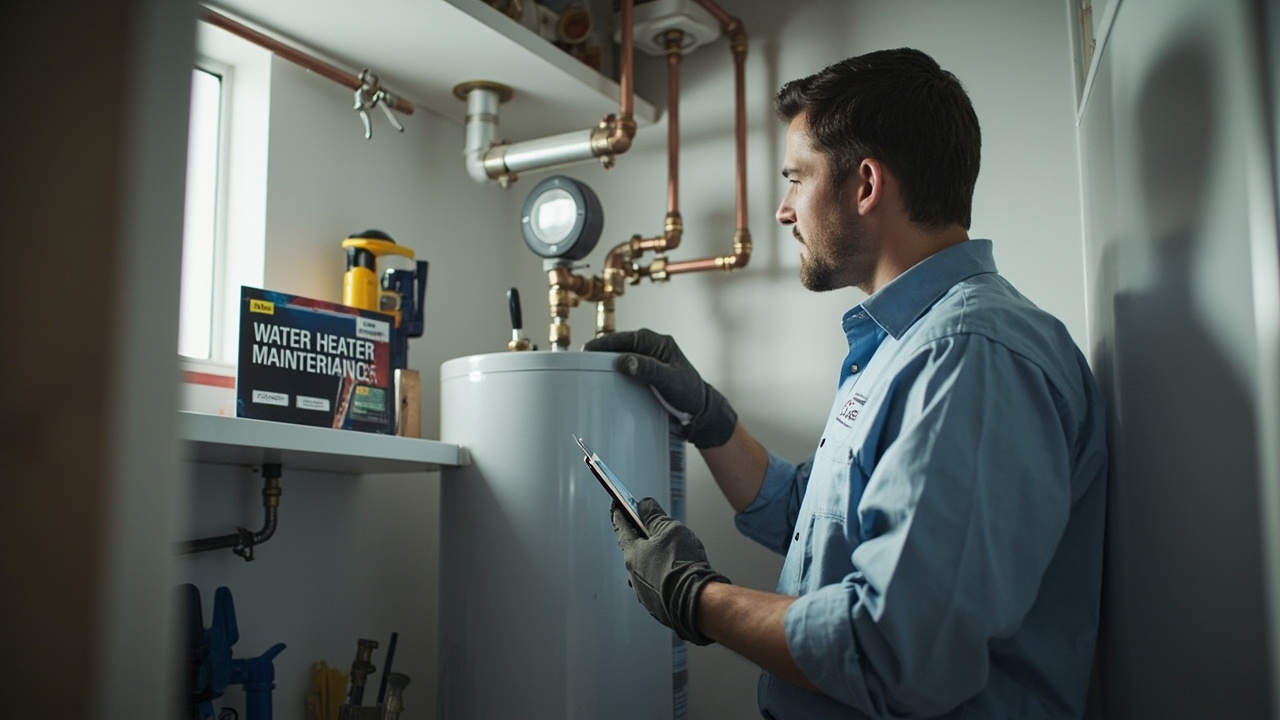
A water heater maintenance schedule prevents this cycle. Flushing sediment every 12 months removes mineral buildup before it calcifies. Testing the pressure relief valve ensures it opens when internal pressure spikes. Inspecting the anode rod, the sacrificial metal component that corrodes instead of your tank, reveals when replacement is necessary. These preventative water heater maintenance steps extend tank life from 8 years to 15 years in many cases.

Los Angeles homeowners who skip hot water heater upkeep face premature replacements and water damage. A comprehensive water heater care checklist targets the specific failure points caused by local water chemistry. You avoid emergency calls, extend equipment life, and maintain consistent hot water supply.

Why Los Angeles Water Heaters Demand Year-Round Preventative Maintenance
The Professional Water Heater Maintenance Process That Stops Failure Before It Starts

The Professional Water Heater Maintenance Process That Stops Failure Before It Starts

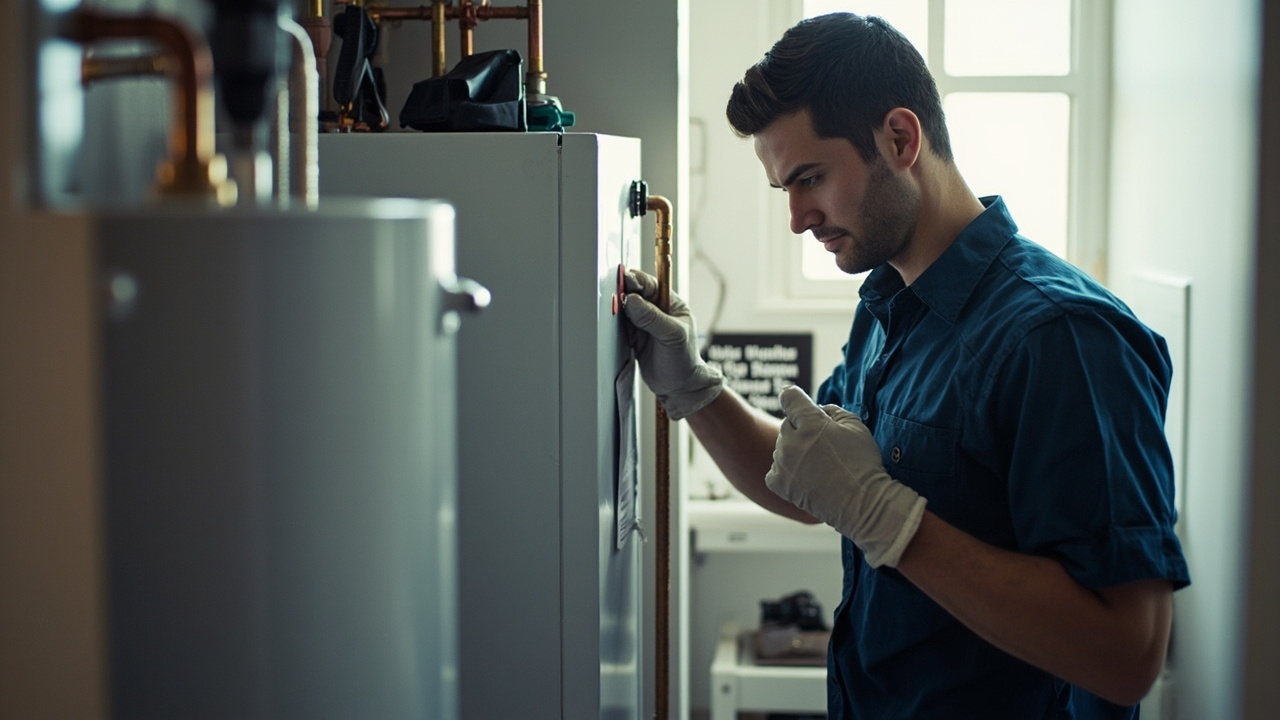
Effective hot water tank maintenance begins with a system flush. A technician shuts off power or gas supply, closes the cold water inlet valve, and connects a garden hose to the drain valve at the tank's base. Opening the valve releases gallons of water mixed with sediment. In Los Angeles, this drained water often appears rust-colored or cloudy, confirming mineral concentration. The flush continues until water runs clear, removing the insulating layer that reduces efficiency.

Next comes anode rod inspection. This magnesium or aluminum rod threads into the top of your tank and attracts corrosive elements that would otherwise attack the steel lining. When the rod deteriorates to less than half an inch thick or shows heavy calcium coating, replacement is necessary. Most Los Angeles tanks need anode rod replacement every three to five years depending on water hardness. Skipping this step cuts tank lifespan in half.

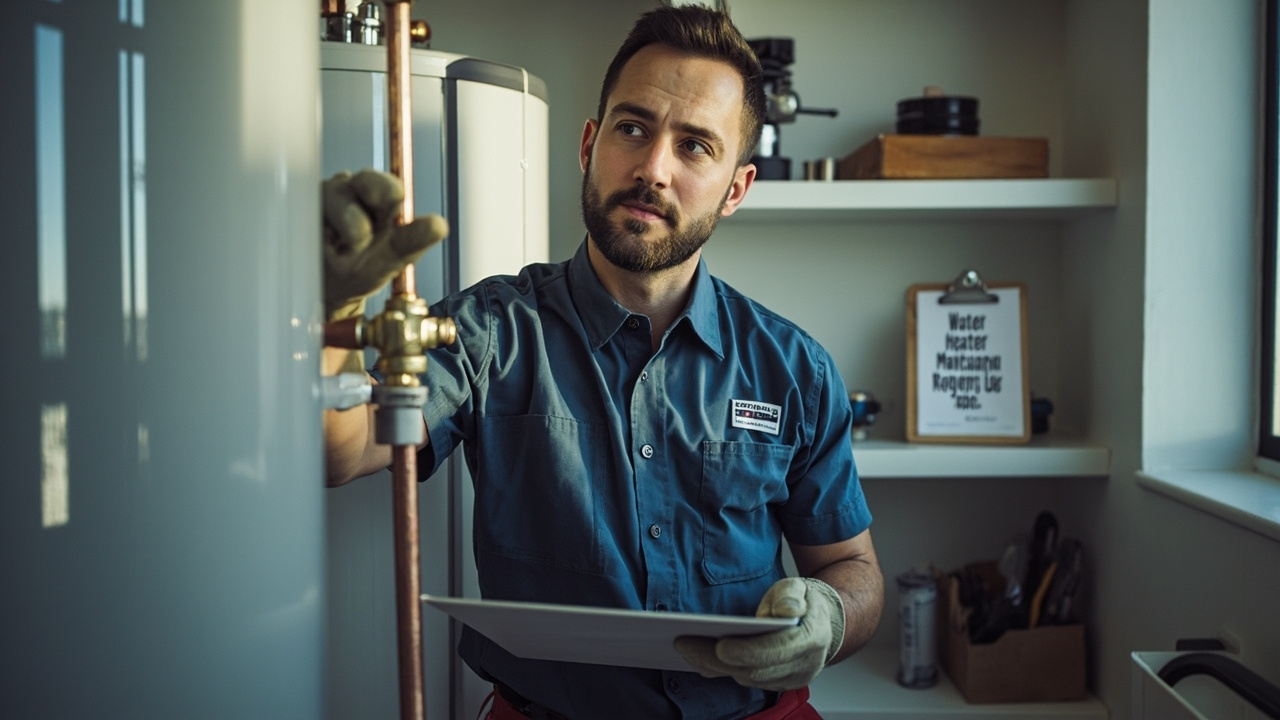
The pressure relief valve, mounted on the side or top of the tank, requires annual testing. This safety device opens automatically when internal pressure exceeds safe limits, preventing tank rupture. A technician lifts the test lever to confirm water flows freely through the discharge pipe. A valve that fails to release or continues dripping after testing needs immediate replacement.

Temperature verification ensures the thermostat setting remains at 120 degrees Fahrenheit. Higher temperatures accelerate sediment buildup and increase scalding risk. Lower temperatures allow bacteria growth, including Legionella. A calibrated thermometer confirms actual water temperature matches the thermostat setting. Adjustments correct discrepancies that waste energy or compromise safety.

A Plus Plumbing Los Angeles completes visual inspections of all connections, looking for corrosion at pipe joints, moisture around the tank base, and proper venting on gas units. These diagnostic steps catch problems early.

What Happens During Your Water Heater Maintenance Appointment

Water Heater Maintenance Tips in Los Angeles – Expert Preventative Care to Extend Your Tank's Lifespan
01

Initial System Assessment

A technician arrives and examines your water heater's age, type, and current condition. They check the manufacturer date stamped on the rating plate, test hot water temperature at nearby faucets, and listen for unusual sounds when the unit cycles. This assessment identifies immediate concerns and determines which maintenance tasks your specific tank requires based on its age and performance history.
02

Sediment Flush and Component Testing

The technician performs a complete tank flush, draining accumulated sediment until discharge water runs clear. They test the pressure relief valve function, inspect the anode rod for deterioration, and examine the dip tube that directs cold water to the tank bottom. Gas units receive burner assembly inspection and flue draft verification. Electric units undergo heating element testing with a multimeter to confirm proper resistance values.
03

Documentation and Recommendations

You receive a detailed report documenting all maintenance performed, component conditions, and any developing issues. The technician explains findings in clear terms, recommends a maintenance schedule based on your water hardness and usage patterns, and identifies which components will need replacement soon. This prevents surprise failures and helps you budget for future needs while maximizing your current tank's remaining lifespan.

Why Los Angeles Homeowners Trust Local Expertise for Water Heater Care

Los Angeles water chemistry varies by neighborhood. The Metropolitan Water District blends supplies from the Colorado River, Northern California, and local groundwater. This mixing creates unpredictable mineral concentrations that affect water heater performance differently across the city. A technician familiar with local water conditions recognizes patterns that generic maintenance guides miss.

Homes in the San Fernando Valley face different challenges than properties in Westside neighborhoods. Valley homes often deal with harder water and higher sediment accumulation rates. Coastal areas experience salt air corrosion that accelerates external tank deterioration. Downtown properties with older plumbing systems introduce rust and debris that damage heating elements faster. Generic maintenance schedules ignore these location-specific factors.

A Plus Plumbing Los Angeles understands how local building codes affect water heater installations and maintenance requirements. California requires earthquake strapping on all water heaters. Straps must attach to wall studs, not just drywall. Maintenance appointments include strap inspection to ensure compliance after any seismic activity. We verify proper expansion tank installation, which Los Angeles County code requires on closed plumbing systems to prevent thermal expansion damage.

Local expertise also means recognizing when maintenance cannot save an aging tank. A 12-year-old water heater showing rust stains near the bottom, even with proper maintenance, approaches failure. We provide honest assessments about repair versus replacement, explaining how remaining lifespan justifies maintenance costs. You avoid spending money maintaining a tank that will fail within months.

Our technicians carry parts common to Los Angeles installations. When an anode rod needs replacement or a pressure relief valve fails testing, we complete the repair during the same visit. You avoid multiple appointments and extended periods without proper hot water heater upkeep.

What You Can Expect From Professional Water Heater Maintenance

Appointment Scheduling and Duration

Most water heater maintenance appointments take 60 to 90 minutes depending on tank size and sediment accumulation. We offer flexible scheduling including evenings and weekends to minimize disruption to your routine. You receive confirmation calls the day before your appointment and text notifications when the technician is 30 minutes away. The service temporarily interrupts your hot water supply, but the tank reheats within 30 to 45 minutes after maintenance completion. Plan accordingly if you need hot water for specific activities.

Comprehensive System Evaluation

The technician performs a complete diagnostic assessment before beginning maintenance work. This includes water temperature verification, visual inspection of all connections and components, and documentation of your tank's current condition. You learn about your water heater's health status, including warning signs of developing problems. The evaluation identifies which components face imminent failure, allowing you to plan replacements before emergency situations develop. This diagnostic approach transforms routine maintenance into a strategic tool for avoiding costly breakdowns.

Measurable Performance Improvements

Proper maintenance delivers noticeable results. Sediment removal eliminates popping and rumbling sounds during heating cycles. Water heats faster and stays hot longer because the heating element contacts water directly instead of working through an insulating layer of minerals. You may notice reduced energy bills as the system operates more efficiently. Water pressure at fixtures improves when sediment stops clogging pipes. These tangible improvements confirm the value of preventative water heater maintenance and justify the service investment through extended equipment life.

Ongoing Maintenance Planning

You receive a customized water heater maintenance schedule based on your specific tank, water conditions, and usage patterns. Most Los Angeles homes benefit from annual maintenance, but homes with very hard water or high usage may need service every six months. We maintain service records tracking all maintenance performed, component replacements, and system changes over time. This documentation helps identify patterns and predict future needs. Scheduled maintenance reminders ensure you never miss critical service intervals that protect your investment.

Frequently Asked Questions

You Have Questions,
We Have Answers

What maintenance needs to be done on a water heater? +

Annual water heater maintenance includes flushing sediment from the tank, testing the temperature and pressure relief valve, checking the anode rod for corrosion, and inspecting gas connections or electrical components. In Los Angeles, hard water from certain neighborhoods can accelerate sediment buildup, making regular flushing critical. Set your thermostat to 120 degrees to prevent scalding and save energy. Check for leaks around the tank base and listen for unusual popping or rumbling noises that signal sediment accumulation. Residential tank-style heaters need more attention than tankless models, but both benefit from yearly professional inspection.

What happens if you don't flush your water heater? +

Skipping water heater flushing allows sediment to harden at the tank bottom, reducing heating efficiency and forcing your unit to work harder. This sediment layer insulates water from the heating element, increasing energy bills by up to 30 percent. In Los Angeles areas with mineral-heavy water, this buildup happens faster. The sediment eventually causes the tank to overheat, weakening the steel and leading to premature failure or leaks. You may hear loud popping sounds as steam bubbles escape through the sediment. Long-term neglect can cut your water heater lifespan in half and void manufacturer warranties.

How often should I flush a water heater? +

Flush your water heater once yearly for typical Los Angeles households. If you live in areas with particularly hard water, such as parts of the San Fernando Valley or foothill communities, consider flushing every six months. High water usage homes with large families should also flush more frequently. Tankless water heaters need descaling annually, while traditional tank models benefit from quarterly drain valve checks. Look for signs you need flushing sooner, including discolored water, reduced hot water volume, or rumbling noises. Annual flushing prevents sediment from hardening and extends your unit's functional lifespan significantly.

Can I do water heater maintenance myself? +

You can perform basic water heater maintenance if you feel comfortable working with plumbing connections and gas or electrical systems. Simple tasks include checking the pressure relief valve, adjusting the thermostat, and inspecting for visible leaks. However, Los Angeles building codes require licensed professionals for gas line work and certain repairs. Anode rod replacement requires specific tools and knowledge of your tank configuration. If you have never flushed a water heater before, mistakes can flood your space or damage the unit. Tankless models involve more complex maintenance best left to professionals. Annual professional inspection catches problems you might miss.

Can I flush my water heater myself? +

Flushing your water heater yourself is possible if you follow proper steps. Turn off power or gas, shut the cold water inlet, attach a garden hose to the drain valve, and open hot water faucets to break the vacuum. Let the tank drain completely, then briefly open the inlet to stir remaining sediment before draining again. Los Angeles homeowners should verify their drain valve functions properly before starting, as corroded valves can break during DIY attempts. If your water heater sits in a tight space or shows signs of valve damage, call a professional to avoid flooding or injury.

What are the 7 elements of preventive maintenance? +

The seven elements of preventive water heater maintenance include visual inspection for leaks or corrosion, temperature and pressure relief valve testing, thermostat verification, anode rod examination, sediment flushing, combustion chamber cleaning for gas units, and electrical connection checks for electric models. In Los Angeles, additional focus on seismic strapping verification ensures code compliance after ground movement. Each element prevents specific failure modes. Visual inspections catch early rust, valve testing prevents explosions, anode rods stop internal corrosion, and flushing removes efficiency-killing sediment. Professional technicians complete these tasks systematically, documenting findings for warranty purposes and future reference.

Should I flush a 20 year old water heater? +

Flushing a 20-year-old water heater carries risks because drain valves often corrode shut after years without use. If sediment has accumulated for two decades, the buildup may be cemented in place and nearly impossible to remove. Attempting to flush an ancient unit can break the valve, causing flooding. At 20 years, your water heater has exceeded typical 10 to 15 year lifespans and replacement makes more financial sense than maintenance. Los Angeles homeowners should consider upgrading to energy-efficient models that meet current codes and reduce utility bills rather than investing in maintenance for units this old.

How much does a plumber charge to flush it? +

Professional water heater flushing in Los Angeles typically costs between $100 and $200, depending on tank size, accessibility, and sediment severity. This service includes draining the tank, clearing sediment, inspecting the anode rod, testing safety valves, and checking for leaks. Pricing varies by neighborhood and company. Severely neglected tanks with hardened sediment take longer and may cost more. Many Los Angeles plumbers offer maintenance packages that include flushing with other inspections at discounted rates. While pricing varies, the service pays for itself through improved efficiency and extended equipment life, preventing costly emergency replacements.

Is flushing the same as draining? +

Flushing and draining are related but different processes. Draining simply empties the tank by opening the drain valve. Flushing involves draining the tank while simultaneously running fresh water through to agitate and remove sediment that clings to tank walls and the bottom. For effective maintenance, you need to flush, not just drain. In Los Angeles, where mineral deposits accumulate quickly, proper flushing requires multiple drain and refill cycles to remove stubborn sediment. Many homeowners drain their tanks thinking they have flushed them, but without the agitation step, they leave most sediment behind and gain minimal benefit.

Is it worth it to flush your water heater? +

Flushing your water heater absolutely pays off through extended lifespan, improved energy efficiency, and reduced repair costs. Regular flushing removes sediment that causes 70 percent of tank failures and can cut heating costs by 20 percent or more. For Los Angeles homeowners facing high energy rates, this efficiency gain directly reduces monthly bills. A flushed water heater heats faster and maintains temperature better than a sediment-filled unit. The small annual investment in flushing prevents premature replacement of a unit that costs $1,500 to $3,000 installed. Most manufacturers require documented maintenance to honor warranties, making flushing essential for coverage.

How Los Angeles Hard Water Accelerates Water Heater Damage Without Regular Maintenance

Los Angeles receives water averaging 12 to 18 grains per gallon hardness, classified as hard to very hard. Every gallon heated in your tank leaves behind dissolved calcium and magnesium as sediment. A family of four using 64 gallons of hot water daily cycles through 23,360 gallons annually, depositing pounds of mineral scale inside the tank. This accumulation happens faster in Los Angeles than in cities with soft water supplies. Without annual flushing, sediment builds to several inches thick within three years, creating an insulating barrier that forces your heating element to work harder and longer to raise water temperature. Energy waste compounds daily until the overworked element fails or the tank corrodes through.

Professional plumbers serving Los Angeles understand the direct relationship between local water chemistry and water heater lifespan. We see identical tanks installed simultaneously fail at different rates based solely on maintenance consistency. Homeowners following a proper water heater care checklist reliably reach 12 to 15 years of service. Those skipping maintenance face failure between years six and eight. A Plus Plumbing Los Angeles provides the specific preventative steps your tank needs to survive Los Angeles water conditions. We base our maintenance protocols on thousands of local service calls, not generic manufacturer recommendations written for average national water quality.
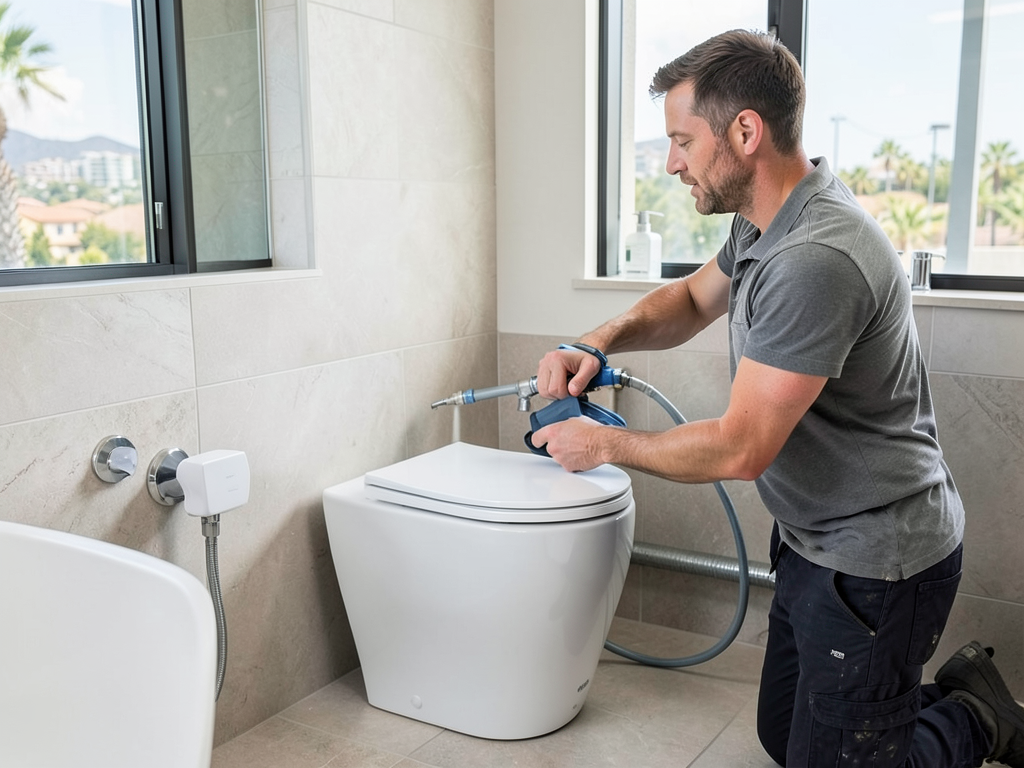
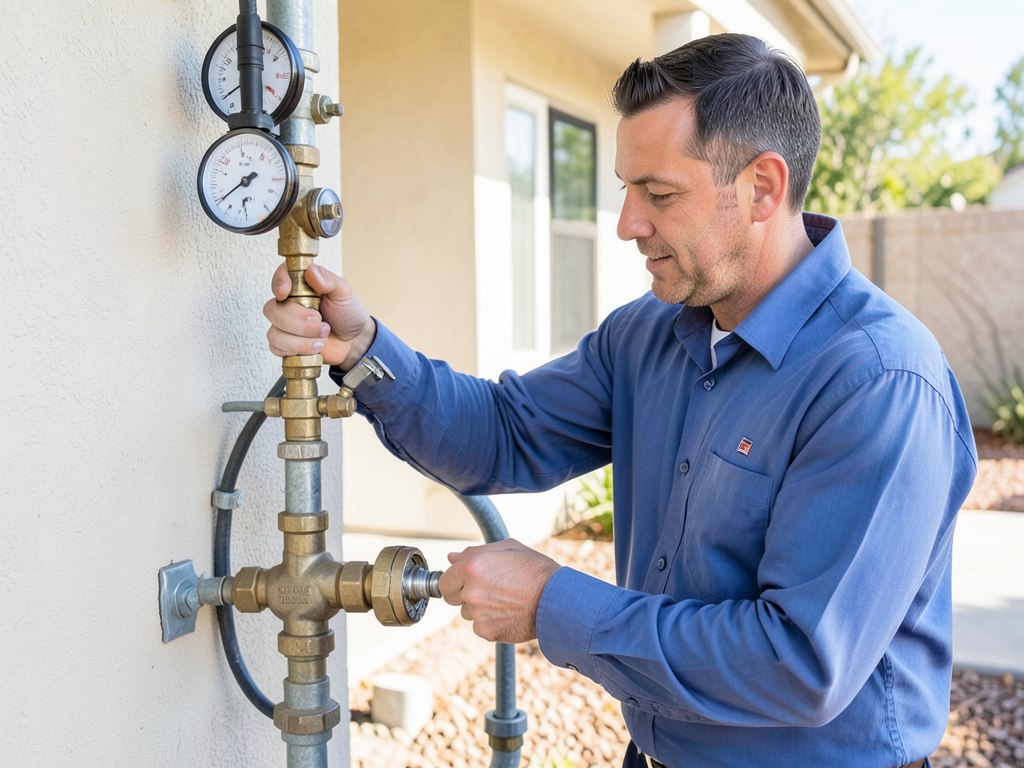
Plumbing Services in The Los Angeles Area

Discover where we operate and easily locate our office or service areas on the map below. Whether you're planning routine maintenance or dealing with an urgent plumbing issue, you’ll see we’re right in your neighborhood. Use the interactive map to view service zones, our central office location, and nearby landmarks. You can zoom in for detailed directions or get contact info directly—with just a click, get directions to meet our skilled plumbing team in person.

Address:
A Plus Plumbing Los Angeles, 6080 Center Dr, Los Angeles, CA, 90045

Additional Services We Offer

Our news updates

Latest Articles & News from The Blogs

Blue and Green Stains in Your Larchmont Village Sinks (What It Means for Your Pipes) Those blue-green streaks on your…

Blue and Green Stains in Your Larchmont Village Sinks (What It Means for Your Pipes)

Blue and Green Stains in Your Larchmont Village Sinks (What It Means for Your Pipes) Those blue-green streaks on your…

Why Toluca Lake Sellers Should Get a Sewer Scope Done Before Listing Their Property

Why Toluca Lake Sellers Should Get a Sewer Scope Done Before Listing Their Property Selling your home in Toluca Lake…

Water Softeners vs Salt-Free Conditioners for Dealing With Porter Ranch Hard Water

Water Softeners vs Salt-Free Conditioners for Dealing With Porter Ranch Hard Water Porter Ranch residents know the frustration of hard…

Contact Us

Stop sediment damage before it destroys your tank. Call A Plus Plumbing Los Angeles at (213) 449-7577 now to schedule comprehensive water heater maintenance. Our technicians serve all Los Angeles neighborhoods with same-week appointments and honest assessments you can trust.