




menu

Mold in Bathroom Cabinets in Los Angeles – Expert Detection and Complete Remediation for Safer Indoor Air

Professional mold in bathroom cabinets remediation that targets hidden spore colonies, eliminates moisture sources, and restores safe air quality in homes throughout the Los Angeles basin.

Slider Image 1
Slider Image 2
Slider Image 3
Slider Image 4
Slider Image 5
Slider Image 7
Slider Image 8
Slider Image 9
Slider Image 10
Slider Image 11

Why Bathroom Vanity Mold Takes Hold So Quickly in Los Angeles Homes

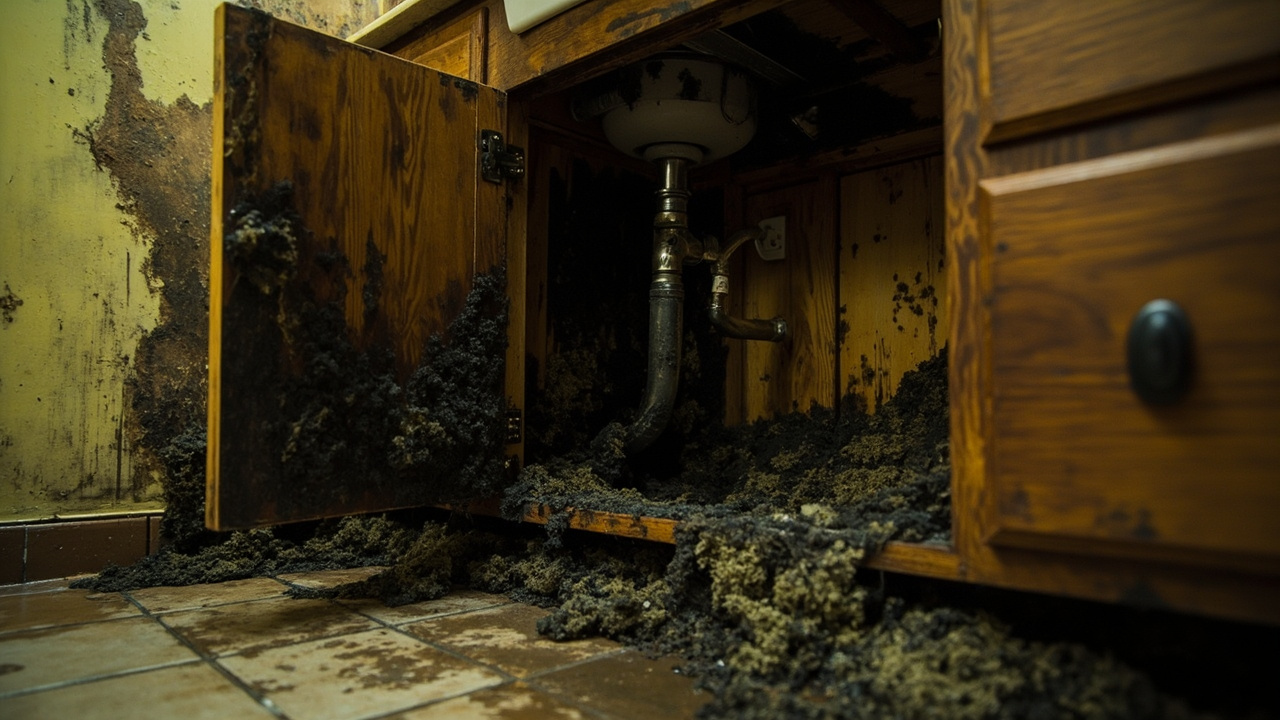
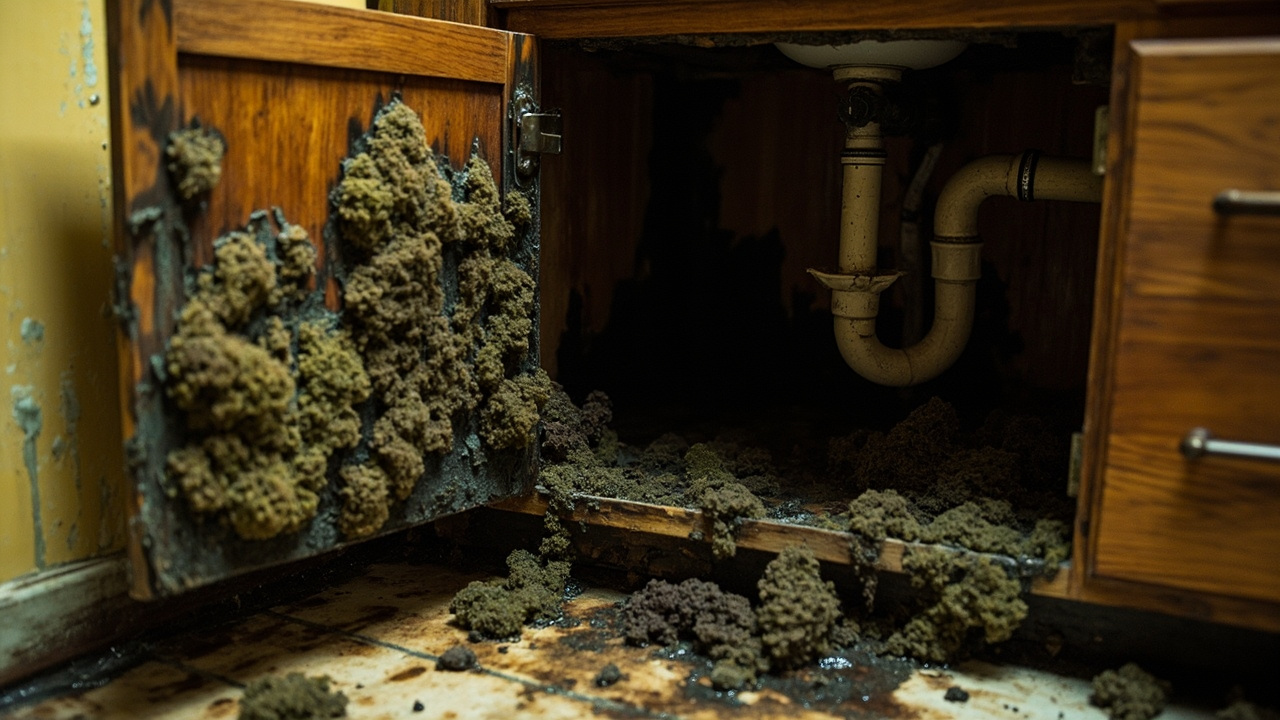
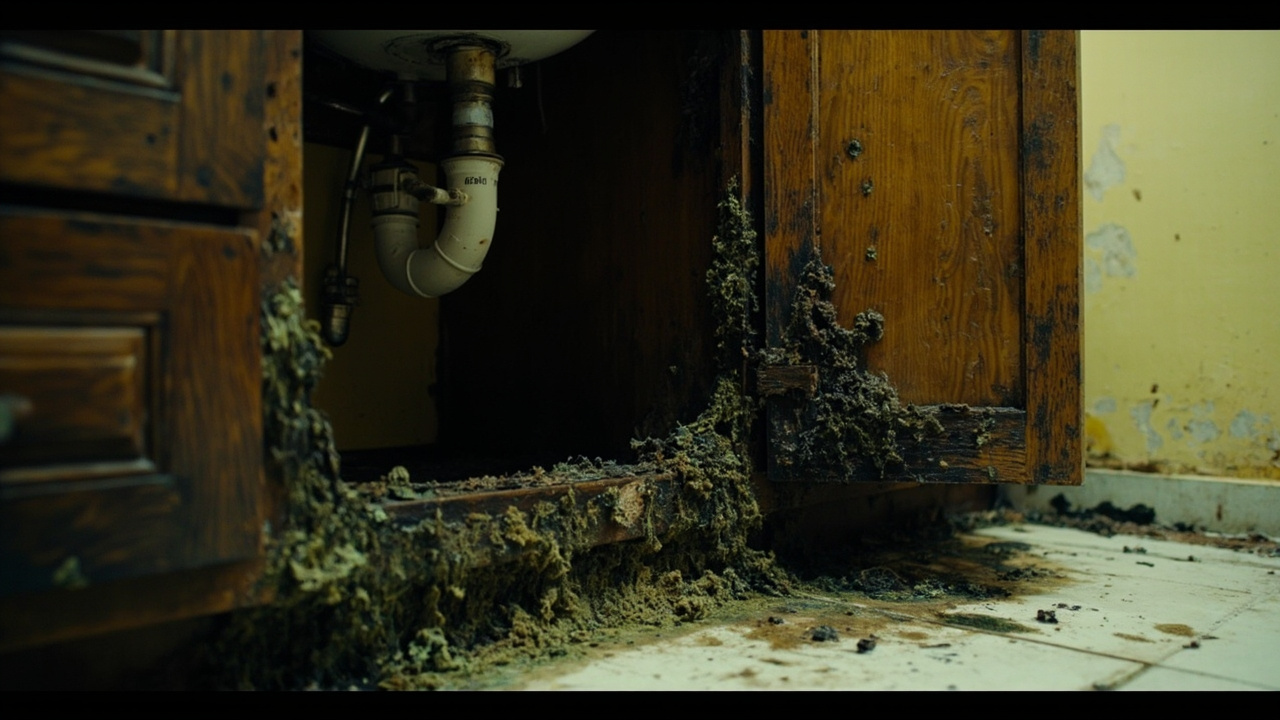
You open the cabinet under your sink and see it. Dark spots creeping up the particle board. A musty smell that hits you immediately. Bathroom vanity mold does not announce itself until it has already spread.

Los Angeles homes face a unique challenge. The marine layer that rolls in from the Pacific creates morning humidity spikes, especially in coastal neighborhoods like Santa Monica, Venice, and Marina del Rey. That moisture gets trapped inside bathroom cupboards where air circulation is nearly zero. Add a slow drip from a P-trap or supply line, and you have created a perfect environment for mold growth inside vanity structures.

Most homeowners do not realize the problem exists until they see visible colonies. By that point, mildew in bathroom cabinets has already compromised the cabinet materials and potentially spread spores into your HVAC system. The particle board and MDF commonly used in vanity construction act like sponges. Once saturated, they stay damp for weeks.

You might think the problem is cosmetic. It is not. Mold under bathroom sink areas releases spores into the air you breathe every time you open that door. Children, elderly family members, and anyone with respiratory conditions face the highest risk. The spores do not stay contained. They travel through your home on air currents.

The coastal humidity combined with older plumbing common in pre-1980s housing stock across Westchester, Culver City, and Mid-Wilshire creates a repeating cycle. Fix the visible mold without addressing the moisture source, and you will see bathroom cupboard mold return within months.

Why Bathroom Vanity Mold Takes Hold So Quickly in Los Angeles Homes
How Professional Mold Remediation Differs from Surface Cleaning

How Professional Mold Remediation Differs from Surface Cleaning

Spraying bleach on visible mold does nothing to solve the problem. It kills surface spores but leaves the root structure intact. Within days, new colonies appear. Professional remediation follows a completely different approach.

We start with moisture mapping using thermal imaging cameras. These tools reveal hidden water intrusion behind walls and under flooring that you cannot see. A drip from a supply line or condensation from an uninsulated cold water pipe creates the moisture that feeds mold growth inside vanity cabinets.

Once we identify all moisture sources, we establish containment. Negative air pressure prevents spores from spreading to other rooms during remediation. HEPA filtration units run continuously, capturing airborne particles down to 0.3 microns. This is not optional. Disturbing mold colonies without containment turns a localized problem into whole-home contamination.

Material removal comes next. Porous materials like particle board, drywall, and insulation cannot be salvaged once colonized. We remove and bag these materials following IICRC S520 protocols. Non-porous surfaces like tile, metal pipes, and porcelain get treated with antimicrobial solutions that eliminate root structures.

The final phase addresses the source. We repair leaking supply lines, replace failed wax rings, upgrade drain assemblies, and improve ventilation. A Plus Plumbing Los Angeles technicians do not just clean mold. We eliminate the conditions that allowed bathroom vanity mold to develop in the first place. That means examining trap assemblies, checking for slab leaks in post-tension concrete foundations common in newer construction, and verifying proper slope on drain lines.

This comprehensive approach is why our remediation work lasts. We treat the cause, not just the symptom.

What Happens During Your Bathroom Cabinet Mold Remediation

Mold in Bathroom Cabinets in Los Angeles – Expert Detection and Complete Remediation for Safer Indoor Air
01

Initial Assessment and Testing

We inspect all bathroom cabinets, check moisture levels with pin and pinless meters, and photograph existing damage. Air quality samples get sent to an independent lab for spore identification and concentration levels. This gives you a clear baseline and confirms whether remediation is necessary. We map plumbing lines and identify all potential moisture sources before any work begins.
02

Containment and Removal

Plastic sheeting seals off the work area while negative air machines create pressure differentials that prevent spore migration. We remove contaminated materials, bag them in 6-mil polyethylene, and dispose of them according to California regulations. All surfaces get HEPA vacuumed and treated with EPA-registered antimicrobial solutions. We fix the plumbing issues that caused moisture accumulation, whether that means replacing supply lines, repairing drain assemblies, or upgrading ventilation.
03

Verification and Prevention

Post-remediation air quality testing confirms spore levels have returned to normal background concentrations. We provide documentation of all work performed, including photos and lab results. You receive specific recommendations for preventing recurrence, including ventilation upgrades, dehumidification strategies, and maintenance schedules. We verify all plumbing repairs hold pressure and check back after 30 days to confirm the environment remains dry.

Why Los Angeles Homeowners Choose Local Mold Remediation Experts

Mold remediation is not a DIY project. It requires understanding building science, microbiology, and plumbing systems. Companies that specialize in Los Angeles homes bring knowledge that out-of-area providers cannot match.

We understand how Spanish Colonial Revival architecture common in Hollywood Hills and Silver Lake creates hidden moisture traps. We know that stucco exteriors on wood-frame construction require careful flashing details around plumbing penetrations. We have worked on enough mid-century modern homes in Encino and Sherman Oaks to recognize how flat roofs with parapet walls can cause water intrusion that feeds bathroom cupboard mold two floors below.

Local building codes matter. Los Angeles requires specific ventilation rates in bathrooms based on square footage. Many older homes do not meet current code. When we remediate mold, we bring ventilation up to current standards. That means properly sized exhaust fans vented to exterior, not into attics. It means makeup air to prevent negative pressure that can pull sewer gases through dried-out traps.

A Plus Plumbing Los Angeles maintains relationships with local industrial hygienists, structural engineers, and restoration contractors. When mold growth inside vanity cabinets indicates larger problems like slab leaks or foundation issues, we coordinate with specialists who understand Los Angeles construction methods.

Insurance claims require documentation. We provide detailed reports, lab results, and photographic evidence that help you navigate the claims process. We know which language insurance adjusters look for and how to document pre-loss conditions versus mold damage.

You also get faster response. We are not dispatching crews from Orange County or Riverside. Our technicians live and work in Los Angeles. When you call about mildew in bathroom cabinets, we schedule assessments within 24 hours, not next week.

Trust matters when you are dealing with hidden contamination in your home. Local companies have reputations to protect. We have been serving Los Angeles neighborhoods for years, and we plan to be here for decades more.

What to Expect During Bathroom Cabinet Mold Remediation

Response Time and Scheduling

We schedule initial assessments within 24 hours of your call. Most evaluations take 60 to 90 minutes and include moisture mapping, visual inspection, and air quality sampling. Lab results come back in 48 to 72 hours. Once you approve the scope of work, we typically begin remediation within three to five business days. The actual remediation takes one to three days depending on the extent of contamination and necessary plumbing repairs. We work around your schedule and provide daily updates on progress.

Assessment and Documentation Process

Your assessment includes thermal imaging to detect hidden moisture, moisture meter readings on all suspect materials, and photographic documentation of existing conditions. We collect air samples from the affected area and control samples from unaffected areas for comparison. You receive a written report detailing findings, lab results, recommended scope of work, and cost estimates. We explain why certain materials must be removed and which can be treated in place. The assessment fee applies toward remediation if you choose to proceed.

The Finished Result

Remediation leaves you with a completely dry, mold-free environment verified by post-testing. All damaged materials get replaced with moisture-resistant alternatives. Plumbing repairs eliminate the water source that caused the original problem. You receive documentation including before and after photos, air quality test results showing spore counts have returned to normal levels, and detailed invoices. The work area gets cleaned thoroughly. Your bathroom cabinet space is ready for new vanity installation or can be left as finished framing if you plan additional remodeling.

Prevention and Follow-Up

We provide written recommendations for preventing recurrence, including ventilation improvements, humidity control strategies, and plumbing maintenance schedules. You learn warning signs to watch for and understand what moisture levels are normal for Los Angeles homes. We offer optional follow-up inspections at 30 and 90 days to verify the environment remains dry and mold-free. Our plumbing repairs carry standard workmanship guarantees. If you notice any signs of returning moisture or mold within the first year, we come back to investigate at no charge.

Frequently Asked Questions

You Have Questions,
We Have Answers

How do you get rid of mold in bathroom cabinets? +

Remove all items from the cabinet and ventilate the space. For small patches, scrub affected areas with a stiff brush and a solution of one part bleach to ten parts water. Wear gloves and a mask. Dry thoroughly with fans. If mold covers more than 10 square feet or has penetrated wood deeply, you need professional remediation. Los Angeles homes often trap moisture due to marine layer humidity and poor ventilation in older construction. Fix the moisture source first or mold returns within weeks. Replace damaged materials if wood feels soft or crumbles.

Why is mold growing in my bathroom vanity? +

Mold grows when moisture meets organic material like wood or drywall. Common causes include leaking pipes under the sink, poor ventilation trapping steam, or condensation from Los Angeles coastal humidity. Check for pinhole leaks in supply lines or slow drips from drain connections. Many vanities in older LA homes lack proper vapor barriers behind them. The cabinet may also sit against an exterior wall that sweats during cooler mornings when marine layer moisture hits warmer interior air. You must eliminate the water source before treating visible growth.

Can moldy cabinets be saved? +

Yes, if you catch it early and the structure remains solid. Surface mold on painted or sealed wood can be cleaned and salvaged. Test the wood by pressing firmly. If it feels spongy or your finger leaves an indent, the integrity is compromised and replacement is safer. Sand affected areas after cleaning, then seal with mold-resistant primer and paint. If mold has spread through particleboard or MDF common in builder-grade vanities, replacement is more cost-effective than restoration. Always address the moisture problem first or you waste time and money.

Will mold go away if it dries out? +

No. Mold goes dormant when dry but does not die. Spores remain viable for years and reactivate the moment moisture returns. This is critical in Los Angeles where humidity spikes during June Gloom or after winter rains. Dormant mold still releases allergens and mycotoxins that affect indoor air quality. You must physically remove mold growth and treat surfaces with antimicrobial solutions. Drying alone just pauses the problem. Proper remediation requires cleaning, treatment, and fixing the moisture source to prevent reactivation during the next humid spell.

What are the 10 warning signs of mold toxicity? +

Watch for persistent fatigue, difficulty concentrating, headaches, respiratory issues like coughing or wheezing, sinus congestion, skin rashes, joint pain, digestive problems, mood changes, and light sensitivity. These symptoms worsen in the affected space and improve when you leave. Los Angeles residents often mistake mold symptoms for seasonal allergies due to high pollen counts. If multiple people in your household show these signs, inspect bathrooms and cabinets for hidden growth. Mold toxicity requires medical evaluation and professional remediation. Document symptoms and environmental conditions when seeking diagnosis.

What kills mold permanently? +

Nothing kills mold permanently if moisture remains. EPA-registered antimicrobial solutions and concrobium mold control work best for treated surfaces. Bleach kills surface mold but does not penetrate porous materials like drywall or unfinished wood. For permanent results, you must remove contaminated materials, fix leaks, improve ventilation, and control humidity below 60 percent. In Los Angeles bathrooms, install exhaust fans vented to the exterior and run them during and 20 minutes after showers. Encapsulate treated wood with mold-resistant primer. Prevention through moisture control is the only lasting solution.

Can you just wipe off black mold? +

No. Wiping spreads spores into the air and deeper into porous surfaces. Black mold requires proper containment and removal. For hard, non-porous surfaces like tile or glass, you can scrub with antimicrobial cleaner while wearing N95 masks and gloves. For porous materials like drywall, wood, or cabinet interiors, wiping pushes spores into the material. Black mold often indicates prolonged moisture problems. If growth exceeds one square foot or you smell musty odors without seeing mold, call a professional. Los Angeles building codes require proper remediation protocols for rentals and sales.

How do Japanese bathrooms not get mold? +

Japanese bathrooms use separate wet and dry zones, waterproof room construction, and superior ventilation design. The entire bathroom functions as a sealed shower pan with floor drains, eliminating standing water. They use quick-drying materials and run ventilation constantly. Los Angeles homes can adapt some principles by installing high-CFM exhaust fans, squeegee-ing shower walls after use, and leaving cabinet doors open after showers to promote airflow. Adding a small fan inside vanity cabinets helps. The key difference is intentional design for moisture management, not just reactive ventilation.

What is better for mold dehumidifier or air purifier? +

Dehumidifiers prevent mold by removing moisture from the air. Air purifiers capture airborne spores but do not address the root cause. For Los Angeles bathrooms, a dehumidifier is more effective if humidity stays above 60 percent. Portable units work well in larger master baths. However, proper exhaust ventilation is the primary defense. An air purifier with a HEPA filter helps during remediation by capturing disturbed spores but cannot prevent growth. Combine ventilation, humidity control below 50 percent, and regular cleaning for best results. Fix leaks first or neither device solves the problem.

What is commonly mistaken for black mold? +

Dirt, soot, and mildew often get confused with black mold. Dark grout discoloration, mineral deposits from hard water common in parts of Los Angeles, and tannin staining from wood also mimic mold. Apply a drop of bleach to the spot. If it lightens quickly, it is mildew. Black mold grows in patches with fuzzy or slimy texture and produces a musty smell. Efflorescence, white or gray crystalline deposits from water seepage through concrete, looks alarming but is mineral salts, not mold. When uncertain, have it tested before expensive remediation.

How Marine Layer Humidity Accelerates Bathroom Vanity Mold in Coastal Los Angeles

The marine layer that blankets coastal Los Angeles from May through July creates morning humidity levels that spike above 80 percent. That moisture penetrates homes through foundation vents, attic vents, and any gaps in building envelopes. Bathrooms in neighborhoods west of the 405 freeway face the highest risk. The cool, damp air settles into enclosed cabinet spaces where it condenses on cold water supply lines. This daily cycle of humidity fluctuation creates ideal conditions for mold under bathroom sink areas. Homes built before 1990 often lack adequate vapor barriers in exterior walls, making the problem worse. Understanding this local climate pattern is critical for effective mold prevention.

A Plus Plumbing Los Angeles technicians work daily in neighborhoods from Pacific Palisades to Manhattan Beach. We understand how coastal construction differs from homes in the Valley or downtown areas. We know which vintage of construction used particle board vanities that deteriorate rapidly when exposed to moisture. We recognize the signs of chronic humidity issues versus acute plumbing leaks. This local knowledge helps us provide accurate assessments and permanent solutions rather than temporary fixes. When you hire a company that specializes in Los Angeles homes, you get expertise built on thousands of local jobs, not generic approaches used everywhere.
Plumbing Services in The Los Angeles Area

Discover where we operate and easily locate our office or service areas on the map below. Whether you're planning routine maintenance or dealing with an urgent plumbing issue, you’ll see we’re right in your neighborhood. Use the interactive map to view service zones, our central office location, and nearby landmarks. You can zoom in for detailed directions or get contact info directly—with just a click, get directions to meet our skilled plumbing team in person.

Address:
A Plus Plumbing Los Angeles, 6080 Center Dr, Los Angeles, CA, 90045

Additional Services We Offer

Our news updates

Latest Articles & News from The Blogs

Everything You Need to Know About Sewer Connections for a Valley Village ADU Adding an accessory dwelling unit to your…

Everything You Need to Know About Sewer Connections for a Valley Village ADU

Everything You Need to Know About Sewer Connections for a Valley Village ADU Adding an accessory dwelling unit to your…

How to Get Rid of That Sulfur Smell in Your Van Nuys Water Heater

How to Get Rid of That Sulfur Smell in Your Van Nuys Water Heater \p>If your hot water smells like…

Why Replacing Plastic Supply Lines With Braided Stainless Steel Can Save Your Toluca Lake Home From Water Damage

Why Replacing Plastic Supply Lines With Braided Stainless Steel Can Save Your Toluca Lake Home From Water Damage Water damage…

Contact Us

Mold does not improve with time. Every day you wait allows spores to spread further through your home. Call (213) 449-7577 now to schedule your assessment. We will identify the source, eliminate the contamination, and fix the plumbing issues causing moisture problems.