



menu

Preventative Commercial Maintenance in Los Angeles – Minimize Downtime and Eliminate Costly Emergency Repairs

Scheduled commercial plumbing upkeep protects your property from catastrophic failures, ensures compliance with Los Angeles County building codes, and keeps your operations running without interruption.

Slider Image 1
Slider Image 2
Slider Image 3
Slider Image 4
Slider Image 5
Slider Image 7
Slider Image 8
Slider Image 9
Slider Image 10
Slider Image 11

Why Commercial Plumbing Failures Cost Los Angeles Businesses More Than You Think

Los Angeles operates under some of the strictest plumbing codes in California, governed by the Los Angeles Department of Building and Safety. When commercial systems fail during business hours, you face immediate revenue loss, potential health code violations, and liability exposure.

The region's hard water accelerates mineral buildup in supply lines and water heaters. High-rise buildings in Downtown Los Angeles and Mid-Wilshire face compounded pressure issues that strain aging pipe systems. Commercial facilities in industrial zones near Vernon and Commerce deal with grease trap failures that trigger cascade shutdowns.

Without routine commercial plumbing inspections, small issues become expensive emergencies. A minor leak in a bathroom supply line becomes a ceiling collapse that forces evacuation. A slow drain in a kitchen becomes a health department citation that shuts down operations. Commercial plumbing maintenance plans identify these problems before they escalate.

Most facility managers react to failures instead of preventing them. This approach costs three to five times more than preventive commercial plumbing services. Emergency calls happen at the worst times. Weekend failures mean overtime rates and rushed repairs that cut corners. Commercial plumbing service agreements shift you from reactive to proactive.

The businesses that survive long-term in Los Angeles are the ones that treat infrastructure as a strategic asset, not an afterthought. Scheduled commercial plumbing upkeep protects your investment and eliminates surprises that damage your reputation.

Why Commercial Plumbing Failures Cost Los Angeles Businesses More Than You Think
How Preventative Commercial Maintenance Protects Your Operations

How Preventative Commercial Maintenance Protects Your Operations

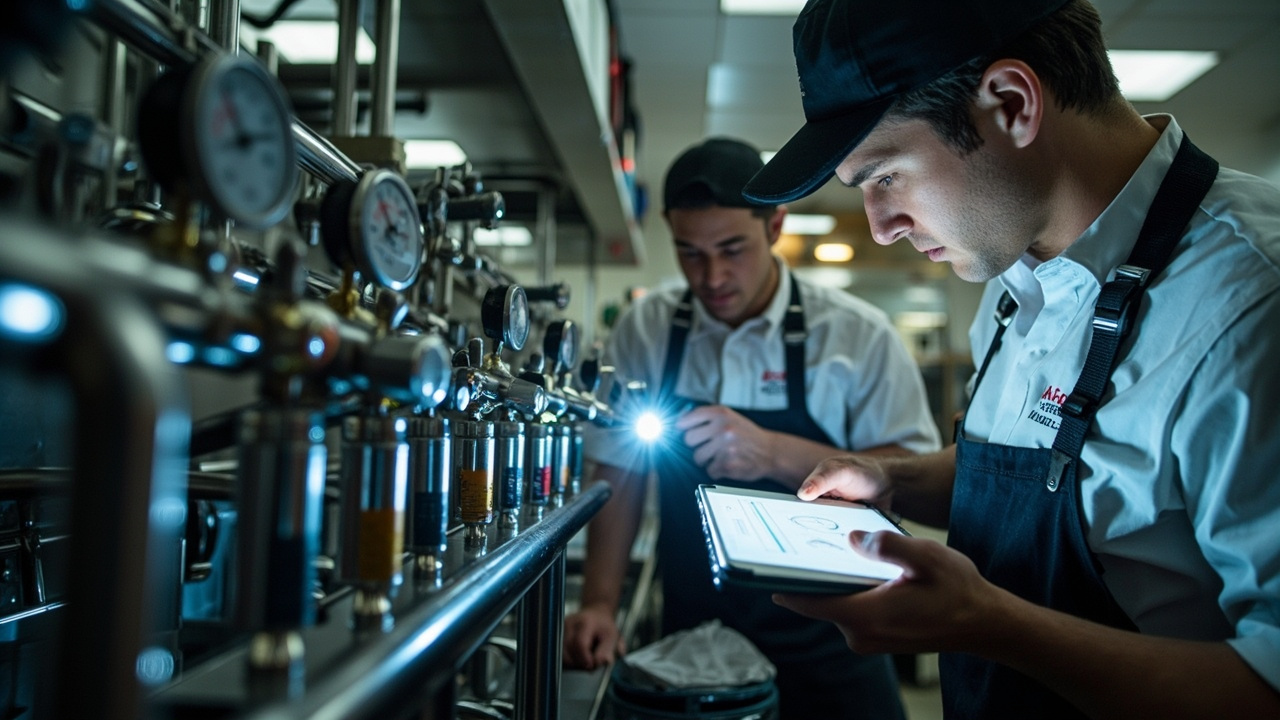
Commercial plumbing maintenance plans begin with system documentation. We map your entire plumbing infrastructure, identifying shut-off valves, backflow preventers, pressure-reducing valves, and all critical components. This creates a baseline that allows us to track degradation over time.

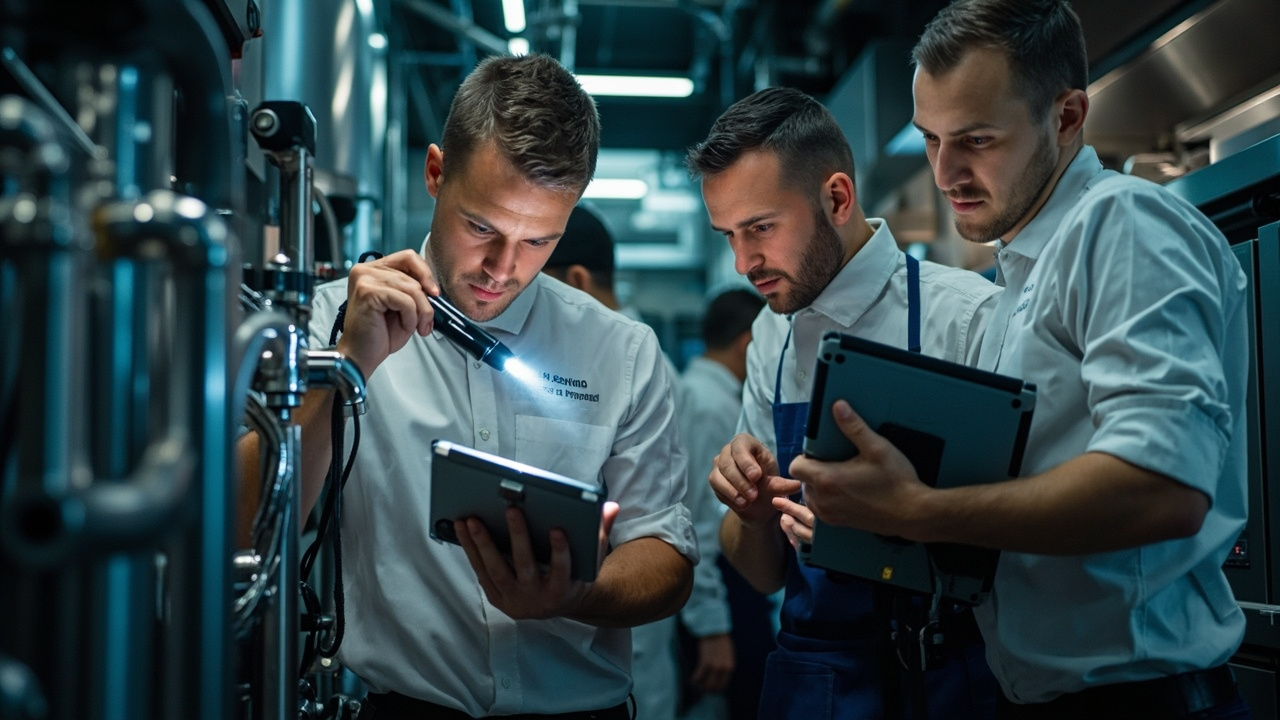
Routine commercial plumbing inspections focus on high-risk areas. We pressure-test supply lines to detect weak points before they rupture. We camera-inspect drain lines to identify root intrusion, corrosion, or blockages forming in cast iron systems common in older Los Angeles buildings. We test backflow prevention devices to ensure compliance with LA County health regulations.

Water heater inspections include anode rod assessment, sediment flushing, and temperature-pressure relief valve testing. Commercial water heaters in Los Angeles deal with mineral-heavy municipal water that shortens equipment life. Regular maintenance extends replacement cycles and prevents mid-shift failures.

We inspect all fixture connections, looking for corrosion at supply stops and trap seals that allow sewer gas infiltration. In restaurant and food service facilities, we verify grease trap function and pumping schedules to prevent the buildups that cause main line backups.

Gas line inspections check for pressure drops that indicate leaks. We soap-test all connections and verify proper venting on commercial water heaters and boilers. Los Angeles seismic activity can shift gas connections over time, creating dangerous situations that only systematic inspection catches.

Our preventive commercial plumbing services include detailed reporting. You receive documentation showing current system condition, recommended repairs, and projected replacement timelines. This allows you to budget accurately and avoid emergency expenditures that damage cash flow.

What Happens During Your Scheduled Service Visit

Preventative Commercial Maintenance in Los Angeles – Minimize Downtime and Eliminate Costly Emergency Repairs
01

Complete System Assessment

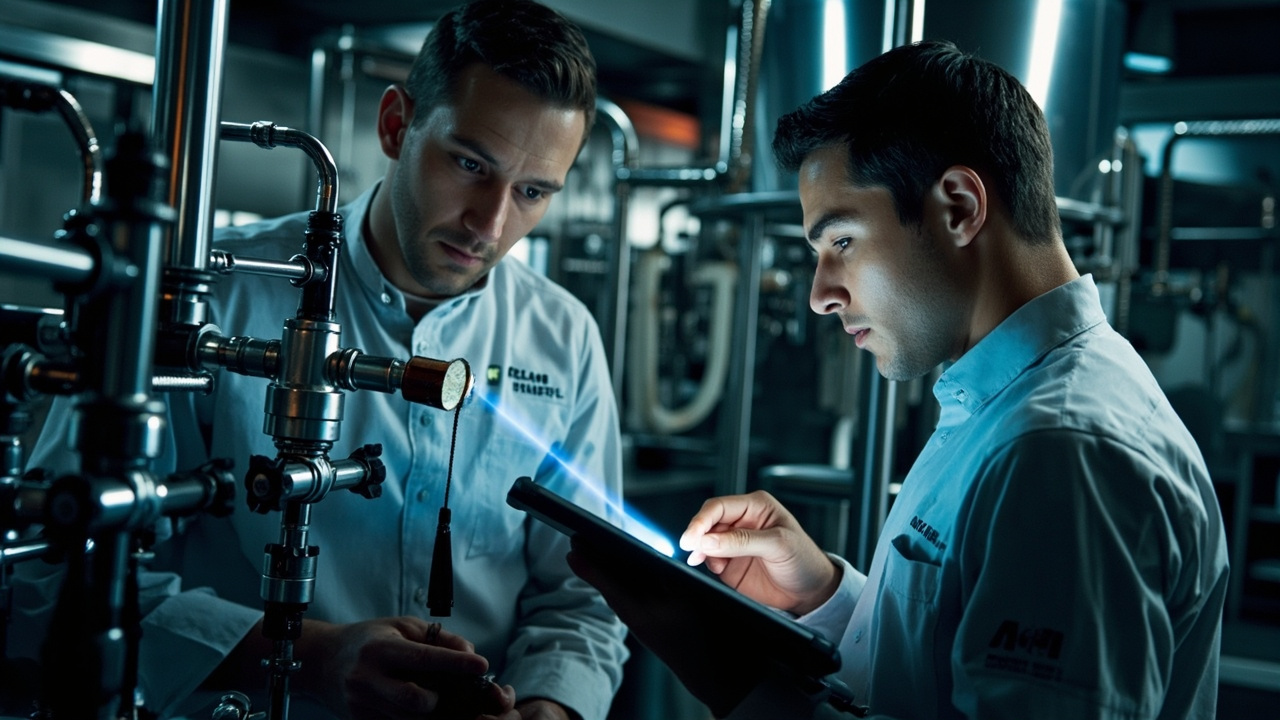
Our technicians arrive during your specified maintenance window with diagnostic equipment. We access all plumbing areas, including mechanical rooms, roof penetrations, and below-grade cleanouts. Using infrared cameras and acoustic leak detectors, we identify problems invisible to visual inspection. We document every finding with photos and pressure readings that establish current baseline performance for your facility.
02

Immediate Corrections and Adjustments

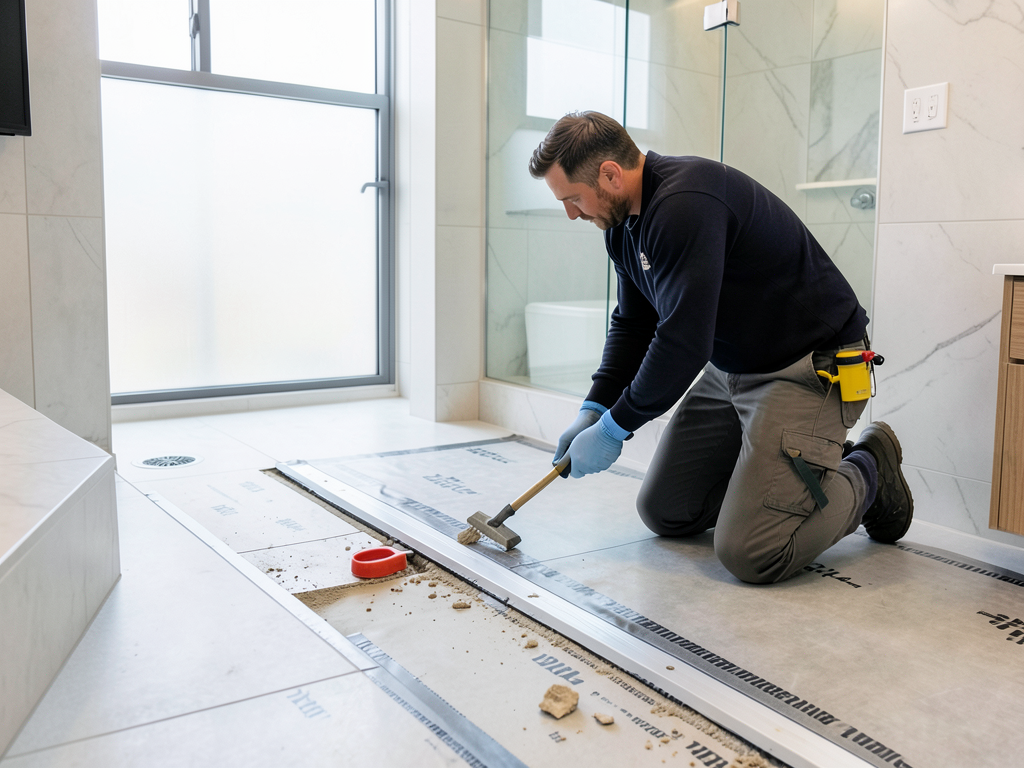
Minor issues get corrected during the visit. We replace worn valve stems, tighten loose connections, adjust water pressure regulators, and clear slow drains. We perform water heater maintenance including sediment flushing and safety device testing. For larger issues requiring parts or extended downtime, we schedule follow-up work that fits your operational calendar and minimizes business disruption.
03

Detailed Reporting and Planning

You receive a comprehensive inspection report within 24 hours. This document includes all findings, completed repairs, recommended future work, and priority rankings. We provide cost estimates for suggested repairs and projected timelines for component replacements. This allows you to plan capital expenditures and avoid budget surprises. Your next scheduled visit is automatically calendared based on your commercial plumbing service agreement terms.

Why Los Angeles Businesses Choose A Plus Plumbing Los Angeles for Commercial Maintenance

Commercial plumbing in Los Angeles requires familiarity with local code requirements that change by jurisdiction. The City of Los Angeles, Beverly Hills, Santa Monica, and Culver City all operate under different amendments to the California Plumbing Code. We maintain current knowledge of these variations and ensure your facility meets the specific standards for your address.

Our technicians understand the unique challenges of Los Angeles commercial buildings. We work in high-rises that require coordination with building engineers and property management. We service restaurants in congested areas like Koreatown and the Arts District where access requires off-hours scheduling. We maintain facilities in industrial zones where operations never stop and downtime equals direct revenue loss.

We carry commercial-grade equipment that residential plumbers lack. Our hydro-jetting systems clear main lines up to 12 inches in diameter. Our camera systems inspect lines up to 400 feet. We stock commercial parts that eliminate the delays that come from special ordering components for industrial fixtures and equipment.

Your business cannot afford learning curves. When you need grease trap pumping coordinated with health inspections, or emergency shut-offs that do not flood tenant spaces, or backflow testing that meets annual certification deadlines, you need a company that has handled these exact situations hundreds of times.

We respond to commercial clients differently than residential calls. You get dedicated account support, direct technician contact numbers, and priority emergency response. When a failure happens at 2 AM, you talk to someone who knows your building and can dispatch immediately.

Our commercial plumbing maintenance plans are structured around your business model. We adjust visit frequency based on your facility type, age of infrastructure, and risk tolerance.

What Your Commercial Maintenance Plan Includes

Flexible Scheduling That Fits Your Operations

We schedule maintenance visits during your slowest periods. For restaurants, that means late morning between breakfast and lunch rushes, or Sunday and Monday closures. For office buildings, we work evenings and weekends to avoid disrupting tenants. For 24-hour operations, we coordinate with your production schedule to access areas during shift changes or planned slowdowns. Your commercial plumbing service agreement specifies your preferred windows, and we provide 48-hour advance notice before each visit. Emergency response remains available outside scheduled maintenance for unexpected failures.

Thorough Inspection Protocols

Our routine commercial plumbing inspections follow documented checklists specific to your facility type. We test all shut-off valves to ensure they operate properly during emergencies. We verify proper venting on all fixtures to prevent trap seal loss and sewer gas infiltration. We inspect exposed piping for corrosion, leaks, and improper support. We pressure-test backflow devices and provide required certification documentation. In multi-story buildings, we inspect roof drains and verify proper pitch to prevent ponding that causes structural damage. Every inspection generates a written report documenting current conditions.

Proactive Problem Resolution

Preventive commercial plumbing services catch problems before they escalate. We identify the early signs of water heater failure before you lose hot water during peak hours. We detect slow drains caused by buildup before they cause backups that flood your facility. We find small leaks before they damage ceilings, walls, and inventory. When we identify issues requiring major repairs, we provide detailed cost estimates and help you schedule work during periods that minimize operational impact and lost revenue.

Comprehensive Service Documentation

You receive detailed records of all maintenance visits, repairs, and inspections. This documentation proves compliance during health inspections, building department reviews, and insurance audits. Your service history creates a complete maintenance record that protects you from liability claims and demonstrates due diligence. When you sell or lease your property, this documentation increases value by showing systematic care. We maintain digital copies of all service records, so you never lose critical maintenance history even if your files are damaged or lost.

Frequently Asked Questions

You Have Questions,
We Have Answers

What are the 5 types of preventive maintenance? +

The five types of preventive maintenance are: time-based maintenance (scheduled at fixed intervals, like quarterly filter changes), usage-based maintenance (triggered by operating hours or production cycles), predictive maintenance (using diagnostics to identify issues before failure), condition-based maintenance (monitoring equipment performance in real time), and risk-based maintenance (prioritizing assets by failure impact). For commercial properties in Los Angeles, time-based and predictive maintenance work best for HVAC systems handling year-round cooling demands. These approaches reduce downtime, extend equipment life, and prevent costly emergency repairs that disrupt business operations.

How much does preventive maintenance cost for commercial HVAC? +

Commercial HVAC preventive maintenance costs vary based on system size, equipment age, and service frequency. Most Los Angeles businesses pay between several hundred to several thousand dollars annually per rooftop unit or system. Quarterly service agreements typically cost less per visit than reactive calls. Larger buildings with multiple zones or complex BMS integration require higher investment. Factors affecting price include refrigerant type, accessibility (particularly for high-rise buildings in Downtown LA), and after-hours requirements. The investment prevents catastrophic failures, maintains energy efficiency in LA's extended cooling season, and protects warranty coverage, delivering strong ROI through reduced downtime.

What are the 7 elements of preventive maintenance? +

The seven elements of preventive maintenance include: inspection (checking components for wear), detection (identifying developing issues), correction (addressing minor problems immediately), prevention (stopping failures before they occur), lubrication (reducing friction and heat), adjustment (optimizing performance settings), and cleaning (removing debris and buildup). For commercial facilities in Los Angeles, these elements address dust accumulation from Santa Ana winds, salt air corrosion near coastal properties, and thermal stress from temperature swings. Systematic application of all seven elements ensures reliable HVAC performance, regulatory compliance, and predictable operating budgets while minimizing business interruption.

What are examples of preventative maintenance? +

Preventative maintenance examples include: changing air filters monthly, lubricating motor bearings, inspecting electrical connections for corrosion, testing refrigerant levels and pressures, cleaning condenser coils, calibrating thermostats, checking belt tension and wear, flushing drain lines, testing safety controls, and verifying airflow measurements. For Los Angeles commercial properties, condenser coil cleaning is critical due to smog particulate buildup, while refrigerant monitoring addresses leak risks in aging equipment. These tasks prevent energy waste, maintain indoor air quality for employee health, and avoid code violations. Regular execution keeps systems operating efficiently during peak summer demand when failures cause immediate business impact.

What are the 4 P's of maintenance? +

The four P's of maintenance are: Preservation (protecting assets from deterioration), Prediction (forecasting when failures will occur), Prevention (stopping breakdowns before they happen), and Performance (optimizing efficiency and output). Commercial property managers in Los Angeles apply this framework to balance maintenance investment against operational risk. Preservation includes corrosion protection for coastal buildings. Prediction uses vibration analysis and thermal imaging. Prevention follows manufacturer schedules adapted to LA's climate. Performance optimization reduces energy consumption during extended cooling seasons. This strategic approach minimizes total cost of ownership while maintaining tenant comfort and avoiding lease violations due to equipment failures.

What is the 10% rule of preventive maintenance? +

The 10% rule states that businesses should allocate approximately 10% of an asset's replacement value annually for preventive maintenance. For a commercial HVAC system valued at $50,000, you budget $5,000 yearly for planned maintenance, repairs, and parts. This guideline helps Los Angeles commercial property owners avoid deferred maintenance that accelerates equipment degradation. The rule balances upfront maintenance investment against catastrophic replacement costs. In LA's competitive real estate market, properly maintained mechanical systems protect property values, reduce tenant turnover, and demonstrate responsible asset management. Facilities exceeding this threshold may face efficiency losses or premature equipment retirement.

What is the $5000 AC rule? +

The $5,000 AC rule refers to the repair-versus-replace decision threshold. Multiply the equipment age by the repair cost. If the result exceeds $5,000, replacement makes better financial sense. For example, a 12-year-old unit needing $450 in repairs yields $5,400, suggesting replacement. This calculation considers remaining useful life and efficiency gains. For Los Angeles commercial properties, factor in energy costs from inefficient older equipment and the risk of repeated breakdowns during peak cooling season. New units offer better SEER ratings, reducing operating expenses. This rule provides objective guidance for capital planning and helps justify equipment upgrades to stakeholders.

What is the 3 minute rule for AC? +

The 3-minute rule prevents compressor damage by requiring a minimum 3-minute wait between shutdown and restart. This allows refrigerant pressures to equalize throughout the system. Restarting too quickly forces the compressor to start against high head pressure, causing mechanical stress, electrical overload, and potential failure. Commercial HVAC systems in Los Angeles often cycle frequently during mild weather, making this protection critical. Modern equipment includes time-delay relays to enforce this interval automatically. Property managers should verify this protection exists, particularly after control system upgrades or thermostat replacements. Ignoring this rule shortens compressor life and increases maintenance costs.

What is the most expensive part in an HVAC unit? +

The compressor is the most expensive component in an HVAC unit, often representing 40-50% of total replacement cost. Commercial compressors for rooftop units in Los Angeles can cost thousands to tens of thousands of dollars, depending on tonnage and type (scroll, screw, or centrifugal). Replacement requires refrigerant recovery, brazed connections, vacuum procedures, and system recharge. Compressor failure typically results from refrigerant loss, electrical issues, or inadequate lubrication, all preventable through regular maintenance. For commercial properties, compressor failure means extended downtime during parts procurement and installation. This financial exposure justifies preventive maintenance investment and prompt attention to operating anomalies.

What is a preventive maintenance checklist? +

A preventive maintenance checklist is a documented procedure listing all inspection points, tasks, measurements, and acceptance criteria for equipment servicing. Commercial HVAC checklists include: filter condition, refrigerant pressures and temperatures, electrical voltage and amperage, belt wear and tension, bearing lubrication, coil cleanliness, drain line operation, control calibration, safety device function, and airflow verification. For Los Angeles properties, add items addressing local conditions like coil corrosion inspection and economizer damper operation. Completed checklists provide compliance documentation, trend analysis data, and liability protection. Digital checklists improve technician accountability and enable real-time facility management oversight of maintenance quality and completion.

How Los Angeles Building Density and Aging Infrastructure Create Commercial Plumbing Risks

Los Angeles contains thousands of commercial buildings constructed between 1920 and 1960 with original cast iron drain systems. These pipes corrode from the inside, narrowing drain capacity and creating rough interior surfaces that catch debris. Buildings in areas like Downtown, Miracle Mile, and Hollywood deal with drain failures that cascade through multiple floors. The city's limited water supply means high mineral content that accelerates corrosion in both supply and drain systems. Commercial facilities require aggressive preventive maintenance to stay ahead of infrastructure degradation that residential properties never experience at the same scale.

A Plus Plumbing Los Angeles maintains commercial facilities across every Los Angeles neighborhood and understands jurisdiction-specific requirements. We know which areas require annual backflow testing, which buildings need seismic shut-off valves, and how recent code updates affect your compliance obligations. Our technicians work regularly with LA County Health Department inspectors, building department officials, and property management companies. When you face an inspection or need documentation for permits, you work with a company that speaks the same language as local regulators and provides the specific paperwork they require.
Plumbing Services in The Los Angeles Area

Discover where we operate and easily locate our office or service areas on the map below. Whether you're planning routine maintenance or dealing with an urgent plumbing issue, you’ll see we’re right in your neighborhood. Use the interactive map to view service zones, our central office location, and nearby landmarks. You can zoom in for detailed directions or get contact info directly—with just a click, get directions to meet our skilled plumbing team in person.

Address:
A Plus Plumbing Los Angeles, 6080 Center Dr, Los Angeles, CA, 90045

Additional Services We Offer

Our news updates

Latest Articles & News from The Blogs

Why Your Monterey Hills Pool Heater Might Be Leaking Underground If you notice water pooling around your pool heater or…

Why Your Monterey Hills Pool Heater Might Be Leaking Underground

Why Your Monterey Hills Pool Heater Might Be Leaking Underground If you notice water pooling around your pool heater or…

How to Manage Plumbing for a Small Kitchenette in Your Boyle Heights ADU

How to Manage Plumbing for a Small Kitchenette in Your Boyle Heights ADU Adding a kitchenette to your Boyle Heights…

Why Your Mount Washington Home Needs a Dedicated Pressure Regulator

Why Your Mount Washington Home Needs a Dedicated Pressure Regulator Your Mount Washington home sits on a hillside where water…

Contact Us

Stop reacting to emergencies. Schedule a commercial maintenance assessment and shift to proactive system management. Call (213) 449-7577 now to discuss a customized commercial plumbing maintenance plan for your Los Angeles facility.