




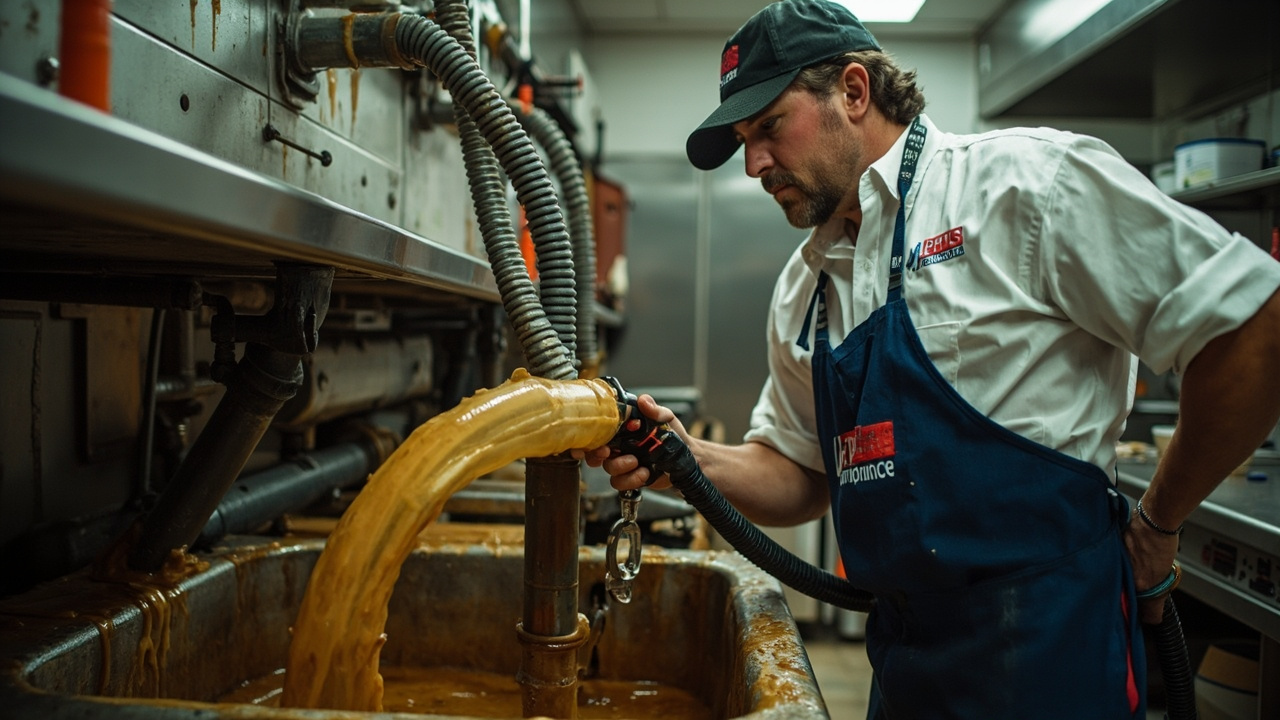

Los Angeles County enforces Title 28 regulations that mandate grease interceptor maintenance when waste layers reach 25 percent of the liquid depth. The region's high concentration of food service establishments means health inspectors conduct frequent unannounced visits, and grease trap violations rank among the most common citations leading to temporary closures. The city's diverse culinary landscape creates varied waste profiles. High-heat wok cooking in San Gabriel Valley generates different grease compositions than the deep-fried foods common in South Los Angeles. These differences affect how quickly your interceptor fills and how often you need commercial grease trap pumping to stay compliant.
Working with a grease interceptor cleaning provider who understands LA County's regulatory environment protects your operating permit. We maintain current knowledge of health department requirements, disposal facility approvals, and manifesting procedures specific to the Los Angeles basin. Our technicians have serviced grease traps across every neighborhood from the Port of Los Angeles to the San Fernando Valley, giving us insight into the local plumbing conditions and infrastructure challenges that affect system performance. This regional expertise helps you avoid the compliance gaps that lead to violations and revenue loss.